
Main Courses
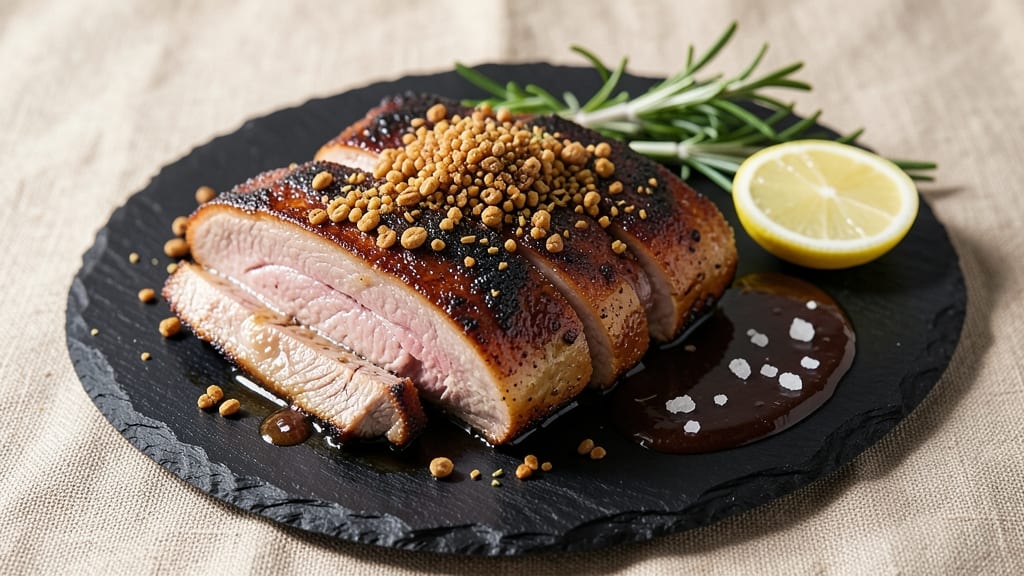
This coffee-crusted pork tenderloin delivers a bold bittersweet crunch that shatters with every bite—transforming a simple cut into something extraordinary. 🔥 I developed this technique after years of perfecting pork crusts, and the coffee adds depth that elevates the natural richness of the meat.
The secret lies in balancing the bitterness of the coffee with sweetness and spices, creating a crust that's both addictive and perfectly paired with the tender pork beneath.
The process is straightforward but yields restaurant-quality results: a tender pork center with a shatteringly crisp crust that holds its shape until the first bite. We start with a dry-brine for maximum moisture, then coat the tenderloin in a spiced coffee mixture that caramelizes beautifully during searing.
The crust isn't just for show—it adds layers of flavor that complement the pork's natural sweetness.
What you'll achieve is a center-cut pork tenderloin that's juicy and perfectly cooked to 145°F, topped with a crust so crisp it crackles when sliced. The coffee's bitterness mellows into a complex, almost chocolatey note that pairs beautifully with caramelized onions or a tangy apple compote.
This isn't just pork—it's a showstopping main course that will have your guests asking for seconds.
Serve with roasted root vegetables or a simple green salad to balance the richness, and save the crust scraps for gravy or breading. Here's how to make it—where precision meets bold flavor in every bite.
Ingredients for coffee crusted pork tenderloin
Bold flavors start here—where coffee meets pork in a symphony of bittersweet crunch.
| Ingredient | Amount | Notes |
|---|---|---|
| Pork Tenderloin 🥩 | 1 ½ lb | Center-cut, trimmed of fat |
| Instant Espresso Powder ☕ | ¼ cup | High-quality, dark roast preferred |
| Brown Sugar 🍯 | ½ cup | Packed, light brown preferred |
| Ground Cinnamon 🌿 | 1 tbsp | Freshly ground for best flavor |
| Ground Coriander 🌶️ | 1 tbsp | Toasted, aromatic variety |
| Kosher Salt 🧂 | 2 tbsp | Diamond Crystal preferred |
| Black Peppercorns 🌶️ | 1 tbsp | Freshly cracked, coarse grind |
| Unsalted Butter 🧈 | ½ cup | Cold, cubed for crust |
| Granulated Garlic 🧄 | 1 tbsp | Freshly ground preferred |
| Fresh Thyme Leaves 🌿 | ¼ cup | Finely chopped, stems removed |
| Olive Oil 🫒 | 2 tbsp | Extra-virgin for searing |
| Vegetable Oil 🫒 | ½ cup | High smoke point for oven |
The pork tenderloin is non-negotiable—center-cut and trimmed of fat for even cooking. Costco or Whole Foods carry excellent cuts, but any butcher will trim it for you. The espresso powder makes all the difference: Starbucks Via or Lavazza work best for that deep, caramelized flavor. Brown sugar isn't just sweetness—it helps the crust caramelize beautifully. Toast your coriander seeds first if using whole (30 seconds in a dry pan), then grind them for maximum aroma. I always double-check the salt—Diamond Crystal dissolves better than table salt, so use it generously here.
No instant espresso? Strong cold brew concentrate works in a pinch (reduce to 2 tbsp), but the powder gives the best texture. Swap brown sugar for maple syrup if you're out (same amount), but the crust won't be as crisp. Short on thyme? Rosemary works too—just halve the amount. The butter must be cold and cubed—room temperature butter melts into the crust instead of crisping. For extra richness, fold in 1 tbsp of cocoa powder to the coffee mixture (trust me on this). The olive oil? Use the best you'd drizzle on bread—California Avocado Ranch or Colavita are my go-tos.
Brine the pork overnight in the fridge—never skip this step—it keeps the center juicy. The crust mixture can be prepped a day ahead and stored in an airtight container for up to 5 days. For make-ahead convenience, coat the pork and refrigerate it (uncooked) for up to 12 hours before cooking. Leftovers? The crust gets soggy, so eat within 2 days or freeze the pork (without crust) for 3 months. Save those crust scraps—they're perfect for gravy or breading fried chicken next time.
Why You'll Love This Recipe
- Two-Ingredient Crust: The espresso powder and brown sugar do all the heavy lifting—no fancy marinades or hours of prep. Just mix, coat, and sear. That’s it. (Yes, even on a Tuesday night.)
- Deep, Unexpected Crunch: The coffee crust delivers a caramelized snap with every bite, but it’s not overpowering—just a subtle, addictive depth that pairs perfectly with the tender pork inside. Honestly, my coffee-loving husband keeps asking for seconds.
- Weeknight to Weekend: Slice it for sandwiches, shred it for tacos, or serve it whole with roasted veggies—this cut adapts to whatever you’re craving. Even my picky teenager calls it “the good pork.”
- Leftovers That Still Shine: Unlike some recipes that turn dry after reheating, this stays juicy and flavorful for days. I’ve made it ahead for potlucks, and it’s always the first to disappear. (Budget win: pork tenderloin stretches far.)
Step-by-step instructions for coffee crusted pork tenderloin
Here's how to create that signature coffee crust that crackles with every bite.
👨🍳 Step 1: Create the Coffee Crust Mixture
In a large bowl, combine the 0.25 cup instant espresso powder, 0.5 cup packed brown sugar, 1 tablespoon ground cinnamon, 1 tablespoon ground coriander, 2 tablespoons kosher salt, and 1 tablespoon freshly cracked black peppercorns. This is your flavor bomb crust that will shatter beautifully when baked.
Next, add the 0.5 cup cold cubed unsalted butter and 1 tablespoon freshly ground granulated garlic to the dry mixture. Use your hands or a fork to work the butter into the spices until it resembles coarse crumbs with pea-sized butter pieces throughout. This texture is crucial—you want the butter to melt and crisp during baking rather than blend completely.
Finally, stir in the 0.25 cup finely chopped fresh thyme leaves. The thyme adds an aromatic brightness that cuts through the richness of the coffee and butter. Give everything a final mix and set the crust mixture aside—it's ready to coat your pork perfectly.
🔥 Step 2: Sear the Pork Tenderloin
Preheat your oven to 400°F. Pat the 1.5 lb pork tenderloin completely dry with paper towels—this is non-negotiable for that perfect crust. The drier the surface, the better the crust will adhere and crisp.
Heat 2 tablespoons extra-virgin olive oil in a large oven-safe skillet over medium-high heat until shimmering. Place the pork in the skillet and sear for 2-3 minutes per side until it develops a deep golden-brown crust. You're looking for color here—this is your foundation for the coffee crust.
Here's the thing—don't press down on the pork while searing. Let it develop that crust naturally. If it releases easily from the pan, it's ready to move to the next step. The seared surface will provide perfect adhesion for your coffee crust.
🥘 Step 3: Coat and Bake to Crust Perfection
Remove the skillet from the heat and carefully pour the coffee crust mixture over the seared pork, pressing it gently but firmly into all sides. You want the crust to adhere completely—this is where the magic happens. The butter will melt and crisp, creating that signature shatter while the coffee adds depth.
Return the skillet to the oven and bake for 20-25 minutes, or until the internal temperature reaches 145°F and the crust is deep golden brown with crackling edges. This is where patience pays off—resist the urge to check early. The crust needs time to develop its full flavor and texture.
Here's your sensory checkpoint: the crust should look like it's about to shatter when you tap it lightly with a spoon. If it's not quite there after 20 minutes, give it another 3-5 minutes. The pork should be tender to the touch but still firm to the probe.
⏰ Step 4: Rest and Serve
Transfer the pork to a cutting board and let it rest for 10 minutes before slicing. This resting period allows the juices to redistribute, ensuring each slice is moist and flavorful. The crust will stay crisp during this time—don't worry about it softening.
Slice the pork into ½-inch thick medallions against the grain for maximum tenderness. The coffee crust should shatter beautifully with each bite, releasing its complex flavors. Serve immediately with your favorite sides—this dish doesn't wait well.
Real talk: the first time I made this, I sliced too soon and the crust lost its shatter. Now I always wait those full 10 minutes. Trust me, it makes all the difference in the final presentation and texture.
Pro Tips For Making Coffee Crusted Pork Tenderloin
- Sear First, Then Crust: Hit the pork with a quick sear in a screaming-hot pan—no oil needed, just the natural fat—before adding your coffee-sugar crust. I used to skip this, and the crust stuck like glue instead of caramelizing into a glossy, crackly shell.
- Toast the Spices: Bloom the espresso powder, cinnamon, and coriander in the pan for 30 seconds before adding the pork—it deepens their flavors and cuts through the bitterness of instant coffee. Sounds weird, but it works: the crust tastes richer afterward.
- Don’t Overmix the Crust: The crust is all about texture, so mix the espresso powder, brown sugar, and spices just until combined. Packing it too tightly makes it dense; let the pork’s juices work their magic during cooking.
- Use a Meat Thermometer: Pork tenderloin is finicky—pull it at 140°F (54°C) to avoid drying it out. I learned this the hard way after serving rubbery slices that had been in the oven too long. Trust the thermometer, not guesswork.
Serving suggestions for this coffee crusted pork tenderloin
Caramelized Onion Beds
Sweet, jammy caramelized onions create the perfect foundation for your coffee-crusted pork. I use 2 large yellow onions, thinly sliced and cooked in 2 tablespoons butter with 1 teaspoon brown sugar over low heat for 45 minutes.
The bittersweet notes of the coffee crust mirror the caramelization beautifully. Spread a generous layer on plates before adding the pork slices—this adds moisture and visual appeal. 🍯
Apple-Cider Glaze
Balance the richness with a tangy-sweet glaze made from ½ cup apple cider, 1 tablespoon balsamic vinegar, and 1 teaspoon honey. Simmer in a saucepan until reduced by half, then strain to remove any sediment.
Drizzle lightly over the sliced pork—just enough to enhance, not overwhelm. The acidity cuts through the coffee's bitterness while highlighting its chocolatey undertones.
Creamy Polenta Mash
For a heartier side, prepare 1 cup polenta cooked in 4 cups chicken broth until creamy, then stir in 2 tablespoons butter and ¼ cup grated Parmesan. The mild, buttery texture contrasts perfectly with the shatter of the coffee crust.
Serve in a shallow dish so guests can scoop it up with their pork. I often add a pinch of nutmeg for warmth—it echoes the cinnamon in the crust.
Crispy Potato Rounds
Thinly slice 2 large russet potatoes into ¼-inch rounds, soak in cold water for 20 minutes, then pat dry. Toss with 1 tablespoon olive oil and ½ teaspoon smoked paprika, then pan-fry until golden and crisp.
The potato's starchiness soaks up any pork juices, while the smokiness complements the coffee's depth. Arrange them in a circular pattern around the pork for a visually stunning presentation.
Fresh Herb Garnishes
Brighten the plate with micro cilantro or chopped chives scattered over the pork and sides. Their freshness contrasts the rich coffee crust, creating a balanced bite. For an extra touch, add a few edible coffee beans (available at specialty stores) to echo the crust's flavor profile.
This garnish is simple but elevates the dish to restaurant-quality presentation. 🌿
Wine Pairing Notes
I recommend a bold red like Cabernet Sauvignon or a smoky Pinot Noir to stand up to the coffee's bitterness. The tannins in red wine cleanse the palate between bites, while the fruitiness balances the crust's complexity.
For white wine lovers, a dry Riesling with its citrus notes provides a refreshing contrast. Avoid sweet wines—they'll clash with the coffee's intensity.
Nutrition facts
Frequently asked questions
Why does the coffee crust need to be so crisp?
The crispness is what makes this dish special! The coffee crust shatters with every bite, releasing its complex flavors while providing a satisfying textural contrast to the tender pork. The butter in the crust melts and re-crispifies during baking, creating that signature crackle. Pro tip: If your crust isn't crisp enough, bake it 2-3 minutes longer—the butter needs time to fully set.
Can I use ground coffee instead of instant espresso powder?
Ground coffee won't work the same way—it contains moisture that prevents the crust from getting properly crisp. Instant espresso powder dissolves completely and creates a fine, dry texture that's perfect for coating. If you're out of espresso powder, you can use strong cold brew concentrate (reduce to 2 tbsp), but the texture won't be identical. The powder gives that signature shatter we all love.
What's the best way to store leftovers?
Store the pork (without crust) in an airtight container in the fridge for up to 2 days or freeze for 3 months. The crust won't stay crisp after reheating, but you can revive it briefly by broiling for 2-3 minutes with a spritz of water. For best results, eat within 24 hours—this dish is at its peak freshness. Save any leftover crust scraps for gravy or breading fried chicken next time!
Can I make this ahead of time? You can prep the coffee crust mixture up to 5 days ahead and store it in an airtight container. For the pork, coat it with the crust and refrigerate (uncooked) for up to 12 hours before cooking. The dry-brine can also be done 24 hours in advance. Just
What if my pork comes out dry?
Dry pork usually means it cooked past 145°F or wasn't properly rested. Always use a meat thermometer and remove it when it hits 145°F—it will rise to 150°F while resting. The dry-brine step is crucial for moisture retention. If it happens, slice thinly and serve with a rich sauce or gravy made from the crust scraps to restore juiciness.