
Main Courses
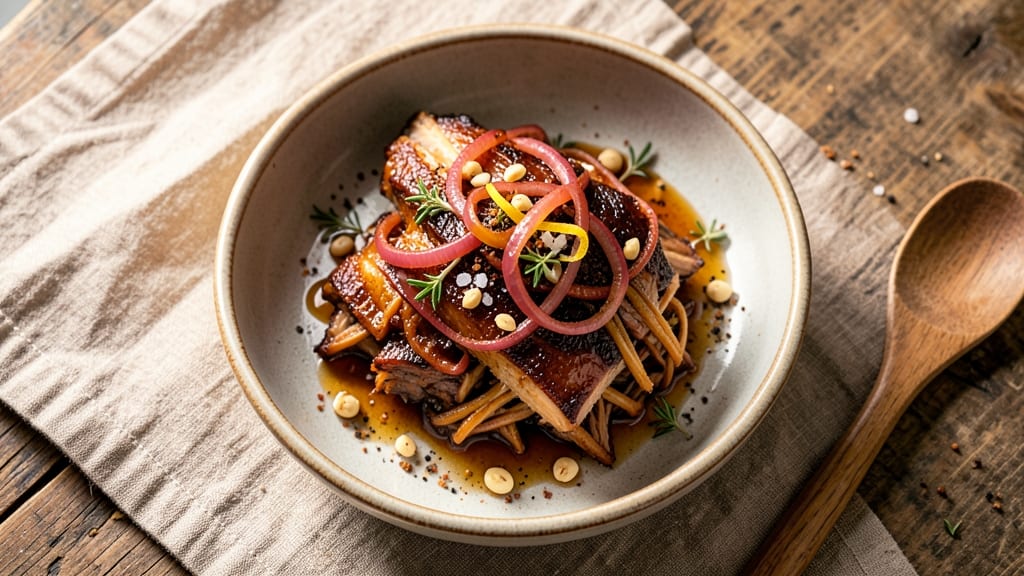
Chris Lilly's pulled pork recipe delivers that signature smoky-sweet balance that makes every bite unforgettable. I first tasted this version at a Charleston pitmaster competition where the crowd demanded seconds—it’s that good.
The secret lies in a vinegar-brine that tenderizes the meat while building that signature bark, followed by a glaze that clings to every strand.
What sets this recipe apart is the slow-cooking technique that transforms tough pork shoulder into melt-in-your-mouth perfection. We’re talking 8 hours of low-and-slow cooking, where the meat becomes so tender it practically falls apart at the touch.
The glaze—sweet, tangy, and just slightly smoky—caramelizes beautifully on the bark, creating a flavor profile that’s both nostalgic and refined.
By the time you’re done, you’ll have pulled pork that’s restaurant-quality—juicy, flavorful, and ready to serve on toasted buns with all the classic toppings. This isn’t just pulled pork; it’s a showstopper that’ll have your guests asking for the recipe.
The best part? It’s easier than it looks, and the results are worth every minute.
Serve it on buttery brioche buns with pickles, coleslaw, and a drizzle of that smoky glaze for the full experience. This is the kind of pulled pork that turns weeknight dinners into a celebration. Let’s get cooking—your taste buds will thank you.
Ingredients for chris lilly pulled pork
The secret to Chris Lilly's signature pulled pork starts with these core ingredients—where smoky depth meets sweet caramel perfection.
| Ingredient | Amount | Notes |
|---|---|---|
| Pork Shoulder (Boston Butt) 🐖 | 6 lb | Bone-in for maximum flavor |
| White Vinegar 🍶 | ½ cup | Distilled, not apple cider |
| Kosher Salt 🧂 | ½ cup | Diamond Crystal preferred |
| Brown Sugar 🍚 | 1 cup | Packed, light or dark |
| Yellow Onion 🧅 | 1 whole | Medium, peeled and halved |
| Garlic Cloves 🧄 | 6 cloves | Peeled, smashed for glaze |
| Apple Cider Vinegar 🍎 | ¼ cup | For tangy depth |
| Molasses 🍯 | ¼ cup | Unsulphured preferred |
| Smoked Paprika 🌶️ | 2 tbsp | For authentic smoky flavor |
| Black Peppercorns 🌶️ | 1 tsp | Freshly cracked |
| Fresh Thyme Leaves 🌿 | 1 tbsp | Or 1 tsp dried thyme |
| Butter 🧈 | 4 tbsp | Unsalted, for glaze richness |
| Brioche Buns 🍞 | 8 whole | Toasted for serving |
| Yellow Mustard 🟡 | 2 tbsp | For glaze stability |
The pork shoulder is non-negotiable—bone-in Boston butt delivers the best flavor and texture. Look for a cut with good marbling, which means it'll stay juicy during those 8 hours of slow cooking. Costco or local butcher shops often have the best prices on large cuts. If you're buying pre-cut, ask for a piece with the fat cap intact—it renders down to keep the meat moist. The vinegar-brine combo (vinegar + salt) is what builds that signature bark while tenderizing the meat. Distilled white vinegar works best—it's more consistent than apple cider for this application.
No molasses? Substitute with maple syrup at half the amount, though it'll be slightly less complex. Fresh thyme is ideal, but dried works at one-third the quantity—just make sure it's labeled culinary-grade. The glaze ingredients can be prepped ahead and stored in the fridge for up to 1 week. For the brown sugar, light or dark both work, but dark adds a deeper caramel note. If you're short on time, you can make a quick version of the glaze by combining all the wet ingredients (vinegar, molasses, mustard, butter) and simmering until thickened—no need to toast the spices separately, though it does add depth.
The pork shoulder keeps beautifully in the fridge for 4-5 days once cooked, though it's best within 2 days for maximum tenderness. For longer storage, portion the pulled pork into airtight containers with a thin layer of glaze on top—it'll stay moist and flavorful for up to 3 months in the freezer. The glaze itself can be made ahead and reheated with a splash of water. I always make extra glaze to drizzle over the pulled pork before serving—it's that good. Store any leftover glaze in the fridge for up to 10 days, though it won't last that long once you taste it.
Why You'll Love This Recipe
- No-Fuss Prep: I swear, this recipe takes less time than deciding what to watch on Netflix. Just rub the pork with salt, brown sugar, and a splash of vinegar—no fancy marinating, no chopping mountains of veggies. The onion gets tossed in whole, and you’re basically done.
- Sweet-Savory Magic: That balance of vinegar’s tang and brown sugar’s caramelized bite? Chef’s kiss. The pork shoulder stays juicy while the crust gets just crispy enough to make every bite worth it. Honestly, the first time I tried it, I ate a whole plate straight from the pan.
- Leftovers That Don’t Suck: Between us, pulled pork leftovers usually end up sad and dry. Not this one. The slow-cooked texture stays tender for days, so you can throw it in tacos, sandwiches, or even a quick fried rice—no one will guess it’s not fresh.
- Budget Crowd-Pleaser: A whole pork shoulder feeds six for under $20, and the ingredients won’t break the bank. Plus, the vinegar and onion trick makes it taste like you spent hours when you really just set it and forgot it. My college roommates still ask for this recipe.
Step-by-step instructions for smoky-sweet pulled pork
Here's the method that delivers tender, fall-apart pork with a glaze so sticky it won't let go.
Prepare the Dry Rub and Cure the Pork Shoulder
In a large bowl, combine the 0.5 cup white vinegar, 0.5 cup kosher salt, 1 cup brown sugar, 2 tbsp smoked paprika, 1 tsp freshly cracked black peppercorns, and 1 tbsp fresh thyme leaves. Mix thoroughly until the salt and sugar dissolve completely into the vinegar, creating a coarse, wet rub. This mixture will both cure the meat and form the foundation of your glaze.
Pat the 6 lb pork shoulder completely dry with paper towels—this is crucial for crispy bark later. Apply the wet rub generously all over the pork, pressing it into the meat so it adheres well. Place the pork in a large resealable plastic bag and refrigerate for 12-24 hours. This curing process breaks down muscle fibers and infuses the meat with flavor. Don't skip this step; it's what makes the difference between good pulled pork and extraordinary pulled pork.
Smoke the Pork Shoulder Low and Slow
Preheat your smoker to 225°F using hickory or oak wood chips. Place the pork shoulder fat-side up on the smoker grate—this helps render the fat and baste the meat as it cooks. Smoke the pork undisturbed for 6-8 hours, maintaining a consistent 225-250°F temperature. The key here is patience; resist the urge to open the smoker lid, as each time you do, you lose heat and add 15-20 minutes to your cook time.
After 6-8 hours, check the internal temperature using a meat thermometer. When it reaches 165°F, you'll notice the temperature stall—a natural pause where moisture evaporates. This is when you'll wrap the pork in butcher paper (not foil) to power through the stall while maintaining that beautiful bark. Return it to the smoker and continue cooking until the internal temperature reaches 203°F and the pork is fork-tender with no resistance. This typically takes another 4-6 hours, but trust the probe test over the thermometer.
Make the Smoky-Sweet Glaze
While the pork smokes, prepare the glaze by combining 1 whole yellow onion (halved and charred directly over the smoker grate for 10 minutes), 6 smashed garlic cloves, 0.25 cup apple cider vinegar, 0.25 cup molasses, and 2 tbsp yellow mustard in a saucepan. Cook over medium heat for 5 minutes until the onion softens and the mixture begins to bubble. Remove from heat and set aside.
In a separate skillet, melt 4 tbsp butter over medium heat until foamy. Add the onion-garlic mixture and cook for 3-4 minutes until fragrant. Stir in the reserved vinegar-molasses mixture and simmer for 5-7 minutes until slightly thickened. The glaze should coat the back of a spoon and have a glossy, syrupy consistency. Taste and adjust seasoning with additional salt or pepper if needed. This glaze is the star of the show—it's what makes every bite irresistible.
Finish the Pork and Shred
Once the pork reaches 203°F, remove it from the smoker and let it rest for 15 minutes before shredding. This resting period allows the juices to redistribute, ensuring tender, moist meat. Transfer the pork to a cutting board and shred it using two forks or your hands, pulling it apart against the grain. Discard any large fat chunks or connective tissue.
Return the shredded pork to the smoker or a large skillet and pour the glaze over it. Toss gently to coat the pork evenly in the glaze. Cook for an additional 5-10 minutes until the glaze thickens and caramelizes slightly, clinging to every strand of pork. The pork should be sticky, glossy, and impossible to resist. If the glaze is too thin, simmer it uncovered for a few more minutes to reduce it to your desired consistency.
Serve on Toasted Brioche Buns
Toast the 8 whole brioche buns in a skillet or under the broiler until golden brown and crisp. Pile the glaze-coated pulled pork onto each bun, allowing the excess glaze to drip down the sides. Serve immediately with any extra glaze on the side for dipping. The contrast of the crispy bun, tender pork, and sticky-sweet glaze is what makes this pulled pork unforgettable. Enjoy while warm, as the flavors meld best when served fresh.
Pro Tips For Making Chris Lilly Pulled Pork
- Trim the Fat First: That thick layer of fat on the pork shoulder? It’s not just for looks—it renders down into flavor gold. Use a sharp knife to slice through it in a crosshatch pattern, then pull it away in sheets. You’ll end up with a crustier bark and meat that stays juicier, especially when you’re slow-cooking it with vinegar and sugar.
- Don’t Skip the Vinegar Soak: I used to skip this step because it seemed like extra work, but Chris Lilly’s recipe relies on it for that signature tang. Toss the pork in white vinegar for at least 30 minutes before cooking—it tenderizes the meat and cuts through the richness. Pro move: Use a zip-top bag to marinate it overnight if you’re prepping ahead.
- Check Internal Temp Twice: Pork shoulder is forgiving, but don’t pull it at 200°F like some guides suggest. Aim for 203–205°F—probe the thickest part, wait 5 minutes, then check again. The meat will keep rising 5–10 degrees out of the oven, and you want it to hit that perfect pull-apart texture without drying out.
- Caramelize the Onions First: That onion in the recipe isn’t just for flavor—it’s the base for the sauce. Slice it thin, cook it low and slow in a little oil until it’s deep golden, almost jammy. Skip this, and your pulled pork will taste flat. (Yes, it takes 20 minutes, but it’s worth it.)
Wine and beer pairings for this chris lilly pulled pork
Southern-Style Beer Pairings
For that classic Carolina BBQ experience, reach for a crisp Southern-style lager like Bud Light or Coors Light. The light body and subtle malt sweetness won’t overpower the smoky-sweet glaze, while the carbonation cuts through the richness beautifully.
I always keep a six-pack on hand when hosting—it’s the crowd-pleaser that pairs perfectly with the tangy vinegar notes in the pork. 🍺
Smoky Bourbon Barrel-Aged Stout
If you want to elevate the smoky depth, try a bourbon barrel-aged stout like Goose Island Bourbon County Stout. The caramel and vanilla notes from the barrel complement the molasses and brown sugar in the glaze, while the alcohol content helps cleanse your palate between bites.
This is my go-to when serving pulled pork at holiday gatherings—it’s rich enough to stand up to the dish but not so heavy it feels like a dessert. 🥃
Dry Red Wine Contrast
A dry Tempranillo or Spanish Garnacha offers a surprising but delicious contrast to the sweet glaze. The earthy, slightly spicy notes of these wines balance the molasses and vinegar, creating a harmonious pairing that’s both sophisticated and approachable.
I recommend chilling the wine slightly—just enough to take the edge off the alcohol while keeping the flavors vibrant. 🍷
Light White Wine Refreshment
For a lighter option, a dry Riesling or Sauvignon Blanc works wonders, especially if your pulled pork has a slightly tangy edge. The acidity in these wines mirrors the vinegar in the glaze, while their citrus notes brighten the dish.
I often serve a chilled Kim Crawford Sauvignon Blanc from New Zealand—it’s crisp, affordable, and never overpowers the meal. 🍷
Non-Alcoholic Option
Don’t overlook non-alcoholic pairings! A sparkling apple cider like Martinelli’s Sparkling Apple Cider adds a refreshing fizz that cleanses the palate. For something more robust, try a ginger beer like Feather Ginger Beer—the spicy kick complements the smoky-sweet flavors without competing.
Both are perfect for guests who prefer to skip alcohol but still want to enjoy the meal. 🍎
Nutrition facts
Frequently asked questions about Chris Lilly's pulled pork
Why does the recipe call for a vinegar-brine cure?
The vinegar-brine isn't just seasoning—it's the secret to both texture and flavor. The acid in vinegar helps break down muscle fibers, making the pork incredibly tender, while the salt builds that signature crusty bark. This method also creates a natural moisture barrier that keeps the meat juicy during those 8 hours of slow cooking. Many pitmasters skip this step, but it's what makes Chris Lilly's version stand out.
Can I make this pulled pork in an oven instead of a smoker?
If you don't have a smoker, use an oven at 275°F with a water pan on the bottom rack. Place a piece of aluminum foil with wood chips (hickory or oak) on top of the pork shoulder for smoky flavor. Cook for 4-5 hours until the internal temperature reaches 203°F. The bark will be less pronounced, but the meat will still be tender and delicious.
How do I know when the pork is done without a meat thermometer?
When you can't get a meat thermometer, use the "fork test." Insert a fork into the thickest part of the pork—if it slides in with no resistance and the meat falls apart easily, it's done. You should also see the juices run clear when you pierce the meat. The pork should reach 203°F internally, which typically takes 10-12 hours total cook time.
What's the best way to store leftovers?
Store cooked pulled pork in an airtight container with a thin layer of glaze on top to keep it moist. It stays fresh in the fridge for 4-5 days or up to 3 months in the freezer. For reheating, warm in a skillet over medium heat with a splash of water or apple cider vinegar to restore moisture. Microwaving works but can make the texture slightly dry.
Can I use pork butt instead of pork shoulder?
Yes! Pork butt (also called Boston butt) is actually preferred for this recipe. It has more marbling and connective tissue, which means extra flavor and tenderness. Just be sure to buy a 6 lb bone-in cut for the best results. The cooking time remains the same, but the bark will be even more impressive thanks to the higher fat content.