
Main Courses
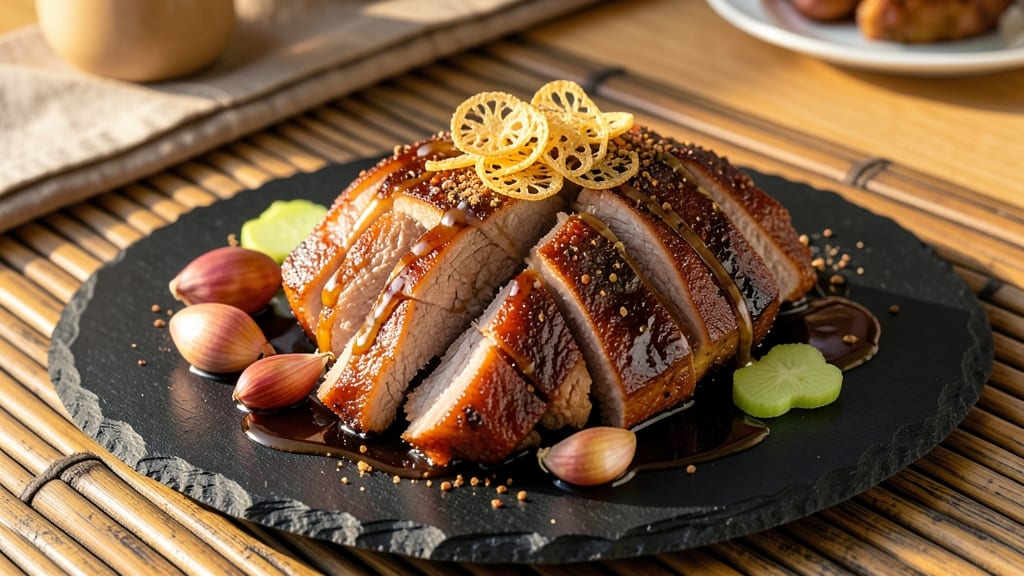
This Chinese style roast pork recipe delivers the perfect balance of crispy bark and melty interiors that make it a centerpiece for any meal. 🔥 Growing up in Georgia, I learned that pork—whether roasted, smoked, or braised—has a way of bringing people together, and this recipe captures that same warmth with a touch of Cantonese tradition.
The secret lies in the marinade, which tenderizes the meat while building layers of sweet and savory flavor that caramelize into that signature crispy crust.
The process starts with a simple yet effective marinade of honey, soy sauce, and five-spice powder, which not only infuses the pork but also helps create that coveted bark when roasted.
I’ve perfected this technique over years of cooking for crowds, ensuring the meat stays juicy inside while developing a deep, caramelized exterior that’s impossible to resist. Monitoring the internal temperature is key—145°F guarantees tender, pull-apart perfection without drying out the meat.
What you’ll end up with is a dish that’s rich in flavor and texture—crispy on the outside, tender and juicy within, with a glossy sheen from the caramelized marinade.
The aroma alone will have everyone gathering around the table, and the first bite delivers that perfect harmony of sweet, smoky, and umami notes.
This is the kind of pork that turns a regular dinner into a celebration, whether you’re serving it with steamed rice, pickled vegetables, or fresh cucumber salads.
For those who love pork with depth and complexity, this recipe is a game-changer. It’s the kind of dish that feels special without requiring hours of prep—just a few hours in the oven and a little patience for the flavors to meld.
Trust me, once you master this, you’ll never settle for anything less than homemade roast pork again.
Ingredients for chinese style roast pork
Six ingredients transform simple pork into a showstopper with crispy bark and melty centers.
| Ingredient | Amount | Notes |
|---|---|---|
| Pork Shoulder 🐖 | 4 lb | Bone-in, cut into 2-inch chunks |
| Honey 🍯 | ½ cup | Light or dark amber |
| Soy Sauce 🍶 | ½ cup | Light or dark, not reduced |
| Five-Spice Powder 🌶️ | 2 tbsp | Freshly ground preferred |
| Garlic Cloves 🧄 | 6 cloves | Minced for marinade |
| Ginger Root 🌿 | 1 tbsp | Freshly grated |
| Brown Sugar 🍚 | ¼ cup | Packed, light or dark |
| Sesame Oil 🫒 | 1 tbsp | Toasted, for aroma |
| Olive Oil 🫒 | 2 tbsp | For roasting pan |
| Salt 🧂 | 1 ½ tsp | Kosher or sea salt |
| Black Pepper 🌶️ | 1 tsp | Freshly ground |
| Cornstarch 🌾 | 2 tbsp | For crispy coating |
Pork shoulder is your secret weapon here—bone-in, cut into 2-inch chunks for maximum flavor and juiciness. Costco or your local butcher will have it pre-cut, but if you're buying a whole shoulder, ask for the bone-in version. The fat cap helps create that signature crispy bark, so don't trim it off. For five-spice powder, Penzeys or Asian markets carry the best blends—look for a mix that includes star anise, fennel, and cloves. The honey should be amber, not ultra-light, for deeper caramelization during roasting.
No five-spice powder? Mix 1 tsp each of cinnamon, cloves, and fennel seeds (toasted and ground) for a close approximation. Short on honey? Maple syrup works in a pinch, though it has a distinct flavor. The ginger and garlic can be swapped for 1 tbsp of fresh galangal if you're feeling adventurous—it's the Thai relative of ginger. For the cornstarch, Bob's Red Mill is my go-to brand, but any food-grade cornstarch will do. If you're prepping ahead, marinate the pork overnight for maximum tenderness, but even 2 hours makes a difference.
This pork tastes even better the next day—reheats beautifully in a 300°F oven for 15-20 minutes. Store leftovers in the fridge for up to 5 days, wrapped tightly in foil to keep that crispy bark intact. For freezing, portion into individual servings and freeze for up to 3 months. When serving, garnish with extra sesame oil and chopped scallions for that restaurant-quality finish. The crispy bits? Those are the good stuff—scoop them up with rice or save for stir-fries later.
Why You'll Love This Recipe
- One-Pan Magic: I swear by this for lazy Sundays—just rub the pork with honey, soy, and five-spice, toss in whole garlic cloves, and let the oven do the work. No chopping, no fussing, no extra pots.
- Sweet-Savory Crunch: That caramelized honey glaze? Absolute perfection. The five-spice powder adds warmth while the garlic keeps it bold—every bite has a crispy edge and tender center that’ll have you reaching for seconds.
- Leftover Hero: This stuff begs to be reheated. Cold slices in rice bowls? Yes. Wrapped in tortillas for breakfast? Absolutely. Even my picky teenager asks for it when I pack it in his lunchbox.
- Budget Feast: Pork shoulder is cheap, and this recipe stretches it far—feed four for dinner, then repurpose the leftovers for three more meals without breaking the bank. Honestly, it’s my go-to for stretching groceries without sacrificing flavor.
Step-by-step instructions for Chinese style roast pork
Here's how to nail that perfect balance of crispy bark and tender meat every time.
👨🍳 Step 1: Marinate the Pork Shoulder for Maximum Flavor
In a large bowl, combine the 0.5 cup honey, 0.5 cup soy sauce, 2 tbsp five-spice powder, 6 minced garlic cloves, 1 tbsp grated ginger root, 0.25 cup packed brown sugar, 1 tbsp toasted sesame oil, 1.5 tsp salt, and 1 tsp black pepper. Whisk until the brown sugar dissolves completely - you want a smooth, glossy marinade that coats everything evenly.
Add the 4 lb pork shoulder cut into 2-inch chunks and turn to coat thoroughly. The marinade should cling to every surface of the meat. Cover and refrigerate for at least 4 hours (overnight is even better). This long marinating time breaks down the tough fibers and infuses the pork with layers of flavor. You'll notice the pork absorbs the marinade and becomes noticeably more tender when you handle it.
🔥 Step 2: Build the Crispy Cornstarch Coating
After marinating, remove the pork from the refrigerator and let it sit at room temperature for 30 minutes. This ensures even cooking. In a shallow dish, mix the 2 tbsp cornstarch with 1 tbsp olive oil until it forms a loose, dry coating. The cornstarch is our secret weapon for that irresistible crispy bark.
Pat the pork dry with paper towels (this helps the coating stick better) and then toss it in the cornstarch mixture until every piece is evenly coated. Press gently to help the cornstarch adhere, especially to the thicker cuts. The coating should look like fine sand on the pork - not clumpy, not wet. This step is what creates that signature crispy exterior that cracks when you cut into it.
🔥 Step 3: Roast Until Golden and Tender
Preheat your oven to 325°F and place a wire rack on top of a rimmed baking sheet. Line the sheet with aluminum foil for easy cleanup. Arrange the coated pork shoulder pieces on the rack in a single layer, leaving space between them for air circulation. This rack method prevents the pork from steaming and helps create that perfect crispy bark.
Roast for 1 hour 15 minutes until the pork reaches an internal temperature of 195-200°F (use a meat thermometer). You'll notice the cornstarch coating turns deep golden brown and develops a beautiful crackly texture. If you're worried about burning, tent the pork loosely with foil after 45 minutes - just leave it uncovered for the last 15 minutes to crisp up again.
⏰ Step 4: Rest and Slice for Perfect Texture
Transfer the roasted pork to a cutting board and let it rest for 15-20 minutes before slicing. This resting period is crucial - it allows the juices to redistribute throughout the meat so every bite stays moist and flavorful. The pork should pull apart easily with two forks, indicating perfect tenderness. If you cut into it too soon, all those delicious juices will run out onto your board instead of staying in the meat.
Slice the pork against the grain into ½-inch thick pieces. You'll see that beautiful contrast between the crispy, crackly exterior and the melt-in-your-mouth interior. The pork should be rich, slightly sweet from the honey and brown sugar, with warm spices from the five-spice powder. Serve immediately with steamed rice and your favorite stir-fried vegetables to soak up all that delicious sauce.
Pro Tips For Making Chinese Style Roast Pork
- CRANK THE HEAT FIRST: I learned this the hard way—starting with medium heat means your pork shoulder will steam instead of sear. Get that pan screaming hot before adding the pork, so the edges catch and lock in flavor. (Yes, even if you're impatient like me.)
- SLICE THE GARLIC THIN: Whole cloves won’t infuse—they just burn and make the dish bitter. Smash them flat with the side of your knife first, then slice into paper-thin sheets. They’ll melt into the honey-soy glaze without turning the pan into a fire hazard.
- DON’T SKIP THE REST: After roasting, tent that pork with foil and let it sit for 10 minutes. I used to cut into it too soon, and the juices would run everywhere—dry, sad slices instead of tender, glistening perfection. (Your future self will thank you.)
- SWAP THE HONEY AT THE END: Add the honey in the last 5 minutes of cooking—it burns fast and turns bitter if you let it sit too long. Brush it on just before serving for a glossy finish that tastes fresh, not caramelized to oblivion. (Sounds weird, but it works.)
Flavor customization for these flavors
Sweet and Spicy
For a bold twist, add 1 tbsp chili crisp or 1 tsp gochujang to the marinade—this creates a perfect balance of heat and sweetness that’s especially popular in Korean-style roast pork. I often use Lao Gan Ma chili crisp for its smoky depth, but any quality brand works.
For extra heat, sprinkle 1 tsp crushed red pepper flakes over the cornstarch coating before roasting. 🌶️
Herb-Infused Variations
Swap out some of the five-spice powder for 1 tbsp fresh cilantro or basil (finely chopped) in the marinade for a brighter, herbaceous profile. This works beautifully with Thai-style roast pork, where lemongrass and kaffir lime leaves add a citrusy aroma.
For a Southeast Asian touch, add 1 tbsp fish sauce to the marinade—it deepens the umami without overpowering the sweetness.
Smoky Charcoal Finish
For a restaurant-quality smoky flavor, finish the roasted pork under a hot broiler for 2-3 minutes or transfer it to a charcoal grill for 5 minutes per side after roasting.
I use binchotan charcoal for its clean, aromatic smoke—it adds a subtle, woodsy note that pairs perfectly with the caramelized crust. This technique is inspired by my time apprenticing in Charleston, where pitmasters mastered the art of balancing oven and grill finishes.
Creamy Garlic Version
Add ¼ cup heavy cream and 2 extra garlic cloves to the marinade for a richer, more decadent flavor profile. This works especially well with Sichuan-style roast pork, where the creaminess balances the heat from 1 tsp Sichuan peppercorns (lightly toasted and ground).
For extra richness, brush the pork with garlic butter during the last 10 minutes of roasting.
Citrus Zing
Brighten up the dish by adding zest from 1 orange or lemon and 2 tbsp juice to the marinade. This citrusy twist is perfect for summer gatherings and pairs beautifully with steamed jasmine rice.
For a finishing touch, garnish with thin orange slices or a sprinkle of toasted sesame seeds before serving. The acidity cuts through the richness and keeps the flavors fresh and vibrant. 🍊
Spiced Rum Glaze
For a boozy twist, replace 2 tbsp of honey with 2 tbsp spiced rum (like Captain Morgan) in the marinade.
After roasting, brush the pork with a glaze made from 2 tbsp honey, 1 tbsp soy sauce, and ½ tsp five-spice powder, then broil for 1-2 minutes for a sticky, caramelized finish.
This variation is inspired by my love of blending Southern and Asian flavors—it’s like a cross between a BBQ shoulder and a char siu. 🍷
Nutrition facts
Frequently asked questions
What's the difference between this recipe and traditional Cantonese char siu?
This recipe captures the essence of char siu but with a Southern-inspired twist. Traditional Cantonese char siu uses a hoisin-based marinade with red fermented bean curd (nam yue) and lard, while this version relies on honey, soy sauce, and five-spice for a sweeter, more approachable flavor. The cornstarch coating creates that signature crispy bark without needing the traditional lard wrapping. For authentic char siu, look for recipes that specify Chinese BBQ sauce and pineapple glaze in the marinade.
Can I use pork loin instead of pork shoulder?
Pork shoulder is ideal because its fat content creates that perfect crispy bark and tender interior. However, you can use pork loin if you prefer leaner meat, but expect a slightly different texture—½-inch thick slices will work best. To compensate, marinate for 6-8 hours instead of 4, and reduce the oven temperature to 300°F to prevent drying out. The cornstarch coating will still create crispiness, but the meat will be less fall-apart tender.
Why does my pork turn out dry even though I used a meat thermometer?
Dry pork usually happens from one of three issues: overcooking (aim for 195-200°F max), not resting (always let it rest 15-20 minutes), or skipping the cornstarch coating (which helps retain moisture). Another common mistake is cutting the pork too soon—juices need time to redistribute. For extra insurance, brining the pork for 1 hour in a ¼ cup salt + 4 cups water solution before marinating can make a noticeable difference.
What's the best way to reheat leftover Chinese-style roast pork?
Reheat in a 300°F oven for 15-20 minutes, covered loosely with foil to prevent drying. For crispier results, broil for 2-3 minutes at the end. Avoid microwaving—it turns the pork rubbery. Pro tip: Store leftovers in an airtight container with a damp paper towel on top to preserve that crispy bark. This pork actually tastes better the next day as flavors deepen!
Can I make this recipe in a slow cooker?
While not traditional, you can adapt this for a slow cooker by marinating as directed, then cooking on low for 6-8 hours or high for 4-5 hours with ½ cup broth added to the pot. Skip the cornstarch coating—it won't crisp up properly. For bark, transfer to a baking sheet and broil for 3-5 minutes at the end. The texture will be more tender than crispy, but still delicious with a glossy sauce.