
Sauces & Condiments
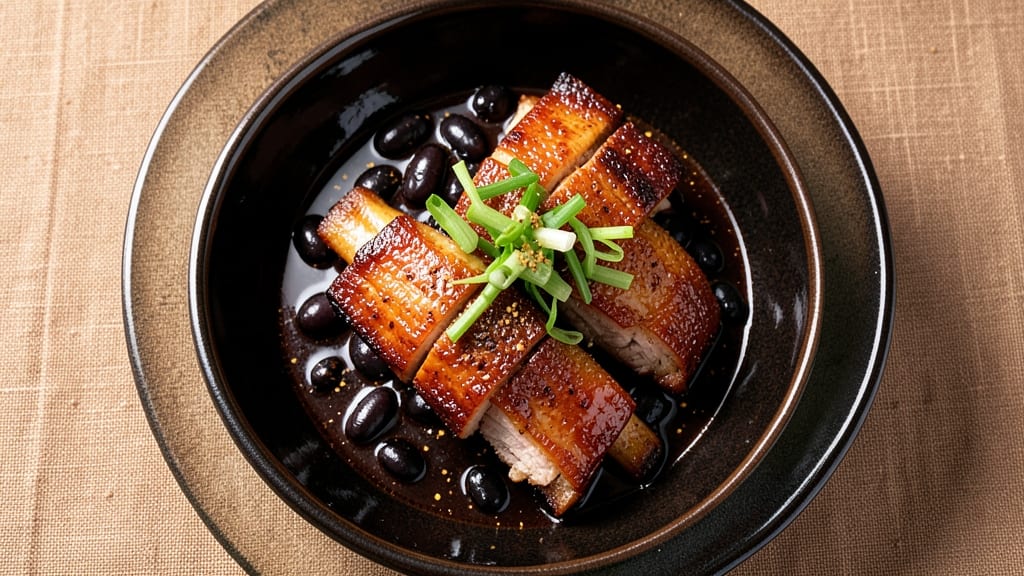
This Chinese recipe for pork ribs and black bean sauce transforms tough cuts into tender, saucy perfection that tastes like a Cantonese restaurant. The secret lies in the sauce—a velvety blend of fermented black beans, soy, and five-spice powder that caramelizes beautifully while cooking.
I first discovered this dish during a Portland night market, where the aroma of wok-seared ribs and that rich, umami-packed sauce drew me in immediately.
The ribs begin with a simple marinade of soy sauce and Shaoxing wine, then get their signature char from a hot wok before braising in the black bean sauce until fork-tender.
What makes this recipe special is how the sauce thickens into a glossy glaze that clings to every rib, balancing sweet, salty, and smoky flavors. The technique is straightforward but delivers restaurant-quality results at home.
By the time you're done, you'll have ribs with crispy edges and melt-in-your-mouth centers, all smothered in that deep, complex sauce that's impossible to resist. Serve them over steamed jasmine rice with quick-pickled vegetables for the full experience.
This dish is hearty enough for a family dinner but impressive enough for guests.
Confession: the first time I made this, I nearly burned the sauce trying to rush it—but that caramelized depth became my favorite part. The key is patience, especially when deglazing the wok.
Let the sauce work its magic slowly, and you'll end up with a dish that tastes like home, even when you're cooking in Portland.
Ingredients for chinese recipe pork ribs and black bean sauce
Pantry staples meet Asian market finds for ribs that taste like a Portland night market feast.
| Ingredient | Amount | Notes |
|---|---|---|
| Pork Ribs 🥓 | 3 lb | Baby back ribs, meaty ends included |
| Fermented Black Beans 🌱 | ½ cup | Dried, not canned, for authentic flavor |
| Light Soy Sauce 🍶 | ½ cup | Kikkoman preferred for balance |
| Shaoxing Wine 🍷 | ¼ cup | Substitute with dry sherry if needed |
| Brown Sugar 🍚 | ¼ cup | Packed, for caramelization |
| Five-Spice Powder 🌶️ | 1 tbsp | Homemade or store-bought blend |
| Garlic Cloves 🧄 | 6 cloves | Minced, for aromatic base |
| Fresh Ginger 🧅 | 2 tbsp | Grated, for zesty brightness |
| Scallions 🧅 | 3 whole | White and green parts, sliced |
| Sesame Oil 🫒 | 1 tbsp | Toasted, for nutty aroma |
| Cornstarch 🌾 | 1 tbsp | For sauce thickening |
| Neutral Oil 🫒 | ½ cup | Vegetable or peanut oil |
| Salt 🧂 | 1 ½ tsp | Kosher salt for seasoning |
| Black Pepper 🌶️ | ½ tsp | Freshly ground for heat |
The ribs are the star, so grab baby back ribs with meaty ends—they're more flavorful. I always look for ones with a good amount of fat marbling, which keeps them juicy. Costco or Asian grocery stores usually have the best selection, but regular butchers can cut them for you if needed. For the black beans, dried fermented black beans are a must—they're sold in bulk at Asian markets or online. If you can't find them, dried black soybeans work in a pinch, but soak them overnight first. The Shaoxing wine adds depth, but dry sherry is a solid substitute if you can't find it.
No Shaoxing wine? Dry sherry or even a splash of balsamic vinegar works. The five-spice powder is non-negotiable—it's the soul of this dish. Penzeys or Asian markets have the best blends, but a well-stocked spice aisle will do. Fresh ginger and garlic are ideal, but jarred minced ginger (not the sweet kind) works in a bind. The scallions add freshness—use the white parts for cooking and the green for garnish. For the sauce, cornstarch is key—it gives that glossy finish. If you don't have it, arrowroot powder works too.
Ribs keep best in the fridge for 2 days before cooking, but they're even better made ahead and reheated. The sauce can be made a day in advance—it tastes even richer after the flavors meld. Store it in an airtight container in the fridge for up to 5 days. Freeze portions of the sauce for up to 3 months if you're making a big batch. The ribs reheat beautifully in a 350°F oven for 20 minutes, covered with foil.
Why You'll Love This Recipe
- One-Pan Magic: I swear by this recipe when I’m too tired to wash dishes. Toss the ribs and sauce in one pan, cover, and let the black beans and soy sauce work their magic—no flipping, no fuss. The ribs practically fall off the bone, and the sauce thickens right there.
- Umami Bomb: That fermented black bean paste? It’s the star. The salty, funky depth cuts through the richness of the pork, while the Shaoxing wine adds a bright, almost floral note. Honestly, the first time I tasted it, I grabbed another rib before the plate was even down.
- Leftovers That Don’t Suck: Between us, most braised dishes turn sad the second day. Not this one. The sauce clings to the ribs, staying sticky and rich—perfect for quick lunches or cold noodle bowls. I’ll often reheat a portion with steamed rice and a fried egg, and it’s still a standout.
- Budget-Friendly Feast: Pork ribs aren’t cheap, but this recipe stretches them. The black beans add serious flavor without costing much, and a splash of Shaoxing wine (or even dry sherry in a pinch) elevates everything. I’ve fed four people for under $15 with this—no joke.
Step-by-step instructions for Chinese-style pork ribs with fermented black bean sauce
Here's how to transform tough ribs into tender, saucy perfection with that signature black bean glaze.
Prepare the Ribs for Maximum Tenderness
Pat the 3 lb pork ribs completely dry with paper towels—this helps the seasoning stick and ensures a better sear. In a small bowl, mix together 1.5 tsp salt, 0.5 tsp black pepper, and 1 tbsp five-spice powder. Rub this generously all over the ribs, including inside the bone cavity. Let them sit at room temperature for 30 minutes while you prep the sauce ingredients.
Here's the thing—don't skip the drying step. Wet ribs will steam instead of sear, and you'll lose that beautiful caramelized crust we're after. The five-spice powder adds that authentic Chinese warmth that makes this dish special. Trust me, your ribs will thank you later.
Sear the Ribs for Deep Flavor
Heat 0.25 cup neutral oil in a large wok or heavy skillet over medium-high heat until shimmering. Add the ribs in a single layer, meaty-side down, and let them sear undisturbed for 4-5 minutes until golden brown. You'll know they're ready when they release easily from the pan—this means the meat has developed that perfect crust.
Don't walk away during this step. If the ribs stick, gently lift them with a spatula and let the pan cool for 30 seconds before trying again. Flip the ribs and sear the other side for another 3-4 minutes. Once both sides are beautifully browned, transfer them to a plate and set aside.
Build the Fermented Black Bean Sauce
In the same wok, reduce heat to medium and add 6 cloves minced garlic and 2 tbsp grated fresh ginger. Cook for 1 minute until fragrant—this is where all the magic starts. Add 0.5 cup fermented black beans and stir for 2 minutes until they begin to soften slightly and release their deep umami flavors.
Pour in 0.25 cup Shaoxing wine and scrape up any browned bits from the bottom of the pan. These bits are packed with flavor—don't miss them! Let the wine simmer for 2 minutes until it reduces by half. Then add 0.5 cup light soy sauce and 0.25 cup packed brown sugar, stirring constantly until the sugar dissolves completely.
Thicken and Finish the Sauce
In a small bowl, whisk together 1 tbsp cornstarch with 2 tablespoons water until smooth. Slowly pour this mixture into the wok while stirring continuously. The sauce will thicken dramatically within 1-2 minutes—this is when you'll see that glossy, lacquer-like consistency we want.
Return the seared ribs to the wok and toss everything together. Add 1 tbsp toasted sesame oil and 3 sliced scallions (white and green parts), then cook for another 2 minutes until everything is well-coated. The sauce should cling beautifully to the ribs, creating that signature glossy sheen.
Rest and Serve with Confidence
Transfer the ribs to a serving platter and let them rest for 5 minutes. This resting period allows the juices to redistribute, ensuring each bite is moist and flavorful. The sauce will thicken slightly more during this time—exactly what we want for that perfect sauce-to-meat ratio.
Garnish with additional sliced scallions if desired and serve immediately. Each rib should be tender enough to pull apart with minimal effort, with that glossy black bean sauce clinging to every bite. Pair with steamed jasmine rice to soak up all that delicious sauce—you'll want every last drop!
Pro Tips For Making Chinese Recipe Pork Ribs And Black Bean Sauce
- Blanching Beans First: Soak the fermented black beans in hot water for 10 minutes before adding them to the sauce—this softens their tough texture and makes them release flavor instead of turning into mush. I used to skip this, and the beans just sat like little rocks in the sauce.
- Use Rib Meat, Not Bones: Trim the pork ribs to remove cartilage and excess fat, then cut between the bones for individual pieces—this ensures even cooking and better sauce absorption. My first batch had chewy cartilage, and I learned the hard way.
- Deglaze with Wine Early: Add the Shaoxing wine to the pan immediately after searing the ribs, while the fond is still hot—this prevents burning and builds a deeper flavor base. I waited once, and the sauce tasted flat.
- Reduce Sauce Aggressively: Simmer the sauce uncovered on medium-high heat until it thickens to a glossy coat—about 8-10 minutes—then finish with a splash of water if it gets too dry. The sauce should cling, not pool. I’ve ruined batches by walking away too soon.
Common mistakes when making perfect results
Skipping the Rest
I’ve made this mistake twice—skipping the 5-minute rest after cooking because I’m eager to serve. Big mistake! The ribs need that time to redistribute juices, or you’ll end up with dry, stringy meat.
The sauce also continues to thicken slightly during resting, creating that perfect glossy consistency. Trust me, those 5 minutes make all the difference between "good" and "restaurant-quality." 💫
Overcrowding the Wok
When searing the ribs, I once tried to rush by adding all 3 lbs at once—don’t do this! Overcrowding steams the meat instead of searing, resulting in pale, soggy ribs. Work in batches if needed, and give each piece space to develop that beautiful golden crust.
A 12-inch cast iron skillet or wok is ideal for this recipe—it gives enough room for proper searing.
Using the Wrong Black Beans
The sauce’s depth comes from fermented black beans, not canned or regular black beans. I once used canned black beans in a pinch (they’re easier to find in some grocery stores), and the sauce lacked that rich, funky umami flavor.
If you can’t find fermented black beans, soak dried black soybeans overnight as a substitute. The texture will be different, but it’ll still taste better than canned.
Rushing the Sauce Thickening
The sauce needs time to thicken properly—don’t rush it! I’ve seen people add the cornstarch slurry and then immediately take the ribs out, leaving the sauce too thin. Let it simmer for 1-2 full minutes after adding the cornstarch.
The sauce should coat the back of a spoon and cling beautifully to the ribs. If it’s still runny, add another ½ teaspoon cornstarch mixed with water and simmer again.
Ignoring the Browned Bits
Those dark, crispy bits stuck to the bottom of your wok? Don’t scrape them out! They’re packed with flavor—this is where the Maillard reaction created depth. When you deglaze with Shaoxing wine, scrape them up and let them dissolve into the sauce.
I once threw them out in frustration, and the sauce tasted flat. Those bits are the secret to a truly restaurant-worthy dish. 🌟
Using Low-Quality Ingredients
This dish shines when you use quality ingredients. I’ve tried making it with cheap, store-brand soy sauce or generic five-spice powder, and the results were disappointing. Invest in Kikkoman soy sauce and a good five-spice blend (like Penzeys).
For the ribs, look for ones with good marbling—the fat keeps them juicy. Skimping here means sacrificing flavor, and that’s a shame for such a delicious dish.
Nutrition facts
Frequently asked questions
Can I substitute baby back ribs with another cut?
Yes, but with adjustments. Spare ribs work well—they're meatier and more flavorful, but you may need 4-5 lbs instead of 3. For beef short ribs, reduce cooking time by 20-30 minutes since they're already tender. The sauce ratio stays the same, but beef ribs pair beautifully with a slightly sweeter glaze—add 1 extra tablespoon brown sugar.
How do I make the black bean sauce ahead of time?
You can prep the sauce 1 day in advance—it tastes even better after flavors meld! Store it in an airtight container in the fridge. When ready to cook, reheat the sauce in a saucepan over medium-low heat until warmed through (5 minutes). Add 1 teaspoon cornstarch mixed with water to thicken if needed. The ribs can marinate in the sauce for 30 minutes before final cooking for extra flavor.
What's the secret to getting crispy ribs without a smoker?
The wok-searing technique is your secret weapon! After braising, transfer ribs to a 400°F oven on a wire rack for 10-15 minutes to crisp the edges. For extra crunch, broil for 2 minutes at the end, watching closely to avoid burning. The black bean sauce's natural sugars help caramelize during this step, creating that perfect balance of tender meat and crispy exterior.
Can I make this dish vegetarian?
Not traditionally, but you can adapt it! Swap ribs for extra-firm tofu pressed for 30 minutes and cubed, or mushroom stems (like king oyster) for texture. The sauce remains the same, but reduce cooking time to 10 minutes total. For umami depth, add 1 teaspoon soy sauce to the tofu marinade. The dish will be lighter but still packed with that signature black bean flavor.
What's the best way to reheat leftovers?
Reheat ribs in a 350°F oven for 20-25 minutes, covered with foil, until warmed through. For the sauce, warm it in a saucepan over low heat and stir in 1 teaspoon cornstarch mixed with water to restore thickness. Microwaving works in a pinch (use 50% power for 2 minutes), but the texture suffers. The ribs reheat best when slightly crispy—sprinkle with water and broil for 2 minutes at the end to revive the edges.