
Main Courses
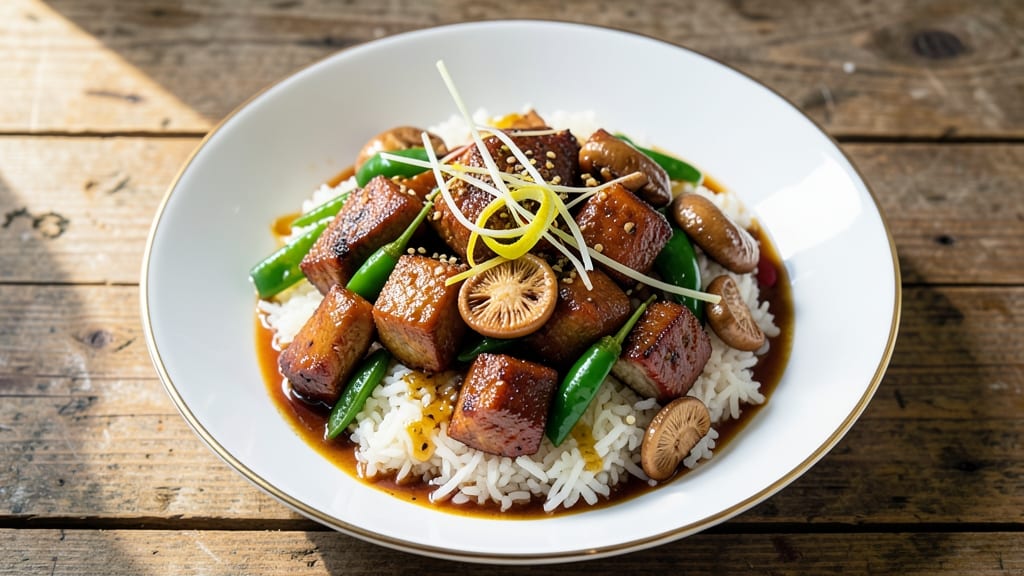
This Chinese pork stir fry recipe with rice delivers the wok-heated crispy edges and aromatic balance that make it a restaurant favorite. I've perfected it over years of testing—balancing tender pork, vibrant vegetables, and perfectly steamed rice in one pan.
The secret lies in high-heat stir-frying and a simple marinade that keeps the meat juicy while developing deep flavor.
What sets this recipe apart is the combination of traditional techniques with modern convenience. You'll achieve that signature crispy texture without needing a wok—just a sturdy skillet and proper timing.
The pork gets marinated in soy sauce, garlic, and ginger for just 15 minutes, while the vegetables stay fresh and crisp-tender from quick cooking. Every bite delivers that perfect harmony of savory, slightly sweet, and umami-rich flavors.
The result is a complete, satisfying meal with protein-packed pork, colorful vegetables, and fluffy jasmine rice all coming together in under 30 minutes. This isn't just another stir fry—it's a restaurant-quality dish that brings home-cooked authenticity to your dinner table.
The aroma alone will have everyone gathering around the table before the first bite.
Perfect for weeknight dinners or weekend family meals, this recipe scales beautifully while maintaining that essential balance of textures and flavors. Whether you're feeding two or six, the technique remains the same—just adjust the quantities. Let's get cooking! The crispy edges and fragrant rice will make it worth every minute.
Ingredients for chinese pork stir fry recipe with rice
These vibrant ingredients bring restaurant-style stir fry magic to your kitchen with crispy pork and fragrant rice.
| Ingredient | Amount | Notes |
|---|---|---|
| Boneless Pork Loin 🥩 | 1 ½ lb | Cut into 1-inch cubes |
| Jasmine Rice 🍚 | 1 cup | Uncooked, long-grain |
| Low-Sodium Soy Sauce 🍶 | ½ cup | For marinade and stir-fry |
| Garlic Cloves 🧄 | 6 cloves | Minced for marinade |
| Fresh Ginger 🌿 | 2 tbsp | Grated, peeled |
| Sesame Oil 🫒 | 1 tbsp | For aroma, not cooking |
| Vegetable Oil 🫒 | ½ cup | High smoke point |
| Red Bell Pepper 🍆 | 1 whole | Cut into thin strips |
| Green Onions 🧅 | 4 whole | Cut into 1-inch pieces |
| Snow Peas 🌱 | 1 cup | Fresh or frozen |
| Cornstarch 🌾 | 1 tbsp | For crispy pork |
| White Pepper 🌶️ | ½ tsp | Freshly ground |
| Brown Sugar 🍬 | 1 tbsp | For marinade sweetness |
| Dried Shiitake Mushrooms 🍄 | 4 whole | Rehydrated, sliced |
The pork makes or breaks this dish—look for well-marbled loin at the meat counter, not pre-cut stir-fry strips. Costco or Whole Foods have the best quality, but your local butcher will work too. The secret? Marinate for exactly 15 minutes—any longer and it gets mushy, any shorter and the flavors won't develop. For the rice, jasmine from Trader Joe's is my go-to, but any long-grain works. The shiitake mushrooms? Buy dried and rehydrate—they keep for months and add incredible depth. Skip the pre-sliced veggies too; cutting your own ensures maximum crunch.
No boneless pork loin? Pork tenderloin works too, but trim all fat for even cooking. Running short on soy sauce? Coconut aminos at half the amount gives similar umami. Fresh ginger? Powdered works in a pinch, but it lacks that bright zing. The snow peas can be swapped for sugar snap peas or broccoli florets—just adjust cooking time. For extra crispiness, toss the pork cubes in 1 tbsp cornstarch before marinating. And if you're feeling fancy, add a splash of Shaoxing wine to the marinade for authentic flavor.
Marinated pork keeps 2 days in the fridge—use it for quick weeknight meals. The rice reheats beautifully, but steam fresh portions for that perfect texture. Store cooked stir fry in airtight containers for 3 days or freeze for 3 months. Pro tip: Portion the rice separately so it stays fluffy when reheating. And save those leftover veggies—they make killer fried rice the next day!
Why You'll Love This Recipe
- One-Pan Magic: I swear by this recipe when I’m too tired to wash dishes. Sear the pork, toss in the garlic-ginger mix, and let the soy sauce work its magic—no extra pans, no stress. That crispy sear on the pork? Worth every second.
- Umami Bomb: The low-sodium soy sauce cuts through the pork’s richness while the fresh ginger and garlic add layers of warmth. Honestly, the first bite makes me close my eyes—it’s that good, even with basic ingredients.
- Lunchbox Hero: Between us, this is my go-to for meal prep. Cook a big batch of rice, stir-fry extra pork, and pack it all in containers. Cold or reheated, it’s still solid—my kids even ask for it on school days.
- Budget Win: Pork loin is cheaper than you’d think, and jasmine rice stretches further than white. I’ve fed four people for under $15, and the leftovers? Just as good the next day. Practical, delicious, and guilt-free.
Step-by-step instructions for Chinese pork stir fry with rice
Here's how to achieve that signature wok-heat texture with perfectly crispy pork and fragrant rice.
Marinate and Prep the Pork for Maximum Crispiness
Cut the 1.5 lb boneless pork loin into 1-inch cubes—uniform size ensures even cooking. In a bowl, combine the 0.5 cup low-sodium soy sauce, 1 tbsp brown sugar, 6 cloves minced garlic, 2 tbsp grated ginger, and 0.5 tsp white pepper. Add the pork and toss until fully coated. Let it marinate for at least 30 minutes (or up to 2 hours for deeper flavor).
While marinating, mix 1 tbsp cornstarch with 1 tbsp sesame oil in a small bowl. This coating will create that signature crispy exterior. After marinating, toss the pork in the cornstarch mixture until evenly dusted. The cornstarch acts as a barrier, preventing the pork from releasing moisture too quickly during stir-frying.
Cook the Jasmine Rice to Fluffy Perfection
Rinse the 1 cup jasmine rice under cold water until the water runs clear—this removes excess starch and prevents gummy rice. Combine the rice with 1.5 cups water in a pot and bring to a boil. Once boiling, reduce heat to low, cover, and simmer for 15 minutes. Turn off the heat and let it steam for another 10 minutes without lifting the lid.
This resting period allows the steam to distribute evenly, resulting in perfectly fluffy grains. Fluff the rice with a fork before serving—it should be light and separate, with no sticky clumps. If you're short on time, you can use a rice cooker, but stovetop gives you more control over the texture.
Stir-Fry the Pork Until Golden and Crispy
Heat 0.5 cup vegetable oil in a wok or large skillet over high heat until shimmering. Add the cornstarch-coated pork in a single layer—don't overcrowd the pan, or the pork will steam instead of sear. Let it cook undisturbed for 2-3 minutes until the edges turn golden brown and crispy. This is where the magic happens; resist the urge to stir too soon.
Once the pork is browned on one side, stir gently and cook for another 2-3 minutes until fully cooked through. The pork should be deep golden brown with crispy edges—this indicates the cornstarch has caramelized properly. Remove the pork from the wok and set it aside on a plate, leaving the rendered fat in the pan.
Stir-Fry the Vegetables in the Pork's Flavorful Oil
In the same wok, add 1 whole red bell pepper cut into thin strips, 4 whole green onions cut into 1-inch pieces, and 1 cup snow peas. Stir-fry for 3-4 minutes until the vegetables are bright green and slightly blistered. The residual pork fat in the pan will infuse the vegetables with incredible flavor.
Add the 4 rehydrated dried shiitake mushrooms (sliced) and stir-fry for another 1-2 minutes until everything is heated through. The shiitake mushrooms add an umami depth that balances the dish. If the vegetables start to stick, add a splash of water and scrape up any browned bits from the bottom of the pan—this adds layers of flavor.
Combine Everything for the Perfect Stir-Fry
Return the crispy pork to the wok and toss everything together for 1-2 minutes until evenly coated. The pork should still retain its crispy texture while absorbing the aromatic vegetables. Taste and adjust seasoning with a bit more low-sodium soy sauce if needed—you want a balance of sweet, savory, and umami.
Serve the stir-fry immediately over the fluffy jasmine rice, garnished with extra green onions. The contrast of the crispy pork, tender vegetables, and fragrant rice makes every bite satisfying. This dish is all about wok heat and texture—don't let it sit too long, or the pork will lose its crispiness. Enjoy while hot!
Pro Tips For Making Chinese Pork Stir Fry Recipe With Rice
- Slice Thin, Slice Even: I learned this the hard way—uneven pork means some bits overcook into rubber while others stay raw. Use a sharp knife and freeze the pork for 15 minutes first; it’ll slice cleaner and cook faster in the wok. Aim for ¼-inch thick pieces, no thicker.
- Marinate Pork in Soy Sauce Only: Skip the oil or cornstarch in the marinade—it’ll make your stir-fry greasy. Just toss the pork with low-sodium soy sauce and let it sit for 10 minutes. The salt breaks down the meat fibers, and the sauce clings better when you’re ready to cook.
- Cook Garlic and Ginger First: This isn’t just about flavor—it’s about texture. Sear the minced garlic and ginger in hot oil for 30 seconds until fragrant and just starting to brown. If you toss them in later, they’ll turn to mush and make the dish taste bland.
- Use Leftover Rice: Cold, day-old jasmine rice is your friend. It absorbs stir-fry sauces better than fresh rice, which turns mushy when reheated. If you’re short on time, cook extra rice the night before—it’ll save you from soggy grains later.
Troubleshooting perfect results
Pork Too Tender?
If your pork turns out mushy instead of crispy, it’s likely overcooked or marinated too long. The key is high heat and quick cooking—don’t skip the cornstarch coating or let the pork sit in the marinade beyond 2 hours.
For extra insurance, slice the pork slightly thinner (½-inch cubes) and cook in batches if needed. 🔥
Vegetables Overcooked?
Vegetables losing their crunch? They’re probably overcrowding the pan or cooking too long. Stir-fry in single layers over high heat and cook for no more than 3-4 minutes total.
Add harder veggies (like bell peppers) first—they take longer to soften. If using frozen snow peas, thaw them first to avoid excess moisture.
Sauce Too Salty?
Too much soy sauce? Balance it with a splash of water or rice vinegar (start with 1 tsp) to dilute the saltiness. For extra depth, add ½ tsp brown sugar to offset the salt. Always taste as you go—it’s easier to adjust than to fix oversalting later. 💡
Rice Too Sticky?
Gummy rice happens when starch isn’t rinsed properly or the rice is stirred while cooking. Rinse the rice until the water runs clear and avoid lifting the lid while cooking. For extra fluffiness, spread the rice on a tray after cooking to cool slightly before serving.
If it’s already sticky, fluff with a fork and add a pinch of salt to help separate the grains.
No Wok? No Problem
No wok? A heavy-bottomed cast iron skillet (like Lodge) works perfectly—just preheat it 3-4 minutes over high heat until smoking hot. A nonstick pan can work too, but avoid stirring constantly to prevent sticking. The secret is high heat and patience—don’t rush the cooking process.
Dried Mushrooms Too Chewy?
If your shiitake mushrooms stay tough, they likely didn’t rehydrate enough. Soak them in hot water for 20 minutes (not boiling) before slicing. For extra tenderness, slice them thinly and add them to the wok last for just 1-2 minutes of cooking.
If they’re still firm, toss them in a splash of soy sauce to help break down the fibers.
Nutrition facts
Frequently asked questions
Can I use chicken instead of pork in this stir fry?
Chicken breast or thigh works beautifully—just marinate it for 20-30 minutes (not longer, or it'll dry out). Use 1.5 lbs boneless chicken cut into 1-inch pieces and follow the same crispy cornstarch coating technique. Chicken cooks faster than pork, so stir-fry it for 3-4 minutes total until golden.
How do I make this dish spicier?
Add ½ tsp red pepper flakes or 1 tsp chili garlic sauce to the marinade for immediate heat. For deeper spice, toss in 1 tbsp sambal oelek with the vegetables during stir-frying. Balance with a pinch of sugar to prevent overpowering.
Can I prepare this ahead of time?
Marinate the pork up to 2 days ahead and store it in the fridge. Cook the stir-fry fresh for best texture, but you can assemble components separately: cook rice, crisp pork, and stir-fry veggies up to 1 day ahead. Reheat pork and veggies separately for 30 seconds in a hot pan to restore crispiness.
What's the best rice to use?
Jasmine rice is ideal for its fragrant aroma, but long-grain white rice or basmati work too. For extra flavor, cook rice in chicken or vegetable broth instead of water. Avoid short-grain rice (like sushi rice)—it becomes too sticky. Pro tip: Rinse rice until water runs clear to prevent gummy texture.
How do I make it less salty?
Use low-sodium soy sauce and reduce to ¼ cup total (half the recipe). Add 1 tbsp rice vinegar or 1 tsp honey to balance flavors. For extra umami without salt, add 1 tsp fish sauce or ½ tsp MSG to the stir-fry. Always taste as you go!