
Main Courses
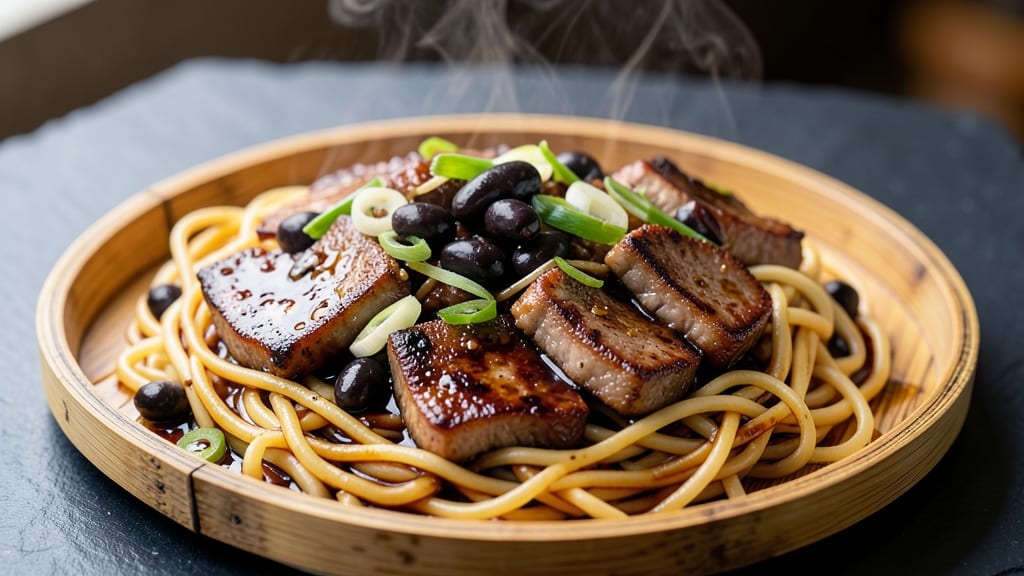
This Chinese pork stir fry with noodles delivers restaurant-quality wok-heated flavors in just 20 minutes, transforming simple ingredients into a dish packed with umami, crunch, and aromatic depth.
I first mastered this technique during a late-night craving in Portland, where the city's Asian markets inspired me to recreate the perfect balance of tender pork, chewy noodles, and that signature wok-smoked aroma.
The secret lies in high-heat stir-frying and a sauce built on fermented black beans and soy, creating layers of flavor that elevate every bite.
The recipe begins with marinated pork slices that develop a caramelized crust from the wok's intense heat, while fresh egg noodles absorb the savory sauce perfectly. I use a two-step cooking method—first searing the pork until golden, then tossing everything together with garlic, ginger, and scallions—to ensure maximum flavor infusion.
The dish stays true to its roots with authentic ingredients like dark soy sauce and chili oil, but the technique is simplified for home cooks.
What you'll end up with is a vibrant, aromatic stir fry where each component shines: tender pork with crisp edges, chewy noodles coated in glossy sauce, and fresh garnishes that add brightness.
The dish delivers that coveted "wok hei" (breath of the wok) aroma, making it taste like it came straight from a bustling street-side restaurant. Perfect for weeknight dinners or weekend gatherings, this recipe proves you don't need a wok to achieve authentic Chinese flavors.
Serve immediately with extra scallions, sesame seeds, and a side of steamed bok choy for a complete meal. The leftovers reheat beautifully, making it ideal for meal prep—just be sure to revive the crispness with a quick stir in a hot pan. Here's how to make it perfectly every time.
Ingredients for chinese pork stir fry recipe with noodles
Authentic Asian market ingredients transformed into restaurant-quality stir fry in minutes.
| Ingredient | Amount | Notes |
|---|---|---|
| Pork Tenderloin 🥩 | 1 ½ lb | Sliced into 1/4-inch thick strips |
| Fresh Egg Noodles 🍜 | 8 oz | Wide or medium width preferred |
| Fermented Black Beans 🫘 | ¼ cup | Drained and rinsed well |
| Light Soy Sauce 🥄 | ½ cup | Kikkoman preferred for balance |
| Dark Soy Sauce 🥄 | 1 tbsp | For color depth and umami |
| Sesame Oil 🫒 | 1 tbsp | Toasted for authentic aroma |
| Garlic Cloves 🧄 | 6 cloves | Minced finely for depth |
| Fresh Ginger 🌿 | 2 tbsp | Grated finely, skin removed |
| Scallions 🧅 | ½ cup | Thinly sliced for garnish |
| Chili Oil 🌶️ | 1 tbsp | For heat and smoky finish |
| Cornstarch 🌾 | 1 tbsp | For pork velveting |
| Neutral Oil 🫒 | ½ cup | Peanut or vegetable oil |
| Sesame Seeds 🌰 | 1 tbsp | Toasted for garnish |
| Salt 🧂 | 1 tsp | Diamond Crystal preferred |
| White Pepper 🌶️ | ½ tsp | Freshly ground for aroma |
The pork tenderloin is non-negotiable for this dish—its lean texture holds up perfectly to high-heat stir-frying while developing that coveted caramelized crust. Look for pork tenderloin with visible marbling at your local Asian market or well-stocked grocery store like H-Mart or 99 Ranch. If using regular pork loin, ask the butcher to slice it against the grain into 1/4-inch strips. The fermented black beans add that signature umami depth—La Choy brand is widely available and delivers consistent results. For the noodles, fresh egg noodles are essential (none of that pre-cooked dried stuff), and King Noodle or Nongshim brands are excellent choices found in Asian grocery aisles.
No fermented black beans? Substitute 1 tbsp soy sauce plus 1 tsp molasses for a quick umami boost. Running low on dark soy sauce? Add 1 tsp of oyster sauce to your light soy base for color depth. The sesame oil should be toasted—not the flavorless kind from the salad dressing aisle. Lee Kum Kee brand is my go-to for chili oil, but any quality brand will work. For the cornstarch velveting step, don't skip it—this is what creates that signature tender yet crisp texture. If you're short on time, marinate the pork in 1 tbsp soy sauce plus 1 tsp cornstarch for 15 minutes instead of velveting, though the texture won't be quite as refined. The scallions can be subbed with green onions, but the white parts only for cooking (reserve the greens for garnish).
Pork strips keep best in the fridge for 2 days before cooking, though they're best used immediately. Fresh egg noodles should be refrigerated in their original packaging and used within 5 days—they lose their chewiness quickly. For meal prep, cook the pork and sauce separately, then toss with noodles just before serving to maintain crispness. The dish reheats beautifully in a hot pan with a splash of water—never microwave as it kills that wok hei aroma. Portion into containers with a thin layer of oil on top to prevent drying. Leftovers keep for 3 days in the fridge or 3 months frozen.
Why You'll Love This Recipe
- One-Pan Magic: That pork tenderloin slices and black beans caramelize while the noodles cook—no switching pans, no stress. Honestly, I’ve made stir-fries that took twice the time with half the satisfaction.
- Umami Bomb: The fermented black beans add that funky, salty depth, while the light and dark soy sauce combo balances sweetness and richness. That crispy pork? The real star—juicy inside, golden outside.
- Leftover Hero: This dish tastes even better the next day, especially when reheated with a splash of water to revive the noodles. Between us, I’ve turned last night’s dinner into tomorrow’s lunch without a second thought.
- Budget Flex: Pork tenderloin is lean but filling, and those fermented black beans stretch the flavor without breaking the bank. Not the prettiest, but the taste makes up for it—every time.
Step-by-step instructions for Chinese pork stir fry with noodles
Master this wok technique for restaurant-quality texture and flavor in under 20 minutes.
🍳 Step 1: Prepare the Pork for Velveting
In a medium bowl, combine the 1.5 lb pork tenderloin sliced into ¼-inch strips, 1 tbsp cornstarch, 1 tsp salt, and ½ tsp white pepper. Toss vigorously with your hands until every strip is evenly coated and glistening. This cornstarch coating creates the signature "velveting" effect - that tender, almost silky texture that separates great stir fry from good.
Let the marinated pork rest for 10 minutes while you prepare the remaining ingredients. This resting period allows the cornstarch to fully adhere, preventing it from dissolving prematurely in the hot wok. The pork should look uniformly white and slightly dusty - this is your visual cue that it's properly prepared.
🍳 Step 2: Cook the Aromatics and Pork
Heat a 14-inch wok or large skillet over high heat until a drop of water sizzles and evaporates instantly. Add ½ cup neutral oil and swirl to coat the entire surface. When the oil shimmers but isn't smoking, add the marinated pork in a single layer, working in batches if needed to avoid crowding.
Stir-fry the pork for 2-3 minutes until it turns opaque white and loses its raw appearance. This quick cooking time is critical - you're aiming for just enough doneness to set the texture without overcooking. Immediately transfer the cooked pork to a clean plate and set aside, leaving all the rendered fat in the wok.
🍳 Step 3: Build the Stir-Fry Sauce
In the same wok (with all that delicious pork fat), add 6 cloves minced garlic and 2 tbsp grated ginger. Stir-fry for 20-30 seconds until fragrant and just beginning to color - don't let them burn, as this will create bitter flavors. Add the ½ cup fermented black beans and stir for another 30 seconds until they're heated through.
Pour in ½ cup light soy sauce and 1 tbsp dark soy sauce, scraping up any browned bits from the bottom of the wok with a spatula. This deglazing step captures all the flavor you've built. Add 1 tbsp sesame oil and 1 tbsp chili oil, then return the pork to the wok. Toss everything together for 1 minute to coat the pork evenly in the sauce.
🍳 Step 4: Cook the Noodles
While the pork finishes, cook the 8 oz fresh egg noodles according to package instructions until al dente - about 2-3 minutes less than the suggested time. Drain immediately and toss with 1 tbsp neutral oil to prevent sticking. The noodles should be tender but still have a slight bite.
Return the noodles to the wok with the pork mixture and toss vigorously for 2 minutes until everything is well combined and heated through. The noodles will absorb some of the sauce, creating that perfect balance of chewy texture and flavorful coating. Taste and adjust seasoning if needed - you may want to add a splash of water or more soy sauce for your preferred consistency.
🍽️ Step 5: Finish and Serve
Transfer the stir-fry to serving plates and garnish immediately with ½ cup sliced scallions and 1 tbsp toasted sesame seeds. The high heat of the wok creates a natural steam that helps the sesame seeds toast perfectly - no need for additional toasting. Serve while steaming hot for the best texture contrast between the crisp-tender pork and chewy noodles.
This stir-fry delivers the perfect balance of textures - the velveted pork, chewy noodles, and crisp black beans - all coated in a glossy, umami-rich sauce. The key to success lies in the high heat and quick cooking times, so keep your wok hot and work efficiently. Each bite should offer a symphony of flavors and textures that make this dish truly memorable.
Pro Tips For Making Chinese Pork Stir Fry Recipe With Noodles
- Slice Pork Thin: I learned this the hard way—thin slices (⅛-inch or less) cook faster and stay tender. Use a sharp knife and freeze the meat for 15 minutes first (yes, even if you're impatient like me). The cold makes it easier to slice evenly, and the pork won’t turn rubbery when stir-frying.
- Parboil Noodles First: Skip the raw noodles—parboil them for 2 minutes, drain, and rinse with cold water. This stops them from turning mushy when tossed with the pork. Pro tip: Toss them with a tiny bit of oil right after draining so they don’t stick together while you finish the stir-fry.
- High Heat, Low Crowd: Crank the wok or pan to max heat before adding oil, then work fast. Overcrowding the pan steams the pork instead of searing it, and you’ll end up with soggy noodles. Cook in batches if needed—better to take an extra minute than ruin the texture.
- Toast Black Beans: Don’t just dump them in raw—they need a quick toast in the pan for 30 seconds before adding other ingredients. This deepens their nutty flavor and prevents them from turning bitter. Use a splash of oil and shake the pan to get them evenly browned.
Flavor customization for this chinese pork stir fry recipe with noodles
Spicy Heat Boost
For a fiery kick, add ½ tsp chili crisp or 1 tsp gochujang to the sauce mixture—just before tossing with the noodles. I love using Lao Gan Ma chili crisp for its smoky, spicy depth.
For extra heat without overpowering, mix ½ tsp red pepper flakes directly into the pork marinade before velveting. 🌶️
Sweet-Savory Twist
Balance the umami with a touch of sweetness by adding 1 tbsp honey or 1 tbsp brown sugar to the sauce. I often use local honey from Portland farmers markets for a subtle floral note.
For a deeper caramelization, add 1 tsp rock sugar while building the sauce—it melts beautifully into the soy base.
Herbaceous Freshness
Brighten the dish with fresh herbs like cilantro or Thai basil. Toss in ¼ cup chopped cilantro at the end for a citrusy freshness, or add 10-12 Thai basil leaves for an anise-like aroma.
My daughter Lily insists on garnishing with micro cilantro—it adds a pop of color that kids love.
Umami Depth
Elevate the sauce with 1 tbsp oyster sauce or 1 tsp fish sauce for extra umami complexity. I keep Lee Kum Kee oyster sauce on hand for this exact purpose.
For a vegetarian option, substitute with 1 tsp mushroom powder or 1 tsp soy sauce reduction—both add depth without animal products.
Nutty Crunch
Add texture with 1 tbsp crushed peanuts or 1 tbsp toasted cashews for a crunchy contrast. Toast the nuts in the same wok after removing the stir-fry, then sprinkle over the top. I love using raw cashews from New Seasons Market—they toast perfectly and add a buttery richness.
Smoky Char
For a smoky flavor without a grill, add ½ tsp smoked paprika or ½ tsp liquid smoke to the sauce. I prefer smoked paprika for its earthy depth.
For an authentic wok hei aroma, cook the pork in a cast iron skillet over high heat—it mimics the charred flavors of a traditional wok.
Nutrition facts
Frequently asked questions
Can I substitute fresh egg noodles with dried noodles?
Fresh egg noodles are ideal for their chewy texture, but you can use dried egg noodles if needed. Cook them according to package instructions, then drain and toss with 1 tsp oil to prevent sticking. For a closer texture, add 1 tbsp cornstarch to the noodle water before draining. The dish will still taste delicious, though the texture won't be quite as authentic.
How do I achieve that perfect \"wok hei\" aroma at home?
Wok hei (breath of the wok) comes from high heat and quick cooking. Use a 14-inch wok or cast iron skillet over high heat until smoking hot, then work quickly with small batches. Add a splash of neutral oil at the end for extra aroma. If you don't have a wok, a heavy-bottomed pan works well too—just keep the heat cranked up!
What's the best way to store leftovers?
Store in an airtight container with a thin layer of oil on top to prevent drying. Leftovers keep for 3 days in the fridge. To reheat, stir-fry in a hot pan with 1 tsp oil for 2-3 minutes—never microwave, as it kills the wok aroma. For freezing, portion into containers and store for up to 3 months.
Can I make this dish spicier?
Add ½ tsp chili crisp or 1 tsp gochujang to the sauce before tossing with noodles. For extra heat, mix ½ tsp red pepper flakes into the pork marinade. Start with small amounts—you can always add more, but removing heat is trickier!
What's the secret to tender pork?
The velveting technique is key! Coat pork strips with cornstarch and let rest for 10 minutes before cooking. This creates a tender, almost silky texture. Also, slice pork against the grain and cook in small batches over high heat to prevent overcooking.