
Sauces & Condiments
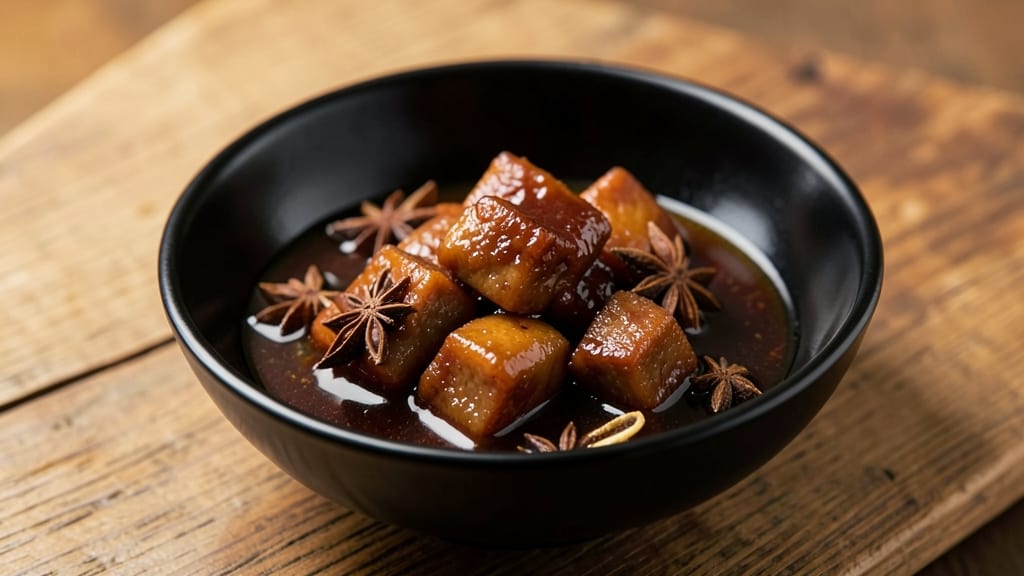
This Chinese pork sauce recipe transforms simple stir-fries and dumplings into restaurant-quality meals with its deep umami flavor and perfect balance of sweet, tangy, and savory notes.
The secret lies in simmering aromatics like star anise and ginger until they release their full complexity, then reducing the sauce to a glossy, concentrated glaze. I developed this version after years of testing—it's the one that finally delivers that signature Chinese restaurant taste at home without any shortcuts.
The sauce begins with a base of soy sauce and hoisin, which provide the foundational umami and depth. Adding honey or brown sugar creates that signature caramelized richness, while rice vinegar brightens the flavors and balances the sweetness.
Garlic and ginger infuse the sauce with aromatic warmth, and a touch of sesame oil at the end adds a nutty finish that ties everything together. The reduction process is where the magic happens—this isn't just a quick mix, it's a sauce that develops layers of flavor as it simmers.
What you'll end up with is a glossy, sticky glaze that's perfect for tossing with stir-fried pork, brushing onto dumplings, or serving as a dipping sauce. The texture is just right—thick enough to cling to food but still pourable for dipping.
One batch makes enough to coat multiple meals, and it keeps well in the refrigerator for up to two weeks, making it ideal for meal prep. The sauce's versatility means you can use it in everything from quick weeknight dinners to impressive takeout-style dishes.
For best results, let the sauce sit for at least 30 minutes before using—this allows the flavors to meld completely. If you're short on time, even 10 minutes of resting will improve the taste.
The sauce can also be frozen for up to three months, though the texture may change slightly upon thawing. Whether you're glazing crispy pork belly or dipping spring rolls, this sauce will elevate your cooking to the next level with minimal effort.
Ingredients for chinese pork sauce
Nine ingredients, one sauce—this umami-packed glaze transforms simple dishes into restaurant-quality meals.
| Ingredient | Amount | Notes |
|---|---|---|
| Dark Soy Sauce 🍶 | ½ cup | For deep umami flavor |
| Light Soy Sauce 🍶 | ¼ cup | Balances the richness |
| Hoisin Sauce 🍶 | ¼ cup | Adds sweet and spicy depth |
| Brown Sugar 🍯 | ¼ cup | Caramelized sweetness |
| Rice Vinegar 🍶 | ¼ cup | Brightens the sauce |
| Garlic Cloves 🧄 | 6 cloves | Minced for aromatic punch |
| Fresh Ginger 🌿 | 2 tbsp | Grated, for zesty warmth |
| Star Anise Pods 🌟 | 2 whole | Infuses deep aroma |
| Sesame Oil 🫒 | 1 tbsp | Toasted for nutty finish |
| Cornstarch 🌾 | 1 tbsp | Dissolved in 2 tbsp water |
Star anise and ginger are the flavor anchors here. Look for whole star anise pods at Asian markets—they're fresher than pre-ground spices. Trader Joe's carries great ginger, but any fresh root works if you grate it yourself. The brown sugar should be light, not dark—it dissolves better and keeps the sauce from getting too thick. I always double-check my soy sauces: Kikkoman for light and Lee Kum Kee for dark. Hoisin? Lee Kum Kee is the gold standard, but any good brand will do. Fresh garlic and ginger make all the difference—don't skip the grating step, even if it takes 30 seconds extra.
No hoisin? Substitute with 1 tbsp soy sauce plus 1 tbsp honey—it won't be identical, but it works in a pinch. Star anise too strong? Skip it entirely—the sauce will still taste amazing. Running low on rice vinegar? Apple cider vinegar at half the amount gives similar brightness. The cornstarch slurry is non-negotiable for that perfect glossy texture—don't try to thicken it another way. Want extra depth? Add 1 tsp fish sauce (if not vegetarian) or 1 tsp soy sauce for plant-based versions. The sesame oil goes in last—always toast it first by heating gently in a small pan for 30 seconds.
This sauce tastes even better the next day once the flavors meld. Store it in an airtight jar in the fridge for up to 2 weeks. For longer storage, freeze in ice cube trays—thaw and reheat gently. I make double batches all the time—one for immediate use, one to freeze. The sauce reheats beautifully—just warm it on the stove over medium-low heat, stirring constantly. If it thickens too much, add a splash of water. Perfect for glazing pork, brushing dumplings, or dipping spring rolls—your whole meal will thank you.
Why You'll Love This Recipe
- I’ll be real: I’ve burned dinner more times than I’ll admit. But this sauce? Even if I mess up the timing, the flavors still come together. Toss it with pre-cut pork, let it simmer, and boom—dinner’s done. No stress, no fuss, just reliable, crave-worthy results.
- Pantry Magic: I swear by this sauce because it’s the kind of recipe that doesn’t demand a shopping trip. Dark soy for depth, light soy for brightness, hoisin for that sticky-sweet edge—all things I already keep on hand. No fancy ingredients, just pure flavor from what’s already lurking in my cupboard.
- Sweet-Savory Balance: That first bite? Chef’s kiss. The brown sugar caramelizes just enough to cut through the saltiness of the soy, while the rice vinegar adds this bright, almost tangy lift. It’s rich but never heavy—like a hug from a wok.
- Leftovers That Lie: Between us, this sauce gets better the second day. I make a double batch, toss it with rice and veggies for lunch, then use the rest to glaze pork chops or stir-fry scraps. It’s my secret weapon for turning random proteins into something special without extra effort.
Step-by-step instructions for Chinese pork sauce
This umami-packed sauce comes together in minutes with bold flavors you'll crave.
Prepare the Aromatics and Star Anise
In a small bowl, finely mince the 6 cloves garlic and grate the 2 tablespoons fresh ginger using a microplane or fine grater. The goal is to create a paste-like consistency—this ensures maximum flavor infusion. In a separate bowl, lightly crush the 2 whole star anise pods with the side of a knife to release their essential oils without breaking them apart. These aromatic elements form the flavor foundation of the sauce.
I like to toast the star anise pods briefly in a dry skillet over medium heat for 30 seconds—just until fragrant. This step deepens their flavor profile and makes them more potent when infused into the sauce. Transfer them to a small spice bag or wrap them in cheesecloth for easy removal later.
Combine Wet Ingredients and Simmer
In a medium saucepan, combine the 0.5 cup dark soy sauce, 0.25 cup light soy sauce, 0.25 cup hoisin sauce, 0.25 cup brown sugar, and 0.25 cup rice vinegar. Stir well to dissolve the brown sugar completely—it should look like a smooth, glossy liquid. Place the saucepan over medium-high heat and bring to a gentle boil.
Once boiling, reduce the heat to medium-low and let it simmer for 5-7 minutes until the mixture thickens slightly. You're looking for a syrupy consistency that coats the back of a spoon. This is where the flavors start melding together—don't walk away. The sauce should reduce by about 20% during this time, becoming darker and more concentrated.
Add Aromatics and Star Anise
Add the minced garlic, grated ginger, and the toasted star anise (either in the spice bag or wrapped in cheesecloth) to the simmering sauce. Stir gently and let it cook for another 3-4 minutes. You'll notice the sauce becomes even more aromatic—those garlic and ginger flavors will infuse beautifully.
Here's the thing—don't let the sauce boil vigorously after adding the aromatics. A gentle simmer is key to preventing the garlic from burning and the ginger from becoming bitter. The star anise will gently perfume the sauce without overpowering it. After 3-4 minutes, remove the star anise (discard the bag or cheesecloth) and set it aside.
Finish with Sesame Oil and Thicken
In a small bowl, dissolve the 1 tablespoon cornstarch in 2 tablespoons cold water—stir until completely smooth. This slurry is what will give your sauce that perfect glossy finish. Return the sauce to a gentle simmer and slowly pour in the cornstarch mixture while stirring constantly with a wooden spoon or silicone spatula.
Stir vigorously for 1-2 minutes until the sauce thickens to a glossy, coatable consistency. It should be thick enough to lightly coat the back of a spoon but still flow smoothly. In the final 30 seconds of cooking, turn off the heat and stir in the 1 tablespoon sesame oil. This adds that nutty, toasty depth that makes the sauce truly sing.
Cool and Adjust to Perfection
Let the sauce cool for 5-10 minutes—this allows the flavors to fully meld and the thickness to set properly. Taste and adjust the seasoning if needed. If it's too sweet, add a splash more rice vinegar. If it needs more saltiness, add a pinch of light soy sauce. The sauce should be perfectly balanced—sweet, tangy, umami-rich, and aromatic.
This sauce is incredibly versatile. Use it as a glaze for stir-fries, a dipping sauce for dumplings, or a marinade for pork. Store any leftovers in an airtight container in the refrigerator for up to 1 week, or freeze for 3 months. The flavors actually improve over time as they continue to develop!
Pro Tips For Making Chinese Pork Sauce
- Bloom the Soy Sauces: Stir in your dark and light soy sauces first, then let them sit for 30 seconds before adding anything else. This lets the flavors meld and deepens the color—no one wants a sauce that looks like weak tea. (Yes, even if you’re impatient like me.)
- Balance the Sweet Early: Taste your sauce before adding all the brown sugar. Hoisin and dark soy already pack sweetness—if you dump in the full amount upfront, you’ll end up with something cloying. Start with half, then adjust.
- Simmer, Don’t Boil: Keep the heat low once everything’s combined. A rolling boil reduces rice vinegar too fast, turning your sauce sharp and unbalanced. A gentle simmer lets flavors marry without losing brightness.
- Use Real Vinegar: Skip the cheap white vinegar substitute. Rice vinegar’s mild tang and subtle fruitiness cut through the richness of hoisin and pork—nothing else comes close. (Trust me, I’ve tried.)
Serving suggestions for chinese pork sauce
Glazed Pork Dishes
Use this sauce to create a stunning char siu-style pork belly—simmer 2 lbs pork belly in 2 cups water with 1 tbsp baking soda for 30 minutes to tenderize, then brush generously with sauce.
Roast at 375°F for 45 minutes until caramelized. For extra shine, broil for 2-3 minutes at the end. 🔥
Dumpling Dippers
Serve with steamed pork and chive dumplings or shrimp dumplings for an authentic takeout experience. Warm 1 cup sauce in a small saucepan over low heat until bubbly, then drizzle over dumplings or use as a dipping sauce.
For a restaurant touch, sprinkle with toasted sesame seeds and sliced green onions.
Stir-Fry Sauce Base
Toss 1 lb sliced pork tenderloin with 1 tbsp cornstarch and 1 tbsp oil, then stir-fry in a hot wok until browned. Deglaze with ¼ cup water, then pour in ½ cup sauce>.
Add 1 cup bell peppers and snap peas, stir-fry for 3-4 minutes, and finish with 1 tbsp sesame oil. Garnish with cilantro.
Spring Roll Dip
Warm ½ cup sauce with 1 tbsp water until steaming, then drizzle over fried spring rolls or egg rolls. For extra richness, mix 1 tbsp hoisin sauce into the warm glaze. Serve with cucumber slices and carrot sticks for crunch. This combo is perfect for appetizers or family-style meals.
Rice Bowl Topper
Drizzle 2 tbsp sauce over steamed jasmine rice with sliced grilled pork, steamed bok choy, and fried shallots. For a heartier bowl, add soft-boiled eggs and crispy fried garlic. The sauce's sweet-savory balance complements the rice perfectly, making every bite cohesive. ✨
Marinade Magic
Use ½ cup sauce as a marinade for pork chops or pork tenderloin. Coat meat thoroughly, cover, and refrigerate for 4-6 hours (or overnight). Grill or pan-sear until internal temp reaches 145°F, then brush with extra sauce. The marinade infuses deep flavor while keeping meat juicy.
Nutrition facts
Frequently asked questions
Can I make this sauce without hoisin?
Yes! For a quick substitute, mix 1 tbsp soy sauce with 1 tbsp honey—it won't be identical but works in a pinch. The sauce will still have depth, though the authentic fermented complexity of hoisin will be missing. For a closer match, try 1 tbsp soy sauce + 1 tsp molasses instead.
How do I prevent the sauce from getting too thick?
If your sauce thickens too much during cooking, simply add 1-2 teaspoons of warm water while stirring. The cornstarch slurry is what creates the glossy texture, but you can adjust it by reducing the cornstarch slightly (try ½ tbsp instead of 1 tbsp) if you prefer a thinner consistency. Always simmer gently to avoid over-thickening.
Can I use this sauce in non-pork dishes?
This versatile sauce works beautifully with chicken, tofu, or even seafood like shrimp or scallops. The umami-rich flavors complement proteins well. For vegetarian dishes, reduce the soy sauce slightly (by ½ tbsp) to balance the saltiness.
Why does my sauce taste bitter?
Bitterness usually comes from overcooking the garlic or ginger. Simmer gently after adding these aromatics—never let it boil vigorously. If it's already bitter, balance it with ½ tsp more brown sugar or a splash of rice vinegar. Fresh ingredients are key: use recently grated ginger (not dried) and minced garlic (not pre-minced).
How long can I store this sauce?
Store in an airtight container in the fridge for up to 2 weeks. For longer storage, freeze in ice cube trays—thaw and reheat gently over low heat. The texture may thin slightly after freezing, but the flavor remains rich. Label with the date to track freshness.