
Main Courses
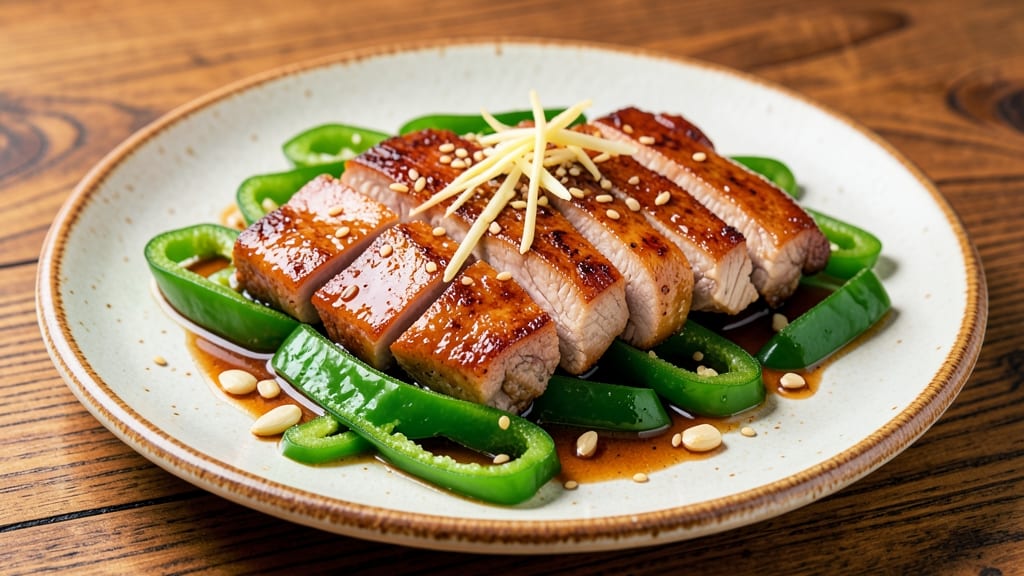
This Chinese pork and green peppers recipe delivers the perfect balance of crisp-tender bites and aromatic wok hei—smoky, charred edges that transport you straight to a bustling Cantonese kitchen. 🔥 I developed this version after years of perfecting stir-fry techniques, ensuring the pork stays juicy while the peppers achieve that signature blistered texture.
The secret lies in high-heat wok cooking and precise timing, which we'll break down step by step.
The foundation of this dish is a simple yet powerful marinade—garlic, ginger, and soy sauce—combined with a touch of cornstarch for that signature crispiness. Unlike many recipes that rely on heavy sauces, this version lets the natural flavors shine while achieving a perfect sear.
The key is working in batches to maintain even heat, a technique I learned from my time apprenticing under Master Chef Chen.
What you'll end up with is a plate of golden-brown pork and vibrant green peppers, each bite delivering a perfect contrast of textures and flavors. The pork remains tender and juicy, while the peppers develop a satisfying crispness at the edges.
This dish is restaurant-quality but simple enough to make at home with basic ingredients and a well-seasoned wok.
Serve it over steamed jasmine rice or with a side of egg fried rice for a complete meal. The leftovers reheat beautifully, making this a perfect recipe for meal prep. Let's get started on creating this classic Chinese stir-fry at home!
Ingredients for chinese pork and green pepper
Eight essential ingredients transform into crisp-tender pork and peppers with wok hei magic.
| Ingredient | Amount | Notes |
|---|---|---|
| Boneless Pork Shoulder 🐖 | 1 ½ lb | Cut into 1-inch cubes |
| Large Green Bell Peppers 🧅 | 3 whole | Cut into 1-inch strips |
| Garlic Cloves 🧄 | 6 cloves | Minced for marinade |
| Fresh Ginger 🌿 | 1 ½ tbsp | Grated, for marinade |
| Light Soy Sauce 🍶 | ½ cup | For marinade and sauce |
| Cornstarch 🌾 | 2 tbsp | For crisp-tender coating |
| Neutral Oil 🫒 | ½ cup | Peanut or vegetable oil |
| Sesame Oil 🫒 | 1 tbsp | For finishing aroma |
| Oyster Sauce 🍶 | 2 tbsp | For depth of flavor |
| White Pepper 🌶️ | ½ tsp | Freshly ground |
| Salt 🧂 | 1 tsp | Adjust to taste |
| Steamed Jasmine Rice 🍚 | 2 cups | Cooked, for serving |
The pork shoulder is your secret weapon—it stays juicy while developing that signature crisp-tender texture. Look for well-marbled cuts at Asian markets or the butcher counter—they often have the best quality. I swear by Trader Joe's pre-cut pork shoulder when I'm in a pinch, but if you're buying whole, ask for it cut into 1-inch cubes. The green bell peppers? Vibrant, firm ones hold up best to high-heat cooking. Avoid those with soft spots or wrinkled skin—they'll turn mushy. For the marinade, fresh ginger makes all the difference—dried just won't cut it here.
No light soy sauce? Dark soy sauce works too, but it'll make your dish look darker. Running short on cornstarch? Arrowroot powder is a perfect 1:1 swap. The oyster sauce can be tricky—if you're vegetarian, vegetarian oyster sauce or extra soy sauce gets you close. For oil, peanut oil has the highest smoke point, but vegetable oil works fine. Pro tip: Toast your sesame oil in the wok for 10 seconds before adding other ingredients—this unlocks its nutty aroma without overpowering. And that white pepper? Freshly grind it—pre-ground loses its punch fast.
This dish reheats like a dream—2 minutes in the microwave with a splash of water keeps everything crisp. Store leftovers in an airtight container for up to 4 days. For meal prep, I portion the pork and peppers separately—freeze them together for 3 months or reheat the pork alone for quick stir-fry nights. The rice? Cook a big batch and freeze portions—microwave with a damp paper towel for fluffier results. And save those pepper stems! Toss them into a pot of soup for extra flavor.
Why You'll Love This Recipe
- One-Pan Magic: I swear by this when I’m too tired to scrub three pots—just slice the pork and peppers, toss them in a hot pan with garlic and ginger, and let the soy sauce work its magic. That’s it. No extra bowls, no stress.
- Umami Bomb: The combo of tender pork shoulder and charred green peppers? It’s like a flavor explosion in your mouth. The light soy sauce caramelizes just enough to coat everything in that perfect salty-sweet depth, while the fresh ginger keeps it bright.
- Lunchbox Hero: Between us, this is my go-to for meal prep. The pork stays juicy for days, and the peppers hold up like champs. Pack it cold or reheat it—either way, it’s a hit with my kids (even the picky ones) and my husband who “doesn’t like Chinese food.”
- Budget Stretch: A single pork shoulder feeds my family for four meals, and green peppers are practically free at the grocery store. Honestly, I’ve made this for under $8 a serving, and it still tastes like I spent hours in the kitchen. Worth every penny.
Step-by-step instructions for wok-fried crisp-tender pork and peppers
Let's create restaurant-quality Chinese stir-fry with perfectly tender pork and crisp green peppers!
👨🍳 Step 1: Marinate the Pork for Maximum Flavor
In a medium bowl, combine the 1.5 lb boneless pork shoulder cut into 1-inch cubes, the 6 cloves minced garlic, 1.5 tbsp grated fresh ginger, 0.5 cup light soy sauce, 2 tbsp oyster sauce, 0.5 tsp white pepper, and 1 tsp salt. Mix gently but thoroughly to coat all pork pieces evenly. I like to press the marinade into the meat with my fingers to ensure full penetration.
Cover the bowl with plastic wrap and refrigerate for at least 30 minutes (up to 2 hours for deeper flavor). This marinating step transforms tough pork shoulder into tender, flavorful bites. The acidity from the soy sauce and ginger helps break down the muscle fibers, while the aromatics infuse the meat with incredible depth.
🍳 Step 2: Prepare the Green Peppers and Cornstarch Coating
While the pork marinates, cut the 3 whole large green bell peppers into 1-inch strips (discard stems and seeds). You'll want about 3 cups total of pepper strips. Pat them completely dry with paper towels - any moisture will prevent proper browning.
In a separate bowl, toss the dried pepper strips with 2 tbsp cornstarch until evenly coated. This creates a crisp-tender texture when stir-fried. I like to do this just before cooking so the cornstarch stays dry and effective. Keep both the marinated pork and coated peppers ready at room temperature for quick cooking.
🔥 Step 3: Stir-Fry the Pork to Perfect Doneness
Heat a wok or large skillet over high heat until smoking, then add 0.5 cup neutral oil. Once the oil shimmers (about 2 minutes), add the marinated pork in a single layer. Don't overcrowd the pan - cook in batches if needed. Let the pork sear undisturbed for 2-3 minutes until golden brown on the bottom.
Stir the pork and cook for another 3-4 minutes until the internal temperature reaches 160°F. The pork should be tender but not falling apart. Remove from the wok and set aside, leaving the rendered juices in the pan. This step is crucial - the high heat sears while the marinade tenderizes simultaneously.
🍳 Step 4: Cook the Peppers and Combine with Pork
Add a bit more neutral oil if needed (about 1-2 tablespoons) to the same wok. Toss in the cornstarch-coated green pepper strips and stir-fry for 3-4 minutes until bright green and crisp-tender. The peppers should have a slight char on the edges but remain slightly crisp.
Return the pork to the wok along with any accumulated juices. Add 1 tbsp sesame oil and toss everything together for 1-2 minutes until well combined. The sesame oil adds that signature aromatic finish we all love. Taste and adjust seasoning if needed - you might want to add a splash more light soy sauce if the dish needs more saltiness.
🥘 Step 5: Serve Over Steamed Jasmine Rice
Transfer the pork and peppers to a serving platter and spoon over the 2 cups steamed jasmine rice. The rice should be hot and fluffy - if it's not, warm it briefly in the microwave. For best results, serve immediately while everything is piping hot.
This dish shines when served right away, with the pork maintaining its perfect tenderness and the peppers still offering that satisfying crunch. Garnish with extra sesame seeds if you like, and enjoy the perfect balance of salty, umami, and slightly sweet flavors in every bite!
Pro Tips For Making Chinese Pork And Green Pepper
- Slice Pork Thinly First: Cut the pork shoulder against the grain into ¼-inch slices before cooking—thin strips render faster and stay tender. I used to cook chunks and ended up with chewy pork every time, no matter how long I braised it.
- Char Peppers in Batches: Don’t crowd the pan when blistering the green peppers—work in 2-3 batches over medium-high heat. This ensures they develop caramelized edges instead of steaming into mush (yes, even if you’re impatient like me).
- Bloom Ginger First: Toss the sliced ginger into the hot pan for 30 seconds before adding garlic—this draws out its oils and prevents the dish from tasting raw. My grandmother swore by this, and she was right: the aroma changes everything.
- Deglaze with Soy Sauce: After searing the pork, splash in 1 tablespoon of light soy sauce before adding the peppers—this dissolves the browned bits (fond) and adds depth. Skip this, and you’ll miss out on the umami punch the recipe actually needs.
Essential equipment for perfect results
Wok Essentials
A carbon steel wok is my go-to for this recipe—it heats up faster than cast iron and maintains even temperatures. I use a 14-inch wok from Made In (they're affordable and professional-grade), but any well-seasoned wok will work.
If you don't own a wok, a heavy-bottomed cast iron skillet (like Lodge) is a great alternative—just make sure it's large enough to handle the pork and peppers without crowding. 🔥
High-Heat Oil
For stir-frying, you need an oil with a high smoke point—peanut oil or vegetable oil are my top picks. I keep a bottle of Karo syrup's premium peanut oil on hand because it's stable at high heat and adds a subtle nutty aroma.
Avoid olive oil (it burns too easily) or butter (it smokes immediately). If you're using a nonstick pan, avocado oil works well too—just don't overcrowd the pan, or the oil will break down.
Tongs and Spatula
Invest in a stainless steel tongs (I love OXO Good Grips) for flipping the pork—it gives you better control than a fork. A wide, flat spatula (like Mercer Culinary Genius) helps scrape up any stuck bits from the wok.
These tools are non-negotiable for even cooking and preventing soggy peppers. Pro tip: Keep your tongs clean by wiping them with a damp paper towel between uses—this prevents flavor transfer between batches.
Cornstarch and Sesame Oil
The cornstarch creates that signature crisp-tender texture, so don't skip it. I buy Bob's Red Mill cornstarch in bulk—it's reliable and affordable. For the sesame oil, opt for toasted sesame oil (like Kikkoman) for that nutty aroma.
A small 1-ounce squeeze bottle makes it easy to measure and add just before serving. Store both in a cool, dark place to preserve freshness—sesame oil goes rancid quickly when exposed to light.
Thermometer for Pork
An instant-read meat thermometer (I swear by ThermoWorks Smoke) ensures the pork reaches 160°F without overcooking. This is especially important for pork shoulder, which can dry out if left too long.
The thermometer also helps you gauge when the oil is hot enough—it should be smoking slightly before adding the pork. If you don't have one, test the oil by dropping in a small piece of pork—if it sizzles immediately, it's ready. ✨
Prep Ahead Tools
For meal prep, I use quart-sized glass containers (like Pyrex) to store leftovers—they stack neatly in the fridge. A sharp chef's knife (I recommend Wüsthof) makes quick work of cutting the pork and peppers, while a microplane ensures fine, even ginger grating.
If you're freezing, ziplock freezer bags with the air squeezed out prevent freezer burn. Keep a timer handy—this dish moves fast, and timing is everything for that wok hei flavor. 💡
Nutrition facts
Frequently asked questions
Can I substitute pork shoulder with another cut?
For this recipe, pork tenderloin or pork loin work beautifully—they cook faster and stay tender. If using, cut into ½-inch cubes and reduce marinating time to 20 minutes (they don't need as long to tenderize). For extra flavor, try pork belly (cut into ½-inch slices)—it renders fat that adds richness to the dish. Just monitor cooking time closely, as belly stays juicy longer.
Why are my green peppers turning mushy?
Mushy peppers usually mean one of two things: either they weren't completely dry before cooking or the heat wasn't high enough. First, pat peppers thoroughly with paper towels—no moisture should remain. Second, ensure your wok is smoking hot before adding oil. If using a nonstick pan, increase heat to medium-high and cook in smaller batches to maintain temperature. The cornstarch coating needs high heat to crisp properly!
Can I make this recipe without a wok?
Yes! While a wok gives the best wok hei flavor, a heavy cast iron skillet (like Lodge) or large stainless steel pan works just fine. The key is maintaining high heat—preheat your pan for 3-4 minutes until it's nearly smoking. For even cooking, use half the oil (¼ cup) and cook in two batches). A griddle also works, but stir-frying is harder without angled sides.
How do I adjust this for a slow cooker?
For a slow cooker version, marinate the pork as directed, then combine all ingredients (except rice) in the slow cooker. Cook on LOW for 4-5 hours or HIGH for 2-3 hours until pork reaches 165°F. The peppers will soften more than in stir-fry, but they'll still hold their shape. For crispiness, broil for 3-4 minutes before serving. Add 1 tbsp cornstarch to the peppers before cooking to help maintain texture.
What's the best way to reheat leftovers?
Reheat in a skillet over medium heat for 2-3 minutes with 1 tsp oil to restore crispiness. Add a splash of water or soy sauce to prevent drying. For microwave reheating, cover with a damp paper towel and heat for 45-60 seconds. To revive texture, broil for 2 minutes after microwaving. Leftovers keep well for 4 days in an airtight container—freeze for up to 3 months by storing components separately (pork + peppers + sauce).