
Side Dishes
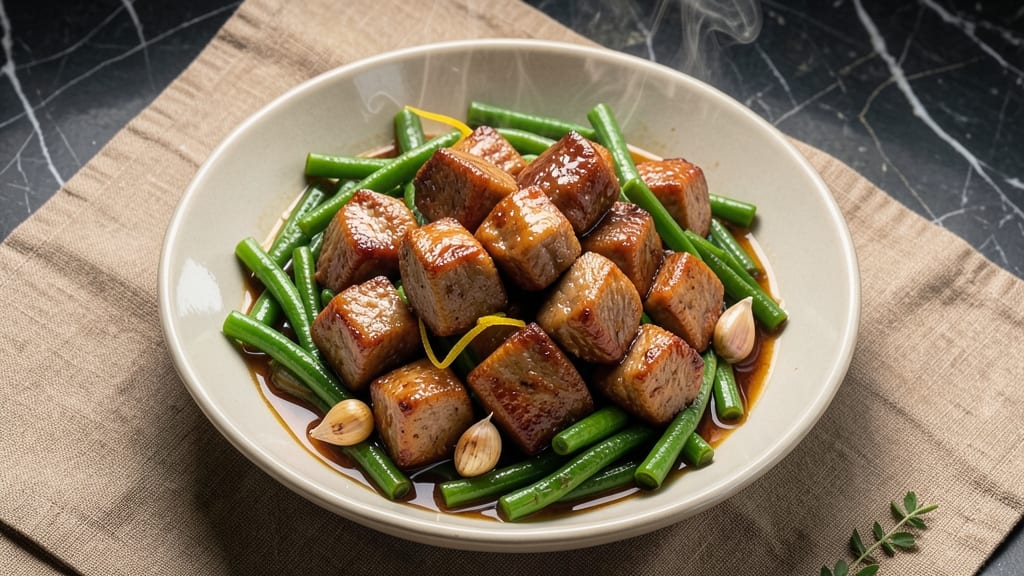
This Chinese pork and green beans recipe delivers the perfect balance of crisp-tender pork and vibrant green beans coated in a savory-sweet soy glaze. After years of perfecting stir-fry techniques—especially the wok hei that creates that signature smoky aroma—I've developed a method that captures restaurant-quality results at home.
The secret lies in high-heat searing for the pork followed by quick blanching of the green beans to preserve their bright color and satisfying crunch.
What sets this dish apart is the layered flavor profile: the pork develops a caramelized crust from the soy sauce and garlic, while the green beans maintain their vibrant green hue and crisp texture.
I use bone-in pork shoulder for maximum flavor and juiciness, though you can substitute with pork tenderloin if preferred. The sauce is built in stages—first creating a rich base with soy sauce and oyster sauce, then finishing with a touch of honey for balance.
By the time you plate this dish, you'll have perfectly seared pork pieces with crispy edges and tender centers, paired with bright green beans that have just the right bite. The sauce clings to everything, creating a harmonious blend of savory, slightly sweet, and umami flavors.
This is the kind of dish that transforms a simple weeknight dinner into an impressive meal worthy of guests.
The beauty of this recipe is its versatility—serve it as a complete meal with steamed rice or as a side dish for grilled meats. The technique is straightforward once you master the timing, and the results are consistently impressive. Let's get started on creating this restaurant-worthy stir-fry at home.
Ingredients for chinese pork and green beans
Pork shoulder and green beans with bold flavors—just five key ingredients transform into restaurant-style stir-fry.
| Ingredient | Amount | Notes |
|---|---|---|
| Bone-In Pork Shoulder 🥩 | 1 ½ lb | Cut into 1-inch cubes |
| Green Beans 🥕 | 1 ½ lb | Trimmed, cut into 2-inch pieces |
| Soy Sauce 🍶 | ½ cup | High-quality, light or dark |
| Oyster Sauce 🦪 | 2 tbsp | For umami depth |
| Honey 🍯 | 1 tbsp | For subtle sweetness |
| Garlic Cloves 🧄 | 6 cloves | Minced, aromatic base |
| Fresh Ginger 🌿 | 1 ½ tbsp | Grated, for zing |
| Sesame Oil 🫒 | 1 tbsp | For aroma, not cooking |
| Neutral Oil 🫒 | 2 tbsp | Vegetable or canola |
| Cornstarch 🌾 | 1 tbsp | For crisp-tender pork |
| Salt 🧂 | 1 tsp | Kosher or sea salt |
| Black Pepper 🌶️ | ½ tsp | Freshly ground |
| White Pepper 🌶️ | ¼ tsp | For subtle heat |
| Sesame Seeds 🌾 | 1 tbsp | For garnish |
The pork shoulder is non-negotiable here—bone-in adds flavor, and the fat renders beautifully for that signature wok hei aroma. Ask your butcher to cut it into 1-inch cubes if they don't pre-package it. For green beans, Hain or local organic brands stay crispest when blanched. I always grab extra because they shrink during cooking. The soy sauce? Lee Kum Kee is my go-to—it's sweeter than most, which balances the savory perfectly. If you can't find it, any high-quality light soy will work, just add a pinch more honey to compensate.
No oyster sauce? Soy sauce plus a splash of fish sauce gets you close, but the umami depth won't be identical. Fresh ginger losing its zip? Substitute with 1 teaspoon ground ginger—it's not the same, but better than nothing. Running low on sesame oil? Toast the seeds separately and sprinkle them on at the end. The cornstarch is key for that crisp-tender texture—don't skip it. And if you're using pork tenderloin instead of shoulder, slice it thinly against the grain to ensure tenderness.
Pork cubes keep 3 days in the fridge, wrapped tightly. Green beans last 5 days if stored in a paper towel-lined container. The sauce components (soy, oyster, honey) can be pre-mixed and stored for 1 month—just remember to stir before using. For leftovers, reheat gently in a skillet with a splash of water to restore that crisp texture. This dish tastes even better the next day as flavors meld.
Why You'll Love This Recipe
- One-Pan Magic: I swear by this for nights when I’m too tired to wash extra dishes. Toss everything—pork, green beans, and that sticky-sweet honey-soy glaze—onto one sheet pan, and let the oven do the work. The pork crisps up while the beans soften, no flipping or fussing required.
- Sweet-Savory Balance: Honestly, the combo of salty soy, umami oyster sauce, and that touch of honey is chef’s kiss. The pork stays juicy with a caramelized crust, and the green beans get just tender enough to soak up all that flavor—no mushy bits, just pure satisfaction.
- Leftover Goldmine: Between us, this dish only gets better the next day. The pork shreds effortlessly for stir-fries or sandwiches, and the green beans? Still crisp enough to toss into noodles or rice. I make double batches just to have it on hand—zero waste, all win.
- Budget-Friendly Feast: Bone-in pork shoulder stretches farther than you’d think, and green beans are one of the most affordable veggies out there. A few tablespoons of soy and oyster sauce turn basic ingredients into a restaurant-worthy meal without breaking the bank. My wallet thanks me every time.
Step-by-step instructions for Chinese pork and green beans stir-fry
Here's how to create a perfectly balanced stir-fry with tender pork and crisp-tender green beans.
Prepare the Pork for Maximum Tenderness
Cut the 1.5 lb bone-in pork shoulder into 1-inch cubes - this size ensures even cooking without drying out. In a medium bowl, combine the pork with 1 tablespoon cornstarch, 1 teaspoon salt, ½ teaspoon black pepper, and ¼ teaspoon white pepper. Toss gently but thoroughly until every piece is evenly coated.
Let the marinated pork sit for 15-20 minutes while you prep the rest. This gives the cornstarch time to form a light crust that will create that signature crisp-tender texture. Don't skip this step - the cornstarch is what transforms tough pork shoulder into melt-in-your-mouth bites.
Blanch the Green Beans for Crisp-Tender Perfection
Fill a large pot with 4 quarts water and bring to a rolling boil. Add the 1.5 lb trimmed green beans and cook for exactly 2 minutes. You want them to soften slightly but still maintain their vibrant green color and crisp texture.
Immediately drain the beans in a colander and rinse under cold water to stop the cooking process. Spread them on a clean kitchen towel and pat dry thoroughly. The beans should be cool enough to handle but still retain their bright color - this ensures they'll stay vibrant in your stir-fry.
Build the Flavor Base in the Wok
Heat a 14-inch wok or large skillet over high heat until smoking, then add 2 tablespoons neutral oil. Swirl to coat the pan evenly. Add the marinated pork in a single layer and let it sear undisturbed for 3-4 minutes until the edges are golden brown and crispy.
Stir the pork and cook for another 2-3 minutes until it reaches 160°F internally. Remove the pork and set aside. In the same pan, add the 6 minced garlic cloves and 1.5 tablespoons grated fresh ginger. Stir-fry for 30 seconds until fragrant - you should smell that aromatic punch of garlic and ginger.
Create the Signature Sauce
Pour in the ½ cup soy sauce, 2 tablespoons oyster sauce, and 1 tablespoon honey. Stir constantly and let the mixture simmer for 1-2 minutes until it thickens slightly. The sauce should coat the back of a spoon and have a glossy sheen - this is what will give your stir-fry that beautiful, savory-sweet glaze.
Return the pork to the pan and add the blanched green beans. Toss everything together for 2-3 minutes until the beans are heated through and coated with the flavorful sauce. The green beans should be bright green with just a hint of softness - they should still have that satisfying crunch.
Finish and Garnish for Restaurant-Quality Results
Drizzle with 1 tablespoon sesame oil and toss one final time to distribute evenly. The sesame oil adds that nutty aroma that's characteristic of great Chinese stir-fries. Taste and adjust seasoning if needed - you might want to add a splash more soy sauce for saltiness or a touch of honey for sweetness.
Transfer to a serving platter and sprinkle with 1 tablespoon sesame seeds for that final restaurant-quality touch. Serve immediately over steamed rice - the contrast of the warm, aromatic pork and green beans with the cool rice creates the perfect bite every time.
Pro Tips For Making Chinese Pork And Green Beans
- SEAR THE PORK FIRST: Hit that bone-in pork shoulder with a screaming-hot pan—no rushing—until it’s deep golden, not just pink. I used to skip this, and the sauce clung like glue; now it clings like it’s supposed to, caramelizing into flavor instead of sticking to the bottom.
- TRIM BEANS TO SIZE: Snap the ends off green beans, then cut them into 2-inch chunks—no smaller, or they’ll turn to mush. I learned this the hard way after serving a plate of sad, limp beans that looked like they’d been boiled for an hour.
- DEGLAZE WITH HONEY LAST: Let the pork and soy/oyster sauce build color first, then toss in honey when the pan’s just starting to smoke. Dumping it early turns your dish into a sticky glaze instead of a balanced, glossy sauce—trust me, it’s a game-changer.
- REST THE PORK HALFWAY: After searing, pull the pork out for 5 minutes under foil before finishing in the sauce. Sounds weird, but it works: the meat stays juicy, not tough, and absorbs the sauce like a sponge instead of sweating it out.
Regional styles of this chinese pork and green beans
Cantonese Style
In Cantonese cuisine, this dish often features a slightly sweeter profile with more honey and a touch of Shaoxing wine in the sauce. I like to add 1 teaspoon Shaoxing wine when building the sauce—it adds depth without overpowering.
The pork is typically cut slightly smaller (¾-inch cubes) for faster cooking in the wok. Serve with jasmine rice and a side of pickled vegetables to balance the richness. 🥢
Sichuan Spicy Twist
For a Sichuan-inspired version, add 1 tablespoon chili bean paste and ½ teaspoon Sichuan peppercorns (lightly toasted and crushed) to the sauce. The pork gets a subtle numbing heat that pairs beautifully with the green beans.
I also toss in 1 tbsp doubanjiang when stir-frying the pork for that signature fermented chili flavor. Garnish with chopped scallions instead of sesame seeds. 🌶️
Hong Kong Street Food
Hong Kong street vendors often serve this dish with a smoky char from high-heat wok cooking. Use a carbon steel wok (like Mauviel) for maximum heat retention. Add ½ teaspoon smoked salt to the pork marinade and finish with a drizzle of chili oil before serving.
The green beans are sometimes blanched with a pinch of baking soda to keep their bright color—a trick I learned from Hong Kong markets. Serve with steamed mantou (sweet buns) for a complete street food experience. 🔥
Taiwanese Home-Style
Taiwanese home cooks often use pork belly instead of shoulder for extra fat and flavor. Cut the belly into ½-inch thick slices and render the fat slowly before stir-frying. The sauce gets a boost of dark soy sauce (replace 2 tbsp of the light soy) for a deeper color.
I like to add 1 star anise pod to the sauce for warmth, then remove it before serving. The green beans are sometimes stir-fried separately and tossed with the pork at the very end to keep them extra crisp. 🍜
Modern Fusion Adaptation
For a contemporary twist, swap the pork for duck breast or chicken thighs and add shredded Brussels sprouts to the green beans. The sauce gets a splash of rice vinegar (1 tbsp) for brightness.
Garnish with crispy fried shallots and serve over forbidden black rice for a visually stunning dish. This version works beautifully as a vegetarian main when using mushroom dukes instead of meat. ✨
Nutrition facts
Frequently asked questions
Can I substitute pork tenderloin for pork shoulder?
Yes, but you'll need to adjust the prep! Pork tenderloin is leaner, so slice it ¼-inch thick against the grain and marinate for only 10 minutes (not 15-20). Cook it at medium-high heat for 2-3 minutes total—it's ready when it reaches 145°F internally. The texture will be more delicate but still delicious.
Why do my green beans turn mushy?
Overcooking is the #1 culprit! Blanch them for exactly 2 minutes (no longer) and use boiling water, not simmering. After draining, rinse with ice water immediately to stop cooking. Also, don't crowd the pan when stir-frying—work in 2 batches if needed. The beans should stay bright green with a slight crunch.
What's the secret to that restaurant-style wok hei?
High heat is key! Use a carbon steel or cast iron wok (or heavy skillet) and crank the heat to highest setting. Let the pan get smoking hot before adding oil, then work quickly—pork should sizzle loudly. The aroma comes from the Maillard reaction (browning) and the sesame oil finish. Pro tip: Add a dried chili to the pan while cooking for extra aroma.
Can I make this ahead of time?
Yes, but with strategy! Cook the pork and sauce fully, then refrigerate. Reheat gently in a skillet with 1 tsp water to restore crispness. Blanch the green beans fresh and stir-fry them separately just before serving. The flavors actually improve overnight as they meld. For leftovers, store components separately and reassemble when reheating.
What's the best way to serve this dish?
Pair it with steamed jasmine rice to soak up the sauce, and add a quick-pickled cucumber or sliced scallions for freshness. For extra wow factor, serve in a banquet-style dish with the pork and beans arranged separately. In China, it's often part of a family-style meal with multiple small plates. Garnish with extra sesame seeds and a drizzle of chili oil for heat lovers.