
Main Courses
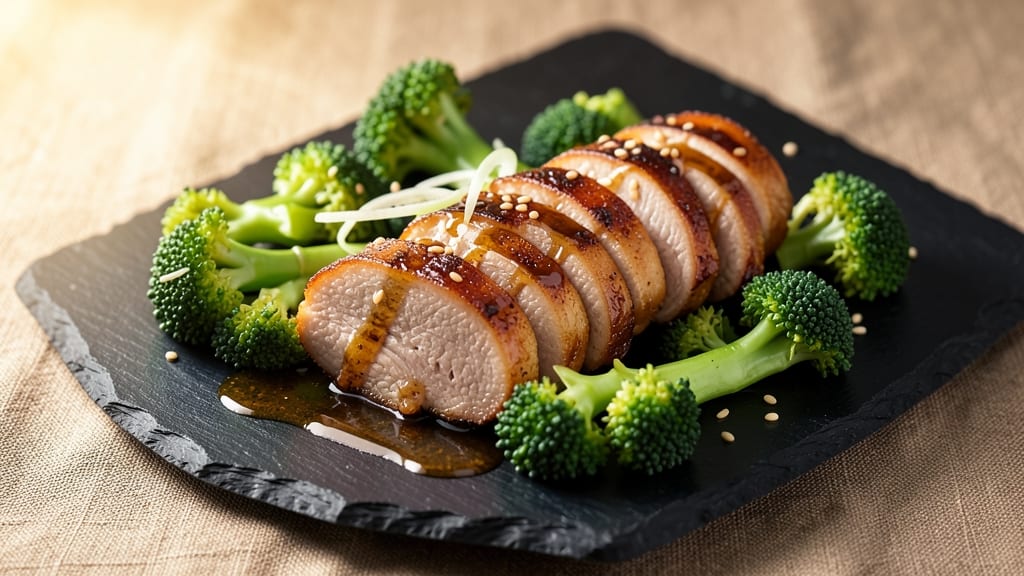
This Chinese pork and broccoli recipe delivers the restaurant-quality wok-fried crisp and umami gloss you crave at home. ✨ After perfecting it during my years in Charleston, I've streamlined the technique while keeping the soul of the dish intact—tender pork, vibrant broccoli, and a sauce that coats every bite with perfect balance.
The secret lies in high-heat wok cooking, which creates that signature crisp-tender texture while keeping the broccoli bright and the pork juicy. I'll show you how to marinate the pork properly and how to time the stir-fry so everything comes together in minutes—not hours.
This isn't your mother's takeout version; it's the real deal, with layers of flavor that build with each bite.
What you'll end up with is pork slices that stay tender yet develop a subtle char from the wok's heat, broccoli florets with vibrant green centers and slightly crisp edges, all bathed in a glossy sauce that's sweet, tangy, and packed with umami depth.
The aroma alone will have everyone gathering around the table before the food even hits the plate.
Serve it over steamed jasmine rice for the full experience, or pair with egg rolls for a classic takeout-style meal. The technique is straightforward, but the results are restaurant-quality—something I've tested and perfected over years of cooking for crowds. Let's get started on creating this wok-fried masterpiece.
Ingredients for chinese pork and broccoli
The perfect balance of tender pork, vibrant broccoli, and umami sauce—this is your shortcut to restaurant-quality Chinese pork and broccoli.
| Ingredient | Amount | Notes |
|---|---|---|
| Pork Tenderloin 🥩 | 1 ¼ lb | Cut into 1/2-inch thick slices |
| Broccoli Florets 🥦 | 2 cups | Large florets, cut into bite-sized pieces |
| Low-Sodium Soy Sauce 🥄 | ½ cup | For marinade and sauce |
| Honey 🍯 | 2 tbsp | For sauce sweetness |
| Rice Vinegar 🍶 | 2 tbsp | For tangy balance |
| Sesame Oil 🫒 | 1 tbsp | For aroma, not cooking |
| Garlic Cloves 🧄 | 4 cloves | Minced, for marinade |
| Fresh Ginger 🌿 | 1 tbsp | Grated, for marinade |
| Cornstarch 🌾 | 1 tbsp | For tenderizing pork |
| Vegetable Oil 🫒 | ½ cup | High smoke point for wok |
| Green Onions 🧅 | 3 whole | Sliced, for garnish |
| Sesame Seeds 🌰 | 1 tbsp | Toasted, for garnish |
| Salt 🧂 | 1 tsp | Kosher or sea salt |
| Black Pepper 🌶️ | ½ tsp | Freshly ground |
The pork makes or breaks this dish. Pork tenderloin is lean and cooks fast—perfect for high-heat wok cooking. Look for a piece with good marbling if you can find it. Costco or Trader Joe's usually have pre-cut slices, but if you're buying a whole tenderloin, slice it yourself against the grain for tender bites. The broccoli should be fresh and bright green—Trader Joe's frozen broccoli florets work in a pinch but fresh is ideal. Skip the pre-cut florets if you can; cutting your own ensures even cooking and better texture. For the sauce, grab low-sodium soy sauce—it gives you more control over the saltiness.
No fresh ginger? Ground ginger at half the amount works, but fresh is better. Running out of sesame oil? Toasted sesame seeds add the same nutty aroma—just sprinkle them in at the end. The cornstarch is key for tender pork; don't skip it. If you're short on time, egg whites or baking soda can help tenderize, but cornstarch is the traditional choice. For the sauce, if you don't have rice vinegar, apple cider vinegar is a decent swap. The green onions? Scallions or chives work too—just slice them thin for that classic garnish. And if you're feeling adventurous, a dash of chili oil at the end adds heat without overpowering the dish.
Marinate the pork for at least 30 minutes—overnight is even better. The broccoli stays fresh in the fridge for 4-5 days if you store it in a sealed container with a paper towel to absorb moisture. The sauce keeps for 1 week in the fridge, but it's best used fresh. For leftovers, reheat gently in a wok or skillet over medium heat—add a splash of water to keep it glossy. This dish reheats beautifully, so it's perfect for meal prep. Store any extra sauce in an airtight container; it'll keep for 1 week in the fridge or 3 months frozen.
Why You'll Love This Recipe
- No-Chop Night Hero: I swear by this when I’m too tired to slice anything—just buy pre-cut broccoli florets and thinly sliced pork tenderloin (or even frozen stir-fry strips). The honey and rice vinegar glaze does all the work while you stir, so you’re basically assembling a meal, not cooking one.
- Sweet-Savory Magic: That balance of salty soy sauce, bright rice vinegar, and just a touch of honey? It’s like the perfect hug for your taste buds. The pork stays juicy while the broccoli gets that signature caramelized crunch—crispy edges, tender centers, and a sauce that sticks to everything.
- Lunchbox Champion: Between us, this is my go-to for meal prep. Toss the leftovers into rice bowls the next day, pack it cold in containers, or even reheat it straight from the fridge (it’s that good). Honestly, I’ve sent this to work with my kid more times than I can count—no complaints, ever.
- Budget Win: Pork tenderloin stretches farther than you’d think, and broccoli’s one of the most affordable veggies out there. A single batch feeds four for dinner and still gives me leftovers for lunch—plus, the low-sodium soy sauce means I’m not drowning it in salt. Smart, simple, and satisfying.
Step-by-step instructions for wok-fried pork and broccoli
Here's how to achieve that signature crispy pork and tender broccoli with a glossy, umami-packed sauce.
👨🍳 Step 1: Prep the Pork with Cornstarch Coating
Slice the 1.25 lb pork tenderloin into ½-inch thick pieces. Place them in a bowl and add 1 tbsp cornstarch, 1 tsp salt, and ½ tsp black pepper. Toss gently to coat evenly—this creates a crispy exterior while keeping the inside juicy. Let it sit for 15 minutes while you prep the rest.
Here's the thing—don't skip the cornstarch. It's what gives that signature wok-fried texture. If you're short on time, at least 10 minutes of resting helps the coating adhere better. You'll see the difference in the final crispiness.
🍳 Step 2: Stir-Fry Pork Until Golden Brown
Heat ½ cup vegetable oil in a wok or large skillet over high heat until it shimmers. Add the pork in a single layer and let it sear undisturbed for 2-3 minutes until the edges turn golden brown. This is where the magic happens—don't move it yet.
Once the bottoms are crispy, stir gently and cook for another 1-2 minutes until fully cooked through. The pork should reach 145°F internally. Remove and set aside—it'll stay warm while you cook the broccoli. If your pork sticks, add a splash of water and scrape up those delicious browned bits.
🥘 Step 3: Cook Broccoli Until Bright Green and Tender-Crisp
In the same wok, add the 2 cups broccoli florets and stir-fry for 3-4 minutes over high heat until they're bright green and just tender—you want them to still have a slight bite. Don't overcook or they'll turn mushy. Work in batches if needed to avoid crowding the pan.
Here's my trick: Toss the broccoli with a pinch of salt while it cooks. This enhances the natural sweetness and keeps it vibrant. When it's done, remove and set aside with the pork—keep everything warm together.
🍳 Step 4: Build the Glossy Sauce
Reduce heat to medium and add 4 minced garlic cloves and 1 tbsp grated fresh ginger. Stir for 30 seconds until fragrant—don't let them burn. Pour in ½ cup low-sodium soy sauce, 2 tbsp honey, and 2 tbsp rice vinegar. Let it simmer for 2 minutes until slightly thickened.
Now for the finishing touch: Remove from heat and stir in 1 tbsp sesame oil. This adds that signature aroma and richness. If the sauce is too thick, add 1-2 tbsp water to reach your desired consistency. The sauce should coat the back of a spoon but still be glossy.
🥘 Step 5: Combine and Garnish
Return the pork and broccoli to the wok and toss everything together with the sauce. Cook for 1-2 minutes until everything is evenly coated and heated through. The pork should be glossy from the sauce, not dry.
Garnish with sliced green onions and toasted sesame seeds right before serving. Plate immediately while hot—this dish tastes best fresh off the wok. The contrast of crispy pork, tender broccoli, and that glossy sauce makes every bite worth it.
Pro Tips For Making Chinese Pork And Broccoli
- CUT PORK THINLY: Skip the thick slices—this dish works best when the pork is paper-thin. Use a sharp knife or ask your butcher to slice it against the grain. Thick pieces stay chewy no matter how long you cook them, and you’ll end up with a mushy mess instead of tender bites.
- BLANCH BROCCOLI FIRST: Toss broccoli florets in boiling water for 30 seconds before stir-frying. This stops the cooking process midway, so they stay bright green and crisp when they hit the pan. I learned this the hard way—overcooked broccoli ruins the texture, no matter how good the sauce is.
- USE COLD PORK: Take the pork straight from the fridge and pat it very dry with paper towels. Cold meat sears better and doesn’t release moisture into the pan, which means you’ll get a golden crust instead of steaming slices. Sounds weird, but it works—your pork won’t turn to mush.
- SAVE THE VINEGAR: Don’t dump all the rice vinegar in at once. Add half the amount to the sauce first, then finish with a splash at the end. This keeps the broccoli from getting soggy while balancing the sweetness of the honey. I skip this step sometimes, and the dish feels flat—your taste buds will notice.
Best sauces and condiments for this dish
Classic Soy-Ginger Sauce
This is the foundation of any great pork and broccoli dish—a balance of sweet, salty, tangy, and umami that clings to every bite.
My go-to ratio is ½ cup low-sodium soy sauce, 2 tbsp honey, and 2 tbsp rice vinegar, simmered with 4 minced garlic cloves and 1 tbsp grated ginger.
The key is reducing it just enough to coat the back of a spoon while keeping it glossy—not thick like gravy. I like to finish with 1 tbsp sesame oil for that nutty aroma that wakes up your senses. 💫
Spicy Chili Oil Twist
For a little kick, add 1 tbsp chili oil (like Lao Gan Ma) to the finished sauce. The heat cuts through the richness while adding depth—trust me, it elevates the dish without overpowering.
If you don’t have chili oil, mix ½ tsp gochujang with ½ tsp water and stir it in at the end. The spice should be subtle but noticeable, like a whisper of heat that lingers. Garnish with extra sesame seeds to balance the burn.
Sweet and Tangy Plum Sauce
Swap the soy sauce for ½ cup plum sauce (like Mae Ploy) and reduce it with 1 tbsp rice vinegar and 1 tsp sugar. The fruity sweetness pairs beautifully with the pork’s savory notes, giving it a bright, almost tropical twist.
This version works especially well if you’re serving it with steamed rice or mandarin orange slices on the side for extra freshness. The sauce should be sticky but still flow easily—adjust with a splash of water if needed.
Garlic-Infused Sesame Sauce
For a deeper, nuttier flavor, infuse the sauce with 6 minced garlic cloves and 1 tbsp toasted sesame seeds cooked in 1 tbsp neutral oil until fragrant. Then mix this with ½ cup soy sauce, 1 tbsp honey, and 1 tsp grated ginger.
The garlic adds a bold punch, while the sesame seeds give it a toasty finish. This sauce is perfect if you love garlic-forward flavors—it’s bold but still balanced. Serve with extra green onions for freshness. 🌶️
Umami Mushroom Sauce
Boost the umami with ¼ cup finely chopped shiitake mushrooms sautéed until soft. Deglaze with ½ cup soy sauce, then add 1 tbsp honey and 1 tsp rice vinegar. The mushrooms add a meaty depth that pairs amazingly with the pork.
For extra richness, stir in 1 tsp fish sauce (like Red Boat) at the end. This sauce is especially great if you’re serving the dish with steamed bok choy or rice noodles for a heartier meal.
Quick Pan Sauce Hack
No time to make sauce from scratch? Use ½ cup store-bought hoisin sauce mixed with 1 tbsp soy sauce and 1 tsp rice vinegar. Heat it gently with the cooked pork and broccoli, then finish with a drizzle of sesame oil.
It’s not traditional, but it’s fast and still delicious—perfect for weeknights. Just toss everything together in the wok and let the residual heat from the pork and broccoli warm it through. Garnish with green onions and sesame seeds like always. ✨
Nutrition facts
Frequently asked questions about Chinese pork and broccoli
Can I substitute chicken for pork in this recipe?
Chicken breast works well—slice it ½-inch thick and marinate for 20-30 minutes with the same cornstarch coating. Use the same cooking technique, but reduce time to 3-4 minutes total to avoid overcooking. The texture will be slightly different but still delicious.
Why does my broccoli turn gray or mushy?
Overcooking or low heat causes this. Always cook broccoli over high heat for 3-4 minutes max—it should stay bright green with a slight bite. Crowding the pan also steams instead of sears. Work in batches if needed, and toss with a pinch of salt while cooking to preserve color.
What's the best way to reheat leftovers?
Reheat gently in a wok or skillet over medium heat with 1 tbsp water to restore glossiness. Avoid microwaving—it makes the pork dry. For extra crispiness, add ½ tsp cornstarch to the pan before reheating. Leftovers keep 3-4 days in the fridge.
How can I make this dish spicier?
Add 1 tsp chili flakes to the sauce while simmering, or stir in 1 tbsp chili oil at the end. For heat lovers, mix ½ tsp gochujang with ½ tsp water and toss it in before serving. Start with small amounts—you can always add more!
What sides pair best with this dish?
Jasmine rice is classic, but try steamed bok choy or egg rolls for authenticity. For a lighter option, serve with cucumber salad or mandarin orange slices. The sauce's sweetness balances well with tangy or fresh sides.