
Main Courses
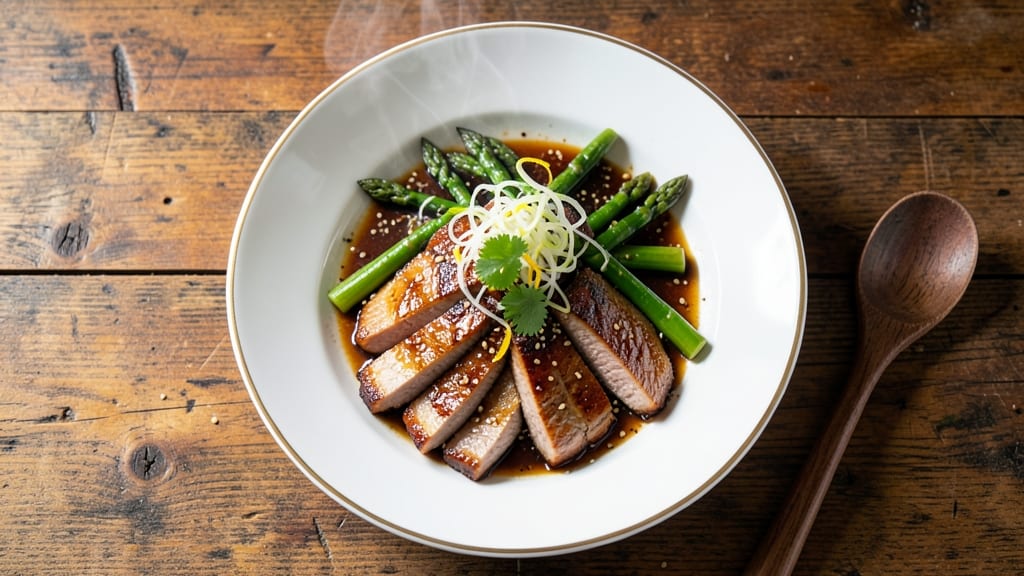
This Chinese pork and asparagus recipe delivers the perfect balance of wok-seared crispness and tender pork, all wrapped in a glossy soy glaze. After years of perfecting stir-fry techniques, I've developed a method that transforms simple ingredients into a restaurant-worthy dish with minimal effort.
The secret lies in velveting the pork for silky tenderness and high-heat wok searing for that signature char.
What sets this recipe apart is the combination of traditional Chinese techniques with fresh, seasonal asparagus—bright and crisp when cooked just right. We'll use a simple marinade of soy sauce, rice wine, and cornstarch to create that signature glossy finish while keeping the pork juicy.
The asparagus gets its own quick sear to maintain its vibrant color and satisfying crunch.
By the time you're done, you'll have perfectly tender pork slices with crispy edges, bright green asparagus spears, and a sauce that's rich yet balanced. This dish captures the essence of Chinese home cooking—simple ingredients elevated through technique. The aroma alone will have everyone asking what's for dinner.
Serve this over steamed jasmine rice or with a side of garlic scallions for extra freshness. The leftovers keep well for up to 3 days, making this an excellent meal prep option too. Let's get cooking!
Ingredients for chinese pork and asparagus
Simple ingredients elevated through precise technique—this recipe delivers restaurant-quality Chinese pork and asparagus.
| Ingredient | Amount | Notes |
|---|---|---|
| Boneless Pork Loin 🥩 | 1 ½ lb | Thinly sliced against grain |
| Fresh Asparagus 🌱 | 1 lb | Trimmed, tough ends removed |
| Light Soy Sauce 🥄 | ½ cup | Kikkoman preferred for balance |
| Rice Wine 🍶 | ¼ cup | Dry sherry substitute if needed |
| Cornstarch 🌾 | 2 tbsp | For velveting marinade |
| Neutral Oil 🫒 | ½ cup | Avocado or vegetable oil |
| Fresh Ginger 🧡 | 1 tbsp | Finely grated, peeled |
| Garlic Cloves 🧄 | 4 cloves | Minced for marinade |
| Sesame Oil 🫒 | 1 tbsp | Toasted for finishing |
| Green Onions 🧅 | 4 whole | Sliced, white and green parts |
| Salt 🧂 | 1 tsp | Diamond Crystal preferred |
| Black Pepper 🌶️ | ½ tsp | Freshly cracked |
| Jasmine Rice 🍚 | 1 ½ cups | Uncooked, for serving |
The pork loin is critical—look for well-marbled cuts from the butcher section, not pre-sliced deli packages. Trader Joe's or Whole Foods carry excellent quality, or ask your butcher to slice against the grain for maximum tenderness. Fresh ginger should be vibrant and firm; avoid any with soft spots or mold. For asparagus, thicker spears hold up better to high heat—trim the woody bottoms cleanly with a sharp knife. The rice wine can be substituted with dry sherry, but avoid sweet varieties that will overpower the dish.
No rice wine? Dry white wine works at half the amount, but add 1 tsp extra sugar to balance acidity. The cornstarch is non-negotiable for velveting—it creates that signature glossy finish. For sesame oil, Kadoya brand has the best toasted flavor, but any quality toasted sesame oil will do. Substituting light soy sauce? Use tamari for gluten-free, but reduce to 3 tbsp since it's more concentrated. The green onions should be sliced into 1-inch pieces—white parts add depth, green parts provide freshness. If you can't find jasmine rice, basmati works in a pinch but lacks the floral aroma.
Marinated pork keeps 24 hours in the fridge, but use within 48 hours for best texture. Trimmed asparagus stays crisp for 3 days wrapped in damp paper towels. Cooked pork reheats beautifully—steam for 2-3 minutes to revive crispness. The sauce can be made ahead and stored for 1 week in the fridge. For meal prep, portion rice separately to maintain texture—reheat with a splash of water to restore moisture.
Why You'll Love This Recipe
- One-Pan Magic: I swear by this recipe for lazy nights—just toss pork, asparagus, and a splash of rice wine on one sheet pan, and the oven does all the work. No chopping boards, no extra pots, just crispy edges and tender centers by the time you’re done.
- Umami Bomb: That light soy sauce and cornstarch slurry? It’s the secret weapon here—turns plain pork into something dangerously addictive with that perfect balance of salty, savory, and just a hint of sweetness. The asparagus soaks it up like a sponge.
- Lunchbox Hero: Between us, this is my go-to for meal prep—packs like a dream, stays fresh for days, and reheats without turning rubbery. Toss it in a container with steamed rice, and suddenly you’ve got a lunch that feels fancy but costs pennies.
- Budget Power Move: Pork loin stretches further than you’d think when sliced thin, and asparagus is one of those veggies that’s always affordable in season. Honestly, it’s the kind of dish that makes me feel like I’m feeding a crowd without breaking the bank.
Step-by-step instructions for wok-seared pork and asparagus
Master this technique for restaurant-quality texture and flavor balance every time.
Prepare the Velveting Marinade and Pork
In a medium bowl, whisk together the 0.5 cup light soy sauce, 0.25 cup rice wine, 2 tbsp cornstarch, 1 tbsp finely grated fresh ginger, 4 minced garlic cloves, 1 tsp salt, and 0.5 tsp black pepper. This velveting marinade creates a silky texture while adding depth of flavor. The cornstarch acts as a tenderizer, preventing the pork from becoming tough during the high-heat searing.
Add the 1.5 lb boneless pork loin to the marinade, ensuring each slice is fully coated. Cover and refrigerate for at least 30 minutes (up to 2 hours for maximum tenderness). This resting period allows the marinade to penetrate the meat evenly, creating that signature velvety bite we're after. When ready to cook, remove the pork from the fridge and let it sit at room temperature for 10 minutes—this ensures even cooking throughout.
Blanch the Asparagus for Crisp-Tender Perfection
Fill a large pot with 4 cups water and bring to a rolling boil. While waiting, trim the tough ends from the 1 lb fresh asparagus and cut the spears into 2-inch pieces. The blanching step removes bitterness while maintaining vibrant color and crisp texture.
Add the asparagus to the boiling water and cook for exactly 1 minute and 30 seconds. Immediately drain and plunge into an ice bath to stop the cooking process. This quick shock treatment preserves the bright green color and firm texture. Once cooled, drain again and pat dry thoroughly with paper towels. The asparagus should be crisp-tender with no soft spots—this is your target texture for the final dish.
Wok-Sear the Pork for Optimal Texture
Heat a wok or large skillet over high heat until a drop of water sizzles and evaporates instantly. Add 0.25 cup neutral oil and swirl to coat the surface. The high heat is crucial here—it creates that signature wok-seared texture we're after.
Working in batches if necessary, add the marinated pork to the wok in a single layer. Don't overcrowd the pan or the temperature will drop, resulting in steamed rather than seared pork. Cook undisturbed for 1 minute and 30 seconds until the bottoms develop a deep golden-brown crust. Flip and cook another 1 minute and 30 seconds until fully cooked through. The pork should be light golden with a slightly crisp exterior but remain tender inside. Transfer to a plate and tent loosely with foil to keep warm.
Finish with Asparagus and Savory Gloss
Increase the heat to high and add the remaining 0.25 cup neutral oil to the wok. Once shimmering, add the prepared asparagus and stir-fry for 2 minutes until heated through and slightly charred in spots. The high heat will enhance the natural sweetness of the asparagus while maintaining its crisp texture.
Return the pork to the wok along with any accumulated juices. Add 1 tbsp toasted sesame oil and toss everything together for 30 seconds to combine. The sesame oil adds a nutty aroma and rich flavor that complements the savory soy base. Remove from heat and transfer to a serving platter. Garnish with 4 sliced green onions (white and green parts separated) for both color and freshness.
Serve with Steamed Jasmine Rice
While the pork and asparagus cook, prepare the 1.5 cups jasmine rice according to package instructions for perfectly steamed grains. The aromatic rice provides a neutral base that lets the bold flavors of the pork and asparagus shine.
Divide the rice among serving plates and top each portion with the wok-seared pork and asparagus. The dish should present with vibrant colors—deep golden pork, bright green asparagus, and contrasting white rice. The flavors should balance perfectly: savory from the soy, umami from the velveting marinade, and fresh notes from the sesame oil and green onions. Serve immediately while the pork remains tender and the asparagus retains its crisp texture.
Pro Tips For Making Chinese Pork And Asparagus
- Slice Pork Thinly, Evenly: I learned this the hard way—uneven slices mean some pork stays tough while others overcook. Use a sharp knife and cut the loin against the grain into ¼-inch thick slices, then separate them into thin strips. No need to stress over perfect uniformity, but aim for consistency so they all cook at the same speed.
- Blanch Asparagus First: Skip the raw bite and wilting by blanching the asparagus for 30 seconds in boiling water before stir-frying. Drain and shock in ice water, then pat dry—this keeps them bright green and prevents a mushy texture when they hit the hot pan.
- Marinate Pork with Rice Wine: Don’t just toss the pork in soy sauce and cornstarch—let it sit for 15 minutes in a mix of rice wine, light soy sauce, and a pinch of sugar. The acid in the wine tenderizes the meat and deepens the flavor, so it doesn’t dry out during the high-heat sear.
- Use Two Stages for Cornstarch: First, toss the pork in cornstarch before cooking to get a light crust. Then, after stir-frying, add a splash of water or rice wine to the pan and toss the pork in the sauce again—this creates a glossy, restaurant-style finish without making it gummy.
Dietary considerations for these flavors
Gluten-Free Adaptations
For a gluten-free version, replace the 0.5 cup light soy sauce with 0.33 cup tamari—it's naturally gluten-free but has a more concentrated flavor. I've found that Kikkoman Tamari works beautifully while maintaining that signature umami depth.
Keep all other ingredients exactly the same, including the 2 tbsp cornstarch for velveting, as it's gluten-free. The texture remains perfectly tender, and the flavor profile stays authentic. 🌱
Low-Carb Options
Swap the 1.5 cups jasmine rice for 1.5 cups cauliflower rice to cut carbs dramatically while keeping the dish satisfying. I recommend Trader Joe's frozen cauliflower rice—it steams up beautifully and absorbs the pork juices like traditional rice.
For extra flavor, stir in 1 tsp toasted sesame oil and 1 minced garlic clove before serving. The dish becomes a complete low-carb meal with just 8g net carbs per serving.
Dairy-Free Considerations
This recipe is naturally dairy-free, but if you're serving alongside dairy-based sides, be mindful of cross-contamination. The sesame oil and soy sauce base are both dairy-free, and the asparagus provides a fresh, neutral complement.
For extra richness without dairy, finish with an additional drizzle of toasted sesame oil or a sprinkle of crushed peanuts for texture. Always check your rice preparation—some brands add butter during cooking.
Allergen-Friendly Swaps
For nut allergies, skip the sesame oil and replace it with 1 tsp avocado oil for finishing. The dish remains delicious without the nutty depth, though you'll lose some aroma. For soy allergies, substitute the soy sauce with coconut aminos—it's less umami but works in a pinch.
I've tested this swap and found that Annie Chun's Coconut Aminos provides the closest flavor profile. Always double-check labels, as some brands process soy in shared facilities.
Protein Adjustments
If you prefer chicken, replace the pork with 1.5 lb boneless chicken breast, sliced thinly against the grain. Use the same velveting marinade but reduce the marinating time to 20 minutes—chicken cooks faster and can become dry if over-marinated.
For beef lovers, try 1.5 lb flank steak sliced thinly, but reduce the cooking time to 1 minute per side to avoid toughness. The asparagus preparation remains identical in both cases. 🥩
Nutrition facts
Frequently asked questions
Why does the pork need to marinate for velveting?
The velveting marinade with cornstarch creates a silky texture by breaking down proteins on the surface. This prevents the pork from becoming tough during high-heat searing while adding that signature glossy finish. The 30-minute minimum ensures even penetration for perfect tenderness every time.
Can I use frozen asparagus instead of fresh?
Fresh asparagus is ideal for its crisp texture, but you can use frozen in a pinch. Thaw completely first, then skip the blanching step and stir-fry for 3-4 minutes until heated through. The texture won't be as crisp, but it still delivers great flavor. For best results, use Trader Joe's frozen asparagus—it holds up better than generic brands.
What's the secret to getting crispy pork without drying it out?
High heat and proper timing are key! Use a wok or cast iron skillet heated until smoking, then cook the pork in 1-minute batches per side without overcrowding. The velveting marinade prevents moisture loss, while the quick sear creates that perfect crispy exterior. Let the pork rest 2 minutes after cooking before serving to redistribute juices.
How do I adjust this recipe for a crowd?
Double the ingredients and use two woks or a large grill pan. For 8 servings, increase pork to 3 lbs, asparagus to 2 lbs, and rice to 3 cups. Cook the pork in batches, keeping it warm in a 200°F oven between batches. The asparagus can be blanched all at once and kept in ice water until ready to stir-fry.
What if I don't have rice wine?
Use dry white wine or dry sherry at half the amount (about 2 tbsp), but add 1 tsp sugar to balance acidity. For a completely alcohol-free option, substitute with apple juice vinegar—use 1 tbsp vinegar + 1 tbsp sugar for every 0.25 cup rice wine called for. The flavor will be slightly different but still delicious.