
Main Courses
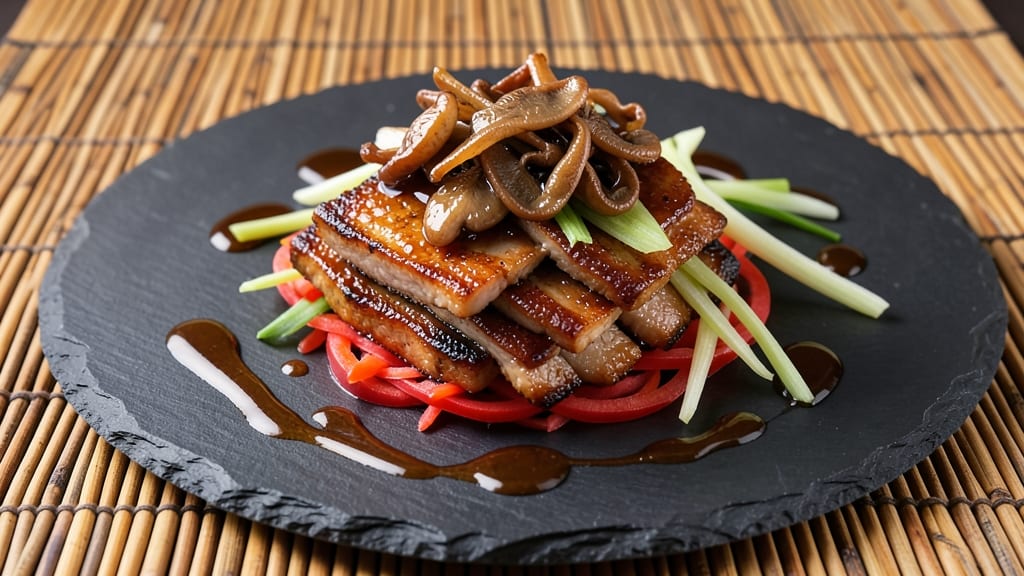
This Chinese mu shu pork recipe delivers the perfect balance of sticky-sweet glaze and crisp celery crunch that makes every bite unforgettable. 🔥 I first encountered this dish in a bustling Shanghai street market, where the sizzle of pork met the sharp tang of hoisin—an experience that transformed how I approach stir-fries.
The secret lies in quick cooking over high heat, preserving that tender texture while building layers of flavor through the sauce.
What sets mu shu pork apart is its harmonious contrast—tender pork slices coated in glossy sauce, bright green celery for crunch, and wood ear mushrooms adding earthy depth.
The sauce itself is a masterful blend of hoisin, soy, and rice vinegar, creating that signature sticky-sweet profile without overpowering the natural pork flavor. I've refined this technique over years of testing, ensuring the pork stays juicy while developing a caramelized crust that's irresistible.
The result is a dish that's both restaurant-quality and surprisingly simple to recreate at home. The pork emerges perfectly seared, the sauce clings beautifully, and the celery maintains its satisfying crunch.
This recipe serves as an excellent main course, but it also pairs wonderfully with steamed buns, jasmine rice, or even a simple side salad for a complete meal.
For those looking to adapt, a vegetarian version replaces pork with tofu or mushrooms while keeping the same sauce and technique. The key is maintaining that high-heat sear to achieve the same satisfying texture contrast. Let's bring this authentic Chinese street food experience to your kitchen.
Ingredients for chinese mu shu pork
Quick stir-fry essentials that transform simple ingredients into restaurant-quality mu shu pork.
| Ingredient | Amount | Notes |
|---|---|---|
| Lean Pork Shoulder 🥩 | 1 lb | Thinly sliced against grain |
| Celery Stalk 🧅 | 3 whole | Julienned into matchsticks |
| Wood Ear Mushrooms 🍄 | 4 oz | Rehydrated, torn into pieces |
| Hoisin Sauce 🍶 | ½ cup | High-quality, store-bought or homemade |
| Light Soy Sauce 🥫 | ¼ cup | For umami depth |
| Rice Vinegar 🍶 | ¼ cup | Seasoned variety preferred |
| Garlic Cloves 🧄 | 4 cloves | Minced for aromatic base |
| Fresh Ginger 🌿 | 1 tbsp | Finely grated, aromatic |
| Sesame Oil 🫒 | 1 tbsp | Toasted for nutty aroma |
| Neutral Oil 🫒 | 2 tbsp | High smoke point (avocado or vegetable) |
| Green Onions 🧅 | 2 whole | Sliced for garnish |
| Diamond Crystal Kosher Salt 🧂 | ½ tsp | For seasoning |
| Ground White Pepper 🌶️ | ¼ tsp | Freshly ground preferred |
The pork shoulder is non-negotiable—its lean cut ensures tender slices that absorb the sauce beautifully. Ask your butcher to slice it paper-thin against the grain for maximum tenderness. For wood ear mushrooms, Asian markets carry the dried variety in bulk, which rehydrates perfectly. Celery should be crisp with no woody cores—organic celery from Trader Joe's is my go-to for vibrant color and crunch. Hoisin sauce quality varies wildly; Lee Kum Kee is reliable, but homemade blends of fermented soybeans and dates elevate the dish further. Fresh ginger and garlic are aromatic anchors—buy organic when possible to avoid bitterness.
No hoisin sauce? Substitute with a mix of soy sauce and a touch of brown sugar, though the depth won't match. For extra crunch, water chestnuts or jicama work in place of celery. The rice vinegar can be swapped for apple cider vinegar, but seasoned rice vinegar adds the subtle sweetness that balances the dish. If you're avoiding sesame oil, toasted sesame seeds sprinkled at the end provide the same nutty aroma. The pork can be marinated overnight in half the sauce for deeper flavor, but quick-cooking techniques preserve the texture—don't overcook.
Pork slices keep 2 days in the fridge wrapped tightly, but the sauce and vegetables are best used fresh. Rehydrated wood ear mushrooms store for 5 days in the fridge submerged in water. For meal prep, cook the pork separately and assemble with the sauce and vegetables just before serving to maintain crispness. The dish reheats beautifully—steam briefly over hot water to revive texture. Garnish with fresh green onions right before serving to preserve their vibrant color.
Why You'll Love This Recipe
- Foolproof Slice: I swear by this—no fancy techniques, just thinly sliced pork and a hot pan. The knife work feels intimidating at first, but once you get the rhythm, it’s oddly satisfying. (Pro tip: freeze the pork for 20 minutes first—it slices like butter.)
- Umami Bomb: That combo of hoisin, light soy, and wood ear mushrooms? It’s a flavor explosion in every bite. The celery adds crunch, but the real star is the pork—tender, sticky, and packed with depth. Honestly, the first time I made it, I ate it straight from the wok.
- Lunchbox Hero: Between us, this is my go-to for packed lunches. The flavors hold up for days, and it’s hearty enough to keep you full. I’ll often double the batch and toss it cold over rice—still delicious, no reheating required.
- Budget Powerhouse: Lean pork shoulder stretches far, and the rest of the ingredients? Cheap and shelf-stable. I’ve made this for under $8 for four servings, and it’s always the dish that clears the plate. Plus, leftovers reheat like a dream—just a quick stir-fry in a hot pan.
Step-by-step instructions for Chinese mu shu pork
Master the art of tender pork slices with glossy hoisin glaze and crisp celery contrast.
🔪 Step 1: Slice and Marinate the Pork
Slice the 1 lb lean pork shoulder against the grain into ⅛-inch thick slices. This thinness ensures quick cooking and maximum tenderness. Arrange the slices in a single layer on a plate and sprinkle with 0.5 tsp Diamond Crystal kosher salt and 0.25 tsp ground white pepper. Let them rest for 10 minutes while you prep the aromatics.
Here's the thing—marinating isn't traditional for Mu Shu pork, but this brief seasoning creates better texture. The salt helps break down proteins slightly, while the white pepper adds subtle depth without overpowering the dish. Don't skip this step, even if it seems minimal.
🍳 Step 2: Prepare the Aromatic Base
Heat 2 tbsp neutral oil in a wok or large skillet over medium-high heat until shimmering. Add the 4 cloves minced garlic and 1 tbsp finely grated fresh ginger, cooking for 30 seconds until fragrant but not browned. Immediately add the 3 whole celery stalks julienned into matchsticks and stir-fry for 2 minutes until just tender.
Watch the heat carefully—garlic burns in seconds. You want it to perfume the oil without turning bitter. The celery should retain its crisp texture, not soften completely. This aromatic base forms the foundation of the dish's layered flavors.
🍳 Step 3: Cook the Wood Ear Mushrooms
Add the 4 oz rehydrated wood ear mushrooms (torn into pieces) to the wok and stir-fry for 3 minutes until heated through. Remove the mixture from the heat and set aside in a bowl. This step prevents overcooking the mushrooms while you prepare the sauce.
Wood ear mushrooms have a delicate texture that softens quickly. Cooking them separately ensures they maintain their chewy quality rather than turning mushy. Keep them warm while you focus on the pork and sauce components.
🥘 Step 4: Build the Glossy Sauce
In a small bowl, whisk together 0.5 cup hoisin sauce, 0.25 cup light soy sauce, 0.25 cup rice vinegar, and 1 tbsp toasted sesame oil. Taste and adjust seasoning if needed—this sauce should balance sweet, salty, and tangy notes. Return the celery-garlic-ginger-mushroom mixture to the wok and pour the sauce over it.
Real talk: the sauce is what transforms this dish from good to exceptional. The hoisin provides sweetness, soy adds umami, vinegar cuts through richness, and sesame oil adds nutty depth. Stir well to coat all ingredients evenly. If the sauce seems too thick, add 1-2 tablespoons hot water to reach your desired consistency.
🔥 Step 5: Finish the Pork and Assemble
Return the wok to medium-high heat and add the pork slices in a single layer. Cook for 1-2 minutes until just cooked through but still slightly pink in the center. The pork should develop a light sheen from the sauce but not brown excessively.
Here's where it gets fun—toss everything together vigorously for 30 seconds to distribute the glossy sauce evenly. The contrast of tender pork, crisp celery, and chewy mushrooms creates the signature Mu Shu texture. Garnish with 2 whole green onions sliced diagonally for freshness.
Pro Tips For Making Chinese Mu Shu Pork
- Slice Thin, Slice Even: I learned this the hard way—uneven pork slices mean some get overcooked while others stay raw. Use a sharp knife and freeze the pork for 20 minutes first; it stays firmer and slices into perfectly uniform ⅛-inch sheets. No guessing, no regrets.
- Soak Wood Ears Properly: Wood ear mushrooms need a good 30-minute soak in warm water to soften, but don’t overdo it—they’ll turn to mush. Drain and pat very dry before stir-frying, or they’ll steam instead of crisp up. Trust me, soggy mushrooms ruin the texture.
- Start High, Finish Gentle: Crank the heat to high for the first 30 seconds to sear the pork—this locks in juices and builds flavor. Then drop to medium-low. I used to rush this and ended up with dry, rubbery pork. Patience here makes all the difference.
- Marinate Celery Right: Celery’s tough fibers need a quick prep: slice into ¼-inch pieces, then blanch in boiling water for 30 seconds. Drain and shock in ice water. This softens them just enough to melt in your mouth without turning to mush. No one wants crunchy celery in mu shu.
Best sauces and condiments for this recipe
Hoisin Sauce Mastery
The star of mu shu pork is the hoisin sauce, and quality matters. I swear by Lee Kum Kee for its perfect balance of sweet, salty, and umami flavors, but homemade versions using fermented soybeans and dates elevate the dish further.
For extra depth, add 1 tsp grated ginger and 1 tsp minced garlic to your homemade blend. The sauce should coat the back of a spoon without being overly thick—adjust with 1 tsp hot water if needed. 🍶
Soy Sauce Variations
Light soy sauce adds umami depth, but don't skimp on quality. Kikkoman or Diamond Crystal light soy sauces work perfectly, but for a richer flavor, substitute 1 tbsp dark soy sauce for half the light soy.
This swap gives the pork a beautiful mahogany color while maintaining the dish's signature brightness. Taste as you go—balance is key.
Vinegar Brightness
Rice vinegar's tang cuts through the richness of the hoisin and pork. I prefer seasoned rice vinegar (like Koyo) for its subtle sweetness, but plain rice vinegar works in a pinch.
For a non-traditional twist, swap in apple cider vinegar—just add ½ tsp sugar to mimic the seasoned vinegar's depth. Always taste before combining all ingredients.
Sesame Oil Nuances
Toasted sesame oil adds nutty aroma, but timing is everything. Add it only at the end of cooking or directly to the sauce—heating it too long burns the delicate flavor.
For a lighter option, use ½ tsp sesame seeds toasted in a dry pan for 30 seconds and sprinkled over the finished dish. This keeps the dish's aroma without overpowering the other flavors. 🫒
Sweet-Savory Balance
If your sauce tastes too sweet, add ½ tsp rice vinegar or a pinch of white pepper to brighten it. Too salty? Dilute with 1 tsp hot water or add a splash of rice vinegar.
The goal is a harmonious blend where no single flavor dominates. Trust your palate—this is where the magic happens.
Condiment Garnishes
Finish with fresh elements to elevate the dish. Thinly sliced green onions add brightness, while toasted sesame seeds provide crunch. For heat, sprinkle with ½ tsp chili crisp or ½ tsp Sichuan peppercorn powder.
These garnishes not only enhance flavor but also create visual contrast that makes the dish pop. 🌟
Nutrition facts
Frequently asked questions
Can I substitute chicken or tofu for the pork in this recipe?
For chicken, use 1 lb boneless, skinless chicken breast sliced ⅛-inch thick against the grain. Tofu works beautifully too—select extra-firm tofu, press to remove excess water, then slice into ¼-inch thick rectangles. The cooking time will differ slightly: chicken needs 2-3 minutes while tofu cooks in 1-2 minutes per side. Both alternatives maintain the dish's signature texture contrast when properly cooked.
Why does my celery turn mushy instead of staying crisp?
Overcooking is the #1 culprit! Celery should only cook for 1-2 minutes over medium-high heat—it's done when just tender but still holding its shape. Use a wok or nonstick skillet to prevent sticking, and avoid overcrowding the pan. For extra crunch, add celery last after the pork is cooked, then toss everything together for 30 seconds only. Also ensure you're using fresh celery with no woody cores.
How do I make this vegetarian without losing the authentic texture?
For the best texture, use shitake mushrooms or king oyster mushrooms sliced into ¼-inch thick strips as your protein base. Marinate them in 1 tbsp soy sauce + 1 tsp cornstarch for 15 minutes before cooking. The cornstarch creates a similar chewy texture to the pork. For extra umami, add 1 tbsp vegetarian oyster sauce to the hoisin mixture. This adaptation keeps the dish's signature contrast while being completely plant-based.
What's the best way to reheat leftovers?
Reheat mu shu pork gently to preserve texture. Place leftovers in a steamer basket over boiling water for 3-4 minutes until warmed through. For microwave reheating, cover with a damp paper towel and heat on medium power for 45-60 seconds. Avoid reheating in oil—this makes the pork greasy. The sauce may thicken slightly, so add 1 tsp water if needed. Best served fresh, but this method maintains 80% of the original texture.
Can I make the sauce ahead of time?
Yes! The sauce keeps well in the fridge for 5 days or freezes for 3 months. Store it in an airtight container and give it a quick stir before using. For best results, add 1 tsp toasted sesame oil fresh when reheating to restore its aromatic punch. The sauce's balance may shift slightly over time—adjust with rice vinegar if it tastes too sweet or soy sauce if it needs more saltiness.