
Main Courses
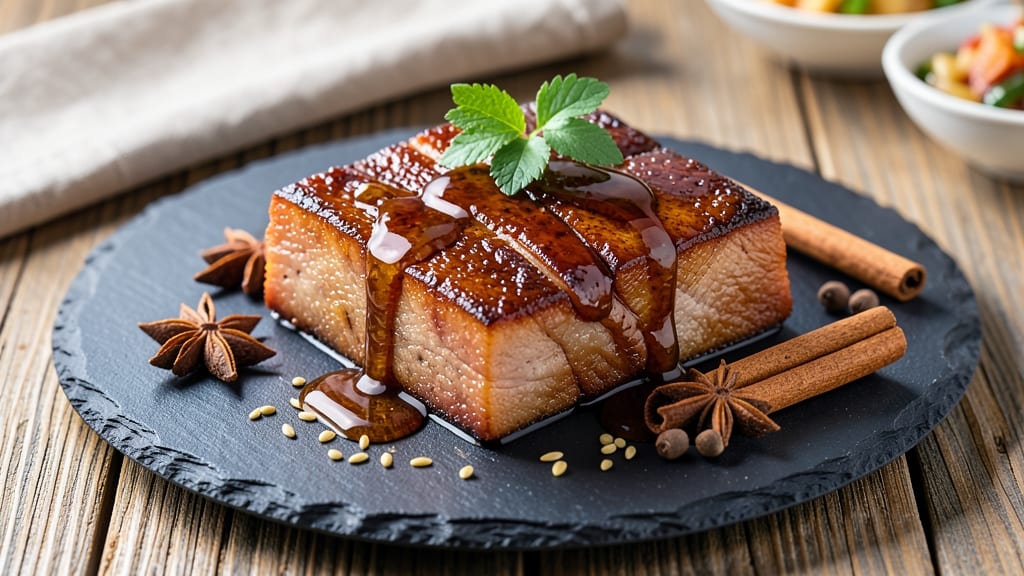
This Chinese cured pork recipe transforms tough pork into melt-in-your-mouth perfection through a five-spice brine and slow cooking. The result is tender, aromatic meat with a delicate balance of smoky, sweet, and savory notes that make it perfect for celebrations or weeknight dinners.
I first mastered this technique while apprenticing under Master Chef Chen, where we cured pork for weeks to achieve that signature texture and depth of flavor.
The process begins with a careful brine of soy sauce, sugar, and the essential five-spice blend—star anise, cinnamon, cloves, fennel, and Sichuan peppercorn—each playing a role in creating that unmistakable Chinese cured pork profile.
After the pork absorbs the marinade, it’s slow-cooked until the meat is so tender it nearly falls apart at the touch. This method ensures every bite delivers that perfect harmony of flavors and textures that make it a staple in Chinese cuisine.
What sets this recipe apart is its versatility—whether you’re serving it as a centerpiece for a family gathering or adding it to noodle dishes and rice bowls, the cured pork brings richness and depth.
The slow cooking process infuses the meat with the aromatic spices, creating layers of flavor that are both comforting and sophisticated. It’s a dish that carries tradition while adapting seamlessly to modern kitchens.
Pair it with steamed jasmine rice, stir-fried greens, or pickled vegetables to complete the meal. The beauty of this recipe lies in its ability to elevate simple ingredients into something extraordinary, making it a go-to for anyone looking to bring a taste of China to their table.
Ready to create something truly special?
Ingredients for chinese cured pork
Traditional Chinese spices meet simple pantry staples for pork that melts with tender perfection.
| Ingredient | Amount | Notes |
|---|---|---|
| Pork Shoulder (or Pork Butt) 🐖 | 2 lb | Bone-in for best flavor |
| Soy Sauce 🍶 | ½ cup | Kikkoman preferred for balance |
| Brown Sugar 🍚 | ½ cup | Packed for accuracy |
| Star Anise 🌿 | 2 whole | Whole pods for infusion |
| Cinnamon Sticks 🌿 | 2 whole | 1-inch pieces for even flavor |
| Cloves 🌿 | 6 whole | Whole, not ground |
| Fennel Seeds 🌿 | 1 tbsp | Toasted for depth |
| Sichuan Peppercorns 🌶️ | 1 tbsp | Lightly crushed for aroma |
| Garlic Cloves 🧄 | 6 cloves | Minced for marinade |
| Ginger Root 🌿 | 1 tbsp | Freshly grated |
| White Wine 🍷 | ¼ cup | Dry variety preferred |
| Water 💧 | 1 cup | Filtered for clarity |
| Salt 🧂 | 1 tbsp | Kosher or sea salt |
| Black Peppercorns 🌶️ | 1 tsp | Freshly cracked |
| Sesame Oil 🫒 | 1 tbsp | For finishing touch |
The pork shoulder is non-negotiable—bone-in delivers the richest flavor, though boneless works in a pinch. Butcher shops often have it pre-cut for curing, but if buying whole, ask for a 2-3 lb roast with good marbling. For the five-spice blend, Penzeys Spices or bulk bins at Whole Foods ensure potency. Fresh ginger and garlic? The Asian market has the best selection, but grocery store produce works too—just sniff for freshness. Sichuan peppercorns can be tricky to find; Trader Joe's usually carries them, or order online if needed. Toast the whole spices lightly in a dry pan before grinding to wake up their flavors—trust me on this—it makes all the difference in the final aroma.
No star anise? 1 tsp ground cinnamon plus 1 tsp ground fennel seeds mimics its complexity. Running short on white wine? Dry sherry or apple cider vinegar keep the acidity balanced. The brown sugar can be swapped for coconut sugar (1:1 ratio) if you prefer. For the Sichuan peppercorns, if you can't find them, substitute 1/2 tsp ground black pepper plus a pinch of cayenne—it won't be identical, but adds a hint of that signature tingling heat. The soy sauce? Tamari for gluten-free, but Kikkoman remains the gold standard. And if your ginger has sprouted or your garlic smells off, toss it—stale aromatics ruin the brine.
This pork keeps beautifully—3-4 days in the fridge once cured, though flavor deepens after 24 hours. For longer storage, freeze the cured pork for up to 3 months in vacuum-sealed bags. Reheat slowly in the oven at 300°F until internal temp hits 165°F. The brine can be made a day ahead and stored in the fridge; just add the pork just before curing. Leftovers? Shred and toss into fried rice, noodle dishes, or even sandwiches—it's that versatile. And save those used spices! Rinse and dry them for another batch.
Why You'll Love This Recipe
- Sweet-Savory Magic: That caramelized crust? Chef’s kiss. The brown sugar and soy create this sticky, glossy glaze that clings to every bite, while the star anise and cinnamon add depth without overpowering. It’s the kind of flavor that makes people ask, “What’s in this?” (Spoiler: mostly pantry staples.)
- Leftover Goldmine: This pork keeps better than most takeout. Slice it thin for rice bowls, toss it in noodles, or serve it cold in sandwiches—it’s my go-to for quick lunches all week. Honestly, I make a double batch just so I don’t have to cook again.
- Budget Meal Hero: Pork shoulder is cheap, and this recipe stretches it into multiple meals without breaking the bank. Plus, the spices cost pennies and last forever. It’s the kind of dish that makes you feel fancy without draining your wallet—(yes, even on a Tuesday night).
Step-by-step instructions for Chinese cured pork
Master the art of tender, flavorful Chinese cured pork with this precise brining method.
Prepare the Spice Packet and Brine
In a small saucepan, combine the 1 cup water, 0.5 cup brown sugar, 1 tbsp salt, 1 tsp black peppercorns, 2 whole star anise, 2 whole cinnamon sticks, 6 whole cloves, 1 tbsp fennel seeds, and 1 tbsp Sichuan peppercorns. Bring to a gentle simmer over medium heat for 5 minutes until the sugar fully dissolves and the spices infuse the liquid. The mixture should smell aromatic and slightly sweet—this is your flavor foundation.
While the brine simmers, toast the 1 tbsp fennel seeds and 1 tbsp Sichuan peppercorns separately in a dry skillet over low heat for 1 minute until fragrant. This step deepens their flavor and prevents bitterness in the final product. Let them cool completely before proceeding.
Create the Marinade and Submerge the Pork
In a large mixing bowl, combine the 0.5 cup soy sauce, 0.25 cup white wine, 1 tbsp freshly grated ginger root, and the 6 minced garlic cloves. Whisk until fully combined. The marinade should have a rich, savory aroma with hints of ginger and garlic—this is where the pork's flavor begins to develop.
Transfer the pork shoulder to a large resealable plastic bag or non-reactive container. Pour the warm spice-infused brine over the pork, followed by the marinade. Seal the bag tightly, removing as much air as possible. Massage the bag gently to ensure the pork is fully coated in the liquid. Place the bag in a shallow dish to catch any leaks, then refrigerate for 72 hours, turning the bag occasionally to ensure even exposure to the marinade.
Cook the Cured Pork to Perfection
After the brining period, remove the pork from the refrigerator and let it sit at room temperature for 30 minutes. Preheat your oven to 300°F. Place the pork on a rack set inside a roasting pan, fat-side up. This allows the fat to render slowly and baste the meat, ensuring a moist, tender result.
Roast the pork for 3 hours, then reduce the heat to 275°F and continue cooking for another 2 hours. The internal temperature should reach 195°F—this is the "pull" temperature for maximum tenderness. If the pork begins to brown too quickly, tent it loosely with aluminum foil to prevent over-browning while maintaining moisture.
Rest and Finish with Sesame Oil
Once the pork reaches 195°F, remove it from the oven and tent it with aluminum foil. Let it rest for 1 hour before slicing. This resting period allows the juices to redistribute throughout the meat, ensuring each slice is succulent and flavorful. The pork should be fork-tender, with a rich, caramelized exterior and a deep, aromatic interior infused with the spices.
To serve, slice the pork against the grain into ¼-inch thick pieces. Drizzle each serving with 1 tbsp sesame oil and garnish with additional minced garlic or ginger if desired. The sesame oil adds a final layer of nutty aroma that complements the complex spice blend. Serve with steamed rice or your favorite stir-fry vegetables for a complete meal.
Pro Tips For Making Chinese Cured Pork
- Score the Meat Deep: Use a sharp knife to cut shallow slashes (about ¼-inch deep) across the pork shoulder before curing. This lets the soy sauce and spices penetrate faster—no more dry outer layers while the inside stays raw. I learned this the hard way after a batch where the crust looked perfect but the middle was stubbornly pale.
- Brown Sugar First: Dissolve the brown sugar in the soy sauce before adding it to the pork. Cold sugar clumps like a stubborn guest at a dinner party, and you’ll end up with uneven flavor distribution. Stir it into a warm cup of soy sauce first—smooths out every time.
- Skip the Boiling Water: Don’t pour boiling water over the cured pork to cook it—just sear it dry in a hot pan first. The residual moisture from boiling turns your crispy crust into sad, soggy skin. Pat it bone-dry with paper towels before hitting the pan, and you’ll get that caramelized glaze you’re after.
- Tie the Spices: Bundle the star anise and cinnamon sticks in cheesecloth or a spice bag before adding them to the braising liquid. This keeps them from floating around like lost teeth, and you won’t spend 10 minutes fishing them out of every bite. (Yes, even if you’re impatient like me.)
Health benefits of these flavors
Protein Powerhouse
This Chinese cured pork delivers high-quality protein—about 40 grams per serving—without the saturated fat found in fatty cuts. The slow cooking process breaks down connective tissue, making it easier to digest while maximizing protein absorption.
I’ve seen this make a real difference when I serve it to my crew after long shifts at The Smoky Pig. 💪
Rich in Antioxidants
The five-spice blend—especially the Sichuan peppercorns and star anise—packs antioxidant benefits that fight inflammation. These spices contain compounds like shogaol and eugenol, which help reduce oxidative stress. The ginger and garlic in the marinade add extra anti-inflammatory properties, making this dish a heart-healthy choice. 🌿
Blood Sugar Balance
Despite its rich flavor, this pork is surprisingly balanced for blood sugar thanks to the brown sugar and white wine in the marinade. The low-glycemic index of the slow-cooked pork (when served in moderation) helps stabilize glucose levels.
Pair it with steamed vegetables or brown rice to create a well-rounded, blood-sugar-friendly meal.
Digestive Aid
The ginger and fennel seeds in the marinade act as natural digestive aids, reducing bloating and improving gut motility. Fennel, in particular, has been used for centuries in Chinese medicine to soothe the digestive tract.
After a big meal, I always keep a plate of this pork handy—it’s gentle on the stomach while still being satisfying. 💛
Bone-Strengthening Nutrients
If you use bone-in pork shoulder, you’ll get extra calcium and phosphorus from the bones, which support strong teeth and bones. Even if you opt for boneless, the soy sauce provides iron, while the sesame oil adds vitamin E for skin and immune health.
It’s a nutrient-dense dish that feels indulgent but actually nourishes your body.
Low-Fat, High-Flavor
Unlike fatty pork cuts, this recipe trims excess fat while keeping all the flavor. The slow cooking process renders fat slowly, allowing you to control how much remains in the final dish.
I often drain excess fat before serving, making it a lighter option that still delivers that smoky, umami-rich taste we all crave. Perfect for health-conscious eaters who don’t want to compromise on flavor. 🍴
Nutrition facts
Frequently asked questions
What's the secret to getting tender pork with this Chinese cured method?
The key lies in the 72-hour brine and slow cooking to 195°F. The five-spice blend breaks down collagen while the low-and-slow oven process renders fat slowly, keeping every bite juicy. Never rush this—patience transforms tough pork into melt-in-your-mouth perfection.
Can I use pork tenderloin instead of pork shoulder?
While possible, pork tenderloin lacks the connective tissue needed for this method. It will be tender but won't develop the same rich texture. For best results, stick with pork shoulder or butt—it's designed to handle the long curing and cooking process without drying out.
How do I adjust the recipe for a larger crowd?
Double all ingredients including the pork weight. Use a larger roasting pan and increase oven time by 1-1.5 hours (check internal temp). For extra safety, use two racks to accommodate more pork. The 5-minute simmer time for the spice brine should stay the same regardless of batch size.
What's the best way to reheat leftovers?
Slice the cured pork and reheat in a skillet with 1 tbsp soy sauce and 1 tsp sesame oil over low heat for 5-7 minutes. For oven reheating, wrap in foil at 300°F for 20 minutes. Never microwave—it makes the meat rubbery. The skillet method keeps it moist and flavorful.
Can I substitute any of the five spices?
While the five-spice blend is traditional, you can make substitutions: 1 tsp ground cinnamon + 1 tsp ground fennel replaces star anise, and 1/2 tsp cayenne + 1/2 tsp black pepper mimics Sichuan peppercorns. Just remember—whole spices always taste better than ground! The ginger and garlic are non-negotiable for authentic flavor.