
Side Dishes
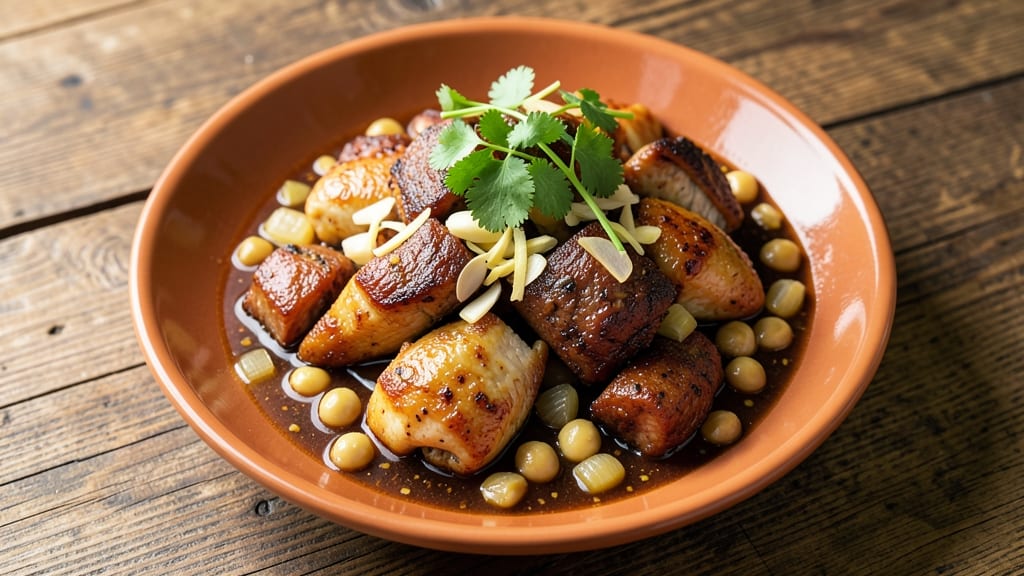
This Filipino chicken and pork stew with beans delivers the kind of rich, soy-kissed depth that makes family dinners unforgettable.
I first tasted this dish at a local Filipino restaurant in Atlanta, where the aromatic blend of garlic, ginger, and soy sauce created layers of umami that lingered long after the last bite.
The secret lies in balancing tender proteins with hearty beans, all simmered until the flavors meld into perfect harmony.
What sets this recipe apart is its simplicity—just a few key ingredients transform into a deeply satisfying meal. The chicken and pork break down beautifully during the braising process, while the beans add texture and absorb the savory broth.
Traditional Filipino flavors shine through with soy sauce, vinegar, and spices, but I’ve included a modern twist with coconut milk for added richness. This one-pot wonder is perfect for busy weeknights or weekend gatherings.
The result is a stew that’s both comforting and vibrant, with tender meat that falls apart and a broth so flavorful it deserves a spoon. The soy-kissed depth comes from slow simmering, allowing the garlic and ginger to infuse every bite.
Serve it over steamed rice to soak up every last drop of that aromatic sauce—trust me, you’ll want to make this again and again.
Whether you're feeding a crowd or meal prepping for the week, this recipe scales effortlessly. The flavors only deepen as it sits, making it ideal for leftovers. Here’s how to bring this Filipino classic to your table—no shortcuts, just pure, satisfying taste.
Ingredients for chicken with pork and beans filipino
Sixteen ingredients for a stew that tastes like home—rich, comforting, and packed with Filipino soul.
| Ingredient | Amount | Notes |
|---|---|---|
| Boneless Chicken Thighs 🍗 | 1 ½ lb | Cut into 1-inch pieces |
| Pork Shoulder 🥓 | 1 ½ lb | Cut into 1-inch cubes |
| Large Garlic Cloves 🧄 | 8 cloves | Minced for depth of flavor |
| Fresh Ginger 🌿 | 2 tbsp | Grated, aromatic base |
| Yellow Onion 🧅 | 1 whole | Diced, for sweetness |
| Canned Chickpeas 🌱 | 1 can | Drained, for texture |
| Coconut Milk 🥥 | 1 can | Full-fat for richness |
| Soy Sauce 🍶 | ½ cup | High-quality, umami boost |
| Cane Vinegar 🍋 | 2 tbsp | Balances flavors |
| Tomato Paste 🍅 | 2 tbsp | For depth, not sweetness |
| Bay Leaves 🌿 | 2 whole | Dried, aromatic |
| Black Peppercorns 🌶️ | 1 tsp | Freshly cracked |
| Sea Salt 🧂 | 1 ½ tsp | Kosher preferred |
| Olive Oil 🫒 | 2 tbsp | For initial searing |
| Jasmine Rice 🍚 | 2 cups | Uncooked, for serving |
The proteins are where this dish shines. Chicken thighs stay juicy while the pork shoulder breaks down into tender chunks—don't substitute with chicken breast, it'll dry out. I grab mine from Costco when I'm making this for a crowd, but the regular grocery store cuts work just fine. Look for pork shoulder with good marbling, not the lean stuff. The garlic and ginger? Fresh is non-negotiable—frozen or jarred just won't cut it. I usually buy a whole head of garlic and a big knob of ginger, then freeze what I don't use immediately. The chickpeas can be canned or dried—just make sure they're drained well.
No soy sauce? Coconut aminos works in a pinch, though it's milder. Fresh ginger too expensive? Ground ginger at half the amount gets you close, but you'll miss that fresh zing. The coconut milk adds richness, but if you're avoiding dairy, full-fat cashew cream is a great swap. Vinegar substitute? Lemon juice plus a pinch of sugar mimics the tang. For the tomato paste, I always reach for San Marzano if I'm feeling fancy, but regular works too. The bay leaves are key—don't skip them, but remove them before serving. And trust me on the olive oil: extra-virgin makes all the difference when you're searing the meat.
This stew gets better as it sits, so make a big batch. It keeps for 5 days in the fridge, and freezes beautifully for 3 months—just thaw overnight in the fridge. I always make extra rice too, since everyone will want seconds. The flavors deepen after the first day, so leftovers taste even better. Store in airtight containers, and if you're freezing, portion it into meal-sized servings. Pro tip: Coconut milk separates when frozen, so stir it well before reheating.
Why You'll Love This Recipe
- One-Pot Magic: The chicken thighs and pork shoulder practically cook themselves in that same pot—no extra pans, no fuss. Just brown the meat, toss in the onions and garlic, add the beans and broth, and let it simmer. My weekday dinners have never been this hands-off.
- Garlic-Ginger Bomb: Between us, that minced garlic and ginger—sizzled until fragrant—is where the real magic happens. The pork shoulder melts into tender shreds while the chicken stays juicy, all wrapped in that warm, aromatic base. Honestly, the first bite makes me forget I’m even cooking.
- Leftover Goldmine: This dish only gets better the next day. The flavors deepen, the pork gets even more fall-apart tender, and it reheats like a dream. I make double batches on Sundays because my freezer (and my lunchbox) thank me every week.
- Budget-Friendly Feast: Chicken thighs and pork shoulder stretch across meals without breaking the bank. The onions, garlic, and ginger are pantry staples, and a can of beans keeps it affordable. It’s the kind of recipe that makes grocery day feel like a win.
Step-by-step instructions for chicken, pork, and beans Filipino stew
Here's how to make this rich, savory Filipino stew that balances tender meats with hearty chickpeas.
Prepare the Meats and Aromatics
Cut the 1.5 lb boneless chicken thighs into 1-inch pieces and set aside. Dice the 1.5 lb pork shoulder into 1-inch cubes—this size ensures even cooking and maximum flavor absorption. In a large bowl, combine the chicken and pork with ½ cup soy sauce, 2 tbsp cane vinegar, and 1.5 tsp sea salt. Toss gently to coat evenly and let marinate while you prep the aromatics.
Peel and finely mince the 8 cloves large garlic—you want a paste-like consistency for deep flavor. Grate the 2 tbsp fresh ginger using a microplane or fine grater. Dice the whole yellow onion into small, even pieces. Set these aside; we'll toast them soon to build flavor depth.
Sear the Meats for Maximum Flavor
Heat a large Dutch oven or heavy pot over medium-high heat until hot. Add the 2 tbsp olive oil and let it shimmer for 30 seconds. Working in batches to avoid crowding, add the marinated chicken and pork. Sear for 4-5 minutes per batch, stirring occasionally, until the meat develops a deep golden-brown crust. Transfer the seared meat to a plate and set aside.
In the same pot, reduce heat to medium and add the minced garlic, ginger, and diced onion. Cook for 3-4 minutes until the garlic turns golden and the onion softens. Stir in the 2 tbsp tomato paste and cook for another 1 minute until it darkens slightly—this adds rich depth to the stew.
Build the Savory Base
Return the seared meats to the pot along with any accumulated juices. Add the 1 can drained chickpeas, 1 can coconut milk, and 2 whole bay leaves. Stir gently to combine, then bring the mixture to a gentle simmer. The stew should bubble softly—if it's too vigorous, reduce the heat slightly. Let it cook uncovered for 30 minutes, stirring occasionally, until the meats are tender and the flavors meld together.
After 30 minutes, taste the stew and adjust seasoning if needed. You might want to add a splash more soy sauce for umami or a pinch of sea salt if it needs balance. The coconut milk should create a creamy, velvety texture while the chickpeas add satisfying texture contrast.
Finish with Pepper and Rest
Remove the 2 bay leaves and coarsely crack the 1 tsp black peppercorns over the stew. Give it a final stir to distribute the pepper evenly. Let the stew simmer uncovered for another 10-15 minutes to allow the flavors to deepen and the coconut milk to thicken slightly. The meats should be fork-tender with no resistance when pierced.
Once the stew reaches perfect tenderness, remove it from heat and let it rest for 10 minutes. This resting period allows the juices to redistribute throughout the meats, ensuring each bite is moist and flavorful. Serve the stew hot over 2 cups cooked jasmine rice, letting diners spoon the rich, savory broth over their rice.
Pro Tips For Making Chicken With Pork And Beans Filipino
- Brown the Pork First: I learned this the hard way—starting with chicken means you’ll end up with mushy meat. Sear the pork shoulder in batches until it’s deep golden, not just pink. That crust locks in flavor and keeps it from turning into a sad, greasy pile later.
- Mince the Ginger Roughly: No need for perfect julienne here. Chop the ginger into uneven chunks—about ½-inch pieces—and let it bloom in the oil with the garlic. The texture stays chewy and aromatic, not pasty. (Yes, even if you’re impatient like me.)
- Don’t Crowd the Pot: If you pile all the meat in at once, you’ll steam it instead of sear it. Work in two batches—pork first, then chicken—so the meat gets that caramelized bite. Trust me, your future self will notice the difference.
- Simmer Low and Slow: After adding the beans and broth, drop the heat to a bare simmer. Too much boiling and the pork turns rubbery; too little and the chicken stays raw. Aim for tiny bubbles—just enough to keep things moving without a frenzy. (Your slow cooker can’t do this for you.)
Troubleshooting great chicken with pork and beans filipino
Meat Not Tender
If your chicken or pork turns out tough instead of tender, it’s likely cooked too quickly or not long enough. This stew needs patience—simmer uncovered for at least 1 hour (up to 1.5 hours) to break down the connective tissue.
I’ve seen home cooks rush it, but trust the process. Use a meat thermometer to check doneness: chicken should reach 165°F, pork 195°F for pull-apart tenderness. 💪
Broth Too Thin
A watery stew usually means the coconut milk wasn’t incorporated properly or the heat was too high. Reduce the heat to low-medium after adding the coconut milk, and let it simmer gently. If it’s still too thin, mash a few chickpeas into the broth to thicken it naturally.
I’ve also used a cornstarch slurry (1 tbsp cornstarch + 2 tbsp water) as a last resort—just whisk it in off the heat.
Overpowering Vinegar
Too much vinegar can make the dish taste harsh. Start with 2 tbsp cane vinegar and adjust as you go—taste after 20 minutes of simmering. If it’s too sharp, balance it with a pinch of sugar or more soy sauce.
I’ve found that apple cider vinegar works better than white vinegar for this recipe, as it has a milder tang. 🍋
Garlic Burnt
Burnt garlic ruins the whole dish—it’s all about timing. Once the meat is seared and removed, cook the garlic, ginger, and onion over medium heat for no more than 3-4 minutes. If you see the garlic turning dark brown too quickly, reduce the heat slightly.
I’ve even used a light-colored pan to monitor the color better—it’s easier to spot when things are getting too dark.
Coconut Milk Separates
This happens when the stew sits too long at high heat or if the coconut milk is old. Always use full-fat coconut milk and stir gently when reheating. If it separates, whisk in 1 tbsp cornstarch or a splash of cold water to re-emulsify it.
For extra insurance, I add a pinch of xanthan gum (⅛ tsp) when simmering—it keeps the milk smooth even after reheating. 🥥
Beans Too Soft
If your chickpeas turn mushy, they’ve overcooked. Add them to the stew only after the meats have simmered for 30 minutes—this way, they absorb flavor without breaking down. For extra texture, use fresh or dried beans instead of canned, as they hold up better.
If you’re using canned, rinse them well to remove excess starch that can make them gummy.
Nutrition facts
Frequently asked questions
Can I use chicken breast instead of thighs?
I don’t recommend it—chicken breast is leaner and dries out during the long simmer. Stick with thighs or drumsticks for juicy, flavorful meat that holds up perfectly. If you must use breast, cut it into smaller pieces and add it only in the last 15 minutes of cooking to prevent toughness.
What kind of beans work best in this stew?
Canned chickpeas are easiest, but you can use green beans, kidney beans, or even mung beans for a lighter texture. For extra heartiness, try black-eyed peas. If using dried beans, soak them overnight first—they’ll absorb more flavor during the long simmer.
How can I make this dish spicier?
Add 1 tsp ground black pepper or ½ tsp cayenne when searing the meat, and include 1-2 sliced Thai chilies with the aromatics. For heat lovers, stir in 1 tbsp gochujang (Korean chili paste) at the end. Remember: you can always add more spice, but you can’t take it out!
Can I make this in an Instant Pot?
Sear the meats as directed, then transfer everything to the Instant Pot. Cook on high pressure for 25 minutes, then do a natural release. The coconut milk may separate slightly, so stir well before serving. For extra richness, add ½ cup water to help emulsify it.
What sides pair well with this stew?
This dish is perfect with steamed jasmine rice, garlic fried rice, or buttered noodles. For a complete meal, add sautéed green beans or a simple Filipino-style atchara salad (pickled papaya). The creamy coconut broth also complements warm tortillas or crusty bread for dipping.