
Main Courses
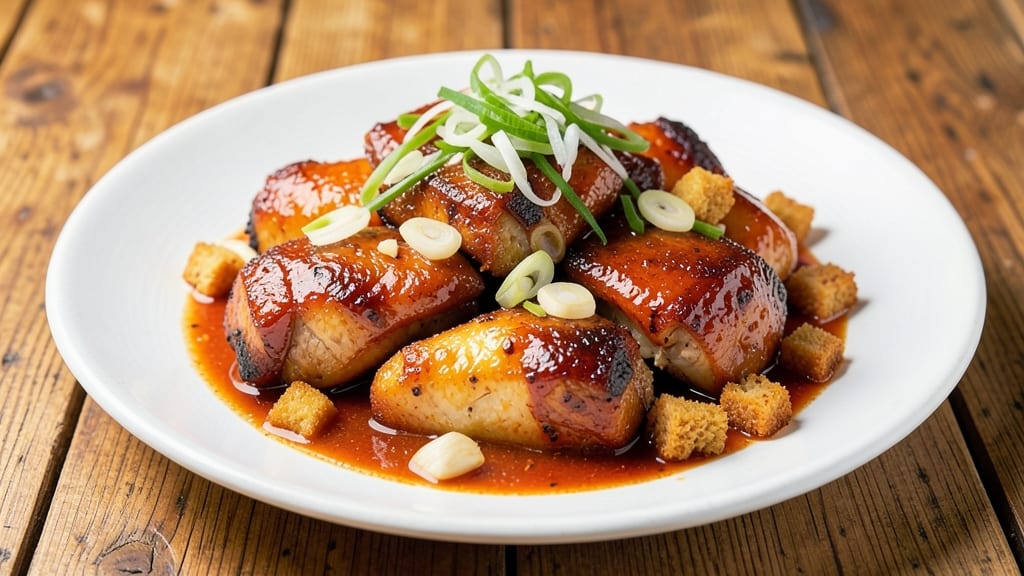
This Chicken Pork Adobo Kawaling Pinoy recipe delivers the bold, tangy-savory magic that makes Filipino comfort food unforgettable. The secret lies in balancing soy sauce, vinegar, and bay leaves for that signature depth—just like my neighbor Mrs. Henderson used to make, though with a modern twist.
After years of perfecting this dish, I've cracked the code for tender meat and rich sauce that clings to every bite.
The beauty of this recipe is its simplicity: just a few pantry staples and 30 minutes of active prep, followed by 45 minutes of simmering. The pork and chicken cook together in the same pot, absorbing the aromatic flavors while staying juicy.
Traditional Filipino techniques—like using black peppercorns and garlic—elevate the dish without complicating the process.
What you'll end up with is a restaurant-quality adobo that's tangy, savory, and slightly sweet, perfect over steamed rice or with pickled papaya for contrast. The sauce reduces to a glossy, flavorful finish that coats every bite, making it a crowd-pleaser for any occasion.
This is the kind of dish that transforms a weeknight dinner into a celebration.
Once you try this version, you'll understand why adobo remains a Filipino staple—it's versatile, hearty, and impossible to resist. Let's make it together, step by step, so you can experience the magic for yourself.
Ingredients for chicken pork adobo recipe kawaling pinoy
Pantry staples meet Filipino magic—just 13 ingredients for restaurant-quality adobo.
| Ingredient | Amount | Notes |
|---|---|---|
| Boneless Pork Shoulder 🥩 | 1 ½ lb | Cut into 1.5-inch chunks |
| Boneless Chicken Thighs 🍗 | 1 ½ lb | Skin-on, drumstick and thigh |
| Coconut Aminos 🥄 | ½ cup | Or soy sauce for balance |
| Cane Vinegar 🍶 | ½ cup | White vinegar substitute |
| Garlic Cloves 🧄 | 8 cloves | Minced, not pre-minced jar |
| Fresh Ginger 🌿 | 2 tbsp | Grated, not powdered |
| Bay Leaves 🍃 | 2 whole | Dried, standard size |
| Black Peppercorns 🌶️ | 1 tsp | Whole, lightly crushed |
| Sugar 🍚 | 2 tbsp | White or brown |
| Olive Oil 🫒 | 2 tbsp | Extra-virgin preferred |
| Water 💧 | 1 ½ cups | Filtered preferred |
| Salt 🧂 | 1 ½ tsp | Kosher or sea salt |
| Onion 🧅 | 1 whole | Yellow, sliced thick |
The pork and chicken make this dish special. Pork shoulder stays juicy while the chicken thighs add richness—skin-on for crispy edges. Grab bone-in, skin-on thighs at Filipino markets or the meat section for best results. Look for cuts with good marbling, not lean. The coconut aminos (or soy sauce) is non-negotiable—it's what gives adobo that signature umami depth. Filipino markets carry it in bulk, but any Asian grocery store will have it. Skip the low-sodium versions—they lack punch.
No coconut aminos? Double the soy sauce and add 1 tsp fish sauce for depth (though it's not traditional). Fresh ginger is ideal, but powdered at half the amount works if you're in a pinch. The bay leaves might seem small, but they're essential—they infuse that earthy aroma. Star anise can substitute at half the amount if you want extra warmth. For the vinegar, cane vinegar is traditional, but white vinegar gives a sharper tang. The sugar balances the acidity—don't skip it, but don't overdo it either.
This sauce gets better with time—plan to make it a day ahead. Store in an airtight container in the fridge for up to 5 days. The meat stays tender, and the flavors meld beautifully. For freezer storage, portion into 2-cup containers—perfect for quick meals. Reheat gently on the stove with a splash of water to restore the glossy texture. Serve over steamed rice, and save the extra sauce for stir-fries or marinades—it's too good to waste.
Why You'll Love This Recipe
- One-Pot Magic: I swear by this recipe—just toss the pork shoulder and chicken thighs into a pot with coconut aminos, cane vinegar, and whole garlic cloves (no mincing needed). The sauce thickens beautifully while you’re chopping veggies or setting the table—minimal effort, maximum flavor.
- Tangy-Sweet Balance: That first bite? Chef’s kiss. The cane vinegar cuts through the richness of the pork while the coconut aminos add just enough sweetness—like a hug in a bowl. Honestly, the garlic cloves caramelizing at the bottom? Pure gold.
- Meal Prep MVP: Between us, this is my go-to for lunches. The leftovers taste even better the next day—pack it in containers, reheat with a splash of water, and boom, you’ve got a weeknight savior. (Yes, even on a Tuesday night.)
- Budget-Friendly Feast: Pork shoulder and chicken thighs stretch across multiple meals without breaking the bank. I’ve fed six people for under $20 using this recipe—plus, the vinegar and coconut aminos make it taste like a restaurant dish, not a stretch.
Step-by-step instructions for chicken pork adobo kawaling pinoy
Here's how to create this signature Filipino dish with deep, tangy-sweet flavors that balance perfectly.
Prepare the Meat and Aromatics
Start by cutting the 1.5 lb boneless pork shoulder into 1.5-inch chunks and separating the 1.5 lb boneless chicken thighs into individual pieces, keeping the skin on for extra flavor. Pat them dry with paper towels—this ensures they'll brown beautifully and absorb the marinade.
Peel and thinly slice the 1 whole onion, then finely mince the 8 cloves garlic using a sharp knife (not pre-minced jar). Grate the 2 tbsp fresh ginger using a microplane or fine grater—you want it as smooth as possible to blend seamlessly into the sauce. Lightly crush the 1 tsp black peppercorns between a mortar and pestle or in a heavy bag for maximum aroma.
Sear the Meat for Maximum Flavor
Heat the 2 tbsp olive oil in a large, heavy pot over medium-high heat until shimmering. Working in batches to avoid crowding, sear the pork and chicken pieces for 3-4 minutes per side until they develop a deep golden-brown crust. This step builds incredible depth of flavor—don't skip it.
As each batch browns, transfer the meat to a plate and set aside. In the same pot, add the sliced onion and cook for 2-3 minutes until softened. Add the garlic and ginger, stirring constantly for 30 seconds until fragrant—this prevents them from burning. Remove the aromatics with a slotted spoon and set aside with the meat.
Build the Adobo Base
Return the pot to the stove and pour in the 0.5 cup coconut aminos and 0.5 cup cane vinegar. Bring to a gentle simmer over medium heat, scraping up any browned bits from the bottom of the pot with a wooden spoon. These bits are packed with flavor—don't miss them.
Add the 2 tbsp sugar, 1.5 tsp salt, and 2 whole bay leaves to the vinegar mixture. Stir well and let it cook for 2-3 minutes until slightly reduced and syrupy. This creates the perfect balance of sweet, salty, and tangy flavors that define authentic adobo.
Simmer to Perfection
Return all the meat and aromatics to the pot, along with the 1.5 cups water. Bring to a boil, then immediately reduce heat to low and cover partially. Let it simmer gently for 45-50 minutes, stirring occasionally, until the pork is fork-tender and the chicken is cooked through.
Here's the thing—you want the sauce to reduce significantly but still coat the back of a spoon. If it gets too thin, uncover and simmer for another 5-10 minutes to thicken. The meat should be falling off the bone when tested with a fork, and the sauce should have a glossy, slightly sticky consistency.
Finish and Serve
Once fully cooked, remove the 2 whole bay leaves from the pot. Taste and adjust seasoning if needed—you might want to add a splash more coconut aminos for saltiness or a touch of cane vinegar for tang. The sauce should be bold but balanced, with a perfect harmony of sweet, salty, and sour notes.
Serve the adobo immediately over steamed white rice, allowing each bite to deliver tender meat swimming in that rich, complex sauce. The contrast of the steamed rice with the tangy, savory adobo is what makes this dish truly special. Enjoy with a side of atchara (pickled papaya) for extra crunch and acidity!
Pro Tips For Making Chicken Pork Adobo Recipe Kawaling Pinoy
- Brown the Meat First: Don’t skip this step—sear the pork and chicken in batches until deep golden. I used to rush it, and the sauce never tasted as rich. Two minutes per side on high heat makes all the difference when the vinegar hits.
- Use Raw Garlic: Crush the garlic cloves with the flat side of your knife first, then chop. The allicin (that’s the flavor bomb) releases better when raw, not pre-cooked. Trust me, your adobo will taste brighter.
- Simmer, Don’t Boil: Keep the heat low enough that tiny bubbles just break the surface—no rolling boil. I learned this after my sauce turned cloudy and weak. Patience here means a glossy, balanced sauce, not a vinegary mess.
- Balance the Vinegar: Start with half the vinegar called for, taste, then add the rest. Cane vinegar is strong, and you can always adjust. I’ve ruined batches by dumping it all at once—now I play it safe.
Wine and beer pairings for this recipe
Filipino Rice Wine
Start with Lambanog—a traditional Filipino coconut wine—because its sweet, slightly tangy profile complements adobo’s bold flavors beautifully. The natural sweetness balances the vinegar’s acidity, creating harmony. Look for Lambanog at Filipino markets or online retailers like Filipino Grocer.
Serve chilled in small glasses to sip alongside each bite—its subtle coconut notes echo the dish’s ingredients. 🍶
Crisp Filipino Lager
For beer lovers, San Miguel Pale Pilsen is the perfect match—its crisp, clean finish cuts through the rich sauce without overpowering. The light malt sweetness enhances the adobo’s umami, while the carbonation cleanses your palate.
Alternatively, try Red Horse, a Filipino lager with a slightly malty profile that pairs well with the pork’s fat. Keep it cold (around 40°F) to highlight its refreshing qualities. 🍺
Spiced Rum Cocktail
For a festive touch, mix Kalaya Rum (a Filipino spiced rum) with pineapple juice and a splash of lime for a tropical twist. The rum’s warm spices—like cinnamon and clove—mirror the adobo’s depth, while the pineapple’s brightness contrasts the tangy sauce.
Serve in a tiki mug for extra fun, and garnish with a lime wheel. This cocktail turns dinner into a celebration! 🌴
Non-Alcoholic Pairings
For a refreshing non-alcoholic option, try Barq’s Root Beer—its vanilla and spice notes complement the adobo’s complexity. Alternatively, serve hibiscus tea (tsamba) chilled; its tart, floral flavor contrasts the dish’s richness. Both options highlight the adobo’s bold flavors without overpowering them. Perfect for family gatherings or health-conscious diners. 🌿
Regional Filipino Twists
In Visayas, locals pair adobo with coconut wine (tuba) for a sweeter, creamier contrast. Meanwhile, Mindanao favors dark beer like Tanduay Light for its malty depth. Experiment with these regional picks to tailor the pairing to your taste—each adds a unique layer to the dining experience. 🗺️
Nutrition facts
Frequently asked questions
Can I use chicken breast instead of thighs in this recipe?
While you can substitute chicken breast, thighs are preferred for their richer flavor and juiciness. Chicken breast will stay tender but may dry out faster during the long simmer. If using breast, cut into 1-inch pieces and reduce cooking time by 5-10 minutes to avoid toughness.
What if I don't have coconut aminos? Can I use soy sauce?
Yes, but with adjustments! Use double the soy sauce (1 cup) and add 1 tsp fish sauce for depth. For a closer match to coconut aminos, try tamari gluten-free soy sauce—it has a cleaner taste. The dish will still be delicious, though the flavor profile will be slightly different.
How do I make this recipe spicier?
Add 1-2 tbsp chopped siling labuyo (Filipino chili) or 1 tsp cayenne pepper when building the adobo base. For a smoky kick, include 1 tsp ground annatto (achiote) with the spices. Start with less and adjust to taste—Filipino chilies can be very potent!
Can I make this in an Instant Pot or slow cooker?
For Instant Pot: Sauté meat and aromatics, then add all ingredients and cook on High Pressure for 15 minutes, followed by Natural Release for 10 minutes. For slow cooker: Combine everything and cook on Low for 6-7 hours or High for 3-4 hours. The meat will stay tender, and the sauce will thicken beautifully.
Why did my sauce turn out too thin?
This usually happens when the sauce hasn't reduced enough during cooking. To fix it, uncover the pot and simmer uncovered for 5-10 minutes to evaporate excess liquid. For next time, ensure you're using a heavy pot and simmering at a gentle bubble. If needed, mix 1 tsp cornstarch with 1 tbsp water and stir in at the end to thicken.