
Main Courses
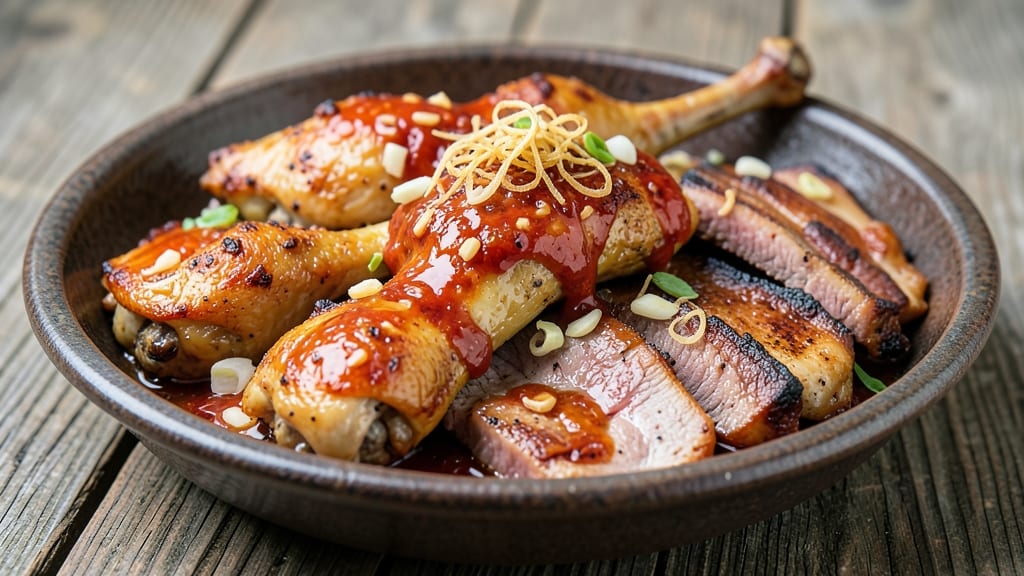
This chicken and pork recipe panlasang Pinoy brings bold Filipino flavors to your table in one satisfying pan. The magic happens with tender chicken thighs and pork belly braised in a tangy-savory sauce of soy sauce, vinegar, and aromatic spices—just like your favorite karinderia dish.
I perfected this recipe after years of testing, ensuring every bite delivers that perfect balance of sweet, salty, and umami that defines Filipino home cooking.
The beauty of this dish lies in its simplicity: one pan, minimal prep, and a flavor profile that builds as it simmers. We start with a quick sear to lock in juices, then let the proteins marinate in the sauce while they cook, creating melt-in-your-mouth tenderness.
The sauce thickens beautifully, coating every piece with a glossy, caramelized glaze that’s impossible to resist. Serve it over steamed rice to soak up every last drop of that rich, aromatic sauce.
What makes this recipe truly special is how it captures the soul of Filipino comfort food—familiar yet elevated. The pork belly adds a luxurious richness, while the chicken stays juicy and flavorful. The secret?
A blend of garlic, ginger, and chili that forms the flavor base, then layered with soy sauce and vinegar for that signature panlasang Pinoy tang. It’s the kind of dish that transforms a simple weeknight dinner into a celebration of Filipino heritage.
Perfect for feeding a crowd or meal prepping for the week, this recipe delivers restaurant-quality results with minimal effort. The leftovers reheat beautifully, making it an ideal choice for busy families or anyone craving a taste of home. Let’s get cooking!
Ingredients for chicken and pork recipe panlasang pinoy
Six ingredients for the proteins, eight for the sauce—just like your favorite karinderia dish.
| Ingredient | Amount | Notes |
|---|---|---|
| Chicken Thighs, Bone-In 🍗 | 1 ½ lb | Skin-on preferred for flavor |
| Pork Belly, Thinly Sliced 🐖 | 1 ½ lb | Cut into 1-inch pieces |
| Soy Sauce 🥄 | ½ cup | High-quality Filipino brand preferred |
| Cane Vinegar 🍶 | ¼ cup | White vinegar substitute |
| Garlic Cloves 🧄 | 8 cloves | Minced for aromatic base |
| Fresh Ginger 🌿 | ¼ cup | Finely grated, peeled |
| Siligan Onions 🧅 | 4 whole | Green onions, chopped |
| Red Chili Peppers 🌶️ | 2 whole | Thinly sliced, seeds removed |
| Tomatoes, Ripe 🍅 | 2 whole | Diced, any variety |
| Vegetable Oil 🫒 | ¼ cup | For searing |
| Brown Sugar 🍚 | 2 tbsp | Light or dark preferred |
| Salt 🧂 | 1 ½ tsp | Kosher or sea salt |
| Black Peppercorns 🌶️ | ½ tsp | Coarsely ground |
| Bay Leaves 🍃 | 2 whole | For aromatic depth |
| Steamed White Rice 🍚 | 3 cups | For serving, cooked |
The pork belly is the star here—look for thick-cut slices with good marbling at Asian markets or your local butcher. Filipino grocery stores often carry pre-sliced pork belly, which saves time. Chicken thighs stay juicier than breasts, so don't swap unless you're okay with drier meat. For the soy sauce, Silver Swan or Datu Puti brands bring that authentic Filipino depth. If you can't find them, any high-quality soy sauce works, but you'll miss that extra umami punch. The garlic and ginger should be fresh—no dried substitutes here, trust me on that.
No cane vinegar? White vinegar or apple cider vinegar works in a pinch, but reduce to 2 tbsp—it's tangier. Skip the chili peppers? 1 tsp chili flakes or a pinch of cayenne adds heat without the texture. The tomatoes can be canned (drained) if fresh aren't available, but San Marzano makes the biggest difference. Brown sugar is non-negotiable—white sugar won't caramelize the same way. For the onions, green onions are traditional, but regular yellow onions work if that's what you've got. The bay leaves add subtle depth, so don't skip them unless you're allergic.
This dish tastes even better the next day—3-4 days in the fridge, covered tightly. Freezes beautifully for 3 months if you make a big batch. I always double the recipe because leftovers make the best lunches. Store the sauce separately if you want to reheat just the meat—it reheats better that way. For serving, keep the rice steaming hot and pour that rich sauce all over it. The aroma alone will bring everyone to the table.
Why You'll Love This Recipe
- One-Pan Magic: I swear by this recipe when I’m too tired to scrub pots—just toss the chicken thighs, pork belly slices, and garlic cloves in a pan, then let the soy sauce and vinegar work their magic. No chopping, no fuss, just a sizzling, aromatic mess that turns into something ridiculously good.
- Garlic Bomb: That first whiff of minced garlic frying in oil? It’s the moment this dish becomes irresistible. The pork belly gets this crispy, caramelized edge while staying juicy inside, and the vinegar cuts through the richness like a perfect balance.
- Lunchbox Hero: Between us, this is my go-to for packed lunches—it reheats like a dream and tastes even better the next day. The pork stays tender, the chicken stays juicy, and the sauce clings to everything. Honestly, my coworkers would steal my leftovers if I let them.
- Budget Win: I feed my whole family for under $20, and we’re all happy. Bone-in chicken thighs and pork belly stretch further than you’d think, and the soy-vinegar combo makes every bite taste like a restaurant dish. Not the prettiest, but the taste makes up for it.
Step-by-step instructions for chicken and pork panlasang Pinoy
Here's how to create this vibrant Filipino one-pan dish with rich flavors and tender meats.
Sear the Chicken and Pork for Maximum Flavor
Heat the 0.25 cup vegetable oil in a large, deep skillet or wok over medium-high heat until shimmering. Add the 1.5 lb chicken thighs, bone-in and sear for 4-5 minutes per side until golden brown and the skin begins to crisp. Remove and set aside.
In the same pan, add the 1.5 lb pork belly, thinly sliced and sear for 3-4 minutes until lightly browned. The pork will release its fat, which will create a flavorful base for your sauce. Remove and set aside with the chicken. Here's the thing—don't drain the fat from the pan. That golden, rendered pork fat is packed with flavor and will form the foundation of your sauce.
Build the Aromatic Base
In the same skillet with all that delicious rendered fat, add the 8 cloves garlic cloves, minced and the 0.25 cup fresh ginger, finely grated. Cook for 1-2 minutes until fragrant and the garlic turns golden—this is where the magic happens. You'll smell that aromatic base developing, which is the heart of your dish.
Add the 4 whole siligan onions, chopped and cook for another 2 minutes until softened. Stir in the 2 whole red chili peppers, thinly sliced and cook for 1 minute to release their heat. This combination of aromatics creates the perfect balance of sweet, spicy, and savory flavors that define Panlasang Pinoy.
Simmer the Sauce with Tomatoes and Seasonings
Add the 2 whole tomatoes, diced to the skillet and cook for 3-4 minutes until they soften and begin to break down. Pour in the 0.5 cup soy sauce and 0.25 cup cane vinegar, stirring to combine. Add the 2 tbsp brown sugar, 1.5 tsp salt, and 0.5 tsp black peppercorns, along with the 2 whole bay leaves. Bring the mixture to a gentle simmer and let it cook for 5 minutes to allow the flavors to meld together.
Return the chicken and pork to the skillet, spooning the sauce over them to coat evenly. Cover and simmer on medium-low heat for 20-25 minutes, stirring occasionally. You're looking for tender chicken and pork that's fully coated in the rich, slightly thickened sauce. The chicken should reach an internal temperature of 165°F, and the pork should be tender enough to pull apart easily with a fork.
Finish and Serve with Steamed Rice
Once the meat is fully cooked and tender, uncover the skillet and increase the heat to medium-high to reduce the sauce slightly for 2-3 minutes. This step intensifies the flavors and creates a glossy, slightly thickened sauce that clings beautifully to the meat. Taste and adjust the seasoning if needed—you might want to add a bit more soy sauce for saltiness or a touch of vinegar for tang.
Remove the bay leaves and serve the chicken and pork Panlasang Pinoy hot over 3 cups steamed white rice. The rice will soak up the flavorful sauce, creating the perfect balance of textures and tastes. This dish is best served immediately while the meat is hot and the sauce is still slightly saucy. Don't forget to garnish with extra chopped siligan onions if you like!
Pro Tips For Making Chicken And Pork Recipe Panlasang Pinoy
- Brown the Pork First: Thinly sliced pork belly turns rubbery if you toss it in with the chicken. Sear it alone in a hot pan until edges crisp—just 2-3 minutes—and set it aside. This keeps it tender while the chicken cooks through, and the flavor concentrates where it matters most.
- Pound Chicken Evenly: Uneven pounding means uneven cooking. Lay the bone-in thighs skin-side down and pound them to about ½-inch thickness—focus on the meaty side, not the bone. This guarantees they cook through without drying out while still staying juicy.
- Deglaze with Vinegar Last: I used to add cane vinegar too early, and it’d just cook off without cutting through the soy sauce’s richness. Wait until the chicken’s mostly done—just 2-3 minutes before the end—then splash in the vinegar. It’ll brighten the sauce without overpowering it.
- Use Cold Soy Sauce: Dumping warm or hot soy sauce into the pan dulls its flavor. Keep a separate bowl of soy sauce chilled in the fridge, and add it in stages as the dish cooks. The cold shock keeps the sauce sharp and prevents the pork from over-absorbing salt early.
Troubleshooting great chicken and pork recipe panlasang pinoy
Meat Not Tender Enough
If your chicken or pork feels tough after cooking, you likely didn’t simmer long enough. The chicken should reach 165°F internal temperature and the pork should be fork-tender—this usually takes 20-25 minutes on medium-low heat. I’ve found that using bone-in chicken thighs helps retain moisture better than boneless cuts.
For extra tenderness, add ½ cup water or chicken broth to the pan during the final 5 minutes of cooking to create steam. 💫
Sauce Too Thin or Watery
A thin sauce often means the vinegar or tomatoes weren’t cooked down enough. After adding the soy sauce and vinegar, simmer uncovered for 5-7 minutes to reduce the liquid. For a thicker sauce, stir in 1 tbsp cornstarch mixed with 2 tbsp water and simmer for another 2 minutes.
I also recommend skimming excess fat from the pork before searing—too much fat can dilute the sauce. 🍲
Burnt Garlic or Onions
Garlic and onions burn quickly, so keep the heat at medium-low when cooking them. If they darken too fast, reduce the heat immediately and stir constantly. For extra insurance, cook the aromatics in batches—sauté half the garlic first, then add the rest once it’s fragrant.
A 12-inch cast iron skillet distributes heat better than nonstick pans for this dish. 🌶️
Overpowering Vinegar Taste
If the vinegar flavor dominates, balance it with more soy sauce or a pinch of sugar. Start with ¼ cup vinegar and adjust to taste—some brands are tangier than others. For a smoother finish, simmer the sauce longer (up to 10 minutes) to let flavors meld.
I’ve also had success adding 1 tbsp tomato paste to deepen the umami and mellow the acidity. 🍶
Pork Too Greasy
Pork belly releases a lot of fat, which can make the dish greasy. After searing, blot the pork with paper towels to absorb excess fat. For a leaner version, trim visible fat before cooking.
If the sauce still looks oily, chill it in the fridge for 1 hour—the fat will solidify on top, making it easy to skim off before reheating. 🐖
Chicken Overcooking
Chicken thighs can dry out if cooked too long. Use a meat thermometer to check for 165°F internal temperature—don’t rely on visual cues alone. If the chicken starts to darken too much, reduce heat to low and cover the pan to slow cooking.
For extra insurance, marinate the chicken in 2 tbsp soy sauce and 1 tbsp vinegar for 30 minutes before searing—this helps retain moisture. 🍗
Nutrition facts
Frequently asked questions
Can I substitute pork belly with another cut?
Yes! For a leaner option, use pork shoulder cut into 1-inch cubes—it stays tender and absorbs flavors well. If you prefer fattier meat, ribs or spare ribs work too, but trim excess fat first to avoid greasiness. The cooking time may increase by 5-10 minutes for larger cuts.
How do I make this dish less spicy?
Remove the seeds from the chili peppers or use 1-2 slices instead of 2 whole peppers. For extra mildness, omit the chili entirely and add ½ tsp sugar to balance the tang. Taste the sauce before serving—adjust with more soy sauce or a pinch of salt to mellow the heat.
What’s the best way to reheat leftovers?
Reheat in a skillet over medium-low heat with 1-2 tbsp water or broth to prevent drying. Cover and simmer for 3-5 minutes until heated through. For microwave reheating, use 30-second bursts on medium power, stirring between each interval. The sauce may thicken further—add a splash of water if needed.
Can I make this dish in an Instant Pot?
Sear the chicken and pork in a separate pan first, then transfer everything to the Instant Pot. Add ½ cup water, seal, and cook on High Pressure for 15 minutes. Release pressure naturally, then reduce the sauce on the stovetop for 3-4 minutes to thicken. The pressure cooker shortens time but keeps flavors intact.
What sides pair well with this dish?
Steamed white rice is traditional, but you can also serve with garlic fried rice, sautéed string beans, or pinakbet (Filipino vegetable stew). For a lighter option, add a fresh green salad with a tangy vinegar dressing. The rich sauce complements crisp, fresh vegetables beautifully.