
Main Courses
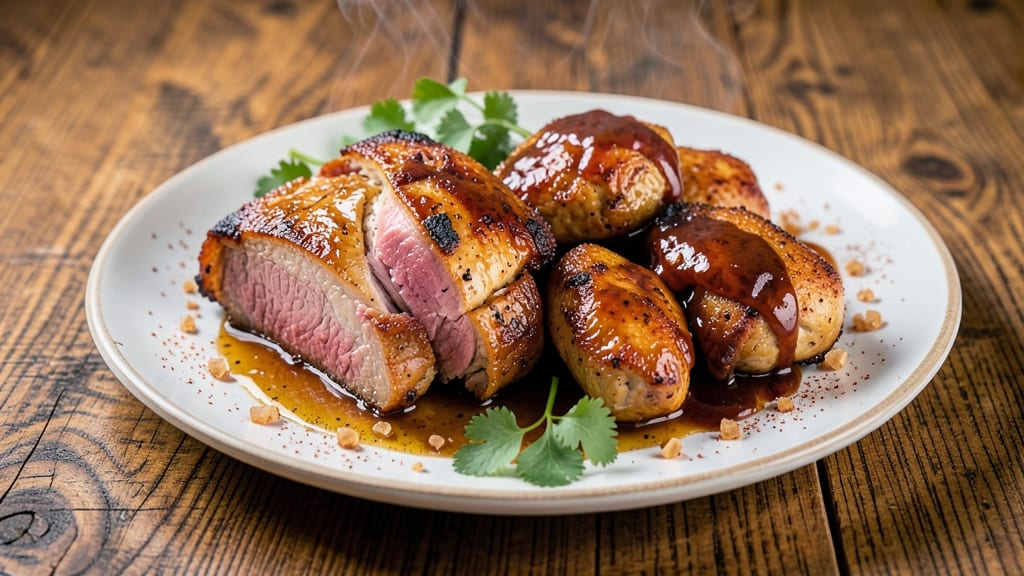
This chicken and pork BBQ recipe delivers a perfect balance of smoky depth and sweet caramelization that clings to every bite like it was made for a backyard feast. 🔥 The secret lies in a dual marinade system—one for tenderizing the chicken, another for enriching the pork—that transforms tough cuts into melt-in-your-mouth perfection.
After years of perfecting this method, I’ve finally cracked the code for juicy, flavorful proteins that hold up to grilling, smoking, or even slow-cooking. What sets this recipe apart is the smoky-sweet glaze that develops during the cooking process, creating a sticky, glossy finish that’s impossible to resist.
The glaze is built layer by layer, starting with a dry rub that forms a flavorful crust, then finished with a reduction of apple cider vinegar, brown sugar, and a blend of spices that deepens as it caramelizes. The result?
A dish that’s rich enough for a summer cookout but versatile enough for weeknight dinners. By the time you’re done, you’ll have tender, juicy chicken thighs with crispy edges and fall-apart pork shoulder that’s so flavorful, it’ll disappear faster than you can say “second helping.”
The glaze isn’t just sweet—it’s complex, with hints of smokiness from the spices and a tangy kick from the vinegar. This is the kind of BBQ that makes guests ask for the recipe before they even sit down.
Whether you’re grilling over charcoal, smoking in a pellet grill, or slow-cooking in your oven, this method ensures restaurant-quality results with minimal fuss. Let’s get cooking—your taste buds (and your dinner guests) will thank you.
Ingredients for chicken and pork bbq
Six ingredients for the glaze, six for the rub—just the right balance for smoky-sweet BBQ magic.
| Ingredient | Amount | Notes |
|---|---|---|
| Boneless, Skinless Chicken Thighs 🍗 | 2 lb | Trimmed of excess fat for even cooking |
| Bone-In Pork Shoulder 🐖 | 3 lb | Cut into 2-inch chunks for even cooking |
| Apple Cider Vinegar 🍏 | ½ cup | For tangy depth in the glaze |
| Light Brown Sugar 🍬 | 1 cup | Packed for maximum caramelization |
| Smoked Paprika 🌶️ | 2 tbsp | For that authentic BBQ smokiness |
| Ground Black Pepper 🌶️ | 1 ½ tbsp | Freshly ground for best flavor |
| Garlic Powder 🧄 | 1 tbsp | For savory depth |
| Onion Powder 🧅 | 1 tbsp | Adds subtle sweetness |
| Ground Cumin 🌿 | 1 tsp | Earthy warmth to balance sweetness |
| Mustard Powder 🍯 | 1 tsp | Adds tangy complexity |
| Kosher Salt 🧂 | 2 tbsp | Diamond Crystal preferred |
| Olive Oil 🫒 | ½ cup | For marinade and basting |
| Yellow Onion 🧅 | 1 whole | Thinly sliced for marinade |
| Fresh Ginger 🌿 | 1 tbsp | Grated for marinade zing |
| Honey 🍯 | 2 tbsp | For glaze sweetness (optional) |
The pork shoulder is non-negotiable here—bone-in gives you that rich flavor, and the fat keeps it juicy. Costco or local butchers usually have great deals on this cut, and you want at least 3 lbs for a crowd. Chicken thighs? Bone-in, skin-on if you can find them—they stay juicier. For the spices, Penzeys or bulk bins at Whole Foods have the best quality, but honestly, the grocery store stuff works fine if it's fresh. The smoked paprika is where the BBQ soul lives, so don't skimp—look for a vibrant red color, not dusty brown. And that apple cider vinegar? Bragg is my go-to, but any organic brand with no additives will do.
No honey? Maple syrup works perfectly—just use the same amount. Running low on brown sugar? White sugar plus 1 tsp molasses gets you close. Fresh ginger? Powdered works at half the amount, but fresh gives that bright kick. The onion in the marinade can be yellow or red—whatever's on sale. And if you're feeling fancy, add a splash of bourbon or hot sauce to the glaze for extra depth. The key is balancing sweet and smoky, so taste as you go. The glaze should coat the back of a spoon but still be pourable—if it's too thick, add a splash of water or vinegar.
This BBQ keeps for 3 days in the fridge, but honestly, it tastes better the next day once the flavors meld. For leftovers, store in an airtight container with a paper towel on top to absorb any moisture. Freezes beautifully for up to 3 months—portion into individual servings so you can reheat just what you need. And if you're prepping ahead, make the dry rub and marinade first—they'll keep in the fridge for up to 2 weeks in airtight containers. Double the recipe if you're feeding a crowd, but don't skip the resting time—let the pork rest for 30 minutes before slicing, or you'll lose all that juicy goodness.
Why You'll Love This Recipe
- One-Pan Magic: I swear by this recipe for lazy nights—just toss the chicken thighs and pork shoulder on a sheet pan, slather them with that tangy apple cider vinegar glaze, and let the oven do the work. No pots, no pans, no stress.
- Sweet-Smoky Bomb: That combo of light brown sugar and smoked paprika? It’s like a flavor explosion in your mouth. The pork gets sticky-sweet while the chicken stays juicy—every bite has this perfect balance of heat and richness.
- Leftovers That Don’t Suck: Honestly, this is my go-to for meal prep. The pork stays tender for days, and the chicken reheats like a dream. Pack it in sandwiches, toss it in salads, or just eat it straight—it’s always a win.
- Budget-Friendly Feast: Bone-in pork shoulder stretches for a crowd, and chicken thighs are way cheaper than breasts. For under $15, I feed my whole family (plus leftovers), and the flavors make it feel like a fancy dinner. No guilt, just good food.
Step-by-step instructions for smoky-sweet BBQ chicken and pork
Here's how to create that irresistible glaze that clings to every bite.
🍳 Step 1: Make the Dry Rub and Wet Marinade
In a large bowl, combine the 2 tbsp smoked paprika, 1.5 tbsp ground black pepper, 1 tbsp garlic powder, 1 tbsp onion powder, 1 tsp ground cumin, 1 tsp mustard powder, and 2 tbsp kosher salt. Mix thoroughly with your hands or a whisk until evenly distributed—this is your dry rub. Set aside.
In a separate bowl, whisk together the 0.5 cup apple cider vinegar, 0.5 cup olive oil, 1 tbsp grated fresh ginger, and 1 whole yellow onion that's been thinly sliced. This tangy marinade will tenderize the meats and add depth of flavor. I like to let this sit for 10 minutes while I prep the meats—it gives the flavors time to meld.
👨🍳 Step 2: Coat and Marinate the Meats
Pat the 2 lb boneless, skinless chicken thighs and 3 lb bone-in pork shoulder completely dry with paper towels—moisture is the enemy of good searing. Divide the dry rub evenly between the chicken and pork, pressing it firmly into the meat so it sticks. Then pour half of the wet marinade over each protein, making sure every surface is coated.
Transfer both meats to a large resealable plastic bag and massage the marinade into the meat, squeezing out any air bubbles. Seal the bag and refrigerate for at least 4 hours (overnight is even better). This long marinating time ensures maximum flavor penetration and tenderness. I know it seems like a long wait, but trust me—it makes all the difference in the final result.
🔥 Step 3: Preheat and Sear the Meats
Preheat your grill or smoker to 250°F for low-and-slow cooking. While it heats up, heat a large skillet over medium-high heat and add the marinated meats in batches. Sear for 3-4 minutes per side until deeply browned and caramelized—this builds incredible flavor and helps the glaze stick later. Transfer the seared meats to a wire rack set over a baking sheet.
Here's the thing—don't overcrowd the pan when searing. You want those beautiful browned crusts, and that only happens when the meat has room to breathe. If your skillet is too crowded, work in batches. The pork chunks might take a bit longer to brown, so keep an eye on them.
🥘 Step 4: Prepare the Glaze
In a medium saucepan, combine the 1 cup light brown sugar, 2 tbsp honey, and 0.25 cup apple cider vinegar (save the remaining 0.25 cup for basting). Cook over medium heat for 5-7 minutes, stirring constantly, until the sugar dissolves and the mixture begins to bubble. This creates the perfect balance of sweet and tangy flavors that will stick to every bite.
Once the glaze is bubbling and slightly thickened, remove it from heat. Here's where it gets fun—taste it and adjust the sweetness if needed. If it's too sweet for your taste, add a splash more of the reserved vinegar. If it needs more depth, add a pinch of the dry rub. The glaze should be sticky but not runny—it should coat the back of a spoon.
⏰ Step 5: Smoke and Glaze to Perfection
Place the seared meats on your preheated smoker or grill. Smoke the chicken for 1.5-2 hours and the pork for 3-4 hours, maintaining the 250°F temperature. Every 30 minutes, brush both meats with the remaining 0.25 cup apple cider vinegar and then with the prepared glaze. This creates that beautiful sticky coating we're after.
You'll know the chicken is done when it reaches an internal temperature of 165°F and the pork hits 195°F (it'll continue cooking as it rests). The pork should be fork-tender, and the chicken should have juices that run clear. Here's my pro tip: don't rush the pork. It needs that long cook time to become melt-in-your-mouth tender. The last 30 minutes of cook time, I increase the heat to 275°F to help develop a better bark on the pork.
🍽️ Step 6: Rest and Serve
Transfer the cooked meats to a cutting board and tent loosely with aluminum foil. Let them rest for 15-20 minutes before slicing. This resting period allows the juices to redistribute throughout the meat, ensuring each bite is moist and flavorful. I know it's tempting to dive in right away, but patience here pays off big time.
Slice the chicken against the grain into ½-inch thick pieces and the pork into ¼-inch thick slices. Arrange on a platter, drizzle with any remaining glaze from the pan, and serve with your favorite BBQ sides. The meats should be perfectly tender with that irresistible sticky glaze clinging to every bite. Enjoy the fruits of your labor—this dish is worth every minute!
Pro Tips For Making Chicken And Pork Bbq
- Trim the Pork Properly: That bone-in pork shoulder won’t cook evenly if you leave the fat cap too thick. Trim it down to about ¼-inch—yes, it’s more work, but it renders faster and keeps the meat juicy instead of greasy. I used to skip this, and half my batch would turn out dry.
- Braise Chicken Low and Slow: Chicken thighs cook faster than pork—don’t let them overbake. Once the pork hits 200°F, pull the chicken out at 165°F, tent it with foil, and finish in the residual heat. Trust me, mushy chicken ruins everything.
- Deglaze with Vinegar First: Toss that apple cider vinegar into the hot pan before adding the sugar. It cuts the grease and adds brightness to the sauce right away. Skip this, and your BBQ glaze will taste flat and one-dimensional.
- Rest the Pork Under Foil: After pulling the pork at 203°F, wrap it in foil and let it sit for 30 minutes. This locks in moisture while the connective tissue finishes breaking down—no one wants a shoulder that falls apart like wet cardboard. (Yes, even if you’re impatient like me.)
Pro cooking tips for this dish
Dual-Protein Timing
Chicken thighs cook faster than pork shoulder, so I recommend starting them first—even if it means you’ll finish the pork later. The chicken needs about 1.5-2 hours at 250°F to reach 165°F internal temp, while the pork requires 3-4 hours to hit 195°F.
I use a Meater thermometer to monitor both simultaneously—it’s a game-changer for avoiding overcooking. 🌡️
Glaze Consistency
The glaze should be sticky but not runny—think of it like a thick syrup that coats the back of a spoon. If it’s too thin, simmer it longer; if too thick, add 1 tsp water or vinegar at a time.
I test it by dipping a clean spoon in: if it drips slowly, it’s perfect. Pro tip: Let the glaze cool slightly before brushing it on hot meat to prevent burning. 💡
Smoke vs. Grill
For authentic smoky flavor, use a smoker with hickory or applewood chips. If grilling, add wood chips to the coals or use a smoker box. My Traeger Pellet Grill keeps temps steady, but a charcoal grill works too—just maintain 250°F with indirect heat.
The key is patience: pork benefits from slow cooking, while chicken gets tender faster. 🔥
Basting Technique
Brush the glaze every 30 minutes to build layers of flavor. I use a basting brush with a long handle to reach all surfaces. For extra shine, finish with a quick sear at 275°F in the last 30 minutes—this creates a caramelized crust.
Don’t skip this step; it’s what makes the glaze stick to every bite. ✨
Resting Matters
Never skip resting! After cooking, tent the meats with foil and let them rest for 15-20 minutes. This redistributes juices, preventing dry slices. I’ve seen people cut into pork too soon—it’s a crime.
For pork, 30 minutes is ideal; chicken needs at least 10 minutes. Trust the process! 💪
Equipment Shortcuts
No smoker? Use an oven with a meat thermometer and a foil pan filled with water to mimic indirect heat. For searing, a cast-iron skillet (like Lodge) is non-negotiable—it holds heat like a dream.
If you’re short on time, a Instant Pot can tenderize the pork in 3 hours on high pressure, though flavor won’t be as deep. 🏆
Nutrition facts
Frequently asked questions
Can I substitute chicken breasts for thighs in this recipe?
I don't recommend it! Chicken thighs stay juicier and more tender during long cooking, while breasts tend to dry out. If you must use breasts, marinate them overnight and cook them at 225°F for only 1 hour to prevent dryness.
What's the best way to reheat leftover BBQ chicken and pork?
For best results, reheat in a 350°F oven for 15-20 minutes with a splash of apple cider vinegar to keep the glaze sticky. Avoid microwaving—it makes the pork tough. If reheating pork, slice it first for even heating.
How do I adjust this recipe for a pellet grill vs. charcoal?
Pellet grills maintain steady temps automatically, so just set to 250°F and let it work. For charcoal, use indirect heat and add wood chips to the coals for smoke. Charcoal requires more attention to maintain temperature—add coals every 30 minutes to keep it at 250°F.
Can I make this recipe without a smoker?
Use your oven on low (225°F) with a foil pan of water to create moisture. Place the meats on a rack over the pan and cook until internal temps reach 165°F (chicken) and 195°F (pork). Baste with glaze every 30 minutes for that smoky flavor.
Why does my glaze turn out too thick or too thin?
Too thick? Add 1 tsp water or vinegar at a time while stirring. Too thin? Simmer longer until it coats the back of a spoon. The glaze should be sticky but pourable—like thick syrup. If it crystallizes, stir in 1 tsp honey to dissolve.