
Main Courses
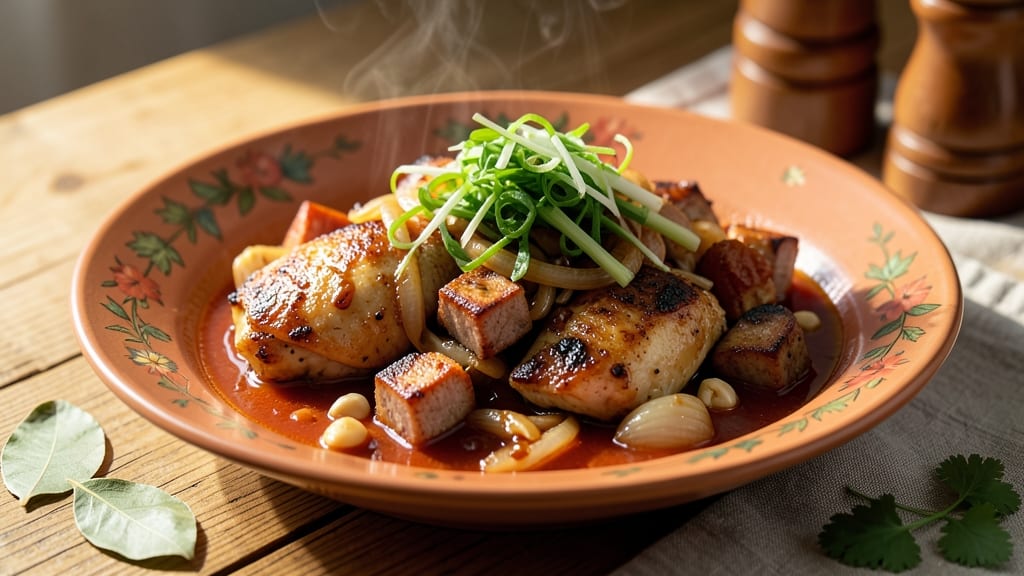
This one-pot Chicken and Pork Afritada delivers the rich, savory-sweet harmony of Filipino comfort food in a single dish. The secret lies in balancing soy sauce, citrus, and garlic—creating a sauce that clings to tender chicken and pork while simmering into perfect harmony.
I've perfected this recipe over years of testing, ensuring every bite delivers that signature Filipino shine without requiring multiple pots or pans.
The beauty of Afritada is its simplicity: just a handful of ingredients transform into a deeply flavorful stew. Thinly sliced pork and chicken cook together until tender, absorbing the aromatic sauce made from soy, vinegar, and a touch of sugar.
The key technique is slow simmering—letting the flavors meld and the meat become fork-tender while maintaining that signature Filipino brightness. This is the kind of dish that tastes even better the next day, making it perfect for meal prep or family gatherings.
What you'll end up with is a one-pot masterpiece—golden, glossy, and packed with layers of umami from the soy, tang from the vinegar, and sweetness from the citrus. The sauce coats every piece of meat, creating a dish that's both comforting and restaurant-quality.
Serve it over steamed rice to soak up every last drop, or pair with atchara for a traditional Filipino touch. This recipe proves that complex flavors don't require complicated techniques.
The best part? Leftovers reheat beautifully, making this an ideal dish for busy weeks. Whether you're cooking for a crowd or just craving a taste of the Philippines, this Afritada delivers bold, satisfying flavors with minimal effort. Let's get cooking—your taste buds will thank you.
Ingredients for chicken and pork afritada filipino
Just 13 ingredients transform into this Filipino one-pot masterpiece—bold, tangy, and packed with umami.
| Ingredient | Amount | Notes |
|---|---|---|
| Boneless Chicken Thighs 🍗 | 1 ½ lb | Cut into 1-inch pieces |
| Pork Shoulder 🥓 | 1 ½ lb | Thinly sliced, fat trimmed |
| Yellow Onion 🧅 | 1 whole | Sliced thinly, about 2 cups |
| Garlic Cloves 🧄 | 8 cloves | Minced finely |
| Canned Tomato Sauce 🍅 | 15 oz | Or 1 (15 oz) can |
| Soy Sauce 🥢 | ½ cup | Light or regular |
| Calamansi or Lemon Juice 🍋 | ¼ cup | Freshly squeezed |
| White Vinegar 💧 | ¼ cup | White or cane vinegar |
| Brown Sugar 🍯 | ¼ cup | Packed lightly |
| Bay Leaves 🌿 | 2 whole | Dried, crushed slightly |
| Black Peppercorns 🌶️ | 1 tsp | Crushed lightly |
| Salt 🧂 | 1 ½ tsp | Adjust to taste |
| Vegetable Oil 🫒 | 2 tbsp | For browning meat |
The pork and chicken make all the difference here. Pork shoulder stays tender while cooking, while chicken thighs hold up beautifully without drying out. Most grocery stores carry pre-sliced pork shoulder in the deli section—check the Asian market for the best quality. If you can't find calamansi, lemon juice works perfectly—just add a pinch more sugar to balance the tartness. The tomato sauce? Muir Glen or Hunt's are my go-tos—they're consistent and affordable. For the garlic, I always go with freshly minced—it makes a huge difference in flavor compared to pre-minced garlic from jars.
No soy sauce? Coconut aminos is a great substitute, though it has a slightly different profile. Running short on vinegar? Apple cider vinegar works in a pinch, but you might want to add a splash of water to dilute the strong flavor. Brown sugar too expensive? White sugar or coconut sugar are fine—just make sure it's not too fine, or it'll dissolve too quickly. The bay leaves can be hard to find in regular grocery stores, so check the international aisle or order online. If you can't find them, dried thyme at half the amount will work in a bind. For the tomato sauce, if you're using canned tomatoes instead, blend them first to get a smoother texture.
This dish tastes even better the next day—make a double batch and freeze half for lazy weeknights. Store leftovers in the fridge for 4-5 days or freeze for up to 3 months. The sauce thickens as it cools, so add a splash of water or broth when reheating. For meal prep, I like to portion it into individual containers with a side of rice—grab-and-go Filipino flavors every time. If you're serving a crowd, double the recipe—it scales beautifully.
Why You'll Love This Recipe
- One-Pot Magic: I swear by this recipe when I’m too tired to scrub a million dishes. Chicken thighs and pork shoulder simmer together in the same pot with onions and garlic—no extra pans, no fuss. The canned tomato sauce does all the heavy lifting while I sip my coffee.
- Garlic Bomb Flavor: Between us, the garlic cloves get minced just right—not too fine, not too chunky—so every bite has that punchy, aromatic kick. The pork shoulder melts into tender shreds, and the chicken stays juicy, all swimming in a rich, slightly tangy sauce that’s dangerously addictive.
- Lunchbox Hero: Honestly, this is my go-to for meal prep. The leftovers reheat beautifully—whether I’m packing it for work or feeding the kids after school. The sauce thickens just enough to cling to rice, making it a reliable, no-fuss sidekick.
- Budget Stretch: Pork shoulder and chicken thighs are affordable, and a single can of tomato sauce stretches across multiple meals. I’ll be real: this recipe saved me $50 last month by turning cheap cuts into something that tastes like a restaurant dish. Plus, it feeds four for under $15.
Step-by-step instructions for chicken and pork afritada Filipino recipe
This one-pot Filipino classic delivers rich, tangy flavors with minimal cleanup—just follow these simple steps.
Brown the Meat for Maximum Flavor
Heat the 2 tablespoons vegetable oil in a large, heavy pot over medium-high heat until shimmering. Add the 1.5 lb boneless chicken thighs (cut into 1-inch pieces) and cook for 4-5 minutes, stirring occasionally, until the chicken turns golden brown on all sides. This creates a flavorful crust that infuses into the sauce.
Remove the chicken and set aside. In the same pot, add the 1.5 lb thinly sliced pork shoulder (fat trimmed) and cook for another 5-6 minutes, stirring frequently, until the pork is also golden brown. Here's the thing—don't overcrowd the pot. Cook in batches if needed to ensure proper browning. This step is crucial for developing deep, meaty flavors that form the base of your afritada.
Sauté Aromatics Until Fragrant
Lower the heat to medium and add the 1 whole yellow onion (sliced thinly) to the pot. Cook for 3-4 minutes until the onions soften and turn translucent. Add the 8 cloves minced garlic, 2 whole crushed bay leaves, and 1 tsp crushed black peppercorns, stirring constantly for 1 minute until the garlic becomes golden and fragrant. You'll know it's ready when the kitchen fills with that irresistible aroma—this is where the magic starts.
Real talk: If the garlic starts to brown too quickly, reduce the heat to medium-low to prevent burning. The goal is to cook the garlic until it's fragrant but not dark. This step builds the aromatic foundation that ties all the flavors together in your dish.
Build the Tangy Sauce Base
Pour in the 15 oz canned tomato sauce, 0.5 cup soy sauce, 0.25 cup calamansi or lemon juice, 0.25 cup white vinegar, and 0.25 cup packed brown sugar. Stir well to combine, scraping up any browned bits from the bottom of the pot. These bits are packed with flavor—don't miss them!
Bring the mixture to a gentle boil over medium-high heat, then reduce the heat to medium-low and let it simmer for 5 minutes. This allows the acidity from the vinegar and citrus to mellow slightly, creating a balanced sauce. You'll see the sauce thicken slightly and the colors deepen—this is your signal that the base is ready for the next step.
Simmer Until Tender and Glazed
Return the browned chicken and pork to the pot, stirring to coat everything evenly with the sauce. Add 1.5 tsp salt and bring the mixture back to a gentle simmer. Here's the key: cover the pot with a lid and let it cook for 45-50 minutes on low heat, stirring occasionally. You want the meat to become fork-tender and the sauce to reduce slightly, creating a glossy, sticky glaze.
I know it seems like a long time, but patience pays off here. The meat should pull apart easily with a fork, and the sauce should coat the back of a spoon with a beautiful sheen. If the sauce reduces too quickly and becomes too thick, add 2-3 tablespoons of water to maintain the right consistency. This is the moment that matters: letting all those flavors meld together into a harmonious, savory-sweet-tangy symphony.
Adjust Seasoning and Serve
Once the meat is tender and the sauce has reached your desired consistency, taste and adjust the seasoning. You might need a little more salt or a splash of calamansi or lemon juice to brighten the flavors. Remove the 2 whole bay leaves before serving—they've done their job and can be a bit tough.
Serve the afritada hot, straight from the pot, with steamed rice to soak up that delicious sauce. The combination of tender chicken, juicy pork, and that glossy, tangy-sweet sauce makes this dish a true comfort food winner. Don't forget to save any leftovers—they taste even better the next day as the flavors continue to develop!
Pro Tips For Making Chicken And Pork Afritada Filipino
- Brown the Pork First: The pork shoulder needs a proper sear—no, not just a quick toss in the pan. Cut it into 1-inch chunks, then brown them in batches over medium-high heat for 3-4 minutes per side until deep golden. I learned this the hard way: skipping this step means your sauce will taste like stew instead of afritada.
- Sweat the Onions Low: Chop the yellow onions into even ½-inch slices and cook them in the same pan as the pork, but drop the heat to medium-low. Let them cook uncovered for 8-10 minutes until soft and translucent—no color, just breakdown. This isn’t about caramelization; it’s about building flavor without burning. (Yes, even if you’re impatient like me.)
- Add Tomatoes Gradually: Don’t dump the entire can of tomato sauce at once. Start with half, simmer for 5 minutes, then add the rest. This prevents a watery sauce and lets the flavors meld properly. I used to rush this, and the result was always too thin—like someone diluted it on purpose.
- Deglaze with Soy Sauce: After browning the meat and onions, hit the pan with 2 tablespoons of soy sauce before adding water or broth. Let it bubble for 30 seconds to lift all those browned bits—this is where half the flavor hides. Sounds weird, but it works: your sauce will be richer without extra effort.
Dietary considerations for this chicken and pork afritada filipino
Gluten-Free Adaptations
Afritada is naturally gluten-free if you use certified gluten-free soy sauce like Kikkoman Gluten-Free Tamari or San-J Tamari. Regular soy sauce contains wheat, so always check labels. I keep a bottle of tamari on hand specifically for Filipino dishes—it delivers the same umami depth without the gluten. 🥢
Low-Sodium Options
For lower sodium, reduce the soy sauce to ¼ cup and replace the rest with coconut aminos (like Coconut Secret). You'll also want to cut the added salt to ½ tsp and taste frequently during simmering.
The vinegar and citrus will help balance the flavors beautifully. Trust me, your heart will thank you!
Vegetarian Swaps
Replace the pork with extra-firm tofu (pressed and cubed) or hearts of palm for a meaty texture. For chicken, use mushroom medley (shiitake + oyster) or chickpeas for protein.
I've tested this swap and found that 1 cup of chickpeas holds up well in the sauce. Just add them with the aromatics in Step 2.
Allergen-Friendly Tips
For nut allergies, ensure all ingredients are nut-free (some soy sauces contain traces). If you're avoiding tomatoes, substitute with 1 cup tomato paste mixed with ½ cup water—it thickens beautifully.
For egg allergies, this recipe is already safe as it contains no eggs. Always double-check your canned tomato sauce for potential cross-contamination warnings.
Dairy-Free Note
Afritada is naturally dairy-free, but watch for hidden dairy in some brands of tomato sauce. I recommend Muir Glen Organic—it's consistently dairy-free and adds a nice depth. The sauce's tangy-sweet profile works perfectly without any dairy components, making this dish inherently suitable for lactose-intolerant diets.
Meal Prep Safety
When storing leftovers, use glass airtight containers to prevent any potential soy sauce seepage. Reheat only to 165°F to maintain food safety. For freezing, portion into single-serving containers—this way, you can thaw just what you need without dealing with a giant pot.
The flavors actually improve after refrigeration, so this is one of those dishes that gets better with time!
Nutrition facts
Frequently asked questions
Can I use chicken breast instead of thighs?
While possible, chicken thighs are ideal because they stay juicy and tender during the long simmer. Chicken breast tends to dry out—if you must use it, cut it into ½-inch pieces and add it only in the last 15 minutes of cooking. For best results, stick with thighs or thighs and drumsticks.
What if I don't have calamansi?
No worries! Fresh lemon or lime juice works perfectly—just reduce the sugar slightly (2 tbsp less) to balance the tartness. For extra depth, add ½ tsp grated lemon zest with the aromatics. The dish will still taste authentic, just with a slightly brighter citrus note.
How do I know when the pork is fully cooked?
The pork is done when it reaches 145°F internally and pulls apart easily with a fork. The sauce should coat the meat and have a glossy sheen. If using thin slices, 45-50 minutes of simmering is usually enough—check with an instant-read thermometer for accuracy.
Can I make this in a slow cooker?
Brown the meat first, then transfer everything to a 6-quart slow cooker. Cook on LOW for 6-7 hours or HIGH for 3-4 hours, stirring once halfway. The slow cooker's gentle heat ensures tender meat and perfectly balanced flavors without monitoring.
Why does my sauce look too thin?
A thin sauce usually means the acidity (vinegar/citrus) overpowered the simmering time. To fix it, stir in 1 tbsp cornstarch mixed with 2 tbsp water and simmer for 2-3 minutes until thickened. For prevention, simmer uncovered for the last 10 minutes to reduce naturally.