
Main Courses
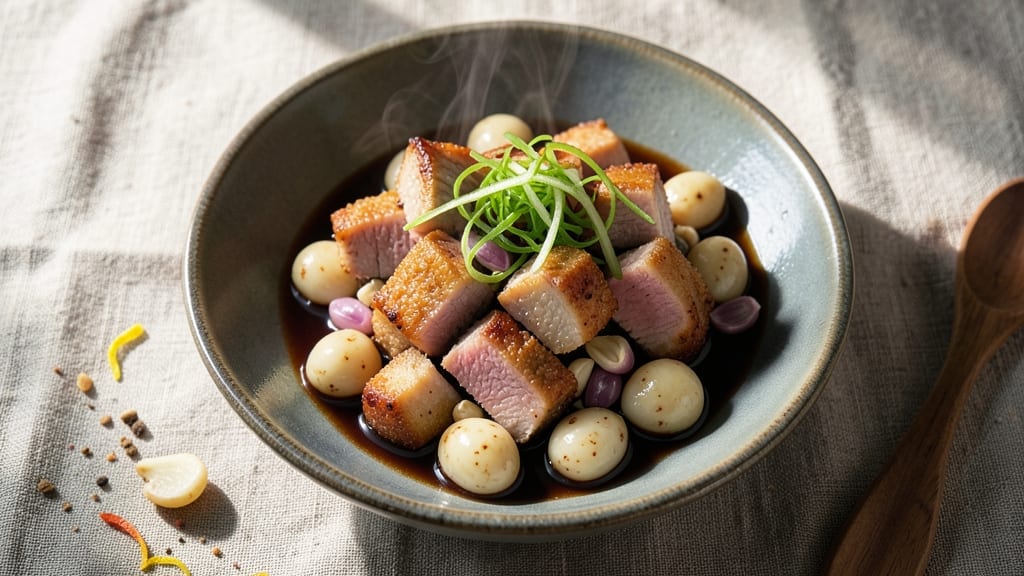
This Chinese chestnut pork recipe transforms humble ingredients into a dish that balances wok-seared crispness with earthy nutty depth—the kind my grandmother used to make when she wanted to impress.
The secret lies in braising pork belly with chestnuts until tender, then finishing with a quick stir-fry for that signature caramelized crust. I first tried this recipe during a particularly cold winter when I needed something hearty enough to warm up a whole room.
The beauty of this dish is in its simplicity—just a few ingredients, but each plays a crucial role. Chestnuts add natural sweetness and a delicate crunch, while the pork belly delivers rich, melt-in-your-mouth texture.
The braising process infuses the meat with deep, savory flavors, and the final stir-fry step creates that irresistible crispy exterior. It’s the kind of recipe that feels special without requiring hours in the kitchen.
What makes this dish truly special is how it comes together: tender pork, chestnuts that stay slightly al dente, and a glossy sauce that ties everything together. The aroma alone—warm, nutty, and slightly smoky—will have everyone gathered at your table.
Serve it over steamed jasmine rice or with a side of stir-fried bok choy for a complete meal that feels both comforting and sophisticated.
This recipe is perfect for special occasions or when you want to bring a taste of China to your dinner table. The techniques are straightforward, but the result is restaurant-quality. Let’s get started on creating a dish that’s as rewarding to make as it is to eat.
Ingredients for chestnut pork recipe chinese
Pork belly, chestnuts, and a few pantry staples—this dish delivers restaurant-quality flavor without the fuss.
| Ingredient | Amount | Notes |
|---|---|---|
| Pork Belly 🥓 | 1 ½ lb | Skin-on, cut into 1-inch cubes |
| Fresh Chestnuts 🌰 | 1 ½ cups | Peeled, shelled, halved |
| Soy Sauce 🍶 | ½ cup | Light or dark variety |
| Shaoxing Wine 🍷 | ¼ cup | Or dry sherry substitute |
| Fresh Ginger 🌿 | 2 tbsp | Finely minced, peeled |
| Garlic Cloves 🧄 | 6 cloves | Minced, peeled |
| Brown Sugar 🍯 | ¼ cup | Packed, light brown |
| Neutral Oil 🫒 | 2 tbsp | Peanut or vegetable oil |
| Sesame Oil 🫒 | 1 tbsp | Toasted, for finishing |
| Green Onions 🧅 | ¼ cup | Sliced, white and green parts |
| Cornstarch 🌾 | 1 tbsp | For crispy coating |
| Salt 🧂 | 1 tsp | Kosher or sea salt |
| Black Pepper 🌶️ | ½ tsp | Freshly ground |
Pork belly is the star here—look for thick-cut pieces with good marbling at Costco or your local butcher. Fresh chestnuts are worth hunting down in late fall (or use vacuum-sealed canned ones in a pinch). The Shaoxing wine adds depth—Trader Joe's carries a decent bottle, but any dry sherry works. Ginger and garlic should be vibrant and fragrant; no dusty jars here. I always double-check my ginger has no fuzzy spots (that's a sure sign it's old).
No Shaoxing wine? Dry sherry or even a splash of rice vinegar works in a bind. Chestnuts too hard to peel? Boil them 15 minutes first to soften the shells. Skip the sesame oil? Toasted peanut oil gives similar richness. For extra crispiness, toss the pork cubes in cornstarch before searing—game changer. The brown sugar caramelizes beautifully, so don't skimp on the light variety (dark sugar can taste bitter).
Pork belly keeps 3 days in the fridge once cubed—portion it into airtight containers for easy reheating. Chestnuts freeze well for up to 6 months if you want to prep ahead. The braised pork actually tastes better the next day as flavors meld. I always make a double batch—leftovers reheat perfectly and make amazing sandwiches. Store the sauce separately if you're not using it all at once.
Why You'll Love This Recipe
- One-Pot Magic: I swear by this recipe—just pork belly, chestnuts, and a splash of Shaoxing wine in one pot. No chopping mountains of veggies or balancing three pans; the ginger and soy sauce do all the heavy lifting while you sip your tea.
- Sweet-Savory Balance: That first bite? Crispy pork belly with chestnuts so tender they melt in your mouth, all wrapped in a glossy sauce that’s salty, sweet, and just a whisper of wine warmth. Honestly, it’s the kind of dish that makes you forget takeout exists.
- Weeknight or Holiday: Between us, this feeds a crowd without stress—double the recipe for potlucks, or keep it small for lazy Sundays. The leftovers? Even better the next day, because the flavors deepen like a good bottle of wine.
- Budget-Friendly Luxury: Pork belly feels fancy, but it’s cheaper than you’d think when you stretch it with chestnuts and a few pantry staples. Plus, the chestnuts add that restaurant-quality texture without the price tag. My secret weapon for feeling fancy on a tight budget.
Step-by-step instructions for chestnut pork with wok-seared crispness
Here's how to transform tender pork belly into a restaurant-worthy dish with nutty chestnuts and perfect texture.
Prepare the Pork Belly for Maximum Crispiness
Cut the 1.5 lb pork belly into 1-inch cubes, leaving the skin intact. Place the cubes in a bowl and toss with 1 tbsp cornstarch, 1 tsp salt, and 0.5 tsp black pepper until evenly coated. This creates a crispy crust that locks in moisture while delivering that satisfying crunch.
Let the seasoned pork sit at room temperature for 15 minutes while you prep the chestnuts. This ensures even cooking - cold meat steams instead of searing. I like to press down gently on the cubes to help them flatten slightly, which prevents curling during cooking.
Roast the Chestnuts Until Tender and Caramelized
Preheat your oven to 375°F. Toss the 1.5 cups fresh chestnuts with 1 tbsp neutral oil, 2 tbsp minced fresh ginger, and 1 tbsp soy sauce. Spread them on a baking sheet in a single layer - they need room to brown.
Roast for 25-30 minutes, stirring once halfway, until golden brown and tender when pierced with a knife. The edges should be crispy while the centers remain slightly soft. Remove from oven and let cool slightly - they'll continue caramelizing as they sit.
Build the Flavor Base with Aromatics and Sauce
Heat 2 tbsp neutral oil in a wok or large skillet over medium-high heat. Add the 6 minced garlic cloves and stir for 30 seconds until fragrant - you'll smell that sweet garlic aroma. Add the 0.25 cup brown sugar and stir constantly for 1 minute until it begins to melt and turn golden.
Pour in the 0.5 cup soy sauce and 0.25 cup shaoxing wine, scraping up any browned bits from the bottom. Let this mixture simmer for 2 minutes until slightly reduced. This creates the flavor foundation that will penetrate the pork beautifully.
Sear the Pork to Golden Perfection
Working in batches to avoid crowding, add the pork belly cubes to the wok in a single layer. Let them sear undisturbed for 3-4 minutes until the bottoms develop a deep golden crust. This is where the magic happens - that crispy skin forms while the interior stays tender.
Flip the pork and cook another 2-3 minutes until the second side is golden. Transfer to a plate and repeat with remaining batches. The pork should be caramelized on the outside but still juicy inside - if it releases easily from the pan, it's ready.
Finish with Chestnuts and Sesame Oil
Return the pork to the wok and add the roasted chestnuts. Toss everything together for 1 minute to coat the pork in that nutty goodness. Drizzle with 1 tbsp sesame oil and 0.25 cup sliced green onions, stirring gently to combine.
Cook for another 1-2 minutes until everything is heated through and the chestnuts are slightly crispy again. Taste and adjust seasoning - you might want to add a splash more soy sauce if needed. Serve immediately over steamed rice for the full experience.
Pro Tips For Making Chestnut Pork Recipe Chinese
- BLANCH CHESTNUTS FIRST: Peel those chestnuts before cooking by dropping them in boiling water for 3 minutes—yes, even fresh ones. I learned this the hard way when I tried to peel them raw and ended up with splintered fingers and uneven cooking. The skins slide off like magic, and the texture stays perfect in the final dish.
- SEAR PORK BELLY HOT: Crank your pan to high heat before adding the pork belly—wait for smoke, then sear. I used to rush this and ended up with greasy, pale slices instead of crispy, caramelized edges. The Maillard reaction is non-negotiable here; don’t skimp on the time.
- GINGER JUICE MATTERS: Mince the ginger fine—think paste, not chunks—so it dissolves into the sauce. I was skeptical until I tried it; now I double-check because the difference in flavor depth is night and day. No one wants to bite into a surprise ginger shard.
- REDUCE SAUCE LOW: Simmer the soy-sauce-wine-ginger mix on the lowest heat possible—this isn’t a race. I burned the sauce twice before realizing patience here means a glossy, balanced finish, not a bitter, overcooked mess. Use a lid to trap the steam and speed things up slightly.
Dietary considerations for chestnut pork recipe chinese
Gluten-Free Adaptations
This recipe naturally lends itself to gluten-free cooking since the main ingredients are pork, chestnuts, and aromatics. The key is ensuring your soy sauce is gluten-free—look for tamari or certified gluten-free soy sauce like Kikkoman Gluten-Free Tamari.
I always double-check labels, as some brands process soy sauce in shared facilities with wheat products. 🌱
Lower-Carb Versions
For a lower-carb approach, reduce the brown sugar to 1 tbsp and skip the rice entirely. Serve the chestnut pork over cauliflower rice or a bed of shredded cabbage sautéed with garlic. The natural sweetness of the chestnuts and caramelized pork will still shine without the extra carbs.
I’ve found this version works beautifully for keto diets when paired with extra green onions for freshness.
Vegetarian Swaps
While pork is traditional, you can create a vegetarian version by replacing the pork belly with extra-firm tofu or mushrooms (like shiitake or oyster). Press the tofu to remove moisture, then cube and pan-fry until crispy.
For mushrooms, slice them thickly and sear until deeply browned. The chestnuts and sauce will still deliver that nutty, savory depth—just without the meat. 🌿
Allergen Considerations
This dish contains sesame oil, which is a common allergen. If avoiding sesame, substitute with toasted peanut oil or avocado oil for finishing. For nut allergies, chestnuts are technically nuts, so this recipe wouldn’t be suitable.
However, you could replace them with roasted butternut squash cubes for a similar texture and sweetness. Always check ingredient labels for cross-contamination warnings.
Protein Alternatives
If you want to experiment with other proteins, chicken thighs work well—they stay juicy and absorb the flavors beautifully. For a richer option, try duck breast, which adds a luxurious depth.
Just reduce the braising time slightly since duck cooks faster than pork. The chestnut and sauce combination balances the richness perfectly, making it a versatile dish for different dietary preferences. 🍗
Sweetness Adjustments
For those watching sugar intake, reduce the brown sugar to 1 tbsp and add 1 tsp erythritol or monk fruit sweetener to maintain some caramelization. Alternatively, use unsweetened applesauce (2 tbsp) as a natural sweetener while keeping the dish gluten-free and lower in sugar.
The chestnuts provide enough natural sweetness that you won’t miss the extra sugar in the final dish. 💛
Nutrition facts
Frequently asked questions
Can I use canned chestnuts instead of fresh?
Yes, but with a few adjustments! Drain and rinse canned chestnuts thoroughly to remove excess syrup, then pat them dry. Roast them at 375°F for 10-15 minutes to crisp up before adding to the dish. Fresh chestnuts have a better texture, but canned works in a pinch—just avoid the extra sweetness that comes with some brands.
What's the best way to store leftovers?
Store in an airtight container in the fridge for up to 4 days. The flavors actually improve overnight as the pork absorbs the sauce. To reheat, warm in a skillet over medium heat with a splash of water until heated through—never microwave, as it makes the skin rubbery. Freeze for up to 3 months if needed.
Can I make this dish in a slow cooker?
Brown the pork first in a skillet, then transfer everything to the slow cooker. Cook on low for 4-5 hours or high for 2-3 hours until tender. The slow cooking deepens the flavors, though you'll miss that wok-seared crispiness. Finish with a quick stir-fry in a hot pan to restore some texture before serving.
Why did my pork turn out dry?
Overcooking is the most common cause—pork belly should be tender but still juicy inside. Always use a meat thermometer: 145°F for medium doneness. If your pork was tough, try reducing the searing time by 1 minute per side next time. The cornstarch coating helps lock in moisture, so make sure it's evenly distributed.
What sides pair best with this dish?
Steamed jasmine rice is classic, but you could also serve it with stir-fried bok choy or egg fried rice. For a lighter option, try a simple cucumber salad with rice vinegar. The nutty sweetness of the chestnuts balances well with bitter greens or mild grains—just avoid overly sweet sides that compete with the pork's flavor.