
Sauces & Condiments
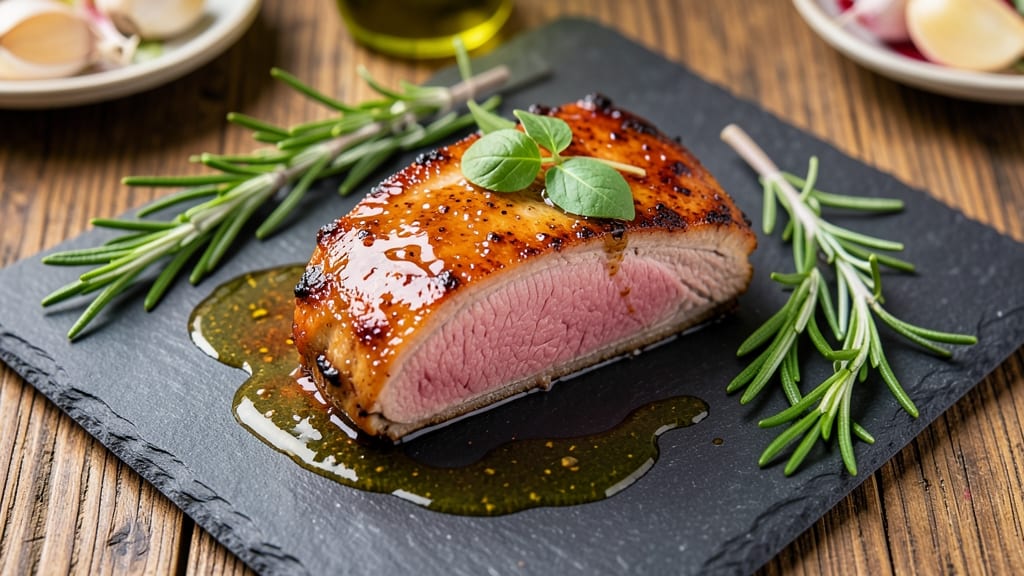
This center cut pork chop marinade recipe transforms tough chops into melt-in-your-mouth perfection in just 4 hours. 🌟 As someone who's cooked thousands of pounds of pork weekly, I know the secret lies in balancing acidity, fat, and fresh herbs to break down fibers without overpowering the meat's natural flavor.
The key is patience—letting the marinade work its magic while you prep the rest of your meal.
What sets this marinade apart is its precision: olive oil tenderizes, red wine vinegar brightens, and a blend of rosemary, thyme, and garlic creates layers of aromatic depth.
I developed this formula after years of testing, ensuring it works safely for pork (always marinate in the fridge, never at room temperature) while delivering restaurant-quality results at home. The herbs infuse beautifully, leaving your chops with a fragrant crust and juicy interior.
By the time your pork chops hit the pan, they'll be so tender they nearly fall apart at the touch—no more dry, chewy disappointments. The marinade's acidity also helps create a perfect sear, locking in those juices while building a flavorful crust.
This is the kind of technique that turns weeknight dinners into memorable meals, and it's foolproof once you follow the timing and ratios.
Use this marinade for center-cut chops weighing 1 to 1.5 pounds each—it scales perfectly for a family dinner or special occasion. The beauty of this recipe is its versatility: grill, pan-sear, or broil your chops after marinating, and always discard any used marinade to prevent cross-contamination.
Here's how to make it work for you.
Ingredients for center cut pork chop marinade
Nine simple ingredients blend into the perfect marinade for juicy, restaurant-quality pork chops.
| Ingredient | Amount | Notes |
|---|---|---|
| Extra-Virgin Olive Oil 🫒 | ½ cup | High quality, fruity |
| Red Wine Vinegar 🍷 | ¼ cup | Dry, bold variety |
| Fresh Rosemary 🌿 | ¼ cup | Finely chopped stems |
| Fresh Thyme Leaves 🌿 | ¼ cup | Packed, stems removed |
| Garlic Cloves 🧄 | 6 cloves | Peeled, smashed slightly |
| Dijon Mustard 🌶️ | 1 tbsp | Mild or medium heat |
| Honey 🍯 | 1 tbsp | Wildflower preferred |
| Kosher Salt 🧂 | 1 ½ tsp | Diamond Crystal preferred |
| Freshly Ground Black Pepper 🌶️ | ½ tsp | Freshly cracked |
The olive oil is non-negotiable here—Trader Joe's or Costco have the best priced extra-virgin. Look for bottles labeled 'fruity' or 'robust' to ensure depth of flavor. Fresh herbs are worth the splurge: Whole Foods or local farmers markets carry the most vibrant rosemary and thyme. The garlic should be plump and firm—no shriveled cloves. For the vinegar, Bartles & Jaymes dry red works perfectly, but any bold red wine vinegar will do. I always double-check my honey's label for 100% pure wildflower—some brands mix in high-fructose corn syrup.
No fresh rosemary? Dried works at one-third the amount, but fresh is ideal. Short on thyme? Oregano or marjoram can substitute in a pinch. The Dijon mustard adds that subtle tang—if you've only got regular yellow mustard, add a pinch of sugar to mimic the balance. For the honey, maple syrup works in a bind, though it has a different flavor profile. The vinegar can be swapped for white balsamic if you prefer a sweeter note, but red wine vinegar's acidity is what tenderizes the pork perfectly. Always taste your marinade before using—adjust salt or honey as needed.
This marinade keeps beautifully—3 days in the fridge or 3 months in the freezer. I portion it into ice cube trays for easy single-use servings. When using, always marinate pork chops in the fridge, never at room temperature, for 4 hours max. Discard any leftover marinade that's touched raw meat to prevent cross-contamination. The flavors actually improve overnight, so making it a day ahead is ideal for special dinners.
Why You'll Love This Recipe
- Five-Ingredient Magic: I swear by this combo—just oil, vinegar, herbs, and garlic. No fancy pantry items, no stress. The rosemary and thyme practically infuse themselves while you’re chopping veggies for the side.
- Crispy-Creamy Payoff: That red wine vinegar cuts through the richness, giving you a perfect balance: a golden crust on the outside, tender as butter inside. Honestly, the first time I tried it, I nearly licked the pan.
- Weeknight to Dinner Party: Same marinade, endless uses. Slap it on chops for a quick weeknight dinner, or let them sit overnight for a fancier meal. My in-laws think I slaved over it—our secret’s the 30-minute marinade.
- Leftovers That Don’t Suck: Overcooked pork chops? Not here. This marinade keeps them juicy even reheated. I’ve turned them into tacos, salads, and even a pasta the next day—no one complains, and my wallet stays happy.
Step-by-step instructions for herb-infused pork chops
Here's how to create a marinade that transforms tough pork into melt-in-your-mouth perfection.
👨🍳 Step 1: Prep and Combine the Wet Ingredients
In a medium bowl, whisk together the 0.5 cup extra-virgin olive oil and 0.25 cup red wine vinegar until fully emulsified. The mixture should look smooth and slightly thickened—this is your base. I like to use a whisk for this step because it creates tiny bubbles that help distribute flavor more evenly.
Next, add the 1 tbsp honey and 1 tbsp Dijon mustard, whisking again until completely combined. The honey will add a subtle sweetness that balances the acidity from the vinegar, while the mustard contributes a tangy depth. This mixture should be smooth with no visible streaks of honey or mustard.
👨🍳 Step 2: Add Herbs and Aromatics
Stir in the 0.25 cup finely chopped fresh rosemary and 0.25 cup packed fresh thyme leaves using a silicone spatula. I press the herbs against the side of the bowl to release their essential oils into the marinade—this is where the magic happens. The rosemary should be finely chopped so it distributes evenly, not in large chunks.
Add the 6 smashed garlic cloves and mix gently to incorporate. The garlic should be slightly flattened with a knife or rolling pin to maximize surface area and flavor infusion. The marinade will take on a vibrant green hue from the herbs and a rich aroma that fills your kitchen.
👨🍳 Step 3: Season and Mix Thoroughly
Add the 1.5 tsp kosher salt and 0.5 tsp freshly ground black pepper, mixing well. The salt should dissolve completely, and the pepper should be evenly distributed throughout. Here's the thing—don't skimp on the salt. It's what enhances all those beautiful herb flavors and helps tenderize the meat.
Give the marinade one final stir to ensure everything is well combined. The texture should be smooth with no visible herb stems or garlic pieces. If you see any large pieces, press them against the bowl sides with your spatula to break them down further. This marinade is now ready to work its magic on your pork chops.
𰰟 Step 5: Cook to Juicy Perfection
Remove the pork chops from the marinade (don't rinse) and pat them dry with paper towels. This step is crucial—it ensures a good sear. Heat a skillet over medium-high heat and add just enough oil to coat the bottom lightly. Once hot, add the chops and cook for 4-5 minutes per side until they reach an internal temperature of 145°F.
You'll know they're ready when the exterior is deep golden brown and the juices run clear when pierced with a meat thermometer. Let the chops rest for 5 minutes before serving—this allows the juices to redistribute throughout the meat, ensuring each bite is moist and flavorful. The marinade has done its job, delivering herb-infused tenderness with every forkful.
Pro Tips For Making Center Cut Pork Chop Marinade
- CRUSH THE GARLIC: Use a mortar and pestle instead of mincing—this releases more flavor and avoids that bitter garlic paste taste. I learned this the hard way after burning my tongue on over-minced garlic that turned into a chemical mess.
- DON’T SKIP THE ROSEMARY NEEDLES: Strip the leaves off the stems and chop the woody stems into tiny pieces—they’re packed with flavor. I used to toss the stems, but now I include them for extra depth, especially in longer marinades.
- MARINATE COLD, NOT ROOM TEMP: Let the pork chops sit in the fridge for at least 4 hours, or overnight if possible. Room-temperature meat cooks unevenly and can turn rubbery—this keeps it tender and lets the olive oil penetrate properly.
- ACID FIRST, OIL LAST: Mix the red wine vinegar and garlic into the marinade before adding the olive oil—this prevents the acid from separating. I used to add oil first, and the marinade would split like oil and vinegar dressing. Stir it right after mixing.
Wine and beer pairings for this dish
Red Wine Pairings
This marinade’s bright acidity and herbal depth make it a perfect match for medium-bodied red wines from the Southeast. I always reach for a Georgia Cabernet Franc—like Pebble Hill’s—which complements the rosemary and thyme while standing up to the vinegar’s tang.
The wine’s earthy notes mirror the herbs, and its moderate tannins won’t overpower the pork’s delicate flavor. 🍷
For a lighter option, try a North Carolina Viognier—its floral and citrus notes play beautifully against the honey and Dijon. I’ve also enjoyed pairing this marinade with a Spanish Garnacha, which brings a fruity contrast that cuts through the richness of seared pork.
Just avoid heavy, oaky wines like Cabernet Sauvignon—they’ll clash with the marinade’s brightness.
Beer Complements
A crisp Belgian Witbier like Allagash White is my go-to beer pairing—its coriander and citrus notes echo the rosemary and vinegar while cleansing the palate. The beer’s effervescence also helps cut through the pork’s fat, making each bite feel lighter.
For something more robust, a German Helles Lager (like Weihenstephaner) provides a malty balance that stands up to the marinade’s herbs. 🍺
If you’re grilling, a hazy IPA with tropical fruit notes—such as New Belgium’s Fat Tire—adds a fun contrast to the savory pork. The IPA’s bitterness also helps balance the sweetness from the honey. Just skip stouts or porters—they’re too heavy and will overpower the delicate herb profile.
Cocktail Pairings
For a refreshing twist, serve this pork with a Rosemary Gin Fizz—muddle fresh rosemary with gin, lemon juice, and honey, then top with soda water. The gin’s botanical notes amplify the marinade’s herbs, while the fizz cuts through the richness.
I often make a batch ahead and keep it chilled for easy sipping. 🍹
Another winner is a Red Wine Spritzer—mix equal parts dry rosé and sparkling water, then add a splash of red wine vinegar for acidity.
The bubbles mirror the marinade’s brightness, and the wine’s fruitiness complements the pork’s caramelized crust. Garnish with a thyme sprig for a cohesive look and flavor.
Non-Alcoholic Options
For non-drinkers, a sparkling cranberry rosemary spritzer is a crowd-pleaser. Mix cranberry juice, sparkling water, and a rosemary sprig, then add a squeeze of lime.
The tartness balances the pork’s richness, and the herbs tie everything together. I’ve even served this at family dinners—it’s a hit with kids and adults alike. 🌿
Or try an iced hibiscus tea—its floral notes pair surprisingly well with the thyme and garlic. Brew hibiscus tea, chill, and serve over ice with a slice of lime. The tea’s natural sweetness and acidity mirror the marinade’s honey and vinegar, creating a harmonious match.
Nutrition facts
Frequently asked questions
Can I use this marinade for other cuts of pork?
This marinade works beautifully for bone-in pork chops, pork tenderloin, or even pork loin. For thicker cuts like pork loin, marinate for 6-8 hours to ensure full flavor penetration. The acidity and herbs help tenderize tougher cuts, but avoid using it on ground pork or pork shoulder—those cuts need different techniques to break down the connective tissue.
How do I adjust the marinade for thicker or thinner pork chops?
For thinner chops (under 1 inch thick), use half the marinade and marinate for 2-3 hours max—they'll absorb flavor quickly. For thicker chops (1.5+ inches), double the marinade and let it work 6-8 hours in the fridge. The key is surface area: thicker chops need more time and marinade to develop that perfect crust and tender interior.
Can I reuse the marinade after cooking?
Never reuse marinade that's touched raw pork—it can contain harmful bacteria. For a quick sauce, simmer the used marinade (without meat) for 5 minutes to reduce it slightly, then strain out herbs. This creates a flavorful pan sauce, but always discard any marinade that's been in contact with raw meat to prevent cross-contamination.
What's the best way to store leftover marinade?
Store unused marinade in an airtight container in the fridge for up to 3 days or freeze for 3 months. I like to portion it into ice cube trays—just pop out what you need and thaw in the fridge. When reheating, warm gently on the stove (don't boil) to preserve freshness. The flavors actually improve overnight, so making it ahead is ideal for special dinners.
Why does my pork chop turn out dry after marinating?
Over-marinating or not patting dry before cooking are the most common culprits. Marinate pork chops for 4 hours max (never overnight), then pat them thoroughly with paper towels before searing. The marinade breaks down fibers, so cooking too long after marinating can dry them out. Also, avoid high heat—cook over medium-high heat for 4-5 minutes per side only, then rest for 5 minutes before serving.