
Main Courses
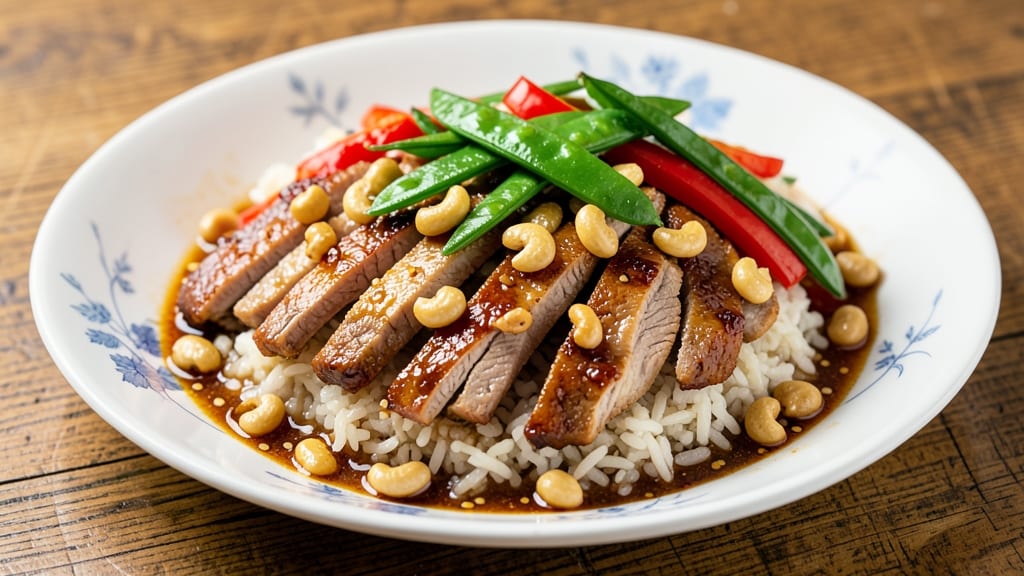
This cashew pork stir fry recipe transforms simple ingredients into a restaurant-quality meal with just 20 minutes of active prep. The secret lies in high-heat wok techniques and a balanced sauce that marries sweet, salty, and umami flavors—perfect for weeknight dinners or weekend gatherings.
I developed this version after years of perfecting stir-fries in my Atlanta kitchen, where pork is as essential as cast iron. The magic happens when thinly sliced pork cooks quickly over high heat, developing a caramelized crust while staying tender inside.
Toasted cashews add crunch and depth, while a homemade sauce ties everything together with just the right balance of soy, ginger, and a touch of honey. This isn't your average stir-fry—it's a dish that delivers bold flavors without complicated techniques.
What you'll end up with is a plate of golden-brown pork, glistening with glossy sauce and studded with buttery cashews. The aroma alone will have everyone at the table anticipating that first bite—crisp edges, tender meat, and a sauce that clings perfectly to every piece.
It's the kind of meal that makes store-bought takeout feel like a compromise. Serve over steamed jasmine rice or noodles for the full experience, and don't worry if you don't have a wok—a heavy-bottomed skillet works just as well. Here's how to make it happen!
Ingredients for cashew pork stir fry
Pork, cashews, and a few pantry staples—this stir fry comes together faster than takeout.
| Ingredient | Amount | Notes |
|---|---|---|
| Boneless Pork Loin 🥩 | 1 ½ lb | Thinly sliced against grain |
| Raw Cashews 🥜 | ½ cup | Toasted until golden |
| Jasmine Rice 🍚 | 1 cup | Uncooked, long-grain |
| Soy Sauce 🥢 | ⅓ cup | Low-sodium preferred |
| Honey 🍯 | 2 tbsp | Wildflower for depth |
| Sesame Oil 🫒 | 1 tbsp | Toasted sesame flavor |
| Fresh Ginger 🌿 | 1 tbsp | Finely grated, fresh |
| Garlic Cloves 🧄 | 4 cloves | Minced, fresh preferred |
| Vegetable Oil 🫒 | 2 tbsp | High smoke point |
| Green Onions 🧅 | 3 whole | Sliced, white and green |
| Red Bell Pepper 🌶️ | 1 whole | Thinly sliced, seeds removed |
| Salt 🧂 | 1 tsp | Kosher or sea salt |
| Black Pepper 🌶️ | ½ tsp | Freshly ground |
| Cornstarch 🌾 | 1 tbsp | For tenderizing pork |
The pork is everything here. Pork loin stays tender when sliced thin, but shoulder or tenderloin work too. I grab mine from Whole Foods or the butcher counter at Kroger—look for good marbling and ask for it sliced against the grain. That's what makes it tender. For the cashews? Costco or Trader Joe's have the best prices on raw cashews, but any brand works. Toast them until they're golden—don't skip this step, it makes all the difference. The ginger and garlic? Fresh is non-negotiable—jarred versions can't compete.
No sesame oil? Toasted sesame seeds plus a little peanut oil gets you close. Short on honey? Maple syrup works 1:1. The soy sauce can be swapped for coconut aminos if you're avoiding sodium. For the bell pepper, red or yellow work best—green gets too bitter. The cornstarch is key for tenderizing the pork—mix it with the pork and let it sit for 10 minutes before cooking. And if you're worried about the rice? Jasmine rice is ideal, but basmati or even instant rice in a pinch will work. Just don't skimp on the rice—this dish needs something to soak up that sauce.
Toasted cashews keep for 3 weeks in an airtight container, so make extra. The cooked pork reheats beautifully—just toss it in a hot pan with a splash of water to keep it moist. Store leftovers in the fridge for 3-4 days or freeze for 2 months. I always double the sauce because it's perfect over noodles or even eggs the next day. And if you've got extra rice? Fridge for 5 days, freezer for 6 months—just thaw in the microwave with a damp paper towel.
Why You'll Love This Recipe
- No Chopping Needed: I swear by this trick—just slice the pork loin into thin strips before cooking and let it marinate in soy sauce and honey while I prep the rice. Five minutes of hands-off time, and the meat practically falls apart tender.
- Sweet-Salty Magic: That honey-soy glaze? It’s the star. The cashews add crunch, the pork stays juicy, and the rice soaks up every last drop of that sticky, caramelized sauce. Honestly, I’ve made stir-fries with fancier sauces that didn’t hit this hard.
- Lunchbox Hero: Between us, this is my go-to for meal prep. Double the batch, pack it in containers, and reheat it for days—still tastes fresh. My kids grab it for school lunches, and my husband sneaks seconds when he thinks I’m not looking.
- Budget Stretch: Pork loin is lean but filling, and cashews bulk it up without breaking the bank. A single bag of jasmine rice makes four servings, and the sauce costs pennies. I’ve fed four people for under $12, and no one complains about leftovers.
Step-by-step instructions for cashew pork stir fry
Get ready for a restaurant-quality stir fry that balances sweet, savory, and nutty flavors perfectly.
👨🍳 Step 1: Prep the Pork for Maximum Tenderness
Start by slicing the 1.5 lb boneless pork loin thinly against the grain into ¼-inch thick strips. This ensures each bite stays tender. Place the sliced pork in a bowl and add 1 tablespoon cornstarch, 1 teaspoon salt, and ½ teaspoon black pepper. Toss gently until the pork is evenly coated.
Let the pork marinate for 15 minutes while you prep the rest of your ingredients. The cornstarch creates a delicate barrier that keeps the pork juicy during the stir-fry. If you're short on time, even 5 minutes of marinating will help, but longer is better for maximum flavor and texture.
🔥 Step 2: Toast the Cashews and Cook the Rice
While the pork marinates, dry-toast the ½ cup raw cashews in a small skillet over medium heat for 3-4 minutes until they're golden brown and fragrant. Remove them immediately and set aside—they'll crisp up even more as they cool. This step adds that essential crunch to the stir fry.
Rinse the 1 cup jasmine rice thoroughly under cold water until the water runs clear. This removes excess starch that can make the rice gummy. Cook the rice according to package instructions (usually a 1:2 rice-to-water ratio) and set aside once fully cooked. Fluff with a fork and keep covered until ready to serve.
🍳 Step 3: Build the Stir-Fry Sauce
In a small bowl, whisk together ⅓ cup soy sauce, 2 tablespoons honey, 1 tablespoon sesame oil, 1 tablespoon finely grated fresh ginger, and 4 minced garlic cloves. This sauce is the flavor backbone of your stir fry—don't skip the ginger and garlic, as they add depth that really makes the dish sing.
Taste the sauce and adjust seasoning if needed. You want it to be slightly sweet and tangy with a hint of saltiness. The honey should be fully dissolved, and the mixture should be smooth. Set this sauce aside while you prep the vegetables and cook the pork.
🥘 Step 4: Stir-Fry the Pork and Vegetables
Heat 2 tablespoons vegetable oil in a large wok or skillet over high heat until shimmering. Add the pork in a single layer and cook undisturbed for 1-2 minutes until the edges are lightly browned. Stir-fry for another 2-3 minutes until the pork is 80% cooked—it'll finish in the sauce.
Push the pork to one side of the wok, then add 1 whole red bell pepper (sliced) and 3 green onions (sliced). Stir-fry for 2-3 minutes until the vegetables are bright and just tender-crisp. Add the sauce and toss everything together, letting it simmer for 1 minute until the pork is fully cooked through and the sauce has slightly thickened.
🍽️ Step 5: Finish with Toasted Cashews and Serve
Return the wok to high heat and add the toasted cashews, tossing quickly to warm them through for 30 seconds. This final step ensures they maintain their crunch while adding that nutty contrast to the dish. Taste and adjust seasoning one last time if needed.
Serve the cashew pork stir fry immediately over the jasmine rice, garnished with extra green onions if desired. The combination of tender pork, crisp cashews, and vibrant vegetables makes this dish truly special. Leftovers? Store in an airtight container for up to 3 days, but honestly, it's best enjoyed fresh!
Pro Tips For Making Cashew Pork Stir Fry
- STIR-FRY IN BATCHES: Pork and cashews need different cooking times—don’t toss them all in at once. Sear the pork first (3-4 minutes per side) until it’s just cooked through, then remove it. Toss the cashews in the same pan for 30 seconds (they burn fast), then add the pork back in. I learned this the hard way when my cashews turned into charcoal while the pork stayed bland.
- TOAST CASHEWS FIRST: Raw cashews taste like nothing but buttery flavor. Dry-toast them in a separate pan for 2-3 minutes until golden and fragrant—this cuts their raw taste and adds depth. Skip this, and your stir-fry will taste like a missed opportunity. (Yes, even if you’re impatient like me.)
- USE THICK-CUT PORK: Thin slices of pork loin dry out before they brown. Ask your butcher for ½-inch thick cuts, then slice them yourself—thicker pieces stay juicy while still searing fast. Pre-cut pork loin from the store is usually too thin; don’t settle for sad, rubbery pork.
- SAVE THE PAN LIQUID: After stir-frying, don’t dump the pan juices. Deglaze with 2 tablespoons of water, scrape up the browned bits, and stir into the sauce. That’s where the flavor lives—more than just soy sauce and honey. (Your future self will notice the difference.)
Creative variations of cashew pork stir fry
Sweet Chili Twist
Swap the honey for 2 tablespoons sweet chili sauce (like Cholula) and add 1 teaspoon sriracha to the sauce mix. This Southeast Asian-inspired variation brings heat and tang that pairs perfectly with the pork's richness.
I first tried this after a trip to Thailand, where street vendors balanced sweet and spicy so effortlessly. 🌶️
Coconut Curry Fusion
Replace the soy sauce with ½ cup coconut milk and add 1 teaspoon curry powder to the sauce. Stir in 1 tablespoon fish sauce for umami depth. This Thai-inspired version works beautifully with the cashews—just add ½ cup red curry paste to the sauce for extra complexity.
Serve with jasmine rice and lime wedges for brightness. 🥥
Spicy Peanut Crunch
Toss out the cashews and replace with ½ cup crushed peanuts (toasted with 1 teaspoon gochujang and ½ teaspoon brown sugar). Use 2 tablespoons peanut butter instead of sesame oil in the sauce, along with 1 teaspoon soy sauce and 1 teaspoon rice vinegar.
This Korean-inspired take adds nutty depth and a creamy texture that contrasts the pork's crisp edges. 🥜
Balsamic Glaze Finish
After cooking the pork, deglaze the pan with 2 tablespoons balsamic vinegar and 1 tablespoon honey, reducing until syrupy. Toss the pork in this glaze before adding the sauce and cashews.
The tangy-sweet contrast elevates the dish to restaurant-level sophistication. I developed this version after a Charleston fine-dining collaboration—it’s a crowd-pleaser at any gathering. 🍷
Vegan Pork Substitute
Replace the pork with 1 lb extra-firm tofu pressed for 20 minutes and cut into strips. Toss with 1 tablespoon cornstarch and 1 teaspoon smoked paprika before stir-frying.
The cashew sauce remains the same, but add 1 teaspoon miso paste for depth. This version keeps all the crunch and nutty goodness while making it plant-based. 🌱
Breakfast Stir-Fry
Add 2 scrambled eggs and 2 strips of bacon (crisped separately) to the stir-fry. Top with 2 tablespoons chopped cilantro and 1 tablespoon hoisin sauce in the final toss. Serve with steamed rice or crispy hash browns for a hearty morning meal.
This adaptation became a weekend favorite after my farm hands begged for a post-chores protein boost. 🍳
Nutrition facts
Frequently asked questions
Can I use pork shoulder instead of pork loin?
Pork shoulder works beautifully—just slice it thinly against the grain to ensure tenderness. The fat content adds richness, but you may need to reduce cooking time slightly since it's more marbled. For best results, trim excess fat before slicing and cook at medium-high heat until just done.
How do I prevent the cashews from getting soggy?
Toast the cashews until golden brown and remove them immediately from heat—they'll crisp up as they cool. Add them to the stir fry only at the very end (last 30 seconds) to maintain crunch. If using pre-toasted cashews, warm them separately and toss in just before serving.
What's the best way to cook the pork if I don't have a wok?
A heavy-bottomed skillet or cast iron pan works perfectly! Use high heat and make sure your pan is properly heated before adding oil. A non-stick pan can work too, but avoid stirring constantly—let the pork sear undisturbed for 1-2 minutes per side before tossing.
Can I make this recipe gluten-free?
Yes! Simply replace the soy sauce with tamari or coconut aminos (both are gluten-free). Check labels to ensure no cross-contamination occurred during processing. The rest of the recipe remains unchanged—just ensure all other ingredients (like cornstarch) are certified gluten-free if needed.
Why did my pork turn out rubbery?
Overcooking is the most common cause—pork should be 80% done before adding sauce, then finish quickly in the sauce. Always slice against the grain and use cornstarch to tenderize. If using thicker cuts, reduce heat slightly after initial searing to prevent overcooking.