
Sauces & Condiments
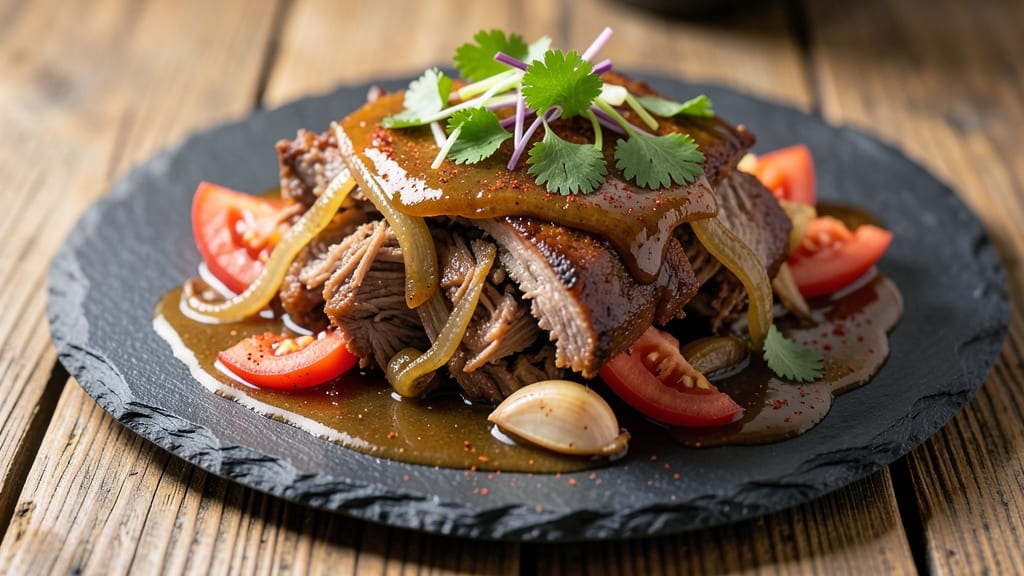
This Carolina pulled pork vinegar sauce recipe transforms ordinary pulled pork into something extraordinary with its sharp, sweet balance that cuts through every bite. 🔥 I developed this sauce after years of perfecting the art of Carolina-style BBQ, where vinegar isn't just an ingredient—it's the soul of the dish.
The secret lies in the precise ratio of apple cider vinegar to molasses, creating that signature tangy-sweet profile that makes this sauce unforgettable.
The foundation of this sauce begins with a rich tomato base, where the acidity of the vinegar melds with the deep, caramelized notes of molasses and a touch of cayenne for heat.
Simmering these ingredients low and slow allows the flavors to develop fully, ensuring each spoonful delivers that perfect balance of sharpness and sweetness. This isn't just a sauce—it's a flavor experience that elevates any pulled pork dish to restaurant-quality levels.
What makes this recipe truly special is its versatility. Whether you're serving it over tender pulled pork, drizzling it on sandwiches, or using it as a marinade, this sauce brings depth and complexity to every dish.
The molasses adds a subtle richness, while the vinegar keeps it bright and tangy, ensuring it never feels heavy or one-dimensional.
Once you taste this sauce, you'll understand why it's a staple in Carolina BBQ traditions. It's the kind of recipe that becomes a family favorite, passed down through generations. Let's dive into the ingredients and instructions to create this flavor-packed sauce that will have everyone asking for seconds.
Ingredients for carolina pulled pork vinegar sauce
Nine simple ingredients transform pulled pork into Carolina BBQ perfection with tangy-sweet balance.
| Ingredient | Amount | Notes |
|---|---|---|
| Apple Cider Vinegar 🍎 | 1 cup | Raw, unfiltered preferred |
| Molasses 🍯 | ½ cup | Unsulphured for best flavor |
| Tomato Paste 🍅 | ½ cup | High-quality, no sugar added |
| Yellow Onion 🧅 | 1 whole | Medium size, diced |
| Garlic Cloves 🧄 | 4 cloves | Fresh, minced |
| Cayenne Pepper 🌶️ | 1 tsp | Adjust for heat preference |
| Ground Black Pepper 🌶️ | ½ tsp | Freshly ground preferred |
| Salt 🧂 | 1 ½ tsp | Kosher or sea salt |
| Granulated Sugar 🍚 | ½ cup | Light brown preferred |
| Water 💧 | 1 cup | Filtered preferred |
The vinegar and molasses are non-negotiable for authentic Carolina flavor. Bragg or Texas Pete apple cider vinegar delivers that signature tang, while unsulphured molasses adds deep caramel notes without bitterness. Trader Joe's or Whole Foods carry high-quality options—avoid the cheap grocery store brands. For the tomato paste, Mueller's or San Marzano are worth the splurge; their rich flavor elevates the sauce. The onion and garlic should be fresh—no powdered shortcuts here.
No molasses? Maple syrup at half the amount works in a pinch, though it lacks that signature depth. Substitute white vinegar for apple cider if needed, but the flavor won't be identical. Cayenne-free? Red pepper flakes at half the amount add heat without overpowering. The sugar can be swapped for honey or agave, but molasses is truly irreplaceable for that classic Carolina profile. If you're short on time, pre-minced garlic from the jar saves steps—just rinse it well first.
This sauce keeps beautifully. Store in a glass jar in the fridge for up to 2 weeks, or freeze for 6 months in ice cube trays for perfect portions. The flavors actually deepen overnight, so make extra. Double the batch if you're serving a crowd—it disappears fast. Always stir before using, as the molasses and sugar may settle.
Why You'll Love This Recipe
- Five-Ingredient Magic: I swear, this sauce comes together with just a knife, a pot, and 20 minutes of your time. No fancy techniques—just chop onions, crush garlic, and let the apple cider vinegar and molasses do the heavy lifting while you stir.
- Tangy-Sweet Balance: That molasses and vinegar combo? It’s like a hug for your taste buds—sharp enough to wake up the pork, but sweet enough to make your mouth water. The tomato paste ties it all together with this deep, smoky richness that just won’t quit.
- Leftovers That Shine: Make a double batch and thank me later. This sauce keeps for days in the fridge, tasting even better the next time around. Slather it on sandwiches, drizzle it over fries, or toss it with roasted veggies—it’s the ultimate pantry hero.
- Budget Meal Upgrade: A jar of molasses, a bottle of vinegar, and a can of tomato paste won’t break the bank, but they’ll make your pulled pork taste like you spent hours slow-cooking. Honestly, it’s the kind of flavor boost that makes cheap cuts feel special.
Step-by-step instructions for Carolina pulled pork vinegar sauce
This sauce delivers the perfect balance of tangy vinegar and rich molasses—here's how to make it shine.
🍳 Step 1: Build the Sweet-Savory Base
In a medium saucepan, combine the 1 cup apple cider vinegar, 0.5 cup molasses, 0.5 cup tomato paste, and 0.5 cup granulated sugar. Bring to a boil over medium-high heat, stirring constantly to dissolve the sugar completely. You'll see bubbles form and the mixture thicken slightly as the sugar caramelizes.
Here's where the magic happens: let this mixture simmer uncovered for 10 minutes until it reduces by about one-third and develops a deep, glossy sheen. This reduction concentrates the flavors and creates that signature Carolina tang. If it starts to stick, add 2 tablespoons of the 1 cup water to keep it moving—just enough to loosen without diluting the intensity.
👨🍳 Step 2: Develop the Aromatics
Add the diced yellow onion and minced garlic cloves to the pan. Cook for 5-6 minutes over medium heat until the onions soften and turn translucent, and the garlic releases its fragrant oils. You'll know it's ready when the raw onion smell disappears and you're left with a sweet, caramelized aroma.
I like to press the garlic into the pan with the back of a spoon during the last minute of cooking—this helps release even more flavor. If the onions start to brown too quickly, reduce the heat slightly to medium-low. The goal is to build flavor, not color at this stage.
🔥 Step 3: Season and Simmer to Perfection
Add the 1.5 teaspoons salt, 1 teaspoon cayenne pepper, and 0.5 teaspoon ground black pepper to the pan. Stir well to combine, then pour in the remaining 1 cup water. Bring to a gentle simmer and reduce heat to low—this sauce needs time to meld.
Let it simmer uncovered for 15-20 minutes, stirring occasionally, until it thickens to a syrupy consistency that coats the back of a spoon. You're looking for a balance between pourable and clingy—it should coat pulled pork beautifully without being gluey. Taste as you go, adding more cayenne if you want extra heat or a pinch more salt for depth.
⏰ Step 4: Rest and Finish
Remove the pan from heat and let the sauce rest for 10 minutes. This resting period allows the flavors to fully integrate and the sauce to thicken slightly as it cools. I find this step crucial—it prevents the sauce from being too thin when you're ready to serve.
Before using, give the sauce one final stir. If it's too thick, whisk in 1-2 tablespoons water to reach your desired consistency. This sauce should be vibrant, glossy, and packed with layers of sweet, tangy, and slightly spicy flavors that cut through rich pulled pork perfectly.
Pro Tips For Making Carolina Pulled Pork Vinegar Sauce
- Sweat the Onion Low: The vinegar sauce won’t shine if your onion burns—cook it over medium-low heat until it’s translucent and just starting to caramelize, about 8-10 minutes. I used to rush this, and the sauce always tasted raw and sharp afterward.
- Bloom the Garlic Right: Crush those cloves with the flat side of your knife before adding them to the pot—it releases more flavor faster. Skip the mincer unless you’re in a hurry; crushed garlic blends in better and doesn’t turn to paste.
- Thicken the Sauce Gradually: Stir in that tomato paste slowly while the sauce simmers, letting it cook for 2-3 minutes between additions. Dumping it all at once makes the sauce clump and taste heavy—trust me, I’ve made that mistake.
- Balance the Vinegar: Taste the sauce before adding molasses, and adjust the vinegar first—it’s sharper and harder to fix later. A splash of water or broth can thin it out if it’s too thick, but you can’t dilute molasses once it’s in.
Serving suggestions for this carolina pulled pork vinegar sauce
Pulled Pork Sandwiches
Serve this vinegar sauce generously over slow-cooked pulled pork sandwiches on brioche buns toasted until golden. I like to add a smear of whole-grain mustard on the bottom half before assembling—it creates that perfect tangy bridge between the bread and sauce.
For extra crunch, sprinkle pickled jalapeños and sliced red onions on top. 🌶️
Pro tip: Warm the buns in a 350°F oven for 5 minutes before assembling to prevent sogginess. I also recommend keeping the pulled pork and sauce separate until serving—this keeps everything hot and prevents the bread from getting mushy.
For a Carolina classic, add coleslaw on the side with a drizzle of this same vinegar sauce for cohesion.
BBQ Plate Accompaniments
This sauce isn't just for sandwiches—it elevates a full BBQ spread. Drizzle it over cornbread muffins or hush puppies for a sweet-tangy contrast. I serve it alongside creamy mac and cheese (the molasses and vinegar cut through the richness beautifully) and grilled vegetables like zucchini and bell peppers. 🥗
For a complete Carolina-style plate, add white beans simmered with smoked paprika and a splash of the same vinegar sauce. The beans soak up the flavor while adding a hearty texture.
Keep the sauce in a small bowl at the center of the table so guests can add it to their plates as desired—it's that good.
Dipping Sauce Magic
Transform this sauce into a dipping sauce by thinning it slightly with 2 tablespoons water until it reaches a pourable consistency. Serve it in a small bowl alongside fried chicken, mozzarella sticks, or onion rings.
The vinegar and molasses create a perfect balance that cuts through fried foods without overpowering them. 🍗
For a smoky twist, add 1 teaspoon smoked paprika and ½ teaspoon liquid smoke to the warmed sauce. This works especially well with pulled chicken sandwiches or as a marinade for grilled sausages. I've even used it as a glaze for baked brisket—the results are restaurant-quality.
Breakfast Game-Changer
Don't let the name fool you—this sauce is a breakfast star. Drizzle it over pancakes or waffles with a pat of butter and a sprinkle of crispy bacon. The sweetness balances the richness perfectly.
For a Southern-inspired brunch, serve it with scrambled eggs and biscuits—it's a flavor profile I didn't expect but now can't live without. 🍳
I also use it as a marinade for breakfast sausages before grilling. The vinegar tenderizes the meat while the molasses adds a caramelized crust. Pair with maple syrup for a sweet-savory breakfast that'll have your guests asking for seconds.
Global Fusion Twists
This sauce works surprisingly well in global dishes. Toss it with Asian-style rice noodles and top with grilled shrimp for a Carolina-Asian fusion bowl. The vinegar brightens the dish while the molasses adds depth.
For a Mexican-inspired twist, mix it with black beans and shredded cheese for a quick quesadilla filling. 🌎
In my kitchen, I've even used it as a glaze for grilled pineapple—the sweetness of the fruit pairs beautifully with the tangy molasses. For a dessert application, drizzle it over vanilla ice cream with a sprinkle of crushed pecans.
The contrast of sweet, tangy, and nutty is pure indulgence.
Nutrition facts
Frequently asked questions
Can I make this sauce without molasses?
Yes, but the flavor won't be authentic. For a substitute, use ½ cup maple syrup or ½ cup honey—though neither will replicate molasses' deep caramel notes. The sauce will still have tangy-sweet balance, but it'll lack that signature Carolina richness. If you're avoiding molasses for dietary reasons, try ½ cup brown sugar plus 1 tablespoon balsamic vinegar for complexity.
How spicy should this sauce be?
The 1 teaspoon cayenne gives a mild heat, but you can adjust to taste. For a subtle kick, reduce to ½ teaspoon cayenne or ¼ teaspoon red pepper flakes. For serious heat, add ½ teaspoon more cayenne or a pinch of crushed chili flakes. Remember, the sauce thickens as it cools, so add heat gradually—you can always adjust later.
Can I use this sauce on other meats besides pork?
This sauce works beautifully with pulled chicken, beef brisket, or even tofu for a vegetarian twist. The vinegar and molasses cut through rich, fatty meats while complementing lean proteins. For seafood, try it with grilled shrimp or blackened fish—the acidity keeps delicate flavors bright. Just reduce the simmering time to 10 minutes when using with seafood to prevent overpowering.
Why does my sauce taste too sweet or too tangy?
This usually happens from uneven cooking or mismeasured ingredients. If it's too sweet, add 1-2 tablespoons apple cider vinegar and simmer 2-3 minutes to balance. For excessive tang, stir in 1 tablespoon molasses or 1 teaspoon brown sugar while warm. Always taste as you go—adjustments are easier before the sauce thickens. The key is the 1:1 ratio of vinegar to molasses by volume.
How do I store leftovers for maximum flavor?
Store in a glass jar in the fridge for up to 2 weeks, or freeze in ice cube trays for 6 months. The flavors actually improve overnight! Before reheating, warm gently on the stove over low heat with 1 tablespoon water to restore consistency. Never microwave—it breaks down the sauce's texture. For best results, keep the sauce at room temperature for no more than 2 hours before refrigerating.