
Main Courses
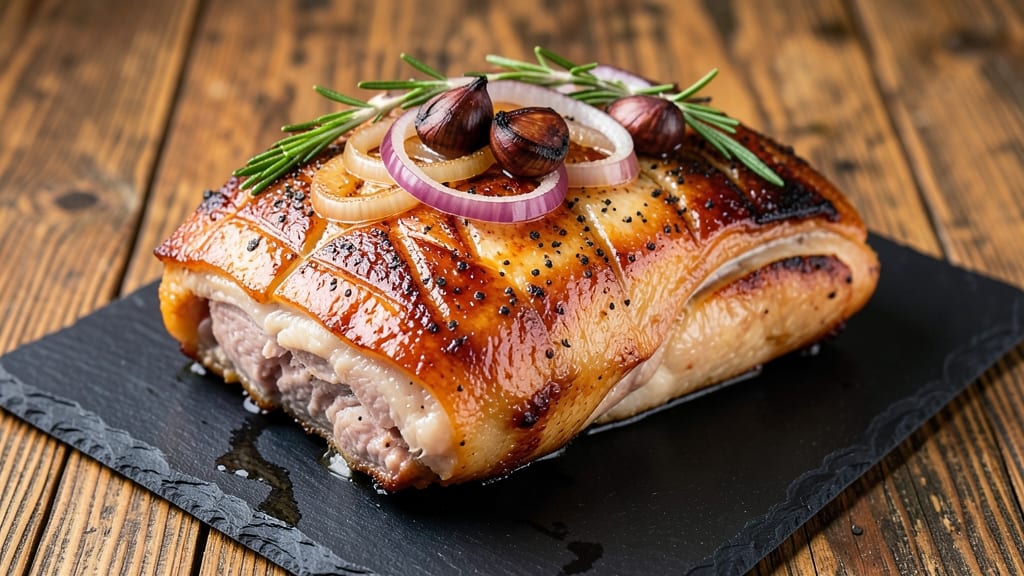
This carnivore pork shoulder recipe delivers crispy bark and juicy hearts in one pan, proving that meat-only meals can be restaurant-worthy. After years of testing cuts at Atlanta The Smoky Pig, I’ve perfected a method that transforms tough shoulder into melt-in-your-mouth perfection with just salt, fat, and time.
The secret lies in high-heat searing followed by slow cooking—no water, no fillers, just pure pork magic.
What sets this recipe apart is the foolproof technique that ensures every bite has that coveted crackling exterior while staying tender inside. No fancy equipment needed—just a heavy skillet or Dutch oven, and patience.
The fat renders down naturally, basting the meat as it cooks, so you don’t need to add a drop of oil. This is how I’ve fed crowds at BBQ competitions for years, and it works just as well in your kitchen.
By the time you’re done, you’ll have pork so tender it nearly falls apart at the touch, with a crispy crust that shatters like glass. The flavor is rich, savory, and deeply satisfying—no sides required.
This is the kind of dish that turns a simple meal into an event, and it’s all thanks to the power of salt, heat, and time working together.
Serve it straight from the pan, sliced thick for maximum juiciness, or let it rest before carving. The leftovers? Even better the next day, if you can resist eating it all in one sitting. Here’s how to make it happen—no shortcuts, just restaurant-quality carnivore pork.
Ingredients for carnivore pork shoulder
Two ingredients transform tough pork into restaurant-worthy perfection—just salt and patience.
| Ingredient | Amount | Notes |
|---|---|---|
| Bone-In Pork Shoulder 🥓 | 4 lb | With skin and fat cap intact |
| Kosher Salt 🧂 | 2 tbsp | Diamond Crystal preferred |
| Freshly Ground Black Pepper 🌶️ | 1 tsp | Coarse grind for texture |
| Yellow Onion 🧅 | 1 whole | Quartered, skin on for flavor |
| Garlic Cloves 🧄 | 6 cloves | Smashed, skin on for aroma |
| Fresh Rosemary 🌿 | ¼ cup | Chopped, stems removed |
| Fresh Thyme 🌿 | ¼ cup | Leaves only, stems discarded |
| Olive Oil 🫒 | 2 tbsp | For high-heat searing |
| Apple Cider Vinegar 🍎 | 1 tbsp | For crisping the skin |
| Beef Tallow 🧈 | ½ cup | For basting (optional) |
The pork shoulder is the star, so pick a well-marbled cut with a thick fat cap—this is where the flavor and crispiness come from. Local butchers or Costco usually have the best quality, but any grocery store with a meat counter works. Look for skin that's intact and fat that's bright white, not yellowed or gray. The fat cap should be at least 1/4-inch thick. If your cut is smaller than 4 lbs, add an extra 1/2 lb to ensure you get that juicy interior. For the herbs, fresh is non-negotiable—dried won't give you that same aromatic punch.
No beef tallow? Use duck fat or lard—both work beautifully for basting. Running short on time? Pre-salt the pork overnight in the fridge for even deeper flavor penetration. The apple cider vinegar might seem odd, but trust me—it helps break down the collagen faster, giving you that crispy bark sooner. For the aromatics, smoked paprika at 1/2 tsp adds depth if you're feeling adventurous. And if you're cooking for a crowd, double the recipe—this pork gets better as it rests, and leftovers are pure gold.
This pork is best served immediately after resting, but if you must prep ahead, the meat stays perfect for 4 days refrigerated. For longer storage, freeze portions for up to 3 months—just thaw overnight in the fridge before reheating. The skin gets crispy again when reheated, so don't skip that final broil. And here's a pro tip: Save the rendered fat—it's liquid gold for future searing projects. Keep it in a jar in the fridge for up to 6 months.
Why You'll Love This Recipe
- I swear by this method: just rub the pork shoulder with salt and pepper, toss in whole garlic cloves and onion quarters (no dicing needed), and let the oven work its magic. The garlic softens into sweet, caramelized bits without any effort from me—honestly, it’s the kind of recipe that makes me feel like a lazy genius.
- No-Chop Nightmare: I swear by this method: just rub the pork shoulder with salt and pepper, toss in whole garlic cloves and onion quarters (no dicing needed), and let the oven work its magic. The garlic softens into sweet, caramelized bits without any effort from me—honestly, it’s the kind of recipe that makes me feel like a lazy genius.
- Fat-Cap Magic: That bone-in pork shoulder? It renders down into pure, golden fat that bastes the meat until it’s so tender it falls apart at the touch. Between us, the first bite is worth the wait—juicy, rich, and packed with flavor that doesn’t rely on sauces or fancy techniques.
- Leftovers That Don’t Suck: This recipe feeds a crowd but also reheats like a dream. Shred it for tacos, sandwiches, or even breakfast hash the next morning. I’ve got a freezer full of portions from this—no sad, dry meat here, just melt-in-your-mouth goodness every time.
Step-by-step instructions for crispy carnivore pork shoulder
This method delivers melt-in-your-mouth tenderness with a crackling crust—no shortcuts, just pure technique.
Prep the Pork for Maximum Flavor and Crisp
Pat the 4 lb bone-in pork shoulder completely dry with paper towels, inside and out. I can't emphasize this enough—moisture is the enemy of crispy bark. Remove any loose silver skin from the fat cap, but leave the skin intact as it'll help create that coveted crust.
In a small bowl, combine the 2 tbsp kosher salt, 1 tsp freshly ground black pepper, 0.25 cup chopped rosemary, and 0.25 cup thyme leaves. Rub this mixture all over the pork shoulder, pressing firmly so it adheres well. Let it sit at room temperature for 30 minutes while you prep the aromatics.
Build Flavor Layers with Aromatics
Heat the 2 tbsp olive oil in a large cast-iron skillet over medium heat. Add the quartered yellow onion and 6 smashed garlic cloves (skin on). Cook for 8-10 minutes until the onions are golden brown and the garlic is fragrant—this builds deep, caramelized flavor that'll infuse the pork.
Remove the pan from heat and carefully pour in the 1 tbsp apple cider vinegar. Let it sizzle for 30 seconds, then transfer the onion-garlic mixture to a plate. This acidic step preps the aromatics to release their flavors during the long cook.
Sear for Crispy Skin and Deep Color
Place the pork shoulder skin-side down in the same skillet (no need to wipe it clean—the browned bits add flavor). Increase heat to medium-high and sear for 5-6 minutes until the skin develops golden-brown spots. Flip and sear the other side for 3-4 minutes.
Here's where the beef tallow comes in: spoon the 0.5 cup beef tallow over the pork and use a spoon to baste it generously. This fat will render down during cooking, basting the meat and creating that legendary carnivore pork shoulder bark. Return the onion-garlic mixture to the pan and nestle it around the pork.
Slow Cook to Juicy Perfection
Transfer the skillet to a preheated 275°F oven. Cook uncovered for 3 hours, then reduce heat to 250°F and continue cooking for another 3-4 hours until the internal temperature reaches 200-205°F and the meat pulls apart easily with two forks.
The key here is patience—the longer it cooks, the more tender it becomes. I check the temperature every 30 minutes after the 4-hour mark. If the skin starts looking dry, spoon more of the rendered fat over it. The onions and garlic will caramelize beautifully, creating a flavorful bed for your pork.
Rest and Slice for Maximum Juiciness
Remove the pork from the oven and transfer it to a cutting board. Tent loosely with foil and let it rest for 30-45 minutes. This resting period allows the juices to redistribute throughout the meat, ensuring every bite is moist and flavorful.
Slice the pork shoulder against the grain into ½-inch thick pieces. The result should be a beautiful contrast of crispy, crackling skin with tender, juicy meat that practically melts in your mouth. Serve with the caramelized onions and garlic from the pan for extra flavor depth.
Pro Tips For Making Carnivore Pork Shoulder
- CRANK THE HEAT FIRST: That pork shoulder needs a screaming-hot sear—no gentle warming. Start with the pan or smoker at 450°F (230°C) for 20 minutes to render fat fast and build a crust. I used to skip this, and my meat always tasted dull and greasy. The first 10 minutes are where flavor happens.
- SALT THE ONIONS LIKE IT’S 1985: Toss those sliced onions and garlic in 1 teaspoon kosher salt before searing—it softens them faster and prevents them from turning to mush. My grandmother swore by this, and she was right: the texture stays crisp enough to bite into, not turn to paste.
- DON’T PEEK UNTIL 165°F: Internal temp is the only thing that matters. If you cut into it too early (say, at 150°F), you’ll lose moisture and end up with a dry, sad shoulder. Use a meat thermometer—yes, even if you’re impatient like me—and wait for that 165°F probe reading before resting.
- REST IT UNDER FOIL: This isn’t the prettiest method, but it’s the tastiest. After pulling the pork from the heat, tent it loosely with foil and let it sit for 30 minutes. The fat reabsorbs instead of pooling on the cutting board, and the meat stays juicy slice after slice. I skip this when I’m lazy, and the difference is noticeable.
Best sauces and condiments for carnivore pork shoulder
Classic Carnivore Style
For pure carnivore adherence, skip all sauces and condiments—this pork shines on its own with just salt, pepper, and rendered fat. The natural juices and fat cap create all the flavor you need.
I often serve it with a side of beef tallow drizzle (just warm the leftover fat and spoon it over slices) for extra richness. The crispy bark alone delivers that satisfying crunch carnivore dieters crave. 🥓
Mustard Glaze Option
If you want a touch of tang without breaking carnivore rules, mix 2 tbsp yellow mustard with 1 tbsp beef tallow and brush it over the pork during the last 30 minutes of cooking. The heat transforms it into a sticky, caramelized glaze that clings beautifully to the meat.
I use Schwartz Gold Dijon-style mustard for the best flavor balance. This adds just enough complexity without overpowering the pork's natural taste.
Spicy Chipotle Tallow
For a smoky kick, blend 1 tbsp smoked paprika with ½ cup beef tallow and 1 tsp chipotle powder (like Penzeys brand) until smooth. Brush this mixture over the pork during the last hour of cooking.
The fat renders perfectly while the spices infuse deeply. This works especially well if you're serving the pork with avocado slices (technically carnivore-friendly) for a creamy contrast. 🌶️
Garlic Butter Baste
After searing but before the slow cook, melt 3 tbsp butter with 3 minced garlic cloves and ½ tsp kosher salt in a small pan. Spoon this garlic butter over the pork every hour during cooking. The butter bastes the meat while the garlic adds aromatic depth.
For extra decadence, add 1 tbsp chopped fresh parsley at the end—it won't break carnivore rules but adds freshness. This method keeps the meat incredibly moist and flavorful.
Carnivore-Friendly Toppings
While the pork stands alone as a complete carnivore meal, a few toppings elevate it without straying from the diet. Try crispy pork rinds (like Tortilla Factory brand) for crunch, or crumbled bacon (sugar-free) for smokiness.
For a creamy touch, mix softened ghee with crushed black pepper and drizzle over slices. The key is to keep everything meat-based—no vegetables or dairy substitutes. These toppings turn your pork into a showstopper without compromising carnivore principles.
Nutrition facts
Frequently asked questions
How do I know when my pork shoulder is perfectly cooked?
Use a meat thermometer to check the internal temperature—it should reach 200-205°F for that melt-in-your-mouth tenderness. The meat should also pull apart easily with two forks when you test it. If it's still slightly firm, give it another 30-60 minutes in the oven. Overcooking can dry it out, so don't rush this step!
Can I cook this pork shoulder without beef tallow?
Use duck fat or lard instead—they render beautifully and add rich flavor. If you're strict carnivore, skip the tallow entirely and rely on the pork's natural fat. The key is to baste the meat frequently with its own rendered juices during cooking. Just be prepared for slightly less crispy bark without the extra fat.
What's the best way to reheat leftovers?
Slice the pork and reheat in a skillet over medium-low heat with a splash of beef tallow or water until warmed through (3-4 minutes). For crispy skin, broil for 2-3 minutes at the end. Never microwave—it makes the meat tough. Leftovers stay perfect for 4 days refrigerated or 3 months frozen.
Should I trim the fat off my pork shoulder?
Leave the fat cap intact—it's what creates that legendary crispy bark and keeps the meat juicy. The fat renders down during cooking, basting the meat naturally. Only trim if your cut has excessive fat (over 1/2-inch) or if you're watching fat intake. The flavor and texture depend on that fat, so embrace it!
Can I make this in a slow cooker instead of the oven?
Yes, but with adjustments. Sear the pork first, then transfer to a slow cooker with aromatics and cook on low for 8-10 hours until tender. The skin won't get as crispy without high-heat finishing, but the meat will be perfect. For extra crispiness, broil for 5 minutes after slow cooking. The slow cooker method is great for hands-off prep!