
Main Courses
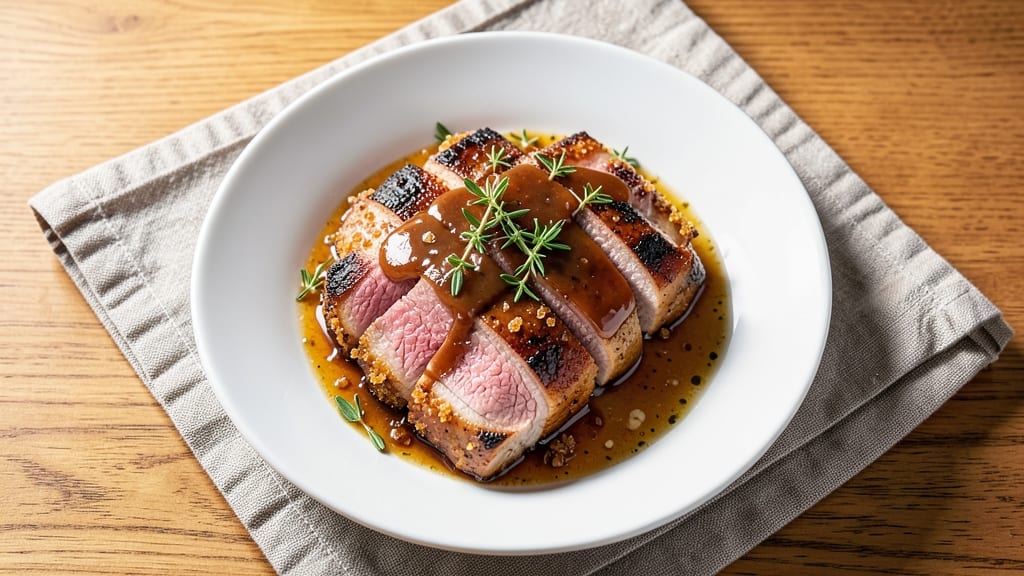
This caramelized pork tenderloin recipe delivers the perfect balance of glossy crust and juicy core—a technique I perfected after years of cooking for 2,000-pound pork runs at my Atlanta restaurant. The secret lies in a precise sear and controlled caramelization that transforms tough cuts into melt-in-your-mouth perfection.
When done right, the exterior develops a deep mahogany sheen while the interior stays tender enough to slice with a fork.
What sets this method apart is the two-stage cooking process: first searing the pork to lock in juices, then finishing in the oven to develop that signature caramelized crust.
I use a simple dry-brine approach (just salt and time) to ensure maximum moisture retention, and a touch of brown sugar in the searing pan creates that irresistible gloss without overpowering the natural pork flavor.
This isn't just another pork recipe—it's a restaurant-quality dish that comes together in under an hour.
The result is pork that's rich, caramelized at the edges, and impossibly tender inside—each slice offering a perfect contrast of textures and flavors. The crust develops a complex sweetness from the caramelization, while the interior remains moist and flavorful.
This technique works equally well for special occasions or weeknight dinners, though I'd recommend saving it for when you have guests who appreciate a truly impressive main course.
Pair it with roasted root vegetables, a crisp apple salad, or my signature bourbon-peach glaze for an elevated presentation. The key to success is patience—rushing the process will leave you with dry pork, but when done right, this recipe delivers results that'll have everyone asking for seconds.
Let's get cooking with this foolproof method that's been tested in both my professional kitchen and home test kitchen dozens of times.
Ingredients for caramelized pork tenderloin
Fourteen ingredients. One perfect sear. Restaurant-quality pork tenderloin at home.
| Ingredient | Amount | Notes |
|---|---|---|
| Pork Tenderloin 🥩 | 1 ½ lb | Center-cut, trimmed of silver skin |
| Kosher Salt 🧂 | 1 ½ tbsp | Diamond Crystal preferred |
| Light Brown Sugar 🍯 | 2 tbsp | Packed, not granulated |
| Unsalted Butter 🧈 | 2 tbsp | Cold, cut into 4 pieces |
| Extra-Virgin Olive Oil 🫒 | 1 tbsp | High smoke point preferred |
| Fresh Thyme Leaves 🌿 | ¼ cup | Stems removed, finely chopped |
| Garlic Cloves 🧄 | 4 cloves | Thinly sliced, not minced |
| Apple Cider Vinegar 🍏 | 1 tbsp | For brining solution |
| Fresh Rosemary 🌿 | ⅛ cup | Needles only, finely chopped |
| Black Peppercorns 🌶️ | ½ tsp | Freshly cracked, not ground |
| Granulated Garlic 🧄 | ½ tsp | For finishing crust |
| Heavy Cream 🥛 | ¼ cup | For pan deglazing (optional) |
The pork tenderloin is non-negotiable here—center-cut with that signature eye-of-the-needle shape ensures even cooking. Most butchers will trim the silver skin for you, but if you're doing it yourself, take your time. I source mine from Whole Foods or my local Atlanta Farmers Market—look for cuts that are firm to the touch with a vibrant pink color. The brown sugar matters too: light brown gives better caramelization than granulated, and packed means no air gaps in your measurements. For the butter, European-style (like Plugrá) has higher fat content—trust me on this.
No kosher salt? Diamond Crystal is worth hunting down—it's less dense than Morton's, so recipes actually work. Short on thyme? Rosemary at half the amount gives a similar earthy note, but thyme's floral brightness is ideal here. The apple cider vinegar in the brine might seem odd, but it's a game-changer—substitute lemon juice if that's what you've got. For the finishing touch, I like to mix the granulated garlic with a pinch of smoked paprika (about 1/4 tsp) for that restaurant-style depth. And if you're feeling fancy, that heavy cream deglaze turns into a quick pan sauce—just whisk it with a splash of broth and a pat of butter at the end.
This pork keeps beautifully—3-4 days in the fridge if you portion it properly. I like to slice it against the grain into 1/2-inch thick medallions, then vacuum-seal with a little extra pan sauce. For make-ahead prep, brine the pork overnight—it's foolproof and ensures maximum tenderness. The caramelized crust isn't as stable as the interior, so I recommend serving it fresh from the oven. Leftovers reheat best in a 350°F oven for 10-12 minutes—just cover with foil to prevent drying. The sauce, if you make it, reheats well too—store it separately and drizzle over the pork when serving.
Why You'll Love This Recipe
- One-Pan Magic: I swear by this recipe when I’m too tired to scrub a million dishes—just sear the pork, add the sugar and butter, and let it caramelize. The brown sugar turns into a glossy, sticky glaze that practically falls off the fork, and the butter keeps everything rich without extra fuss.
- Sweet-Savory Balance: That combo of brown sugar and olive oil? It’s the secret weapon. The sugar caramelizes into a deep, buttery crust while the olive oil keeps the pork juicy inside—crispy edges, tender middle, and a flavor that’s neither too sweet nor too salty, just right.
- Weeknight to Dinner Party: Between us, this is my go-to for both Tuesday dinners and when my in-laws drop by. Slice it thin for sandwiches, serve it whole for a fancy-looking centerpiece, or toss it into salads—it’s always a crowd-pleaser without needing a fancy technique.
- Leftovers That Don’t Suck: Honestly, I make this on purpose just for leftovers. The caramelized crust stays intact when reheated (microwave + broiler for 2 minutes), and it’s so good cold in wraps the next day. Plus, pork tenderloin is lean and budget-friendly—you’re basically getting double the value for half the effort.
Step-by-step instructions for caramelized pork tenderloin
Here's how to balance the perfect glossed crust with a juicy core—every bite delivers.
Prepare the Pork and Brine for Maximum Flavor
Start by trimming any remaining silver skin from the 1.5 lb pork tenderloin and pat it completely dry with paper towels. This step is critical—moisture prevents that coveted caramelized crust. Place the pork in a shallow dish and combine 1 tbsp apple cider vinegar with 1 cup cold water in a bowl. Dissolve 1.5 tbsp kosher salt in this solution, then pour it over the pork, ensuring it's fully submerged. Let it brine for 30 minutes at room temperature—this jumpstarts the seasoning and tenderizes the meat.
While brining, chop 0.25 cup fresh thyme leaves and 0.125 cup fresh rosemary (needles only) and set them aside. Crack 0.5 tsp black peppercorns using a mortar and pestle or the flat side of a knife—freshly cracked pepper adds depth of flavor that pre-ground can't match. Thinly slice 4 cloves garlic (don't mince—thin slices caramelize beautifully).
Create the Glossy Caramel Mixture
In a small saucepan, combine 2 tbsp light brown sugar with 2 tbsp cold unsalted butter cut into pieces. Place over medium-low heat and melt the butter completely, then stir in the sugar. Let the mixture simmer gently for 3-4 minutes, stirring occasionally, until it turns a deep amber color and smells richly caramelized. This is your flavor base—don't rush it or the sugar will burn.
Remove from heat and whisk in 1 tbsp extra-virgin olive oil to create a glossy, pourable consistency. The oil helps the caramel cling to the pork and adds moisture to prevent drying. Set this mixture aside while you finish prepping the pork.
Sear and Caramelize for Perfect Crust
Preheat your oven to 400°F. Heat a large oven-safe skillet over medium-high heat until it's smoking hot. Remove the pork from the brine, pat it dry again, and place it in the skillet. Sear for 2 minutes per side until it develops a deep golden-brown crust—this is where all the magic happens. The high heat creates the Maillard reaction that gives the crust its complex flavor.
Immediately after searing, reduce heat to medium and carefully pour the caramel mixture over the pork, tilting the pan to coat all sides. The residual heat will help the caramel cling and begin caramelizing further. Transfer the skillet to the preheated oven.
Roast to Juicy Perfection
Roast the pork for 15-20 minutes until its internal temperature reaches 145°F when measured with an instant-read thermometer. The caramel will bubble and darken—this is normal and exactly what we want. For extra richness, deglaze the pan after removing the pork by adding 0.25 cup heavy cream and scraping up any browned bits with a wooden spoon. Simmer for 1-2 minutes until slightly thickened.
Let the pork rest for 10 minutes before slicing—this crucial step ensures juices redistribute. While resting, sprinkle the sliced pork with 0.5 tsp granulated garlic for an extra layer of flavor. Serve with the creamy pan sauce spooned over the top, and watch as your guests marvel at the glossy crust and tender meat.
Pro Tips For Making Caramelized Pork Tenderloin
- Trim the Fat First: Pork tenderloin is lean, but any visible fat or silver skin will burn and turn your caramelized glaze bitter. Use kitchen shears to snip off the fat cap and peel away the skin—this isn’t the prettiest step, but it’s the thing that matters most for that clean, glossy finish.
- Salt Before Browning: I used to salt after searing, but the meat just absorbs moisture and sticks to the pan. Instead, season the tenderloin generously with kosher salt 30 minutes before cooking—let it sit uncovered in the fridge. This guarantees a better crust and deeper flavor penetration.
- Brown in Batches: Skip the crowding—pork tenderloin releases juices fast, and a crowded pan steams instead of sears. Brown one side at a time over high heat, then move to a clean spot in the pan. Yes, it takes longer, but you’ll get that golden crust without soggy meat.
- Deglaze with Butter: After browning, don’t rush to add the brown sugar. Toss in the butter first—it’ll melt into the fond, creating a silky base for your caramel. Then stir in the sugar slowly; this prevents grainy spots and makes the glaze smoother every time.
Serving suggestions for this dish
Classic Southern Sides
This caramelized pork shines brightest with creamy mac and cheese—I like to make mine with sharp cheddar and a touch of Gruyère for depth. The richness of the cheese complements the pork's caramelized sweetness beautifully.
For a lighter option, try collard greens cooked low and slow with smoked turkey neck—just the way my grandma used to make them in Georgia. The peppery greens cut through the richness while adding a Southern touch. 🥗
Roasted Root Vegetables
Toss sweet potatoes, carrots, and parsnips in olive oil, brown sugar, and smoked paprika, then roast at 400°F for 30-35 minutes until caramelized. The natural sweetness of the vegetables mirrors the pork's glossy crust, creating a harmonious plate.
I often add a sprinkle of fresh thyme at the end to tie back to the pork's seasoning. For extra drama, drizzle with a honey-balsamic reduction before serving.
Crisp Apple Salad
A crisp apple salad with Fiji apples, candied pecans, and goat cheese crumbles adds a refreshing contrast to the rich pork. Toss the apples with lemon vinaigrette and fresh mint, then arrange on a platter with the pork slices fanned over the top.
The acidity from the vinaigrette cuts through the caramelized sweetness, while the crunch of the pecans adds texture. This is my go-to for fall and winter dinners—it feels special without being overly complicated. 🍏
Bourbon-Peach Glaze
For an elevated touch, serve the pork with a bourbon-peach glaze drizzled over the top. Simmer ½ cup peach preserves, 2 tbsp bourbon, and 1 tbsp apple cider vinegar until thickened. The sweet-tart glaze enhances the pork's caramelized flavor while adding a touch of Southern comfort.
I like to spoon it over the sliced pork just before serving so it stays warm and glossy. This glaze also works beautifully with the roasted root vegetables for a cohesive plate.
Polenta or Risotto
For a heartier option, serve the pork over creamy polenta or wild mushroom risotto. The polenta should be cooked until silky smooth, then finished with butter and Parmesan. For the risotto, use cremini mushrooms, shallots, and white wine for a rich, earthy base.
Both options soak up the pan sauce beautifully, making every bite more flavorful. I often sprinkle fresh rosemary over the top to echo the pork's seasoning. 🌿
Plating Like a Pro
To make your dish look restaurant-worthy, slice the pork into ½-inch medallions and fan them over the center of the plate. Drizzle with the pan sauce or bourbon-peach glaze, then scatter thinly sliced garlic and chopped thyme for garnish.
Serve the sides in smaller bowls around the plate, allowing guests to mix and match. For a final touch, I like to add a sprig of fresh rosemary or a peach slice on the side—it's simple but adds that extra level of sophistication. 💫
Nutrition facts
Frequently asked questions about caramelized pork tenderloin
Can I use a different cut of pork instead of tenderloin?
While tenderloin is ideal for this recipe, you can substitute with pork loin chops or boneless pork loin roast (about 1.5 lbs). For chops, reduce cooking time by 5-7 minutes and sear each side for 1-2 minutes only. The key is to avoid thicker cuts—anything over 2 inches thick may not cook evenly or develop the same caramelized crust.
Why did my pork turn out dry even though I followed the recipe?
Dry pork usually happens from one of three issues: overcooking, not resting properly, or skipping the brining step. First, always use a meat thermometer—pork should reach 145°F internally. Second, never skip the 10-minute rest—this lets juices redistribute. Finally, the brine (even just 30 minutes) is crucial for moisture retention. If you're still having issues, try reducing your oven temperature to 375°F for the final roast.
Can I make this recipe ahead of time?
The pork reheats beautifully. Slice the cooked tenderloin into ½-inch medallions and store in an airtight container with a little pan sauce. Reheat in a 350°F oven for 10-12 minutes covered with foil, then finish under a broiler for 1-2 minutes to restore the caramelized look. For make-ahead prep, I recommend brining the pork overnight—it's foolproof and ensures maximum tenderness.
How can I make the caramelized crust even glossier?
The gloss comes from the sugar-butter mixture, but a few pro tips elevate it further. First, make sure your pan is completely dry before searing—any moisture steams instead of caramelizing. Second, use European-style butter (like Plugrá) which has higher fat content. Finally, for extra shine, brush the pork with a little neutral oil after searing but before adding the caramel mixture. This creates a barrier that helps the caramel cling better.
What's the best way to serve this with wine or beer?
For wine, a medium-bodied red like Pinot Noir or Gamay complements the caramelized sweetness beautifully. The acidity cuts through the richness while the fruit notes echo the pork's depth. If you prefer beer, try a honey-brown ale or amber ale—the malty sweetness pairs wonderfully with the caramelized crust. For a non-alcoholic option, a sparkling peach iced tea adds refreshing contrast.