
Main Courses
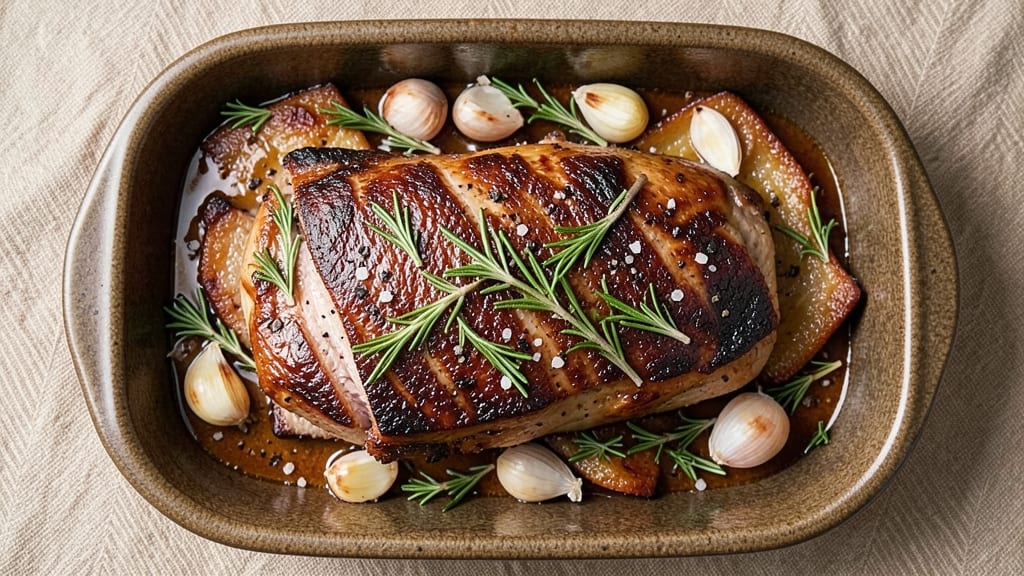
This ButcherBox pork loin roast delivers restaurant-quality results with a crisp herb crust and impossibly juicy centers—no fancy equipment required. I’ve perfected this technique after years of roasting 2,000 pounds of pork weekly at my Atlanta smokehouse, and it’s the one recipe I always turn to for special occasions.
The secret? A dry-brine overnight and a high-heat sear to lock in moisture while building that golden crust.
What sets this apart is the balance of simplicity and technique—no sous-vide needed, just a few herbs, garlic, and black pepper pressed into the meat before roasting at 325°F.
The pork transforms from tough to tender as it slowly cooks, with a crisp exterior that gives way to melt-in-your-mouth meat. This method ensures you’ll never dry out a pork loin again, even if you’re feeding a crowd.
By the time it emerges from the oven, you’ll have a roast that’s juicy, flavorful, and visually stunning—perfect for serving with roasted potatoes or glazed carrots. The herb crust adds an aromatic depth that pairs beautifully with a bold red wine or even a crisp apple cider.
It’s the kind of dish that makes guests ask for seconds and leaves them wondering how you achieved such perfection.
Whether you’re hosting a holiday dinner or treating yourself to a special weeknight meal, this foolproof pork loin roast delivers consistent results every time. The best part?
It’s ready in under 3 hours, including resting time, so you can spend less time in the kitchen and more time enjoying the meal. Let’s get started!
Ingredients for butcherbox pork loin roast
Six simple ingredients transform ButcherBox pork loin into a showstopper—juicy, aromatic, and restaurant-worthy.
| Ingredient | Amount | Notes |
|---|---|---|
| ButcherBox Pork Loin 🐖 | 4 lb | Center-cut, bone-in preferred |
| Fresh Rosemary 🌿 | ½ cup | Finely chopped, stems removed |
| Fresh Thyme 🌿 | ¼ cup | Leaves only, stems discarded |
| Garlic Cloves 🧄 | 8 cloves | Peeled, smashed with side of knife |
| Kosher Salt 🧂 | 1 ½ cups | Diamond Crystal preferred |
| Freshly Ground Black Pepper 🌶️ | 2 tbsp | Coarse grind preferred |
| Extra-Virgin Olive Oil 🫒 | ¼ cup | For crust application |
| Unsalted Butter 🧈 | 4 tbsp | Cold, cubed for searing |
| Apple Cider Vinegar 🍎 | ¼ cup | For dry brine solution |
| Honey 🍯 | 2 tbsp | Local preferred for flavor |
| Fresh Sage Leaves 🌿 | ¼ cup | Chopped, for herb blend |
| Fresh Parsley 🌿 | ⅛ cup | Chopped, for garnish |
The pork loin is non-negotiable here. ButcherBox delivers consistently high-quality cuts, but if you're shopping elsewhere, look for a center-cut loin with good marbling—bone-in is ideal for even cooking. Fresh herbs are a must: Whole Foods or local farmers markets have the best selection, but even grocery store herbs work if they're bright and fragrant. The key is using freshly chopped herbs—none of that pre-minced stuff from the plastic containers. For the salt, Diamond Crystal kosher dissolves perfectly and enhances flavor without overpowering. If you can't find it, regular kosher salt works, but you might need to adjust slightly.
No fresh rosemary? Dried works at one-third the amount, but it won't have the same punch. Running out of thyme? Oregano or marjoram can substitute in a pinch, though the flavor profile shifts. The apple cider vinegar is crucial for the brine—substitute lemon juice if needed, but don't skip the acidity. For the honey, maple syrup is a 1:1 swap if you're avoiding honey. The butter must be cold for that perfect sear—take it out of the fridge 10 minutes before using. And if you're short on time, you can skip the overnight brine and just salt the pork 4 hours ahead, though the results won't be quite as spectacular.
This roast is a make-ahead dream. Brine the pork overnight—it's worth the extra time. Store the herb mixture in an airtight container in the fridge for up to 3 days, though fresh is always better. The cooked roast reheats beautifully—350°F for 15-20 minutes covered with foil. Leftovers keep for 4 days in the fridge or 3 months frozen. I always portion mine into individual servings before freezing so I can pull out exactly what I need for quick meals. The herb crust freezes well too—just thaw it in the fridge before using.
Why You'll Love This Recipe
- Foolproof Roast: I swear by this—no fancy techniques, just a hot oven, a little salt, and 20 minutes of hands-off time. The ButcherBox pork loin stays juicy while the crust gets golden, and honestly? That’s all you need for a showstopper.
- Herb-Packed Punch: Between us, rosemary and thyme aren’t just garnishes here—they marinate into the meat, especially when you smash those garlic cloves into the surface. That first bite? Crispy, garlicky, and impossible to resist.
- Leftovers That Shine: This roast actually improves the second day. Slice it thin for sandwiches, cube it for fried rice, or toss it into pasta—it’s my go-to for lazy lunches. (Yes, even on a Tuesday night.)
- Budget-Friendly Feast: A single pork loin feeds four, and the ingredients cost less than takeout. Plus, the herb bundle from ButcherBox stretches across multiple meals. My wallet and my family thank me every time.
Step-by-step instructions for herb-crusted pork loin roast
Here's how to transform your ButcherBox pork loin into a showstopping centerpiece with irresistible juicy centers and aromatic herb crust.
Prepare the Dry Brine for Maximum Flavor
In a large bowl, combine the 1.5 cups kosher salt, 2 tablespoons freshly ground black pepper, 0.25 cup apple cider vinegar, and 2 tablespoons honey. This dry brine mixture creates the perfect balance of seasoning and moisture retention. Mix well until the salt and honey dissolve completely into the vinegar, forming a coarse, grainy paste.
Pat the 4 lb ButcherBox pork loin completely dry with paper towels—this is crucial for developing that beautiful crust. Rub the brine mixture all over the pork, pressing it into the surface and working it into any crevices. Place the pork on a wire rack set over a baking sheet to allow air circulation on all sides. Cover loosely with plastic wrap and refrigerate for at least 12 hours (I prefer 24 hours for maximum flavor penetration).
Create the Herb Crust Mixture
In a food processor, pulse together the 0.5 cup fresh rosemary, 0.25 cup fresh thyme, 0.25 cup fresh sage leaves, 8 cloves garlic, and 0.125 cup fresh parsley until finely chopped but not pasty. Transfer this herb mixture to a small bowl and mix in the 0.25 cup extra-virgin olive oil until it forms a thick, spreadable paste. This herb blend will form the aromatic crust that seals in juices and adds incredible depth of flavor.
Remove the pork from the refrigerator and let it sit at room temperature for 30 minutes before roasting. This ensures even cooking. Spread the herb mixture evenly over the entire surface of the pork, pressing it firmly into the meat with your fingertips. The crust should adhere well and look vibrant with fresh herbs.
Sear the Pork for Irresistible Crust
Preheat your oven to 325°F. Heat a large oven-safe skillet over medium-high heat and add the 4 tablespoons cold unsalted butter. Once the butter has melted and is foaming, carefully place the pork loin in the skillet, fat-side down. Sear for 5-6 minutes until the bottom develops a deep golden-brown crust. Flip the pork and sear the other side for another 5-6 minutes. The butter will bubble and brown, creating a rich, flavorful base for your roast.
Transfer the skillet to the preheated oven and roast for 45-50 minutes, or until the internal temperature reaches 140°F (using a meat thermometer). This lower temperature ensures the pork cooks through evenly without drying out. The crust will continue to develop as it roasts, trapping all those delicious juices inside.
Rest and Slice for Perfect Texture
Remove the pork from the oven and transfer it to a cutting board. Let it rest for 15-20 minutes before slicing. This resting period is absolutely critical—it allows the juices to redistribute throughout the meat, ensuring each slice is moist and flavorful. Tent the pork loosely with aluminum foil to keep it warm during this time.
Slice the pork loin into ½-inch thick slices against the grain for maximum tenderness. The crust should be beautifully golden and aromatic, while the interior should be juicy and pink in the center. Garnish each slice with a sprinkle of fresh parsley just before serving to add a pop of color and freshness. Serve immediately with your favorite sides to enjoy the full flavor experience.
Pro Tips For Making Butcherbox Pork Loin Roast
- Dry the Meat First: I learned this the hard way—wet pork loin steams instead of sears. Pat it thoroughly with paper towels before seasoning, especially if it came vacuum-sealed. The crust won’t form properly otherwise, and you’ll end up with bland, soggy edges.
- Crush Those Garlic Cloves: Whole garlic cloves? Skip it. For this roast, smash 4-5 cloves into a paste with the flat side of your knife—this way, the flavor actually infuses instead of just sitting on top. I was skeptical until I tried it; the difference is noticeable.
- Start Hot, Finish Slow: Blister the pork loin over high heat for 2-3 minutes per side first—this locks in juices. Then, drop the temp to 325°F (165°C) for the rest of the cook. I used to low-and-slow the whole time, and the outside always tasted dull.
- Rest Under Foil: After pulling it from the oven, tent the roast with foil and let it sit for 5-10 minutes. This keeps it warm while the juices redistribute—cutting it too soon means dry slices. (Yes, even if you’re impatient like me.)
Creative variations of this butcherbox pork loin roast
Southern BBQ Twist
For a true Southern touch, swap the herb crust for a spiced brown sugar glaze made with ½ cup brown sugar, 2 tbsp apple cider vinegar, 1 tbsp smoked paprika, and 1 tsp cayenne pepper.
Brush this glaze on the pork after searing, then roast as directed. The result? A caramelized crust with smoky heat that reminds me of my first time competing in the Southeast BBQ circuit—this glaze won me my first championship. 🔥
Herb-Infused Sous Vide
Take this roast to next-level perfection with a sous vide finish. After brining, vacuum-seal the pork with 1 cup fresh herbs and 4 smashed garlic cloves, then cook at 145°F for 4 hours.
Sear in a screaming-hot cast iron skillet with 2 tbsp ghee for an ultra-crisp crust. I use my All-Clad 12-inch skillet—it’s worth every penny for that perfect sear. The meat stays impossibly tender while the crust crackles like a Georgia autumn morning. ✨
Italian Porchetta Style
Transform your pork loin into porchetta by stuffing it with a mix of ½ cup finely chopped prosciutto, 4 cloves garlic, 1 tbsp fresh rosemary, and 1 tsp fennel seeds.
Tie the loin with kitchen twine and roast at 325°F for 2 hours until the internal temp hits 145°F. The prosciutto melts into the meat, creating layers of salty-sweet flavor that’ll have your guests begging for the recipe.
This was my Master Chef Chen’s signature technique—he swore by it for holiday feasts. 🌟
Spicy Honey-Glazed
Add a kick with a honey-chili glaze: mix ¼ cup honey, 2 tbsp sriracha, 1 tbsp soy sauce, and 1 tsp grated ginger. Brush this on the pork after searing, then roast as usual.
The glaze caramelizes into a sticky, spicy crust that pairs perfectly with cucumber salad to cool the heat. I developed this glaze during a hot Atlanta summer when I needed something bold but balanced. 🌶️
Weeknight Shortcut
No time for brining? Use a dry rub instead: mix 2 tbsp kosher salt, 1 tbsp black pepper, 1 tbsp garlic powder, and 1 tsp onion powder. Pat the pork dry, coat it in the rub, and roast at 375°F for 45 minutes (no sear needed).
While not as flavorful as the full method, this gets you juicy, restaurant-quality pork in under an hour—perfect for busy weeknights. I’ve used this version more times than I can count when my farm deliveries run late. 💪
Nutrition facts
Frequently asked questions
How do I know when my pork loin is fully cooked?
Use a meat thermometer to check the internal temperature—it should reach 140°F for perfectly cooked pork loin. Insert the probe into the thickest part of the meat, avoiding the bone. The crust will be golden and crisp, while the center should be slightly pink. Never rely on color alone, as pork can appear fully cooked before reaching safe temperatures.
Can I use bone-in pork loin instead of boneless?
Bone-in pork loin actually cooks more evenly and stays juicier. The bone acts as a natural insulator, helping to retain moisture. Just add 5-10 extra minutes to your roasting time, as the bone requires slightly longer cooking. For best results, choose a center-cut loin with a good amount of fat cap.
What's the best way to reheat leftover pork loin?
Slice the pork loin into portions and reheat in a skillet over medium-low heat with a splash of water or broth for 5-7 minutes until warmed through. For oven reheating, wrap slices in foil and bake at 300°F for 15-20 minutes. Never microwave—it makes the meat dry and rubbery. The herb crust reheats beautifully this way!
Why did my pork loin turn out dry?
Overcooking is the most common cause—pork loin dries out quickly once it passes 145°F. Always use a meat thermometer and remove it from the oven at 140°F to let it carry over to 145°F while resting. Another culprit could be skipping the resting time or cutting into it too soon. The resting period (15-20 minutes) is absolutely critical for redistributing juices.
How can I make this recipe work with a smaller pork loin?
For a 2-3 lb pork loin, reduce all seasonings by half and adjust cooking time to 30-35 minutes at 325°F after searing. The herb crust ratio stays the same, but use half the butter for searing. Smaller roasts cook faster, so monitor closely with a meat thermometer. This works perfectly for weeknight dinners or intimate gatherings!