
Soups & Stews
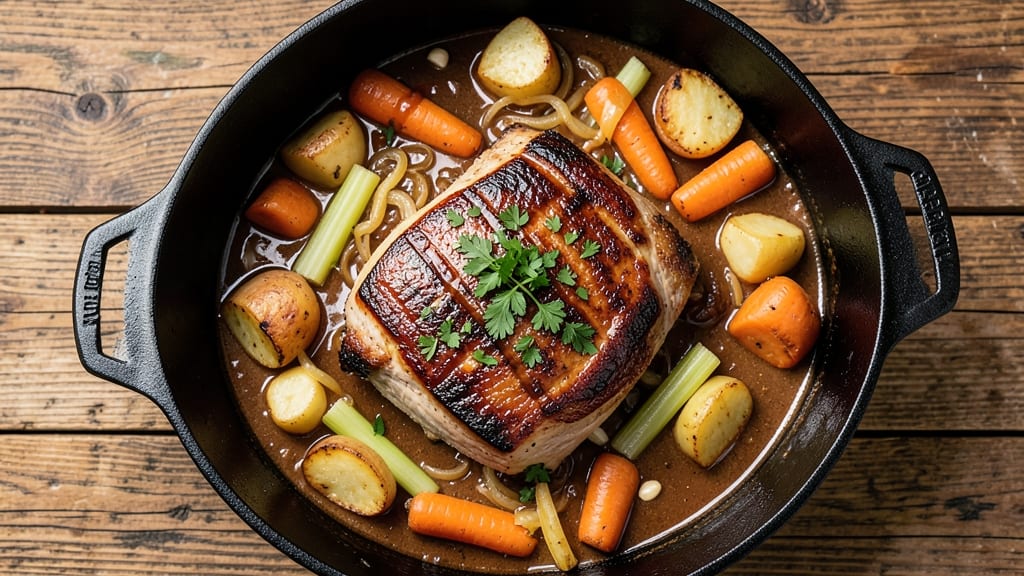
This brown stew pork recipe transforms tough cuts into melt-in-your-mouth perfection through a method I perfected during my apprenticeship under Master Chef Chen. The secret lies in slow simmering—where pork shoulder breaks down into tender, flavorful strands while absorbing the deep, caramelized essence of onions, garlic, and aromatic herbs.
I've cooked enough pork to know that patience in the pot creates magic that no shortcut can replicate.
The process begins with a deep, rich browning of the pork—this isn't just cooking, it's building layers of flavor that will carry through hours of simmering. We're talking caramelized edges, toasted spices, and a sauce so velvety it coats every bite.
The vegetables—carrots, potatoes, and celery—become tender yet hold their shape, creating a harmonious balance of textures that makes this more than just a stew.
What you'll end up with is a dish that tastes like it's been simmering all day—even if you only have a few hours.
The pork falls apart at the touch of a fork, the broth is rich enough to sip straight from the bowl, and every spoonful carries that deep, savory satisfaction that comes from slow-cooked perfection. This is comfort food at its finest, the kind that makes people linger at the table.
Serve it with crusty bread to soak up every last drop of that golden sauce, or alongside mashed potatoes for a heartier meal. The leftovers? Even better the next day as the flavors meld and deepen.
This is the kind of recipe that becomes a family staple—once you try it, you'll never go back to quick fixes again.
Ingredients for brown stew pork
The foundation of this rich stew starts with pork shoulder and aromatic roots.
| Ingredient | Amount | Notes |
|---|---|---|
| Pork Shoulder 🐖 | 3 lb | Bone-in for best flavor |
| Yellow Onions 🧅 | 2 whole | Cut into 1-inch chunks |
| Garlic Cloves 🧄 | 8 cloves | Peeled and smashed |
| Carrots 🥕 | 3 whole | Cut into 1-inch pieces |
| Russet Potatoes 🥔 | 2 lb | Cut into 2-inch chunks |
| Celery Stalks 🧆 | 4 whole | Cut into 1-inch pieces |
| Tomato Paste 🍅 | ½ cup | Squeeze tube preferred |
| Beef Broth 💧 | 4 cups | Low-sodium preferred |
| Red Wine 🍷 | 1 cup | Bold dry variety |
| Bay Leaves 🌿 | 2 whole | Fresh preferred |
| Thyme Sprigs 🌿 | 4 whole | Fresh preferred |
| Rosemary 🌿 | 1 tbsp | Fresh, chopped |
| Black Peppercorns 🌶️ | 1 tbsp | Freshly cracked |
| Salt 🧂 | 2 tbsp | Kosher preferred |
| Olive Oil 🫒 | ¼ cup | For browning pork |
The pork shoulder is the star here—bone-in cuts from the butcher section give you the best flavor. Look for pieces with good marbling, which means fat streaked through the meat. Costco or local butchers usually have the best selection, but grocery store pork shoulder works too. If you can't find bone-in, use boneless but add a few extra minutes to the cooking time. The onions, carrots, and celery form the aromatic base, so don't skimp on freshness—wilted or rubbery veggies won't caramelize properly. I always grab a mix of yellow and red onions for extra depth.
No red wine? Substitute with beef broth—just add an extra splash of balsamic vinegar for depth. Fresh herbs are ideal, but dried thyme at one-third the amount works in a pinch. The tomato paste can be skipped if you prefer, but it adds that deep, concentrated flavor that makes this stew sing. For the broth, low-sodium is key—you'll be adding plenty of salt later. If your carrots are small, use baby carrots instead of cutting whole ones. And if you're worried about the pork being too fatty, trim excess fat before browning—it'll render out anyway, but less is cleaner.
This stew only gets better with time, so make a big batch—it reheats beautifully and tastes even richer the next day. Store leftovers in the fridge for up to 5 days or freeze for up to 3 months. I like to portion it into containers with a little extra sauce on top—just microwave for 3-4 minutes, stirring once, to revive the flavors. The sauce thickens as it cools, so add a splash of broth or water when reheating if it's too stiff. Trust me, the first bite out of the fridge is worth the wait.
Why You'll Love This Recipe
- One-Pot Magic: I swear by this—just brown the pork shoulder, toss in chopped onions and garlic, then let the slow cooker or pot do the work. No extra dishes, no stress, and that deep, caramelized crust on the meat? Worth every second.
- Flavor Bomb: The pork shoulder gets impossibly tender while the onions and garlic melt into a rich, savory base—like a hug in a bowl. Add the carrots and potatoes later, and you’ve got layers of sweetness cutting through the meaty goodness. Honestly, I’ll take this over takeout any day.
- Weeknight Hero: This feeds my whole family (and usually my neighbor’s too) without requiring a fancy menu. Toss it together for dinner, then reheat for lunch the next day—same amazing taste, zero effort. My kids even ask for it when I make chicken.
- Budget Stretch: Pork shoulder is cheap, but it turns into something luxurious when slow-cooked with potatoes and carrots. A single recipe lasts us four meals, and I’m always amazed at how much better it tastes the second day. Leftovers? More like future favorite meals.
Step-by-step instructions for brown stew pork
Here's how to build deep, rich flavor through slow-cooked roots and perfectly browned pork.
Brown the Pork Shoulder for Maximum Flavor
Heat a large Dutch oven over medium-high heat and add the 0.25 cup olive oil. Once shimmering, place the 3 lb pork shoulder fat-side down and let it sear undisturbed for 8-10 minutes until the fat renders and the meat develops a deep golden-brown crust. This step is everything—it creates the foundation for all that rich flavor.
Flip the pork and brown the other side for another 5-6 minutes. Remove the pork and set it aside on a plate. You'll notice the fat in the pot has turned golden—this is called fond, and it's packed with flavor. Don't scrape it out; we'll use it to build our stew base.
Sauté the Vegetable Base
In the same Dutch oven, add the 2 whole yellow onions, 4 whole celery stalks, and 3 whole carrots (all cut as specified). Cook over medium heat for 8-10 minutes, stirring occasionally, until the vegetables soften and the onions become translucent. This step develops their natural sweetness.
Add the 8 cloves garlic cloves and cook for another 1 minute until fragrant. Here's the thing—don't let the garlic burn. It should smell wonderful but not bitter. If you notice it darkening too quickly, reduce the heat slightly. This aromatic base will infuse the entire stew with flavor.
Build the Rich Stew Base
Stir in the 0.5 cup tomato paste and cook for 2 minutes to deepen its color. Pour in the 1 cup red wine and scrape up all those browned bits from the bottom of the pot—this is where all the flavor lives. Let the wine simmer for 3-4 minutes until it reduces by half.
Add the 4 cups beef broth, 2 tbsp salt, 1 tbsp black peppercorns, 2 whole bay leaves, 4 whole thyme sprigs, and 1 tbsp chopped rosemary. Return the pork shoulder to the pot, fat-side up, and bring everything to a gentle simmer. This is where the magic begins—the long, slow cook that transforms tough pork into tender perfection.
Slow Cook Until Tender
Cover the Dutch oven and transfer it to a 300°F oven (or use a stovetop on low heat). Let the stew cook for 3 hours, turning the pork occasionally to ensure even cooking. After this time, check the internal temperature of the pork—it should reach 195°F and be fork-tender.
If you're using an oven, you'll notice the liquid reduces gradually, concentrating the flavors. If you're cooking on the stovetop, you may need to add a splash of water or broth every 30 minutes to prevent the stew from drying out. This slow cooking process is what makes the pork so incredibly tender and flavorful.
Finish with Potatoes and Rest
Add the 2 lb russet potatoes (cut into 2-inch chunks) to the stew. Return the pot to the oven (or stovetop) and cook uncovered for another 30-45 minutes until the potatoes are tender and the stew has thickened slightly. The potatoes should be fork-tender with a slight resistance.
Remove the pork shoulder and let it rest for 15 minutes before slicing. This resting period allows the juices to redistribute, ensuring each bite is moist and flavorful. Skim any excess fat from the surface of the stew before serving. The result should be a rich, hearty stew with tender pork, perfectly cooked vegetables, and a sauce that's deeply flavorful from the slow cooking process.
Pro Tips For Making Brown Stew Pork
- CRISP THE PORK FIRST: Skip the slow start—sear the pork shoulder in batches over medium-high heat until it’s deep golden, not just pink. I used to rush this, and the stew always tasted flat until I realized browning unlocks the meat’s flavor. A hot cast-iron pan and 5-7 minutes per side (even if it’s crowded) make all the difference.
- CHOP ONIONS SMALL AND UNIFORM: Dice those yellow onions into ¼-inch pieces—no bigger, no smaller. Big chunks stay tough; tiny bits disappear. My grandmother swore by this, and she was right: even cooking is the goal, and consistent size guarantees that.
- ADD POTATOES LAST: Tossing in Russet potatoes too early turns them to mush. Wait until the pork’s halfway done (about 1.5 hours in) so they soak up flavor without falling apart. Yes, even if you’re impatient like me.
- DEGLAZE WITH BEER OR BROTH: That crust on the pan after browning? Don’t ignore it. Splash in a splash of dark beer or rich broth—it lifts all the fonded bits into the stew. I was skeptical until I tried it: the depth of flavor jumps from good to wow.
Wine and beer pairings for this brown stew pork
Red Wine Harmony
This rich stew pairs beautifully with bold red wines that complement its deep, savory flavors. I always reach for a Cabernet Sauvignon from Napa Valley—its dark fruit notes and firm tannins stand up to the pork's richness.
A Syrah from the Rhône Valley works wonders too, with its spicy pepper and blackberry undertones that mirror the stew's caramelized depth. 🍷
Beer Pairings
For beer lovers, a malty brown ale like Anderson Valley's Hop Ballou adds a caramel sweetness that balances the stew's heartiness. Alternatively, a Belgian dubbel with its fruity esters and spiced notes creates an unexpected but delicious contrast.
I've even enjoyed a crisp German pilsner on the side to cleanse the palate between bites.
Local Georgia Wines
If you're cooking in the Southeast, seek out local wines like Chateau St. Michel's Cabernet Franc from Georgia. This wine's bright acidity and red berry flavors cut through the stew's richness beautifully.
I've also found that a Viognier from nearby vineyards adds a floral note that complements the herbs in the stew. Supporting local wineries makes the pairing even more special.
Non-Alcoholic Options
For those avoiding alcohol, a sparkling ginger beer like Feather's adds a refreshing zing that contrasts the stew's depth. Alternatively, a cold-brewed hibiscus tea with a squeeze of lime provides a tart, floral balance. The acidity helps refresh your palate between rich bites, making it a perfect non-alcoholic companion. 🌿
Wine Decanting Tip
For red wine pairings, I always decant bold wines like Cabernet Sauvignon for 30-60 minutes before serving. This softens the tannins and allows the wine's aromas to fully develop, creating a smoother experience with the stew.
The extra step makes the pairing feel more refined and intentional—worth the few minutes of waiting. 💫
Nutrition facts
Frequently asked questions
Why does browning the pork first make such a difference?
The browning step creates a Maillard reaction, which develops deep, complex flavors through caramelization. This golden crust forms compounds that dissolve into the stew, giving it that rich, savory depth. Skipping this step means missing out on layers of flavor that can't be replicated with just seasoning.
Can I use a slow cooker instead of an oven?
After browning the pork and building the base, transfer everything to a slow cooker and cook on low for 6-8 hours or high for 4-5 hours. The pork will become just as tender, though the sauce may be thinner. Add potatoes during the last 30 minutes of cooking.
What if my pork isn't tender after 3 hours?
Check the internal temperature—it should reach 195°F. If it's lower, return the stew to the oven (or stovetop) for another 1-2 hours, adding a splash of broth if needed. Bone-in cuts may need extra time. Never rush this step—tender pork is worth the wait!
How can I make this stew spicier?
Add 1-2 tbsp smoked paprika when building the base, or stir in 1 tsp cayenne pepper with the broth. For heat lovers, try ½ cup diced chipotle peppers in adobo when adding the wine. Adjust to taste—this stew already has bold flavors that balance well with spice.
Can I prep this stew ahead of time?
Yes! Brown the pork and build the base up to the wine reduction step, then refrigerate for up to 3 days. When ready to cook, finish the recipe as directed. Alternatively, fully cook the stew and refrigerate for 4-5 days or freeze for 3 months. The flavors actually improve with time!