
Sauces & Condiments
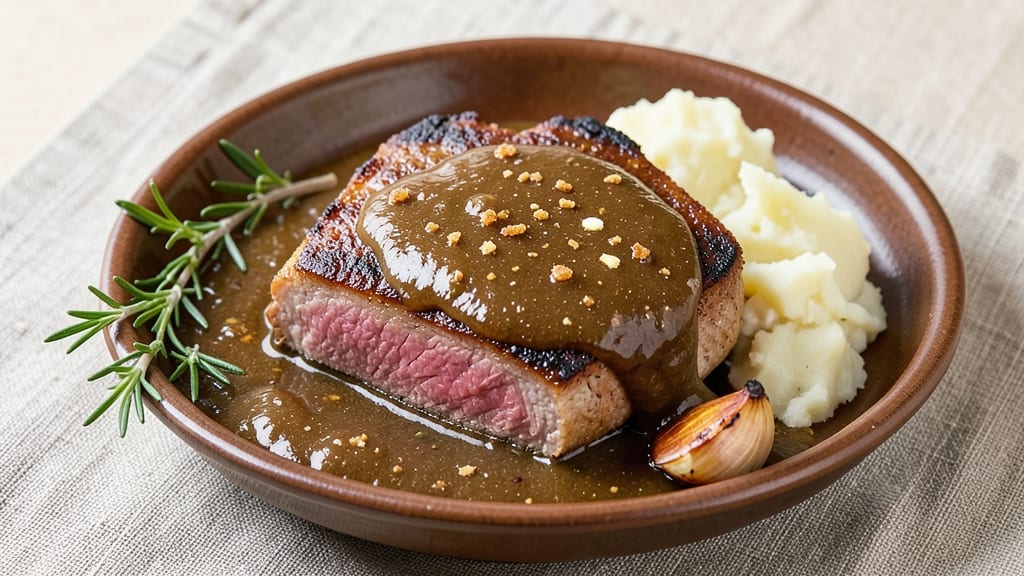
This brown pork gravy recipe transforms simple pork drippings into a rich, savory sauce that elevates any meal. 🔥 After years of perfecting it in my Atlanta kitchen, I’ve nailed the balance between deep flavor and foolproof technique—no lumps, no bitterness, just pure, velvety richness that clings to every bite.
The secret lies in proper browning and deglazing, which unlocks layers of caramelized flavor from the pork. With just 15 minutes of active time, you’ll create a sauce that’s restaurant-quality but built for home cooks—no fancy equipment needed.
The key ingredients? Pork drippings (or bacon fat), flour, and a splash of broth, all combined in a way that transforms ordinary leftovers into something extraordinary.
What makes this gravy special is its versatility—it’s perfect over roasted pork chops, mashed potatoes, or even crispy biscuits. The texture is silky yet substantial, with a depth of flavor that comes from slow-cooked pork and careful seasoning. Once you taste it, you’ll never go back to store-bought again.
This recipe is a game-changer for anyone who’s ever struggled with gravy—too thin, too thick, or just bland. I’ve tested it countless times, and it always delivers that perfect, golden-brown sauce with a rich, meaty taste. Let’s make it together!
Ingredients for brown pork gravy
Pork drippings, flour, and broth—simple ingredients that transform into velvety, restaurant-style gravy.
| Ingredient | Amount | Notes |
|---|---|---|
| Pork Drippings 🥓 | 2 cups | From roasted pork or bacon |
| All-Purpose Flour 🌾 | ¼ cup | Diamond Crystal preferred |
| Chicken or Pork Broth 💧 | 1 cup | Low-sodium preferred |
| Unsalted Butter 🧈 | 2 tbsp | Full-fat for richness |
| Fresh Thyme Leaves 🌿 | 1 tsp | Or 1/4 tsp dried thyme |
| Garlic Cloves 🧄 | 2 cloves | Minced for depth |
| Red Wine Vinegar 🍷 | 1 tbsp | For brightness |
| Diamond Crystal Kosher Salt 🧂 | ½ tsp | Adjust to taste |
| Freshly Ground Black Pepper 🌶️ | ¼ tsp | For subtle heat |
The pork drippings are non-negotiable—this is where all the flavor lives. Save them from roasted pork chops or bacon—don’t use store-bought drippings, which often contain additives. If you’re short, bacon fat works perfectly, but keep it at a 1:1 ratio. For flour, Diamond Crystal kosher salt is my go-to because it’s finer and dissolves better than most brands. The broth? Homemade is ideal, but low-sodium store-bought in a pinch (just add extra salt at the end). Fresh thyme and garlic are worth the extra minute to mince—they elevate the sauce from good to spectacular.
No pork drippings? Use bacon fat or even duck fat—just don’t skip the fat, as it’s the base of flavor. Short on broth? Water plus an extra splash of vinegar works, but the sauce will be lighter. Want more depth? Add a splash of red wine (about 2 tbsp) instead of vinegar—it adds complexity without overpowering. The flour is your thickener, but if you’re watching carbs, cornstarch slurry works too (mix 1 tbsp cornstarch with 1 tbsp cold water). And if you’re out of thyme, rosemary or sage in the same amount will give a different but equally delicious twist.
This gravy tastes even better the next day—trust me, it’s worth making extra. Store it in an airtight container in the fridge for up to 5 days, or freeze for 3 months in ice cube trays for single servings. To reheat, warm gently on the stove over low heat, stirring constantly to prevent lumps. If it thickens too much, just add a splash of broth or water. And if you’re serving it over mashed potatoes? Add a pat of butter at the end—it makes all the difference.
Why You'll Love This Recipe
- Pan-to-Pot Magic: I swear by this trick—just pour those golden pork drippings into a cold pan, then toss in flour. No scraping, no stress, and you’ve got a roux that’s actually worth the effort.
- Rich Without the Fuss: That deep, caramelized flavor from the pork drippings? It’s like liquid comfort. The thyme adds a whisper of freshness, and the butter? Well, let’s just say it rounds out the whole thing to dangerously good.
- Leftovers That Shine: This gravy thickens beautifully when reheated—just splash in a little broth and stir. I’ve served it over mashed potatoes, dumplings, and even cold cuts the next day. (Yes, even on a Tuesday night.)
- Budget-Buster Secret: You’re using what’s already in your pan—no wasted drippings, no extra ingredients. A splash of broth stretches it further, and the flour? That’s the cheapest flavor boost ever. My wallet and my taste buds thank me.
Step-by-step instructions for rich brown pork gravy
Here's how to transform simple pan drippings into a velvety, flavor-packed sauce that elevates any pork dish.
🍳 Step 1: Bloom the Flour in Pork Drippings
Place a large skillet over medium heat and carefully pour in the 2 cups pork drippings. Let them warm for 1-2 minutes until small bubbles form around the edges—this ensures the drippings are hot enough to properly cook the flour without burning.
Sprinkle the 0.25 cup all-purpose flour evenly over the drippings, then immediately stir with a wooden spoon or whisk. Keep stirring constantly for 2-3 minutes until the mixture turns a deep golden brown and smells nutty. This process, called blooming, develops rich, toasty flavors that form the base of your gravy. If it starts to darken too quickly, reduce the heat slightly.
🍳 Step 2: Add Butter and Aromatics
Reduce the heat to medium-low and add the 2 tablespoons unsalted butter, stirring until fully melted and incorporated. The butter adds depth and richness that plain drippings can't match.
Next, add the 2 cloves minced garlic and 1 teaspoon fresh thyme leaves. Stir for 30 seconds until fragrant—you should smell the garlic's sweetness and the thyme's earthy aroma. This is where the magic happens: the aromatics infuse the butter-flour mixture, creating layers of flavor. Don't let the garlic brown or it'll turn bitter.
🥘 Step 3: Deglaze with Vinegar and Broth
Pour in the 1 tablespoon red wine vinegar and scrape up any browned bits from the bottom of the pan with a wooden spoon. These bits, called fond, are packed with concentrated flavor. Let the vinegar simmer for 30 seconds until it evaporates completely—this adds brightness that cuts through the richness.
Gradually whisk in the 1 cup chicken or pork broth, one ladle at a time, allowing each addition to absorb before adding more. This slow incorporation prevents lumps and creates a silky texture. Bring the mixture to a gentle simmer and continue cooking for 3-4 minutes until it thickens enough to coat the back of a spoon.
👨🍳 Step 4: Season and Finish
Remove the skillet from heat and stir in the 0.5 teaspoon Diamond Crystal kosher salt and 0.25 teaspoon freshly ground black pepper. Taste and adjust the seasoning—you might need a pinch more salt depending on your broth. The gravy should be rich but not overwhelmingly salty.
For an ultra-smooth finish, strain the gravy through a fine-mesh sieve into a clean saucepan. This removes any potential flour lumps and gives you that restaurant-quality texture. Return to low heat and keep warm until serving—just stir occasionally to maintain consistency.
Pro Tips For Making Brown Pork Gravy
- Whisk Like You Mean It: Stirring the flour-butter mix lazily? That’s how you end up with lumps. Use a whisk or a fork and move fast—get those bits dissolved in 30 seconds or less. I’ve seen people let it sit, and suddenly you’re fishing out flour rocks like it’s a game of gravy roulette.
- Strain the Drippings: Pork drippings often hide bits of skin or fat chunks that turn your gravy into a greasy mess. Strain them through a fine-mesh sieve or cheesecloth before using—yes, it’s a pain, but your gravy will thank you. I learned this after serving a batch with a surprise skin fragment floating in it.
- Simmer, Don’t Boil: Once you add the broth, keep the heat low enough that tiny bubbles just pop at the surface—no rolling boil. Boiling burns the flour and makes your gravy taste like glue. After burning three batches, I finally figured out that patience here means richer flavor later.
- Toast the Flour First: Melt the butter in the drippings, then add the flour and cook it for 1-2 minutes until it’s golden, not just pale. This step deepens the flavor—skip it, and your gravy will taste like a sad, floury broth. Sounds weird, but it works: the nutty aroma is worth the extra minute.
Wine and beer pairings for this dish
Red Wine Pairings
This rich pork gravy pairs beautifully with dry red wines that stand up to its deep, savory notes. I always reach for a Chianti Classico from Tuscany—its bright acidity and cherry flavors cut through the gravy’s richness without overpowering it.
The tannins in Chianti also complement the pork’s natural fat, creating a harmonious balance. 🍷
For something lighter, try a Pinot Noir from Oregon—its earthy undertones and subtle spice notes enhance the thyme and garlic in the gravy. I’ve had amazing results with Domaine Serene or La Crema Pinots, which offer enough body to match the sauce’s velvety texture without being too heavy.
Beer Complements
A crisp amber ale with malty sweetness is my go-to beer pairing—think Fat Tire or Leinenkugel’s Summer Shandy for a refreshing contrast. The beer’s caramel notes mirror the gravy’s caramelized depth, while its effervescence cleanses your palate between bites. 🍺
For a richer option, a dark lager like Samuel Adams Black Lager or Guinness adds a toasty, almost coffee-like note that pairs surprisingly well with the pork’s savory profile. The beer’s slight bitterness balances the gravy’s richness, creating a perfect harmony.
Cocktail Pairings
If you’re serving this gravy at a gathering, consider a whiskey sour—the citrus in the cocktail brightens the gravy’s depth while the whiskey’s oakiness complements the pork’s natural flavors. I like to make mine with bourbon and a splash of Aperol for a touch of bitterness. 🍸
For something lighter, a gin and tonic with a twist of rosemary echoes the thyme in the gravy while keeping the drink crisp and refreshing. The gin’s botanical notes bridge the gap between the rich sauce and lighter sides like roasted vegetables.
Non-Alcoholic Options
Don’t overlook sparkling water with a splash of apple cider—the effervescence cuts through the gravy’s richness while the apple’s sweetness provides a nice contrast. I like to add a few rosemary sprigs for garnish to tie into the gravy’s herbaceous notes. 💧
For something warmer, a mulled apple cider with cinnamon and cloves works beautifully, especially during colder months. The spices in the cider enhance the gravy’s savory profile while adding a comforting warmth to the meal.
Nutrition facts
Frequently asked questions
Can I make this gravy without pork drippings?
If you don’t have pork drippings, use bacon fat or even duck fat for a richer flavor. Just maintain the same 2 cups of fat to keep the recipe balanced. For a lighter option, substitute with olive oil or butter, but the flavor will be less meaty. The key is ensuring you have enough fat to properly bloom the flour and create that velvety texture.
Why did my gravy turn out too thick?
This usually happens when the flour cooks too long or you simmer the gravy too vigorously. To fix it, whisk in 1-2 tablespoons of warm broth at a time until you reach the desired consistency. If it’s still too thick, add more broth gradually. For future batches, keep the heat medium-low during thickening and stir constantly to avoid overcooking the flour.
How can I make this gravy ahead of time?
This gravy actually tastes even better the next day! Store it in an airtight container in the fridge for up to 5 days. To reheat, warm it gently over low heat, stirring frequently to prevent lumps. If it thickens too much, add a splash of broth or water. For longer storage, freeze in ice cube trays and transfer to a bag for up to 3 months—perfect for single servings!
Can I use cornstarch instead of flour for a gluten-free version?
Yes! For a gluten-free gravy, replace the flour with a cornstarch slurry (mix 1 tbsp cornstarch with 1 tbsp cold water). Whisk it into the warm drippings and cook for 1-2 minutes until thickened. The texture will be slightly different but still delicious. Just remember, cornstarch thickens faster than flour, so keep an eye on it to avoid overcooking.
What’s the best way to serve this gravy?
This rich pork gravy is incredibly versatile! It’s perfect over roasted pork chops, mashed potatoes, or even crispy biscuits. For extra decadence, drizzle it over seared pork tenderloin or use it as a dip for fresh bread. The deep, savory flavor also pairs beautifully with roasted root vegetables or creamy polenta. Don’t be afraid to get creative—it’s a crowd-pleaser!