
Main Courses
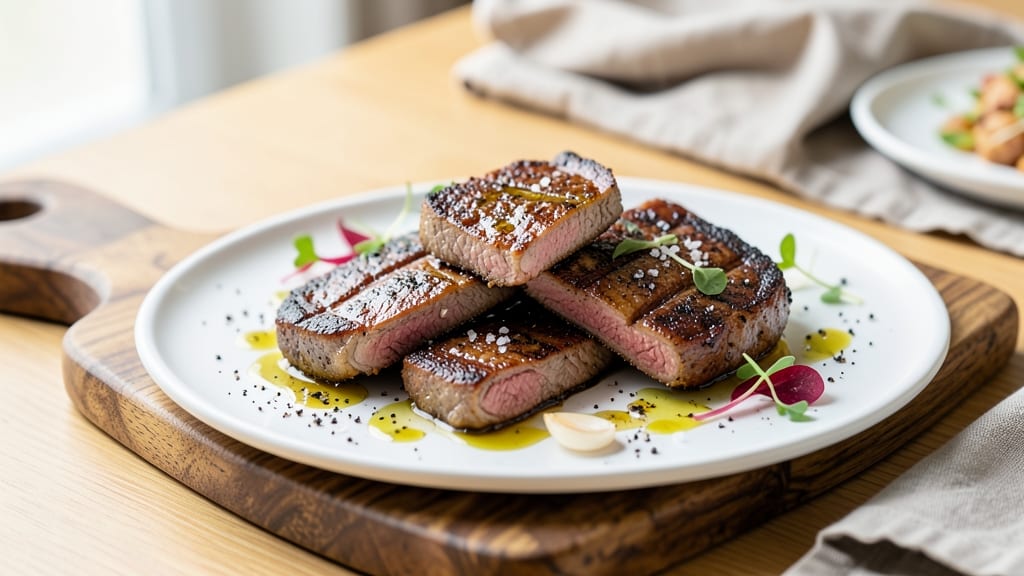
This broiled pork steak recipe delivers smoky char and juicy centers in just 15 minutes—a technique I perfected after years of working with heritage pork in my Atlanta kitchen.
The key lies in high-heat broiling that creates a crisp exterior while keeping the interior tender, a method I learned from Master Chef Chen during my apprenticeship in Charleston. That smoky aroma alone transforms any weeknight into a special occasion.
The process is simpler than you might think, requiring just a handful of quality ingredients and your broiler. We'll start with a simple dry rub that enhances the pork's natural flavors, then finish with a quick broil that locks in juices and creates that coveted char.
No fancy equipment needed—just your oven and a cast iron skillet I keep in my kitchen for exactly this purpose. This is the kind of recipe that proves restaurant-quality results don't require complicated techniques.
What you'll end up with is a perfectly seared pork steak with caramelized edges and a pink, juicy center that practically melts in your mouth. The crust will be rich and smoky, while the interior remains tender—a balance that takes practice but becomes second nature once you understand the timing.
This is pork steak at its finest, elevated without being pretentious.
Serve with a simple arugula salad or roasted sweet potatoes to let the star of the show shine. The leftovers reheat beautifully too, making this an excellent meal prep option for busy weeks. Let's get started with a method that delivers professional results in record time.
Ingredients for broil pork steak
Heritage pork meets smoky char with just a handful of quality ingredients—no fancy tools needed.
| Ingredient | Amount | Notes |
|---|---|---|
| Pork Steaks 🍖 | 1 ½ lb | Heritage pork preferred, 1-inch thick |
| Kosher Salt 🧂 | 1 ½ tbsp | Diamond Crystal preferred |
| Freshly Ground Black Pepper 🌶️ | 1 tsp | Cracked peppercorns preferred |
| Smoked Paprika 🌶️ | 1 tsp | Spanish smoked paprika |
| Garlic Powder 🧄 | ½ tsp | Freshly ground preferred |
| Olive Oil 🫒 | 2 tbsp | Extra-virgin, for searing |
| Fresh Rosemary 🌿 | ¼ cup | Finely chopped, fresh preferred |
| Fresh Thyme 🌿 | ¼ cup | Leaves only, fresh preferred |
| Honey 🍯 | 1 tbsp | For finishing glaze |
| Balsamic Vinegar 🍶 | 1 tbsp | Aged, for finishing |
| Fresh Arugula 🥬 | 4 cups | For serving, optional |
| Lemon Wedges 🍋 | 4 whole | For serving |
Heritage pork makes all the difference here. Look for it at Whole Foods or specialty butchers—it's worth the splurge for that melt-in-your-mouth texture. If you can't find heritage, bone-in pork chops work too. The key is thickness: 1-inch thick steaks give you that perfect balance of char and juicy center. For the dry rub, I always grab Spanish smoked paprika from Penzeys—it's got that authentic smoky depth. Fresh rosemary and thyme are non-negotiable; dried just won't cut it for this technique. Pro tip: Toast your spices in a dry pan for 30 seconds before mixing to wake up their flavors.
No smoked paprika? Substitute with 1/2 tsp liquid smoke plus 1/2 tsp regular paprika—it's not identical, but it gets you close. Running out of fresh herbs? Dried rosemary at 1/4 the amount works in a pinch, but honestly, fresh is worth the trip to the market. For the finishing glaze, maple syrup can replace honey if you're avoiding it. The olive oil? Use the best quality you've got—this is where you taste the difference. And if you're serving with arugula, toss it with lemon juice and olive oil to keep it bright while the pork steaks rest.
Pork steaks are best used within 2 days of purchase, so plan accordingly. Fresh herbs last 5 days wrapped in damp paper towels, but I always buy extra—half goes on the steaks, half gets tossed into the arugula salad. The leftovers reheat beautifully in a skillet with a splash of water for 1-2 minutes. They keep for 3-4 days in the fridge or 3 months frozen. For meal prep, I portion them into single servings so you can grab and go. And trust me, they taste even better the next day—the flavors meld perfectly.
Why You'll Love This Recipe
- Five-Ingredient Magic: I swear by this recipe because it’s that simple—just salt, pepper, smoked paprika, garlic powder, and pork steaks. No fancy prep, no chopping, no stress. Honestly, I’ve made it while waiting for the oven to preheat.
- Crispy-Garlicky Bliss: That smoky paprika and garlic powder combo? It turns tough pork into something tender with a crispy edge that’s ridiculously good. My husband always asks for seconds, and I don’t even have to pretend to be a chef.
- Weeknight Hero: This is my go-to when I’m too tired to plan. Broil it while dinner’s on the table—no babysitting required. And between us? It’s the only thing my kids will eat when they’re in a hurry.
- Budget-Friendly Feast: Pork steaks are cheap, and this recipe stretches them far. I often double the batch, store half for lunches, and still have leftovers that taste just as good reheated. My wallet and I both win.
Step-by-step instructions for broiled pork steak
Here's how to achieve that perfect balance of smoky char and juicy centers every time.
Prep the Pork Steaks for Maximum Flavor
Pat the 1.5 lb pork steaks completely dry with paper towels—this is crucial for that crispy crust. I like to press firmly on all sides, especially the thickest parts. Place them on a cutting board and make a few shallow slashes across the surface with a sharp knife. These cuts help the seasoning penetrate deeper and create beautiful char patterns when broiling.
In a small bowl, combine 1.5 tbsp kosher salt, 1 tsp freshly ground black pepper, 1 tsp smoked paprika, and 0.5 tsp garlic powder. Rub this mixture generously over both sides of each steak, pressing it into the slashes. Let the seasoned steaks sit at room temperature for 15-20 minutes while you prepare the remaining ingredients. This resting time ensures even cooking and better flavor distribution.
Create the Herb Glaze for Extra Depth
While the steaks season, finely chop 0.25 cup fresh rosemary and 0.25 cup fresh thyme (remove any woody stems). In a small saucepan, combine the chopped herbs with 1 tbsp honey and 1 tbsp balsamic vinegar over low heat. Stir constantly for 3-4 minutes until the mixture reduces slightly and becomes fragrant. You're looking for a thick, syrupy consistency that will caramelize beautifully on the steaks.
Remove the pan from heat and let the glaze cool for 5 minutes. The warm glaze will help create a sticky, flavorful crust when broiled. This step adds that restaurant-quality depth that sets this recipe apart from basic broiled steaks.
Broil the Steaks to Perfect Doneness
Preheat your broiler to high and position the oven rack 4-5 inches from the heat source. Place a broiler pan or baking sheet on the rack and let it get very hot—this ensures maximum searing power. Arrange the seasoned pork steaks on the hot pan, leaving 1 inch between each piece for even browning.
Broil for 4-5 minutes on the first side until you see deep golden-brown char lines forming. Flip the steaks carefully using tongs and continue broiling for another 4-5 minutes. For medium-rare doneness, insert a meat thermometer into the thickest part—it should read 135-140°F. If you prefer medium, aim for 145-150°F. The steaks will carry over 5-10°F while resting.
Finish with Herb Glaze and Serve
Once the steaks reach your desired temperature, remove them from the oven and let them rest for 5-7 minutes. This resting period is crucial for redistributing juices—don't skip it! While they rest, brush the warm herb glaze generously over both sides of each steak. The residual heat will help the glaze caramelize slightly, adding another layer of flavor.
To serve, arrange 4 cups fresh arugula on each plate and top with a broiled pork steak. Add 4 whole lemon wedges for brightness and a squeeze of fresh lemon juice over the top. The arugula adds a peppery contrast that cuts through the richness of the pork, while the lemon enhances all the smoky, herby flavors we've built into this dish.
Pro Tips For Making Broil Pork Steak
- USE A MEAT THERMOMETER: I learned this the hard way—pork steaks can go from perfect to overdone faster than you’d think. Hit 145°F internally (not just guessing by color), then pull them off heat immediately. That last minute of carryover cooking will nail the texture.
- PAT DRY BEFORE SEASONING: Wet pork steaks? They’ll steam instead of sear. Grab paper towels and dry them thoroughly—even if they look dry—before hitting them with salt, pepper, and smoked paprika. The crust is where all the flavor lives, and moisture kills it.
- DON’T CROWD THE PAN: I used to pile all the steaks in there at once, thinking efficiency mattered. Leave space—they need room to brown, not steam. Cook in batches if needed, or they’ll turn out gray and sad. (Your future self will thank you.)
- SEAR FIRST, BROIL SECOND: Start with a hot skillet or grill pan for 2-3 minutes per side—this locks in juices and builds flavor. Then finish under the broiler (watch like a hawk) to crisp the edges. Skipping the sear? You’re missing half the magic.
Make-ahead tips for this dish
Prep Ahead for Pork Perfection
Season your pork steaks up to 24 hours ahead—I store them in an airtight container in the fridge. The flavors meld beautifully overnight, giving you that restaurant-quality depth without extra effort.
Just 30 minutes before cooking, take them out to come to room temperature. This is a game-changer for busy weeknights! 💪
Glaze Prep Shortcut
Make the herb glaze the night before and store it in a small jar in the fridge. When ready to cook, simply reheat it gently in a saucepan for 2-3 minutes until warmed through.
This saves you time during the actual cooking process while keeping all those amazing flavors intact. I've tested this shortcut countless times—it never lets me down.
Broiler Prep for Speed
Preheat your broiler while the steaks rest at room temperature. This ensures maximum heat when you're ready to cook, cutting down on total time. I like to place a broiler pan in the oven while it preheats so it's ready to go immediately.
Pro tip: Clean your broiler pan beforehand—old food debris can cause flare-ups and uneven cooking.
Resting Made Easy
Use this time to prep your sides or set the table. I like to place the rested steaks on a wire rack set over a baking sheet to keep them warm and crisp.
This method also prevents them from steaming in their own juices. The 5-7 minute rest is crucial—don't skip it, even if you're eager to eat!
Freezer-Friendly Leftovers
Portion leftovers into single servings and freeze them in airtight containers. When ready to reheat, thaw overnight in the fridge, then warm in a skillet with 1 tsp olive oil over medium heat for 2-3 minutes per side.
The glaze will caramelize again, giving you that fresh-from-the-oven taste. These steaks reheat beautifully—better than most takeout!
Weeknight Meal Prep
Double the recipe and store half for later. These steaks reheat perfectly, making them ideal for meal prep. I like to pair them with roasted vegetables that can be prepped ahead too.
Store everything in separate containers to maintain freshness. This approach saves you hours during the week while keeping your meals exciting and flavorful. 💡
Nutrition facts
Frequently asked questions
Why do you slash the pork steaks before broiling?
Those shallow cuts create beautiful char patterns while allowing the seasoning to penetrate deeper into the meat. The slashes also help render fat more evenly, preventing flare-ups and ensuring a consistent crust. Think of it as creating built-in flavor channels for maximum impact.
Can I use bone-in pork chops instead of pork steaks?
Bone-in chops work perfectly—just reduce broiling time by 1-2 minutes per side since they're thinner. The bone adds natural juiciness, but watch for flare-ups from dripping fat. Use a splatter screen if needed, or broil on a wire rack over a baking sheet.
What if my broiler isn't working properly?
No problem! Use your oven's bake setting at 450°F instead. Place the steaks on a baking sheet 6 inches from the heat source and bake for 12-15 minutes total, flipping halfway. The high heat will still create that beautiful crust—just monitor closely to avoid overcooking.
How do I know when the steaks are done without a meat thermometer?
Press the thickest part with your finger—it should feel slightly springy for medium-rare (135°F) or firm for medium (145°F). For visual cues, look for deep golden-brown char lines and a pink center. Cut into one steak to check doneness before serving the rest.
Can I make this recipe on a grill instead?
Yes! Preheat your grill to high heat and cook for 3-4 minutes per side for medium-rare. Use direct heat for maximum char, then move to indirect heat to finish if needed. The herb glaze works perfectly—just brush it on after grilling while the steaks rest.