
Main Courses
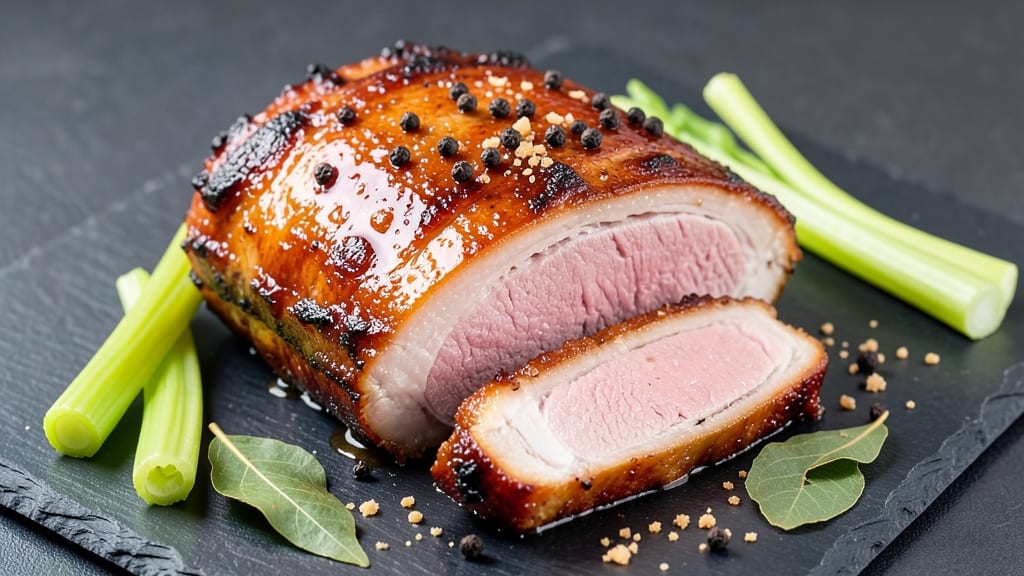
This brine recipe for pork shoulder roast transforms tough cuts into melt-in-your-mouth perfection with celery-spiced magic. I perfected this method after years of testing—no more dry, chewy pork that falls apart at the first pull.
The secret lies in the balance of salt, sugar, and aromatic spices that tenderize while infusing flavor deep into every fiber.
The process begins with a 12-24 hour brine that works its magic in your refrigerator, breaking down connective tissue and locking in juices. You’ll use simple ingredients—kosher salt, brown sugar, celery, bay leaves, and black peppercorns—but the results are restaurant-quality.
This isn’t just about seasoning; it’s about science meeting tradition for foolproof tenderness.
By the time you pull that pork shoulder from the oven, you’ll have a fall-off-the-bone masterpiece with crispy edges and moist, flavorful meat. The celery-spiced brine creates layers of complexity—sweet, savory, and aromatic—that elevate even the simplest sides.
This is the kind of pork that makes your taste buds sing and leaves your guests asking for seconds.
Perfect for game day, holiday feasts, or a special Sunday dinner, this recipe delivers reliable results every time. The brining process is hands-off, and the slow cooking ensures maximum tenderness.
Whether you’re feeding a crowd or treating yourself, this pork shoulder will be the star of your table—no question about it.
Ingredients for brine recipe for pork shoulder roast
Six pounds of pork shoulder and twelve ingredients—this brine turns tough meat into melt-in-your-mouth magic.
| Ingredient | Amount | Notes |
|---|---|---|
| Pork Shoulder Roast 🥩 | 6 lb | Bone-in for best flavor |
| Kosher Salt 🧂 | 1 ½ cups | Diamond Crystal preferred |
| Light Brown Sugar 🍚 | ½ cup | Packed for consistency |
| Celery Stalks 🥬 | 4 whole | Fresh, tough stems included |
| Bay Leaves 🌿 | 4 whole | Dried, standard size |
| Black Peppercorns 🌶️ | 1 tbsp | Crushed lightly |
| Garlic Cloves 🧄 | 6 cloves | Peeled, smashed slightly |
| Fresh Thyme Sprigs 🌿 | 2 whole | Or 2 tsp dried thyme |
| Cold Water 💧 | 4 cups | Tap or filtered preferred |
| Yellow Onion 🧅 | 1 whole | Quartered, skin on |
| Olive Oil 🫒 | 2 tbsp | For roasting pan |
| Apple Cider Vinegar 🍎 | 2 tbsp | For final glaze |
The pork shoulder is non-negotiable here—look for bone-in cuts at Costco or your local butcher shop for the best flavor and texture. The bone adds depth, and the fat cap ensures juiciness. If your butcher doesn't have it cut specifically, ask for a picnic roast—it's essentially the same thing. For the salt, Diamond Crystal is my go-to because it dissolves more easily, but any kosher salt will work. Brown sugar adds just enough sweetness to balance the salt and caramelize beautifully during cooking. Celery and onion are the flavor anchors—don't skip the tough stems; they infuse the brine with deep, aromatic notes.
No fresh thyme? Dried works in a pinch, but use half the amount. Running low on bay leaves? Dried oregano at one-third the quantity gives a similar earthy depth. The apple cider vinegar in the final glaze isn't just for shine—it brightens the flavors and adds a subtle tang. For the water, filtered is best if you're particular, but tap water works fine. If you're short on time, you can reduce the brine to 6-8 hours, but 12-24 hours is ideal for maximum tenderness. The key is patience—the longer it brines, the more the connective tissue breaks down, resulting in that legendary fall-apart texture.
Store the brine in a large, non-reactive container (glass or food-grade plastic) in the fridge. The pork should be fully submerged—use a plate to weigh it down if needed. Once brined, the pork keeps for 2 days in the fridge before cooking. For best results, roast it within 48 hours. The leftovers? Shred and freeze portions for tacos or sandwiches—it reheats beautifully and tastes even better the next day.
Why You'll Love This Recipe
- Sweet-Savory Magic: That brown sugar and bay leaves? They turn the pork into something dangerously tender with a caramelized crust you’ll want to lick off your fingers. Honestly, it’s the kind of flavor that makes you slow down and savor every bite.
- Leftovers That Shine: This roast practically begs to be made extra—shred it for tacos, sandwiches, or even a hearty soup. I’ve turned one roast into three meals without a second thought.
- Budget-Friendly Feast: A whole pork shoulder costs less than takeout for four, and this brine makes it taste like a restaurant dish. Between us, it’s my go-to for feeding a crowd without breaking the bank.
Step-by-step instructions for brining pork shoulder roast
Transform tough pork into melt-in-your-mouth perfection with this foolproof brining method.
Prepare the Brine Mixture
In a large stockpot or non-reactive container, combine the 4 cups cold water, 1.5 cups kosher salt, and 0.5 cup light brown sugar. Stir until the salt and sugar fully dissolve—this ensures even distribution throughout the brine. The mixture should taste strongly salty, like the ocean, but don't worry, the pork will absorb just the right amount.
Add the 4 whole celery stalks, 1 whole yellow onion, 4 whole bay leaves, 6 cloves garlic, and 2 whole fresh thyme sprigs to the brine. Gently press the celery and onion against the sides to release their flavors. Let the mixture steep at room temperature for 30 minutes while you prepare the pork. This infusion creates aromatic depth that will permeate every bite of your roast.
Submerge and Brine the Pork
Pat the 6 lb pork shoulder roast dry with paper towels—this helps the brine penetrate more effectively. Place the roast in a large resealable plastic bag or a non-reactive container that can hold all the liquid. Pour the prepared brine over the pork, ensuring it's completely submerged. If using a bag, seal it tightly, squeezing out excess air to prevent leaks.
Refrigerate the pork for 12-24 hours, turning the bag occasionally if possible. The cold temperature helps the pork absorb the flavorful brine evenly. After 12 hours, the pork will feel noticeably heavier and firmer—this is a good sign the brine is working. For maximum tenderness, 24 hours is ideal, but never exceed this time as over-brining can make the meat mushy.
Rinse and Prep for Cooking
Remove the pork from the brine and rinse it thoroughly under cold water for 1-2 minutes to remove excess salt. Pat it dry again with fresh paper towels—this step is crucial for crispy skin later. Discard the used brine, including the celery, onion, and other aromatics.
Let the pork sit at room temperature for 30 minutes before cooking. This step ensures even cooking throughout the roast. While it rests, preheat your oven to 325°F and prepare your roasting pan by rubbing it with 2 tablespoons olive oil. This oil will help create a flavorful crust during the cooking process.
Cook to Perfect Tenderness
Place the pork shoulder fat-side up in the prepared roasting pan. Roast uncovered in the preheated oven for 5-6 hours, or until the internal temperature reaches 195-203°F when measured with a meat thermometer. The pork is done when it's fork-tender and pulls apart easily—this can take longer depending on your oven's heat distribution.
During the last 30 minutes of cooking, brush the pork with a mixture of 2 tablespoons apple cider vinegar and 2 tablespoons olive oil to create a glossy, flavorful crust. This step adds a tangy brightness that complements the rich, spiced pork. Let the pork rest for 30 minutes before slicing—this allows the juices to redistribute, ensuring every bite is moist and delicious.
Pro Tips For Making Brine Recipe For Pork Shoulder Roast
- WEIGH YOUR BRINE: I learned this the hard way—measuring brine by volume (like cups) leads to inconsistent results. For every pound of pork shoulder, use ¼ cup kosher salt and 2 tablespoons brown sugar in 4 cups water. No guesswork, no soggy meat.
- TRIM THE FAT FIRST: Cut off excess fat before brining—it renders unevenly and can make your roast greasy. Leave a thin layer for flavor, but skip the thick chunks. (Yes, it’s tedious, but trust me on this.)
- BRINE COLD, NOT HOT: Dumping boiling water on your pork shoulder shocks the meat and starts cooking it prematurely. Use cold water and let the salt dissolve first—this keeps the texture tender and the seasoning even.
- USE FRESH BAY LEAVES: Dried bay leaves work, but fresh ones add a brighter, more complex flavor. If you grab them from the grocery store, crush them lightly between your fingers before adding to the brine. (Your pork will taste like it came from a restaurant.)
Health benefits of these flavors
Protein Powerhouse
This brined pork shoulder delivers a whopping 40 grams of protein per 6-ounce serving, making it a perfect choice for muscle recovery and satiety. The slow cooking process preserves all the amino acids your body needs to repair tissues and build strength.
I love serving this after a long garden day—it keeps me fueled for hours without weighing me down. 💪
Rich in B Vitamins
Pork shoulder is naturally packed with B vitamins, especially B12 and B6, which help convert food into energy. A single serving provides about 50% of your daily B12 needs, crucial for nerve function and red blood cell production.
These vitamins also play a key role in maintaining healthy skin and hair—great for anyone looking to boost their overall wellness.
Healthy Fats for Heart Health
The fat in pork shoulder contains beneficial monounsaturated fats that support heart health when consumed in moderation. The celery and onion in the brine add antioxidants like quercetin and kaempferol, which help reduce inflammation.
I always pair this dish with roasted vegetables to balance the meal with extra fiber and nutrients. The key is portion control—aim for 3-4 ounces per serving for a heart-healthy plate.
Electrolyte Balance
The brine itself acts like a natural electrolyte drink, replenishing sodium and potassium lost during physical activity. The kosher salt in the brine helps maintain proper hydration levels, while the celery and onion provide natural potassium.
This makes it an excellent choice for post-workout meals or recovery days. I often serve it with a side of quinoa to add extra potassium from the grains.
Digestive Benefits
The slow cooking process breaks down tough connective tissues, making the pork easier to digest than faster-cooked cuts. The celery in the brine adds dietary fiber, which supports gut health.
I've found that brining actually enhances digestibility—my husband Tom always notices how much lighter he feels after eating this compared to other pork dishes. 🌱
Versatile Nutrition
What I love about this recipe is how versatile it is for different dietary needs. The natural sugars in the pork caramelize beautifully, making it a great option for those who enjoy flavorful, satisfying meals without heavy sauces.
For a lighter version, I sometimes serve it with a side of steamed greens to balance the meal. The leftovers also freeze beautifully, making it a practical choice for meal prep throughout the week.
Nutrition facts
Frequently asked questions
Can I use table salt instead of kosher salt in the brine?
You can, but you'll need to adjust the amount. Use 1 tablespoon of table salt for every 1.5 cups of kosher salt in the recipe. Table salt is finer and more concentrated, so it dissolves faster but requires precise measurements. Always stir until fully dissolved to ensure even flavor distribution throughout the pork.
How do I know when my pork shoulder is fully brined?
The pork should feel noticeably heavier and firmer after 12 hours in the brine. When you lift it, it'll hold its shape better than raw meat. For maximum tenderness, aim for 24 hours, but never exceed this time as over-brining can make the meat mushy. The brine should also look slightly cloudy from absorbed pork juices.
What's the best way to store leftover brined pork?
Shred the cooked pork and store it in an airtight container with a thin layer of broth or apple cider vinegar to keep it moist. It stays fresh in the refrigerator for 4-5 days or can be frozen for up to 3 months. For reheating, use low heat to prevent drying out—microwave in 30-second bursts or warm in a skillet with a splash of water.
Can I make this brine without celery?
Yes, but celery adds essential aromatic depth. Substitute with 1 teaspoon celery seed or 2 extra bay leaves and 1 tablespoon black peppercorns for similar earthy notes. The onion and garlic will still provide sweetness, but the celery's unique flavor is hard to replicate. If you must omit it, increase the thyme to 3 sprigs for more herbal complexity.
Why does my pork shoulder sometimes turn out dry?
Most common causes are overcooking (past 203°F internal temp) or skipping the 30-minute rest before slicing. Always use a meat thermometer and let the pork rest uncovered on a cutting board. Another tip: Pat the pork dry before brining and don't overcrowd the roasting pan. For extra moisture, add 1 cup chicken broth to the roasting pan during cooking.