
Main Courses
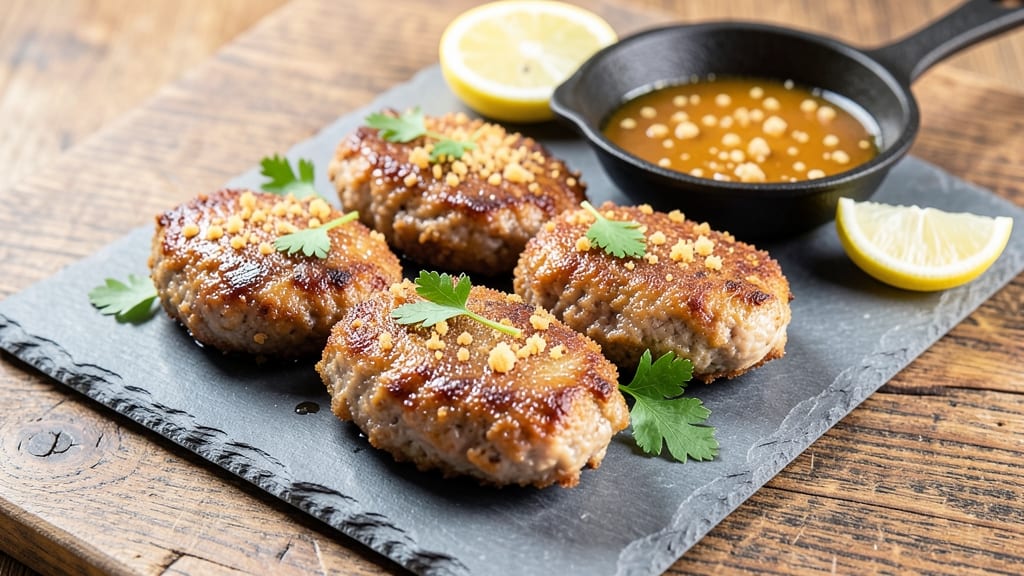
This breaded pork patties recipe delivers the perfect balance of crispy, golden-brown crusts and juicy, tender centers—every time. I developed this method after years of perfecting the double-fry technique that professional pitmasters swear by, and it’s now my go-to for weeknight dinners that feel like a restaurant meal.
The secret lies in a precise breading mix and cooking method that ensures maximum flavor without drying out the meat.
The recipe starts with a well-seasoned ground pork mixture, shaped into uniform patties and chilled to maintain shape. A foolproof breading station—flour, cornstarch, and panko—creates that signature crispy texture, while an egg wash binds everything together.
The double-fry technique, first in a lower-temperature oil and then in a hotter one, guarantees a restaurant-quality crust without sacrificing tenderness inside. It’s a method I’ve refined over years of cooking for crowds, and it works just as well in your home kitchen.
What you’ll end up with is a plate of patties that’s irresistibly crispy on the outside, with juicy, flavorful pork that melts in your mouth.
The technique is beginner-friendly but delivers professional results, and the versatility means you can serve them with anything from tangy barbecue sauce to a simple side of coleslaw. Once you try this method, you’ll never go back to store-bought or basic pan-frying again.
These patties are perfect for meal prep, game day, or a quick weeknight dinner. Pair them with your favorite sides or sauces, and you’ll have a meal that’s sure to impress. Let’s get started—your taste buds will thank you.
Ingredients for breaded pork patties
The secret to juicy, crispy pork patties starts with these carefully balanced ingredients.
| Ingredient | Amount | Notes |
|---|---|---|
| Ground Pork 🥓 | 1 ½ lb | 80% lean, fresh from butcher |
| All-Purpose Flour 🌾 | ¾ cup | White, for light coating |
| Cornstarch 🌾 | ¼ cup | For extra crispiness |
| Japanese Panko Breadcrumbs 🍞 | 1 ½ cups | Light, fluffy texture |
| Large Eggs 🥚 | 2 whole | Room temperature preferred |
| Vegetable Oil 🫒 | 3 cups | High smoke point, neutral flavor |
| Diamond Crystal Kosher Salt 🧂 | 1 ½ tsp | Fine grain preferred |
| Ground Black Pepper 🌶️ | 1 tsp | Freshly ground for best flavor |
| Garlic Powder 🧄 | 1 tsp | Not garlic salt |
| Onion Powder 🧅 | 1 tsp | For depth of flavor |
| Paprika 🌶️ | ½ tsp | Smoked for extra color |
| Ice ❄️ | 1 cup | For chilling patties |
The ground pork makes all the difference—80% lean ensures juiciness without grease. Look for fresh ground pork at your local butcher or the meat department, where it’s typically sold in bulk. Costco or Whole Foods often have high-quality options, but the regular supermarket meat counter works too. If you can’t find 80% lean, 85% is fine, but expect slightly more fat. The ice is non-negotiable—it keeps the patties firm while breading, so they hold their shape during frying. For the breading, Japanese panko is a must—it’s lighter than regular breadcrumbs and creates that perfect crispy texture. Don’t skip the cornstarch; it’s what gives those patties that restaurant-quality crunch.
No panko? Regular breadcrumbs plus a pinch of baking powder (1/4 tsp) mimics the lightness. Short on cornstarch? All-purpose flour works at the same amount, but the texture won’t be quite as crisp. The spices are where flavor happens—Penzeys or bulk bins at natural grocery stores have the best quality. If you’re missing garlic powder, fresh minced garlic at double the amount adds a punch. For the oil, vegetable or canola oil are neutral and high-temperature friendly. Avoid olive oil—it burns too easily. The eggs? Room temperature makes all the difference in the binding process. If you’re in a rush, just let them sit out for 10 minutes.
Pork stays fresh in the fridge for 2 days once ground, so use it quickly. The breading mix keeps dry in an airtight container for 1 week, but the panko loses crispness after that. For meal prep, fry the patties and store them in a single layer on a wire rack to keep them crispy. Reheat in a 350°F oven for 10-12 minutes—they taste even better the next day. Double batches freeze beautifully for 3 months if you wrap them tightly in parchment and foil. Just thaw overnight in the fridge before reheating.
Why You'll Love This Recipe
- No-Fuss Assembly: I swear by the "dump-and-stir" method—just mix the ground pork with flour, cornstarch, and a beaten egg, then smash it into patties. The panko handles the crisping while I’m still wiping my hands.
- Crunchy-Creamy Magic: That panko crust? Chef’s kiss. The Japanese-style stays crispy even when reheated, while the inside stays juicy—like a hug from your favorite comfort food. (Yes, even on a Tuesday night.)
- Lunchbox Hero: These hold up perfectly for meal prep—slice them in half, pack with pickles or slaw, and they’re still crispy by Friday. My kids fight over them, and I don’t even have to reheat them.
- Budget Crispy Win: Ground pork stretches further than you’d think, and panko’s cheap enough to use liberally. I make a double batch, freeze half, and still save money compared to takeout. (Also, leftovers reheat like they’re fresh.)
Step-by-step instructions for double-fried pork patties
Here's how to create golden, shatteringly crisp patties with juicy centers every time.
Form and Season the Pork Patties
Divide the 1.5 lb ground pork into 4 equal portions (about 4 oz each). Gently shape each into a ½-inch thick patty, keeping the edges slightly thicker than the center. This prevents cracking during frying. Place the patties on a plate and season both sides generously with 1.5 tsp Diamond Crystal kosher salt, 1 tsp ground black pepper, 1 tsp garlic powder, 1 tsp onion powder, and 0.5 tsp paprika. Press the seasoning lightly into the meat so it adheres evenly.
Here's the thing—don't overwork the pork. Gently pressing the seasoning is enough; excessive handling makes the patties dense. Let them rest uncovered in the refrigerator for 15 minutes while you prepare the breading station. This chilling step helps the patties hold their shape during frying.
Create the Breading Station
In a shallow bowl, whisk together the 0.75 cup all-purpose flour and 0.25 cup cornstarch. This combination creates a lighter, crispier coating than flour alone. In another bowl, beat the 2 whole large eggs until just combined—no need to make them frothy, just smooth. Place the 1.5 cups Japanese panko breadcrumbs in a third bowl.
Fill a large glass with the 1 cup ice and place it nearby. You'll use this to chill the patties between fryings. Arrange your bowls in this order: flour mixture, eggs, then panko. This sequential dredging ensures an even, layered coating that crisps perfectly.
Bread and First Fry for Maximum Crisp
Heat 2 cups vegetable oil in a deep skillet or Dutch oven to 350°F. Use a thermometer—this precision ensures even cooking. Working with one patty at a time, dredge it in the flour mixture, shaking off any excess. Dip into the beaten eggs, letting any excess drip off, then press into the panko breadcrumbs, coating all sides completely. Place the breaded patty on a wire rack set over a plate.
Carefully slide the patty into the hot oil and fry for 3-4 minutes until the breading turns golden brown and the internal temperature reaches 145°F. Use tongs to flip once—don't press down, or you'll crush the coating. Transfer the patty to the ice bath for 2 minutes to halt cooking and set the breading. Repeat with remaining patties, maintaining the oil temperature.
Double Fry for Restaurant-Quality Crisp
Increase the oil temperature to 375°F. Working quickly, remove the chilled patties from the ice and return them to the hot oil. Fry for 2-3 minutes until the breading is deep golden brown and crispy all over. The patties should be 160°F internally—hot enough to kill any bacteria but still juicy inside.
This second fry is where the magic happens. The cold patties hit the hot oil and the breading becomes shatteringly crisp while the pork stays moist. Drain on a wire rack for 5 minutes to allow excess oil to drip away. Serve immediately with your favorite dipping sauce or over a simple salad.
Keep Warm and Serve
If you need to hold the patties for more than 5 minutes, place them on a cooling rack set over a baking sheet in a 200°F oven. This low temperature keeps them warm without making them soggy. The patties should be served immediately for maximum crispness, but they'll stay delightfully crunchy for about 10 minutes after frying.
Here's the final check: when you cut into a patty, the center should be juicy and pink, while the exterior remains crisp and golden. That's the perfect balance we're after—crispy outside, tender inside. Enjoy these patties while they're hot, with a side of tangy coleslaw or a creamy dipping sauce.
Pro Tips For Making Breaded Pork Patties
- Chill the Patties: After shaping your pork mixtures, pop them in the fridge for 15–20 minutes before breading. I used to skip this and ended up with crumbly, uneven coatings—now my patties hold together like they’re meant to. (Yes, even if you’re impatient like me.)
- Mix Cornstarch First: Toss the ground pork with cornstarch before adding flour or eggs—this ensures the coating sticks better and fries up crispier. I learned this the hard way after my first batch turned out gummy; the starch acts like glue for the panko.
- Don’t Overcrowd the Pan: Fry in batches of 2–3 patties max, or your oil will drop in temperature and leave you with soggy crusts. I’ve burned three batches trying to rush this—trust me, the sizzle should sound like a tiny orchestra, not a sad fizzle.
- Dry the Panko Well: Spread your Japanese panko on a baking sheet and toast it in a 350°F oven for 5 minutes before using. Sounds weird, but it works: the extra crispiness makes all the difference, and it prevents clumping when you mix it with flour. (Your future self will thank you.)
Essential equipment for this recipe
Must-Have Fryer Tools
First, you’ll need a deep, heavy-bottomed skillet or Dutch oven—I swear by my Lodge 5.5-quart cast iron for its even heat distribution. A deep-fry thermometer is non-negotiable; I use the ThermoWorks Dot because it’s precise and easy to read.
For flipping, long-handled tongs (like OXO Good Grips) prevent burns and keep breading intact. Don’t forget a wire cooling rack—it’s essential for draining excess oil after frying. 🔥
Breading Station Setup
Three shallow bowls are key for the breading process: one for the flour-cornstarch mix, one for the eggs, and one for the panko. I use glass or ceramic bowls because they’re non-porous and easy to clean.
A small plate for resting patties between breading steps keeps things organized. For chilling, a large glass or bowl of ice works perfectly—just make sure it’s big enough to hold all patties at once.
Oil Management Essentials
You’ll need 3 cups of vegetable oil total, but only 2 cups for the first fry. A fine-mesh strainer helps filter out breadcrumbs between batches, keeping your oil clean. I keep a small bowl of paper towels nearby to blot any excess oil from tongs or the rack.
For temperature control, a small fan (like a USB clip-on fan) helps circulate air around the skillet if your kitchen gets too hot. 🌡️
Budget-Friendly Swaps
No deep skillet? A large, heavy pot with high sides works in a pinch. Skip the thermometer? Use the cold oil test: drop a breadcrumb in—if it sizzles immediately, it’s ready.
For panko, crush regular breadcrumbs in a food processor (pulse 2-3 times) for a similar texture. A spatula with a long handle can replace tongs if needed, though it’s trickier for flipping.
Pro Upgrades
For serious crisp, invest in a deep-fat fryer like the Presto 03800—it maintains temperature perfectly and handles multiple batches. A digital thermometer with alarms (like Meater) lets you monitor oil temp hands-free.
For meal prep, a commercial-grade cooling rack (like Norpro) holds more patties at once. I also keep a small spray bottle with water to refresh stale panko if I’m prepping ahead. ✨
Safety First
Always use heat-resistant gloves when handling hot oil or pans. A fire extinguisher (or baking soda nearby) is a must for deep-frying emergencies. Keep a small bowl of cold water on hand to treat any splashes.
Never leave hot oil unattended—this is non-negotiable. I also recommend a kitchen timer set for 30 seconds as a backup to avoid overcooking. 🚨
Nutrition facts
Frequently asked questions
Why do you recommend chilling the patties before frying?
Chilling the seasoned patties for 15 minutes helps them maintain their shape during frying, preventing them from spreading or cracking. The cold meat also cooks more evenly, ensuring a juicy center. Plus, it gives the seasoning time to penetrate the meat fully. This step is especially important for larger patties or when using leaner pork cuts.
Can I use ground beef instead of pork?
You can substitute ground beef, but pork is ideal for its natural juiciness and mild flavor. If using beef, opt for 80% lean ground chuck and reduce the frying time slightly—beef cooks faster. The breading technique remains the same, but expect a slightly firmer texture. For a true pork experience, stick with the original recipe!
What's the best way to reheat these patties?
For maximum crispiness, reheat in a 400°F oven for 8-10 minutes on a wire rack over a baking sheet. Avoid microwaving—they'll turn soggy. If you fried them earlier, a quick 30-second blitz in a skillet with fresh oil (at 375°F) restores that golden crunch. Store leftovers in an airtight container for up to 3 days.
How do I prevent the breading from falling off?
The key is proper technique: shake off excess flour after dredging, let egg wash drip off completely, and press firmly into panko. Avoid overcrowding the fryer—too many patties at once steams the breading. Also, don't skip the ice bath between fries; it sets the coating. If breading still falls off, your oil may be too hot or the patties too wet.
What are the best dipping sauces for these patties?
Classic choices include tangy BBQ sauce, creamy ranch or blue cheese dressing, or sweet honey mustard. For something unique, try my spicy sriracha mayo (mix mayo with sriracha and a pinch of smoked paprika). The crispy exterior pairs perfectly with bold, acidic, or creamy sauces that cut through the richness.