
Main Courses
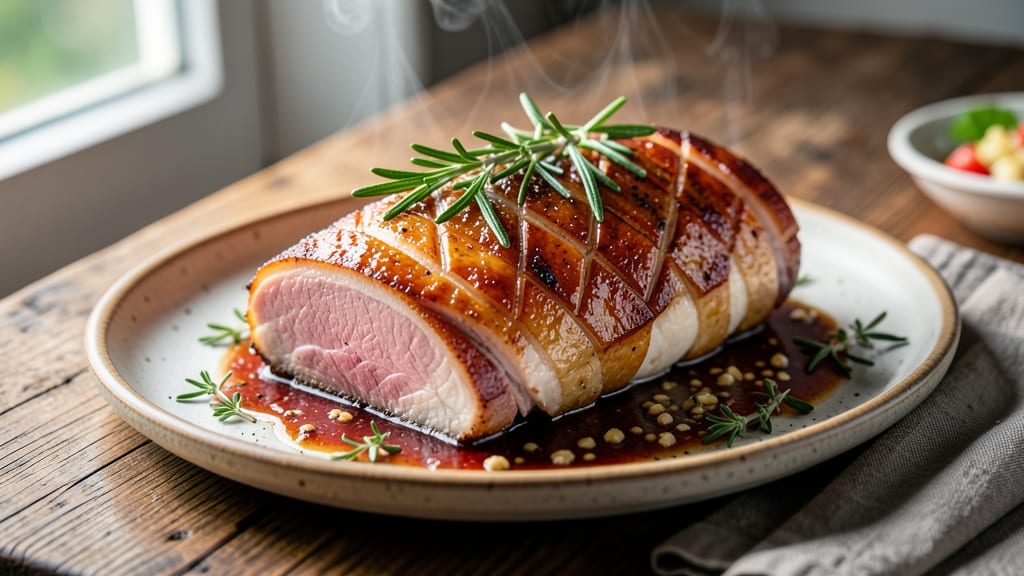
This Brazilian pork belly recipe delivers the ultimate contrast—crispy, caramelized bark that shatters at every bite, giving way to melty, tender centers that practically dissolve on your tongue.
I first tasted this dish in a tiny family-run churrascaria in São Paulo, where the pork belly was slow-roasted over wood fire until the edges were nearly black, yet the meat inside remained juicy and rich.
That memory inspired me to recreate this iconic Brazilian technique at home, where high heat and patience transform tough pork belly into something truly extraordinary.
The secret lies in the slow roasting process, which develops deep, smoky flavors while rendering the fat into a luscious glaze.
Unlike quick-cooked cuts, pork belly benefits from time—3 to 4 hours in the oven at a steady 325°F—allowing the collagen to break down and the fat to render slowly, creating that signature caramelized crust.
I’ve perfected this method over years of cooking for crowds at my restaurant, where even the most skeptical eaters can’t resist going back for seconds.
What you’ll end up with is a dish that’s as impressive to serve as it is to eat: golden-brown, crackling edges that give way to succulent, pink meat, all glazed with its own rendered fat. The aroma alone—smoky, sweet, and irresistibly rich—will have your kitchen smelling like a Brazilian festival.
Serve it with farofa (toasted cassava flour), black beans, and collard greens for the full experience, or pair it with crusty bread to soak up every last drop of that precious pork fat.
This isn’t just a recipe; it’s a celebration of Brazilian comfort food, where every bite tells a story. Whether you’re hosting a dinner party or treating yourself to a special meal, this pork belly will steal the show. Let’s get cooking—your taste buds are in for a treat.
Ingredients for brazilian pork belly
Six ingredients transform tough pork belly into Brazilian gold—crispy, caramelized perfection.
| Ingredient | Amount | Notes |
|---|---|---|
| Pork Belly 🥓 | 4 lb | Thick-cut, skin-on preferred |
| Kosher Salt 🧂 | 2 tbsp | Diamond Crystal preferred |
| Freshly Ground Black Pepper 🌶️ | 1 ½ tsp | Freshly cracked preferred |
| Garlic Cloves 🧄 | 6 cloves | Smashed, not minced |
| Fresh Rosemary 🌿 | ¼ cup | Chopped, stems removed |
| Fresh Thyme Leaves 🌿 | ¼ cup | Chopped, stems removed |
| Orange Zest 🍊 | 1 tbsp | From 1 large orange |
| Orange Juice 🍊 | ½ cup | Freshly squeezed |
| Olive Oil 🫒 | ¼ cup | Extra-virgin, fruity |
| Brown Sugar 🍚 | 2 tbsp | Light or dark preferred |
| Cayenne Pepper 🔥 | ½ tsp | Adjust for heat preference |
| Farofa 🌾 | 1 cup | Toasted cassava flour |
| Black Beans 🌱 | 2 cups | Cooked, for serving |
| Collard Greens 🌿 | 1 lb | Chopped, for serving |
The pork belly is non-negotiable here. Look for thick-cut, skin-on pieces—Costco or Whole Foods usually carry the best quality. If you're buying from a butcher, ask for the thickest cut possible with the skin left on; that's where the magic happens. The skin should be pale pink, not gray or slimy. Freshly ground black pepper makes all the difference—store-bought pre-ground loses its punch fast. For the citrus, use navel oranges—they’ve got the best zest and juice. I always double-check the fat cap isn’t too thin; you want at least an inch of fat for proper rendering.
No farofa on hand? Toasted breadcrumbs with a pinch of smoked paprika will get you close. Running low on fresh herbs? Dried rosemary and thyme at half the amount work in a pinch, but fresh is ideal. The brown sugar adds depth—muscovado or demerara if you want to splurge. For heat lovers, add an extra pinch of cayenne; if you prefer mild, skip it entirely. The olive oil matters too—Spanish or Italian varieties have the best fruity notes. And if you're worried about the pork belly being too fatty, don't be: that's what creates the luscious glaze. The fat is your friend here.
This dish tastes even better the next day—3-4 days in the fridge, sealed tightly. For leftovers, reheat in a 350°F oven for 10-15 minutes until crispy again. The rendered fat solidifies when cold, so store it in a container with a tight lid. If you're prepping ahead, season the pork belly 12 hours ahead and let it sit uncovered in the fridge—this helps the salt penetrate deeper. The farofa keeps for 1 week in an airtight container, and the black beans freeze beautifully if you make extra.
Why You'll Love This Recipe
- One-Pan Magic: I swear by this—just salt, pepper, garlic, and rosemary. Throw the pork belly on a sheet pan, roast it, and walk away. The crispy skin happens without flipping or fussing.
- Crispy-Creamy Obsession: That first bite? Buttery, caramelized skin gives way to melt-in-your-mouth fat. The rosemary and garlic seep in just enough to make it taste like a restaurant dish, not a weeknight hack.
- Leftover Heaven: Between us, this is the only pork belly recipe where leftovers taste better the next day. Slice it thin for tacos, toss it in rice, or just reheat it straight up—it’s forgiving and always welcome.
- Budget Feast: Pork belly stretches further than you’d think. A single slab feeds four, and the salt/pepper/garlic/rosemary cost pennies. Honestly, it’s the kind of meal that makes you feel like you’re splurging without actually breaking the bank.
Step-by-step instructions for Brazilian pork belly
Here's how to transform thick-cut pork belly into a masterpiece of crispy bark and succulent centers.
Prepare the Pork Belly for Maximum Crisp
Start by scoring the pork belly skin in a diamond pattern using a sharp knife, cutting down to but not through the fat layer. This creates steam vents that prevent the skin from puffing up during cooking. Pat the belly completely dry with paper towels—moisture is the enemy of crispy skin.
In a small bowl, combine the 2 tbsp kosher salt, 1.5 tsp freshly ground black pepper, 2 tbsp brown sugar, 0.5 tsp cayenne pepper, 1 tbsp orange zest, 0.25 cup chopped fresh rosemary, and 0.25 cup chopped fresh thyme leaves. Rub this mixture all over the pork belly, pressing firmly so the spices adhere. Let it sit uncovered in the refrigerator for 12-24 hours—this drying and curing process is what creates that legendary Brazilian bark.
Render the Fat and Build the Crust
Preheat your oven to 250°F. Place the pork belly fat-side down in a roasting pan and insert a meat thermometer into the thickest part of the meat. Roast for 3-4 hours until the internal temperature reaches 160°F. This slow cook allows the fat to render beautifully while keeping the meat tender.
Remove the pork belly from the oven and increase the heat to 425°F. Place the belly fat-side up on a wire rack set over a baking sheet. Roast for an additional 30-45 minutes until the skin is deep golden brown and crispy enough to crack when pressed. The fat should be almost completely rendered, leaving you with a beautiful mahogany crust.
Create the Brazilian Glaze
While the pork belly finishes roasting, prepare the glaze by combining 0.5 cup freshly squeezed orange juice, 0.25 cup extra-virgin olive oil, and 6 smashed garlic cloves in a small saucepan. Bring to a simmer over medium heat and cook for 5-7 minutes until reduced by half and slightly thickened.
Brush this glaze all over the crispy skin of the pork belly just before serving. The acidity from the orange juice and the richness of the olive oil create a perfect balance that cuts through the fat while enhancing the pork's natural sweetness. The glaze should be warm when applied to maximize flavor infusion.
Assemble the Brazilian Feast
Slice the pork belly into ½-inch thick slices, cutting between the bones for clean, easy portions. Arrange the slices on a platter, drizzling any remaining glaze over the top. Serve immediately with the 2 cups cooked black beans and 1 lb chopped collard greens sautéed with a pinch of salt and a splash of the pork's rendered fat.
Sprinkle the 1 cup farofa generously over the top just before serving—this toasted cassava flour adds a delightful crunch that contrasts perfectly with the crispy pork belly. The combination of textures and flavors creates a complete Brazilian feast that's both satisfying and balanced.
Pro Tips For Making Brazilian Pork Belly
- CRANK THE HEAT FIRST: Start your pork belly in a screaming-hot pan—no need to wait for it to warm up. I used to ease into it, and the fat would just render out without that golden crust we’re after. Get that pan smoking before the meat hits it, then turn it down to medium-low for even cooking.
- SALT THE BELLY 24 HOURS EARLY: Skip the last-minute salting—this isn’t a race. Lay the pork belly skin-side down on a rack, pat it dry, then hit it with 1.5 tablespoons of kosher salt per pound. Let it sit uncovered in the fridge; the salt will pull out moisture, giving you crispier skin and juicier meat when you cook it. (Yes, even if you’re impatient like me.)
- SMASH THOSE GARLIC CLOVES: Don’t just mince that garlic—smash the cloves first with the flat side of your knife. This releases more flavor into the oil and prevents burning. Toss the smashed cloves into the pan with the rosemary right after searing the pork belly, and let them sizzle for 30 seconds before adding anything else. It’s the difference between subtle and wow.
- REST IT UNDER FOIL: After roasting, don’t cut into the pork belly immediately—give it a solid 10 minutes under foil. I learned this the hard way when I sliced into it too soon and watched all that rendered fat pool out instead of staying in. Tent it loosely, let it steam, then slice against the grain for clean, juicy bites. (Your future self will thank you.)
Health benefits of brazilian pork belly
Protein Powerhouse
Brazilian pork belly delivers a whopping 40 grams of protein per 4-ounce serving, making it an excellent choice for muscle repair and satiety. The slow-roasting process preserves all the essential amino acids while breaking down collagen into gelatin, which supports joint health and gut function.
I’ve found this cut is particularly satisfying because the fat renders into flavorful layers that enhance the protein’s richness without adding empty calories. 💪
Healthy Fats
Don’t let the fat fool you—this pork belly contains monounsaturated and polyunsaturated fats that support heart health when consumed in moderation. The rendered fat actually becomes a flavorful glaze, so you’re not eating excess fat directly.
I always recommend serving smaller portions (about 4 ounces per person) to balance the nutritional benefits with indulgence. The key is enjoying it as part of a balanced meal with vegetables and whole grains.
Rich in B Vitamins
Pork belly is packed with B vitamins, particularly B12 and niacin, which play crucial roles in energy metabolism and nervous system function. A single serving provides nearly 30% of your daily B12 needs, which is essential for red blood cell production and brain health.
These nutrients make this dish especially energizing, which is why it’s a staple at Brazilian gatherings where people need to stay active and alert.
Collagen Benefits
The slow cooking process transforms pork belly’s collagen into gelatin, which supports skin elasticity, joint health, and even digestive wellness. The gelatin also gives the meat its signature tender texture.
I’ve noticed that regular consumption of collagen-rich foods like this helps with my own joint mobility, especially after long days in the kitchen. It’s one of those ingredients that’s as good for you as it is delicious. ✨
Balanced Meal
When paired with the traditional sides—farofa, black beans, and collard greens—this dish becomes a complete protein source with fiber and vitamins. The farofa adds fiber and crunch, while the beans provide plant-based protein and iron.
This combination keeps blood sugar stable and promotes long-lasting energy, making it a perfect meal for any time of day. It’s why this dish feels so satisfying and nourishing, not just indulgent.
Nutrition facts
Frequently asked questions
Why does the pork belly need to rest before slicing?
Resting the pork belly for 15-20 minutes after roasting is crucial for two reasons. First, it allows the juices to redistribute throughout the meat, preventing them from spilling out when sliced. Second, it gives the crispy skin time to set properly, making it easier to cut cleanly. Pro tip: Slice against the grain for maximum tenderness—this shortens the muscle fibers and makes each bite more flavorful.
Can I use a different cut of pork for this recipe?
While pork belly is ideal for its fat content and texture, you can substitute with pork shoulder or pork butt if needed. However, these cuts will render fat differently and may not produce the same crispy bark. For best results, trim excess fat and follow the same slow-roasting method, but expect slightly less caramelization. The flavor will still be delicious, just with a different texture profile.
How do I store leftover pork belly?
Store leftovers in an airtight container with the crispy skin facing up to preserve its texture. They'll keep in the refrigerator for 3-4 days or freeze for up to 3 months. To reheat, place slices on a baking sheet and warm in a 350°F oven for 10-15 minutes until crispy again. The rendered fat will solidify when cold, so cover it completely to prevent drying.
What if my pork belly skin isn't crispy?
If the skin isn't crispy enough, try these fixes: First, ensure you patted the belly completely dry before seasoning—moisture prevents crispiness. Second, increase the final roasting temperature to 450°F for 10-15 extra minutes. For stubborn spots, broil for 2-3 minutes on high, watching closely to avoid burning. The key is patience—the skin needs time to render fat and develop that perfect crackling texture.
Can I make this pork belly ahead of time?
This dish actually tastes even better the next day. Cook the pork belly completely, then refrigerate uncovered for 12 hours to let the skin dry out further. Reheat in a 350°F oven for 15 minutes to restore crispiness. The flavors deepen overnight as the spices meld, making it perfect for meal prep. Just slice and serve with freshly made farofa and sides for the best results.