
Main Courses
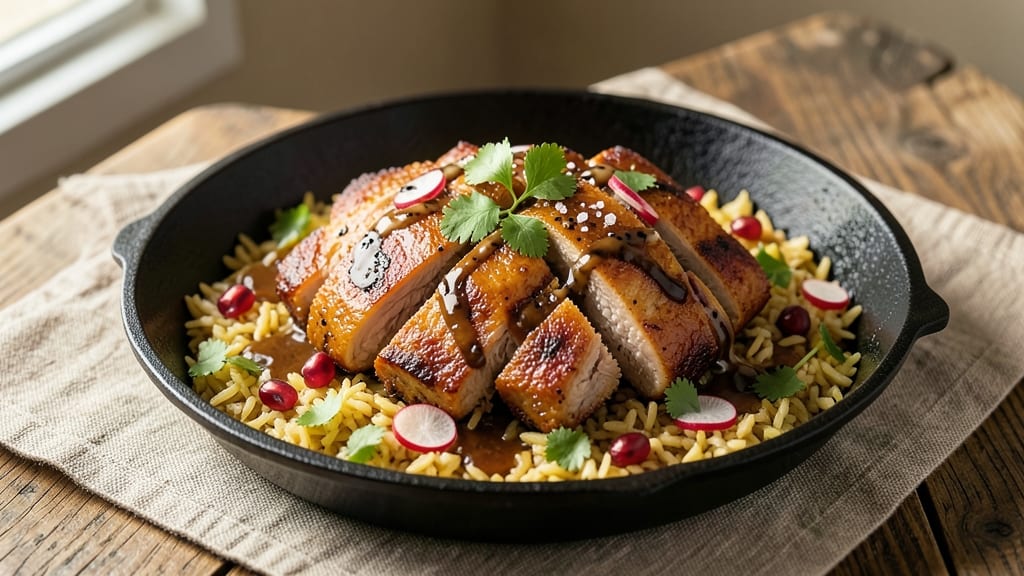
This braised pork carnitas recipe transforms tough pork shoulder into melt-in-your-mouth shreds with a smoky-sweet glaze that'll have everyone reaching for seconds. I developed this method after years of perfecting slow-cooked pork techniques, drawing from my time apprenticing under Master Chef Chen in Charleston—where pork is king.
The secret lies in the long, low braise that renders fat and collagen into rich, flavorful juices, creating tender meat that practically falls apart at the touch.
What sets this recipe apart is the balance of spices and the braising process itself. We start with a dry rub of cumin, oregano, and smoked paprika that forms a flavorful crust on the pork, then let it slow-cook until the meat is so tender it shreds easily.
The braising liquid—a blend of apple cider vinegar, orange juice, and beer—infuses the pork with depth while creating a glossy, slightly sweet sauce that clings to every bite. This isn't your typical carnitas; it's a fusion of traditional braising techniques with the bold flavors of modern Mexican cuisine.
By the time you're done, you'll have perfectly tender pork that shreds effortlessly, coated in a glossy sauce that's both sweet and smoky. The texture is what makes this dish special—juicy, flavorful, and impossibly tender, with just enough bite from the spices.
This is the kind of pork that turns ordinary weeknight dinners into special occasions, and it's foolproof enough for weeknight cooking but impressive enough for company.
The beauty of this recipe is its versatility—serve it on tacos, in burritos, over rice, or even as a standalone dish with a side of charro beans. The leftovers taste even better the next day, making it perfect for meal prep.
Whether you're feeding a crowd or just craving a comforting meal, this braised pork carnitas delivers restaurant-quality results with minimal effort. Let's get started!
Ingredients for braised pork carnitas
Six ingredients transform tough pork into melt-in-your-mouth shreds with smoky-sweet perfection.
| Ingredient | Amount | Notes |
|---|---|---|
| Pork Shoulder 🐖 | 4 lb | Bone-in for best flavor |
| Ground Cumin 🌿 | 2 tbsp | Freshly toasted for depth |
| Dried Oregano 🍃 | 1 ½ tbsp | Mexican oregano preferred |
| Smoked Paprika 🌶️ | 1 ½ tbsp | For that signature smokiness |
| Garlic Cloves 🧄 | 6 cloves | Minced for the dry rub |
| Apple Cider Vinegar 🍎 | ½ cup | For tangy brightness |
| Orange Juice 🍊 | ½ cup | Freshly squeezed preferred |
| Dark Beer 🍺 | 1 cup | Stout or porter works best |
| Brown Sugar 🍚 | ¼ cup | Light or dark variety |
| Olive Oil 🫒 | 2 tbsp | For searing the pork |
| Salt 🧂 | 1 ½ tsp | Kosher or sea salt |
| Black Pepper 🌶️ | 1 tsp | Freshly cracked |
| Bay Leaves 🍃 | 2 whole | For aromatic depth |
| Fresh Cilantro 🌿 | ¼ cup | Chopped for garnish |
| Lime Wedges 🍋 | 2 whole | For serving |
The pork shoulder is non-negotiable here—bone-in gives the best flavor and texture. Costco or Whole Foods carry excellent cuts, but any well-marbled shoulder works. Look for good fat cap—it renders into flavorful juices during the braise. I always buy a 4-pound cut because it feeds a crowd and leaves leftovers. The spices? Penzeys or bulk bins at Latin markets have the best cumin and oregano for this. Toast the cumin seeds in a dry pan for 30 seconds before grinding—trust me on this, it makes all the difference.
No Mexican oregano? Regular dried oregano at half the amount works in a pinch, but it won't have that same earthy depth. Short on beer? Substitute with chicken broth plus a splash of soy sauce—it mimics the maltiness. The orange juice can be bottled, but freshly squeezed adds that bright citrus punch. For the brown sugar, muscovado sugar gives extra caramel notes if you want to splurge. The bay leaves might seem small, but they're essential—they infuse subtle earthiness that rounds out all the other flavors.
This dish tastes even better the next day as the flavors meld. Store leftovers in the fridge for 5 days or freeze for 3 months. I always make double batches because it reheats beautifully—just warm in a skillet with a splash of water. The sauce thickens as it cools, so thin with a little water or broth when reheating. Garnish with fresh cilantro and lime wedges right before serving—those bright pops of color and acidity make it look (and taste) restaurant-quality.
Why You'll Love This Recipe
- Deep, Smoky Magic: That first bite of tender, shreddable pork with crispy edges? The smoked paprika and garlic cloves build layers of flavor that stick with you. It’s the kind of dish where every spoonful tastes like you put in hours (even though you didn’t).
- Leftovers That Shine: Between us, this recipe makes way more than you’ll eat in one sitting—and that’s a good thing. The leftovers reheat beautifully for tacos, burritos, or even a quick fried rice. My freezer is always stocked with it.
- Budget Stretch: A pork shoulder is cheap, and this method turns it into something restaurant-worthy without breaking the bank. Honestly, I make it twice a month just to keep my grocery bill in check while still feeling fancy.
Step-by-step instructions for braised pork carnitas
Here's how to transform that pork shoulder into tender, smoky shreds with that perfect sweet-and-tangy glaze.
Sear the Pork Shoulder for Maximum Flavor
Pat the 4 lb pork shoulder dry with paper towels—this ensures a proper sear. Heat 2 tbsp olive oil in a large Dutch oven over medium-high heat until shimmering. Place the pork shoulder fat-side down and sear undisturbed for 8-10 minutes until the fat renders and the skin turns golden brown.
Flip the pork and sear the other side for another 5-7 minutes. You're building flavor here—the caramelized crust will dissolve into the braising liquid later. Remove the pork and set it aside on a plate, leaving all that beautiful browned fat in the pot.
Build the Dry Rub and Toast the Spices
In a small bowl, combine 2 tbsp ground cumin, 1.5 tbsp dried oregano, 1.5 tbsp smoked paprika, 1.5 tsp salt, and 1 tsp black pepper. Rub this mixture all over the seared pork shoulder, pressing it into the meat so it sticks. Let it sit while you prepare the braising liquid.
In the same Dutch oven, add 6 minced garlic cloves and toast them for 30 seconds until fragrant. This step deepens the flavor profile—don't burn them, just let them release their aroma. Remove the garlic and set aside for later.
Create the Braising Liquid
Return the Dutch oven to medium heat and add 0.5 cup apple cider vinegar, 0.5 cup orange juice, 1 cup dark beer, and 0.25 cup brown sugar. Stir to combine, scraping up any browned bits from the bottom of the pot—these contain concentrated flavor. Add the 2 whole bay leaves and bring the liquid to a simmer.
Let it reduce slightly for 3-4 minutes until the liquid is syrupy but not dry. This concentrated base will create that signature glossy coating on your carnitas. The beer adds depth while the vinegar and orange juice balance the sweetness.
Braise Until Fork-Tender
Return the rubbed pork shoulder to the Dutch oven, fat-side up. Pour the braising liquid over the top, ensuring the meat is mostly submerged. Cover with a tight-fitting lid and transfer to a preheated 300°F oven. Braise for 3 hours, turning the pork every 45 minutes to ensure even cooking.
After 3 hours, check for doneness by inserting a meat thermometer into the thickest part—it should read 200-205°F. If not, continue braising for another 30-60 minutes. The pork should be falling apart easily when tested with a fork, with tender, juicy meat that shreds effortlessly.
Shred and Glaze the Carnitas
Remove the pork from the Dutch oven and transfer it to a cutting board. Let it rest for 10 minutes before shredding with two forks. Discard the bay leaves and strain the braising liquid through a fine-mesh sieve into a saucepan, pressing on the solids to extract maximum flavor.
Return the strained liquid to the Dutch oven and bring to a boil over medium-high heat. Reduce heat to medium and simmer for 5-7 minutes until slightly thickened. Toss the shredded pork in this glaze until fully coated. Garnish with 0.25 cup chopped fresh cilantro and serve with 2 whole lime wedges for brightness.
Pro Tips For Making Braised Pork Carnitas
- Sear the Shoulder First: Don’t skip this step—it’s the non-negotiable flavor base. Heat your Dutch oven until it’s smoking hot, then sear the pork shoulder in batches with 1 tablespoon of oil per side for 3-4 minutes. I learned this the hard way—skipping the sear means bland, gray carnitas no matter how long you braise.
- Toast the Spices Together: Dry-toast the cumin, oregano, and smoked paprika in the same pot for 30 seconds before adding liquid. This wakes up their aromas and prevents them from floating away. (Yes, even if you’re impatient like me—just don’t walk away.)
- Check for Doneness at 195°F: The pork shoulder is done when it hits 195°F and the collagen has melted into the braising liquid. Use a meat thermometer—guessing leads to either dry, shredded pork or undercooked chunks. Pull it out 5 minutes early; it’ll rest and stay juicy.
- Deglaze with Beer or Broth: After searing, splash in ½ cup of beer (or broth) and scrape the browned bits off the bottom. This adds depth without extra effort. (Skip the water—it’s flavorless and dilutes the spices.)
Perfect pairings for this braised pork carnitas
Taco Night Essentials
Corn tortillas are non-negotiable for authentic carnitas tacos—I use Mission brand for their perfect balance of texture and heat resistance. Warm them on a dry skillet for 20 seconds per side to keep them pliable.
For serving, I set up a taco bar with pickled red onions (quick-pickle with lime juice and 1 tbsp apple cider vinegar), diced avocado, and crumbled queso fresco. The acidity cuts through the richness while the creaminess balances the smoky pork. 🌮
Beer Pairings
A crisp Mexican lager like Modelo Especial or Pacifico cleanses your palate between bites without overpowering the dish. For something bolder, try a Mexican amber ale—the caramel malt notes complement the brown sugar glaze beautifully.
I keep a pitcher chilled on hand during dinner parties because the effervescence helps reset your taste buds between each delicious bite.
Rice & Bean Combinations
For a complete meal, serve your carnitas over Mexican red rice (cooked with tomatoes, garlic, and cumin) and charro beans (pinto beans simmered with bacon, chorizo, and jalapeños). The beans add fiber and heartiness, while the rice soaks up any extra braising sauce.
I often double the rice portion because it disappears fast—especially when kids are involved! 🍚
Garnish Game-Changers
Fresh cilantro leaves and lime wedges aren't just garnishes—they're flavor multipliers. Toss the shredded pork with 1 tbsp chopped cilantro right before serving, then squeeze lime juice over everything. For extra flair, add crushed tajín seasoning (chili-lime blend) on top—it adds a citrusy kick that makes every bite feel special.
I keep a small bowl of tajín at my taco station for guests to customize their plates.
Breakfast Adaptations
This carnitas isn't just for dinner—transform it into breakfast by serving with scrambled eggs, warm tortillas, and sautéed onions. The smoky-sweet pork pairs perfectly with runny yolks and crispy tortillas.
I've even made carnitas breakfast burritos that feed my whole crew before a long day of farm work. Pro tip: Add ½ tsp cinnamon to the braising liquid for a subtle sweetness that works surprisingly well with eggs. 🍳
Dessert Pairings
Balance the richness with a light, citrusy dessert like churros with chocolate sauce or mango slices with lime zest. The bright acidity of the fruit cuts through the pork's richness, while the cinnamon sugar on churros echoes the warm spices in the carnitas.
For something simpler, serve Mexican wedding cookies (almond flour shortbread with citrus glaze)—they're sweet but not overwhelming. 🍯
Nutrition facts
Frequently asked questions
Can I use pork butt instead of pork shoulder for this recipe?
Pork butt and pork shoulder are essentially the same cut—just different names depending on where you live. Both work perfectly for this braised carnitas recipe, as they have similar fat content and collagen levels that create tender, juicy results. Just be sure to get a well-marbled cut with a good fat cap for maximum flavor.
How long can I keep braised pork carnitas in the fridge?
This dish tastes even better the next day! Store leftovers in an airtight container in the fridge for up to 5 days. The flavors deepen as the meat absorbs more of the braising liquid. When reheating, warm in a skillet with a splash of water or broth to restore moisture—never microwave directly from the fridge.
What's the best way to reheat carnitas for tacos?
For crispy tacos, reheat in a skillet over medium-high heat for 3-4 minutes, stirring occasionally. Add 1 tbsp beer or broth to deglaze the pan and keep the meat moist. For softer texture, warm in the oven at 350°F for 10 minutes with a splash of liquid. Avoid microwaving—it makes the meat rubbery.
Can I make this recipe without beer?
Yes! Substitute the beer with 1 cup chicken broth plus 1 tbsp soy sauce for depth. For a non-alcoholic version, use 1 cup apple juice plus 1 tbsp vinegar to mimic the acidity and maltiness. The key is maintaining the liquid balance—just ensure your substitute has similar flavor complexity to the original ingredients.
Why did my carnitas turn out dry?
Overcooking or skipping the resting period are common culprits. Braise until the internal temp reaches 200-205°F, then let the pork rest 10 minutes before shredding—this redistributes juices. If using a slow cooker, keep the lid on and cook on low for 8 hours (not high heat). Always strain and use the braising liquid to moisten the shredded meat.