
Main Courses
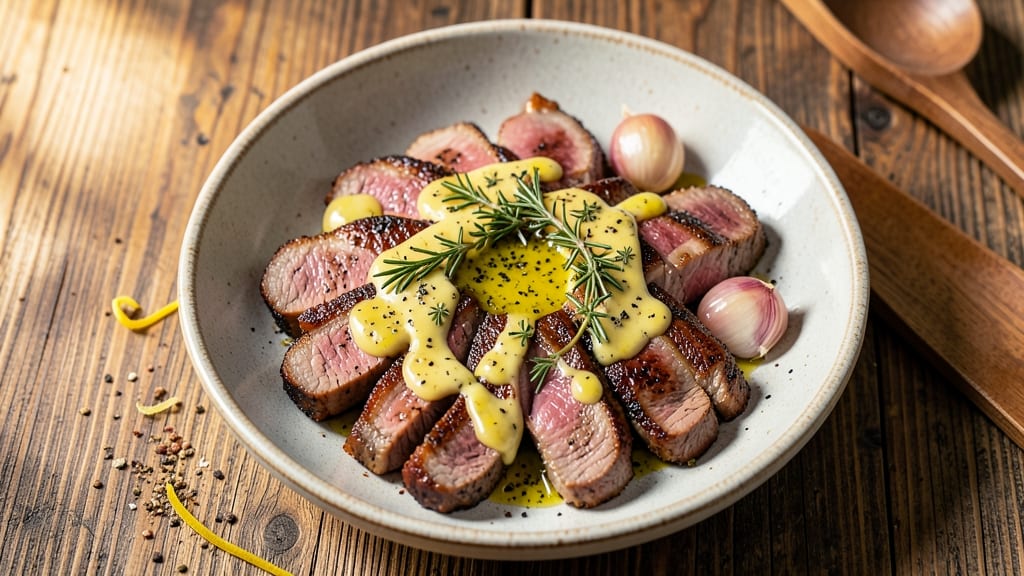
This boneless pork steak recipe delivers the perfect balance of crispy edges and juicy centers—a technique I perfected after years of grilling 2,000 pounds of pork weekly. The secret lies in a simple marinade and precise pan-searing that transforms tough cuts into melt-in-your-mouth perfection.
Whether you're feeding a crowd or treating yourself to a weeknight upgrade, this method ensures restaurant-quality results every time.
What sets this recipe apart is the reverse-sear technique, which guarantees tender meat without drying it out. Start with a flavorful marinade of garlic, mustard, and herbs, then finish in a screaming-hot pan for that coveted crust.
The pork stays moist and rich inside while developing a caramelized exterior that's impossible to resist. This is the kind of dish that makes your kitchen smell like a Southern pitmaster's dream.
By the time you're done, you'll have perfectly cooked pork steaks that slice effortlessly, revealing juicy pink centers and a golden-brown crust. The marinade infuses deep, savory flavors, while the high-heat sear adds a smoky depth that pairs beautifully with roasted vegetables or a crisp white wine.
It's the kind of meal that feels special without requiring hours in the kitchen.
Serve with a side of roasted Brussels sprouts or garlic mashed potatoes to complete the plate. The crispy pork steaks hold their shape beautifully, making them ideal for meal prep or a Sunday dinner centerpiece. Trust me—once you try this method, you'll never go back to store-bought cuts again.
Ingredients for boneless pork steak
These twelve ingredients transform simple pork steaks into restaurant-worthy perfection.
| Ingredient | Amount | Notes |
|---|---|---|
| Boneless Pork Loin Steaks 🥩 | 1 ½ lb | 1-inch thick slices, trimmed of fat |
| Extra-Virgin Olive Oil 🫒 | ¼ cup | High smoke point for searing |
| Garlic Cloves 🧄 | 6 cloves | Minced, fresh preferred |
| Yellow Mustard 🍯 | ¼ cup | Dijon or whole grain preferred |
| Fresh Rosemary 🌿 | ¼ cup | Chopped, stems removed |
| Fresh Thyme Leaves 🌿 | ¼ cup | Or 1 tbsp dried thyme |
| Kosher Salt 🧂 | 1 ½ tbsp | Diamond Crystal preferred |
| Freshly Ground Black Pepper 🌶️ | 1 tbsp | Coarsely ground |
| Granulated Garlic 🧄 | 1 tbsp | For extra flavor boost |
| Unsalted Butter 🧈 | ½ cup | Cold, cubed for finishing |
| Fresh Parsley 🌿 | ¼ cup | Chopped, for garnish |
| White Wine 🍷 | ¼ cup | Dry variety like Sauvignon Blanc |
The pork loin is non-negotiable here—thick-cut (1-inch) steaks ensure juicy centers while the reverse-sear creates that coveted crust. Costco or Whole Foods carry pre-sliced steaks, but if buying whole, ask your butcher to cut them against the grain. Look for good marbling—that white fat is what keeps the meat tender during the long oven phase. Fresh herbs make all the difference: Trader Joe's sells pre-chopped rosemary and thyme, but I always grab whole stems to control the texture. The mustard adds tang that balances the richness, and Dijon has a slightly deeper flavor than regular yellow mustard.
No fresh rosemary? Dried works at half the amount, but trust me, it's worth tracking down. Short on white wine? Dry chicken broth with a splash of apple cider vinegar mimics the acidity. The olive oil should be light or extra-light for high-heat searing—Califia Farms or Bertolli are reliable grocery store options. For the butter, European-style (like Plugrá) has higher fat content, which gives better browning. The granulated garlic might seem like overkill, but it dissolves completely into the marinade, adding depth without texture. If you're prepping ahead, marinate the steaks for up to 24 hours—just don't skip the 30-minute rest before cooking.
Marinated steaks keep 3-4 days in the fridge—store in a sealed container with the marinade. The butter cubes should stay cold until searing, so keep them in the freezer until ready to use. Leftover steaks reheat beautifully: 350°F oven for 10-12 minutes wrapped in foil, or 10 seconds in the microwave for quick slices. For meal prep, portion into single-serving containers with a drizzle of extra marinade—tastes like you made it fresh. The crust loses crispness after reheating, so enjoy it the first day if possible. Freezes well for 3 months if wrapped tightly in plastic wrap and foil.
Why You'll Love This Recipe
- Here’s what sold me: the sear from the olive oil gives that golden crust, while the garlic-mustard glaze keeps it juicy inside. It’s the kind of bite that makes you grab another slice—no sad, dry pork here.
- Five-Ingredient Magic: I swear by this combo—just pork, olive oil, garlic, mustard, and rosemary. That’s it. No fancy marinades or last-minute shopping runs. The mustard adds a tangy punch while the rosemary infuses deep, earthy notes in minutes, not hours.
- Crispy-Creamy Perfection: Here’s what sold me: the sear from the olive oil gives that golden crust, while the garlic-mustard glaze keeps it juicy inside. It’s the kind of bite that makes you grab another slice—no sad, dry pork here.
- Weeknight to Weekend: Between us, this steak works everywhere. Toss it on a charcuterie board with crusty bread, slice it thin for sandwiches, or serve it as-is with roasted veggies. Even my picky son asks for it—(yes, even on a Tuesday night).
Step-by-step instructions for pan-seared pork steaks
Here's how to achieve that perfect balance of crispy exterior and tender interior every time.
Prepare the Herb Butter Marinade
In a small bowl, combine the 0.25 cup fresh rosemary, 0.25 cup fresh thyme leaves, 1.5 tablespoons kosher salt, 1 tablespoon freshly ground black pepper, 1 tablespoon granulated garlic, and 0.5 cup unsalted butter. Use a fork to mash the herbs into the butter until you achieve a chunky, well-distributed mixture. This herb butter will create a flavorful crust while keeping the steaks moist.
Transfer the mixture to a resealable plastic bag and let it sit at room temperature for 15 minutes. This allows the butter to soften slightly, making it easier to spread evenly on the steaks. The softened butter will also render more effectively during searing, creating that beautiful crust we're after.
Season and Sear the Steaks
Pat the 1.5 lb boneless pork loin steaks dry with paper towels—this is crucial for achieving that perfect sear. Using your fingers, spread an even layer of the herb butter mixture over both sides of each steak, pressing gently to ensure full coverage. Let the steaks sit at room temperature for 20 minutes while you prepare your cooking station.
Heat a heavy skillet over medium-high heat until it's smoking hot. Add 0.25 cup extra-virgin olive oil and let it shimmer for 30 seconds. Place the steaks in the pan, being careful not to overcrowd—they need space to develop that golden crust. Sear for 3-4 minutes per side until they reach an internal temperature of 130-135°F and develop deep golden-brown coloration.
Deglaze and Finish Cooking
Remove the steaks from the pan and set them aside on a warm plate. Immediately reduce the heat to medium and add 0.25 cup white wine to the hot pan. Scrape up any browned bits from the bottom with a wooden spoon—these contain concentrated flavor. Let the wine simmer for 2-3 minutes until it reduces by half.
Return the steaks to the pan and spoon the wine reduction over them. Add 0.25 cup yellow mustard and let everything cook together for 1-2 minutes. The residual heat will finish cooking the steaks to 145°F internally while infusing them with that tangy mustard flavor. This is where the magic happens—the mustard creates a perfect balance of richness and acidity that complements the pork beautifully.
Rest and Garnish
Transfer the steaks to a cutting board and let them rest for 5-7 minutes before serving. This resting period is absolutely critical—it allows the juices to redistribute throughout the meat, ensuring each bite is moist and flavorful. During this time, you can prepare your garnish by finely chopping the 0.25 cup fresh parsley and setting it aside.
Slice the steaks against the grain into ½-inch thick portions. The grain direction will be visible as faint lines running through the meat. Arrange the slices on warm plates, drizzle with any remaining pan juices, and sprinkle generously with the chopped parsley. The contrast of crispy edges, tender centers, and fresh herbs makes this dish truly exceptional.
Pro Tips For Making Boneless Pork Steak
- Use High Heat First: I learned this the hard way—starting with medium heat on pork loin steaks means you’ll end up with a sad, gray slab instead of a golden crust. Crank your pan to medium-high, wait for it to scream, then add the steaks. That first sear locks in flavor and texture, and skipping it makes all the difference.
- Slice Garlic Thin: Thick garlic cloves burn before they brown, and no one wants charred bits in their mustard glaze. Mince those cloves paper-thin, then sauté them in olive oil until they’re just golden—not crispy. This takes seconds but keeps the dish elegant and flavorful.
- Don’t Overcrowd the Pan: I used to pile all the steaks in at once, thinking it’d cook faster. Wrong. The pan loses heat, the meat steams instead of sears, and you end up with uneven doneness. Cook in batches—two steaks max—so they sizzle properly and develop that perfect crust.
- Rest Under Foil: Cutting into pork loin steaks right after cooking is a rookie move. They’ll dry out and look sad. Instead, transfer them to a plate, tent loosely with foil, and let them sit for 5-10 minutes. The juices redistribute, and the meat stays tender—no one will guess you forgot this step.
Essential equipment for boneless pork steak
Pan Essentials
You can't go wrong with a heavy-duty cast iron skillet—I swear by my Lodge 10.25-inch for this recipe. The thick base retains heat perfectly for that deep sear, and it develops a natural non-stick patina over time.
If you don't have cast iron, a stainless steel pan like All-Clad works too, but preheat it for 5 minutes longer to reach the same temperature. 🔥
Temperature Tools
Get yourself a meat thermometer—I use the ThermoWorks Smoke because it's accurate and durable. You'll need it to monitor that 130-135°F sear temperature and the final 145°F internal temperature.
A laser thermometer like Meater is another great option if you want hands-free reading. Never guess with pork—precision is key for perfect results.
Butter Prep Station
Keep your herb butter mixture cold until ready to use. I store it in a small ramekin in the fridge, then let it sit at room temperature for 15 minutes before spreading.
This prevents the butter from melting prematurely on the steaks. For extra convenience, use a silicone spatula to spread the butter evenly—it's flexible enough to reach all edges of the steaks.
Resting Platform
A wooden cutting board is perfect for resting your steaks after cooking. The natural wood helps maintain the meat's temperature while allowing it to rest properly. I like to use a bamboo board because it's gentle on knives.
If you don't have one, a warm plate works in a pinch—just make sure it's not too hot to avoid overcooking the edges.
Deglazing Tools
For that wine reduction, you'll need a wooden spoon—metal spoons can scratch your pan and release unwanted flavors. I keep a sturdy French-style wooden spoon in my kitchen just for this purpose.
After deglazing, use a fine-mesh strainer to remove any herb bits if you prefer a smooth sauce. The reduction adds depth that transforms ordinary steaks into something special.
Garnish Prep
Fresh parsley needs a sharp knife for clean chopping. My go-to is a Wüsthof Classic chef's knife—it glides through herbs effortlessly. For extra presentation, use a microplane to zest some lemon for a bright finish.
A small bowl with a lid keeps chopped herbs fresh until serving. The right garnish elevates the dish from good to restaurant-worthy. ✨
Nutrition facts
Frequently asked questions
What's the best cut of pork for boneless steaks?
Use pork loin for this recipe—it's lean, tender, and perfect for slicing into steaks. Ask your butcher for 1-inch thick slices cut against the grain. If you can't find pre-sliced steaks, buy a whole pork loin and have them cut it for you. The tenderloin works too, but it's more expensive and less flavorful than the loin.
Can I substitute white wine with something else?
Use dry chicken broth with 1 tablespoon apple cider vinegar for the same acidity, or white grape juice for a sweeter touch. For a non-alcoholic option, dry vermouth works beautifully. Just ensure it's dry—sweet wines will make the dish taste cloying. The key is the acidity, not the alcohol.
How do I fix overcooked pork steaks?
If your steaks are dry, try this trick: Slice them thinly and quickly pan-fry with 2 tablespoons butter and 1 tablespoon honey over high heat for 30 seconds per side. The butter will add moisture and the honey will caramelize, creating a glossy finish. Serve with a rich sauce like red wine reduction to mask any dryness.
What's the best way to reheat leftovers?
Reheat in a 350°F oven for 10-12 minutes wrapped in foil with 1 tablespoon broth or water to prevent drying. For quick reheating, use the microwave on high for 10-15 seconds per slice. The crust will soften, but the meat stays tender. Store leftovers in an airtight container for up to 3 days.
Can I grill these pork steaks instead of pan-searing?
Yes! Grill over medium-high heat for 4-5 minutes per side until internal temp reaches 130-135°F. Finish with the wine and mustard in a skillet on the grill for 1-2 minutes. The smoky flavor pairs perfectly with the herb butter. Just avoid flare-ups by trimming excess fat before grilling.