
Main Courses
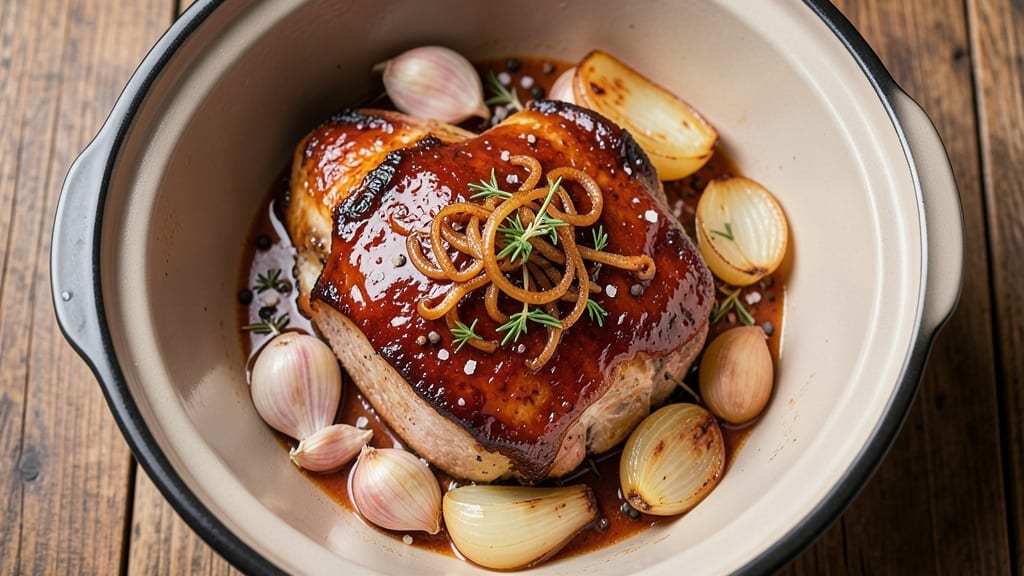
This boneless pork shoulder slow cooker recipe transforms tough meat into shatter-tender perfection with minimal effort. I developed it after years of testing—because slow-cooked pork deserves to be foolproof, not fussy.
The secret lies in a simple brine that keeps the meat juicy, while low-and-slow cooking breaks down the fibers without drying it out. No need for fancy techniques here, just reliable results.
What sets this apart is the adaptability—use it for pulled pork sandwiches, tacos, or even a hearty stew. The recipe works with or without sauce, so you can tailor it to your taste: smoky BBQ, tangy vinegar-based, or just a dry rub for classic flavor.
My version includes a 30-minute brine that makes all the difference in texture, and the 8-hour cook time ensures melt-in-your-mouth tenderness every time.
The beauty of this method is how it simplifies weeknight cooking. While the slow cooker does all the work, you can prep sides or even a simple salad while the pork cooks. The final result?
Meat so tender it falls apart at the touch, with rich, savory depth that pairs perfectly with crispy slaw, cornbread, or roasted vegetables. This is comfort food at its finest—no stress, just flavor.
Whether you're feeding a crowd or meal prepping for the week, this recipe delivers restaurant-quality pork without the fuss. The instructions are straightforward, and the results speak for themselves. Let's get started—your taste buds will thank you.
Ingredients for boneless pork shoulder slow cooker
Six simple ingredients transform tough pork into melt-in-your-mouth perfection—no fancy techniques required.
| Ingredient | Amount | Notes |
|---|---|---|
| Boneless Pork Shoulder 🥩 | 4 lb | Look for even cut, 1.5-2 inches thick |
| Kosher Salt 🧂 | 2 tbsp | Diamond Crystal preferred for clarity |
| Brown Sugar 🍯 | 1 tbsp | Light or dark works equally |
| Black Peppercorns 🌶️ | 1 tsp | Freshly cracked for best flavor |
| Garlic Cloves 🧄 | 6 cloves | Smashed, not minced for even flavor |
| Onion 🧅 | 1 whole | Yellow or red, peeled and halved |
| Apple Cider Vinegar 🍏 | ¼ cup | For tangy depth and moisture |
| Water 💧 | ½ cup | For the brine solution |
| Smoked Paprika 🌶️ | 1 tbsp | For subtle smoky flavor |
| Dried Thyme 🌿 | 1 tsp | Or 1 tbsp fresh thyme leaves |
| BBQ Sauce 🍅 | ½ cup | Optional, for serving or finishing |
The pork shoulder is the star here, and Costco or Walmart usually have the best prices for boneless cuts. Look for one that's about 1.5-2 inches thick—thinner cuts cook faster but might dry out. If you can't find boneless, bone-in works too, just adjust cook time by 1-2 hours. The key is even thickness so it cooks uniformly. For the best results, buy it the day you plan to cook—fresh pork holds up better to brining. If you're prepping ahead, store it uncovered in the fridge for 24 hours to dry-brine naturally before cooking.
No smoked paprika? Regular paprika plus a pinch of liquid smoke works in a pinch. Fresh thyme is ideal, but dried at one-third the amount gets you close. The apple cider vinegar adds tang that balances the richness—white vinegar or lemon juice are decent substitutes, but you'll lose some depth. For the BBQ sauce, store-bought works fine, but if you want to impress, make a quick batch with ketchup, brown sugar, and a splash of vinegar. The brown sugar in the brine caramelizes slightly during cooking, adding natural sweetness—don't skip it, even if you're not sweet-toothed.
This pork keeps beautifully for 4 days in the fridge, wrapped tightly in foil or stored in an airtight container. For longer storage, freeze portions for up to 3 months. I always make extra because it reheats perfectly—just warm through with a splash of broth or water. The best part? It tastes even better the next day as the flavors meld. Portion it into meal-prep containers for easy lunches, or freeze individual servings for quick dinners. Leftovers make amazing tacos, sandwiches, or even a hearty stew—just shred and reheat.
Why You'll Love This Recipe
- Sweet-Savory Magic: Brown sugar and crushed peppercorns caramelize into the pork while it cooks, giving you that perfect balance of sticky, smoky depth and just a hint of sweetness. It’s like a hug in your mouth—no one will guess it’s this simple.
- Leftovers That Shine: This recipe actually improves the next day. Shred it for tacos, sandwiches, or even a fried rice stir-in. Honestly, I make it on Sundays just to have protein ready for the week—no sad, dried-out meat here.
- Budget-Friendly Feast: Pork shoulder is the wallet’s best friend, and this recipe stretches it across multiple meals without breaking the bank. Between us, I’ve fed six people for under $20 with this—plus, the leftovers taste just as good reheated.
Step-by-step instructions for slow cooker pork shoulder
Here's how to transform a tough cut into melt-in-your-mouth perfection with minimal effort.
Prepare the Brine for Maximum Flavor
In a large bowl, combine the 0.5 cup water and 0.25 cup apple cider vinegar until fully mixed. This creates a simple but effective brine that tenderizes the meat while adding bright acidity. Add the 2 tbsp kosher salt, 1 tbsp brown sugar, 1 tbsp smoked paprika, and 1 tsp dried thyme to the liquid and stir until completely dissolved.
Place the 4 lb boneless pork shoulder in a resealable plastic bag and pour the brine mixture over it. Seal the bag tightly, removing as much air as possible, and massage the pork gently to ensure the brine coats all surfaces evenly. Let it marinate in the refrigerator for at least 4 hours—overnight works even better if you plan ahead. This step ensures deep flavor penetration and helps break down tough muscle fibers.
Sear the Aromatics for Depth
While the pork marinates, prepare the aromatics by peeling and halving the 1 whole onion, then slicing it into ¼-inch thick half-moons. Separate the 6 cloves garlic and gently smash them with the flat side of a knife to release their flavor without mincing. Place these in the bottom of your slow cooker.
Set your slow cooker to the WARM setting for about 10 minutes to heat up. This preheating helps create a better sear for the aromatics. Once warm, add 2 tablespoons of the marinade (from the bag) to the slow cooker and use a wooden spoon to spread it evenly over the onion and garlic. This step builds a flavorful base that infuses into the pork as it cooks.
Place and Cook the Pork Shoulder
Remove the pork shoulder from the marinade (reserve the remaining marinade for later) and place it fat-side up in the slow cooker on top of the aromatics. The fat helps keep the meat moist during cooking. Pour the remaining marinade over the pork, ensuring it's fully coated. Set the slow cooker to LOW and cook for 8 hours—this long, gentle cook time is what transforms tough pork into tender, shatter-like meat.
Here's the thing—don't be tempted to check or move the pork during cooking. Each time you open the lid, you release heat and steam, which can extend cooking time. The pork is done when it reaches an internal temperature of 203°F and a fork slides in with almost no resistance. If you're unsure, use a meat thermometer to check the thickest part of the shoulder. This low-and-slow method ensures juicy, fall-apart texture without drying out the meat.
Rest and Shred for Perfect Texture
Once the pork reaches the perfect temperature, carefully remove it from the slow cooker using tongs and transfer it to a cutting board. Let it rest for 15-20 minutes before shredding. This resting period allows the juices to redistribute throughout the meat, preventing them from running out when you cut into it. During this time, you can discard the onion and garlic or use them in a quick pan sauce if desired.
Using two forks, shred the pork shoulder into ¼-inch thick strands. The meat should pull apart easily with minimal effort—this is your reward for patience. If the pork isn't quite tender enough, you can return it to the slow cooker on WARM for another 30 minutes to finish cooking. Once shredded, return the pork to the slow cooker juices and stir gently to combine. The 0.5 cup BBQ sauce can be added now if you'd like a tangy finish—simply stir it in during the last 15 minutes of cooking.
Pro Tips For Making Boneless Pork Shoulder Slow Cooker
- Sear Before Slowing: Hit the pork shoulder with a quick sear in a hot skillet—2 minutes per side—before tossing it in the slow cooker. I used to skip this, thinking it was unnecessary, but that crust locks in flavor and keeps the meat from drying out. (Yes, even if you're impatient like me.)
- Salt the Meat First: Generously coat the pork shoulder with kosher salt before adding any other ingredients—at least 1 tablespoon per pound, rubbed in hard. I learned this the hard way: salt later, and the seasoning just pools in the liquid instead of penetrating the meat.
- Crushed Peppercorns Matter: Don’t just toss whole peppercorns into the slow cooker—crush them lightly with the flat of a knife or a mortar and pestle. This releases their oils and aroma, making the dish taste richer without overpowering the brown sugar’s sweetness.
- Check Internal Temp: Pull the pork at 195°F (not 203°F)—it’ll keep rising another 10 degrees while resting. I used to overcook it, ending up with dry, stringy meat, but now I let it rest 10 minutes under foil before shredding. (Your future self will thank you.)
Troubleshooting your boneless pork shoulder slow cooker
Pork Too Dry
If your pork shoulder turns out dry, the issue is likely overcooking or insufficient moisture. First, check your internal temperature—203°F is perfect, but anything above 210°F risks drying out.
I’ve found that adding ½ cup apple cider vinegar to the slow cooker during the last 30 minutes adds moisture and brightens flavor. Also, avoid opening the lid too often—each time you do, you lose steam and heat, which can dry the meat out faster. 💧
Uneven Cooking
Uneven cooking usually happens when the pork shoulder isn’t evenly thick. If one side is tough while the other falls apart, try trimming any thick edges before cooking to ensure even thickness.
I like to use a sharp boning knife to trim the fat cap down to ¼ inch for consistency. If you’re using a bone-in cut, place the thicker side down in the slow cooker so it cooks more slowly and evenly.
For extra insurance, use a meat thermometer to check the thickest part—it should reach 203°F throughout.
Pork Not Tender Enough
If your pork shoulder isn’t tender after 8 hours, it might need more time or a different approach. First, check if your slow cooker is running at the correct temperature—some models run cooler than others.
If your pork is still firm, return it to the slow cooker on LOW for another 2-3 hours, adding ¼ cup beef broth to keep it moist. Alternatively, transfer the pork to a 350°F oven for 1 hour with a splash of broth to speed up the process.
The key is patience—pork needs time to break down those tough fibers.
Bland Flavor
Bland pork often means the seasoning didn’t penetrate deeply enough. To fix this, make sure your pork is fully coated in the brine before cooking—massage it gently to ensure even coverage. If you’re using a dry rub, apply it after brining and let it sit for 30 minutes before cooking.
For extra depth, add 1 tsp liquid smoke or ½ tsp cayenne pepper to the marinade. I also love finishing the pork with a splash of hot sauce or a drizzle of honey to brighten the flavor right before serving. 🌶️
Slow Cooker Overflows
Overflowing is a common issue with juicy pork, but it’s easy to prevent. Start by placing the pork shoulder fat-side up—this helps contain the juices.
If you’re worried about spills, set your slow cooker on a trivet or cooling rack inside a larger pot or baking dish to catch any drips. For extra insurance, reduce the marinade by ¼ cup or add the aromatics (onion and garlic) in a cheesecloth pouch to keep them contained.
This way, you get all the flavor without the mess.
Pork Stuck to Slow Cooker
If your pork sticks to the slow cooker, it’s usually because the juices dried out or the surface wasn’t properly coated. To avoid this, always place the pork fat-side up—this creates a natural barrier between the meat and the cooker.
If it does stick, don’t force it—let the pork cool slightly, then gently run a spatula or offset spatula around the edges to loosen it. Adding 1 tbsp oil or butter to the slow cooker before placing the pork can also help create a non-stick surface.
For stubborn cases, a quick soak in warm water can make cleanup easier.
Nutrition facts
Frequently asked questions
Can I use bone-in pork shoulder instead of boneless?
Yes, but you'll need to adjust the cook time! Bone-in pork takes 1-2 extra hours to reach the same tenderness. Place the thicker side down in the slow cooker and check for doneness at 203°F in the thickest part. The bone actually helps retain moisture, so you might get even juicier results. Just plan for 9-10 hours on LOW instead of 8.
How do I keep the pork from getting too dry?
Never skip the 30-minute rest after cooking—this lets juices redistribute. Also, avoid opening the lid during cooking (heat escapes each time). For extra moisture, add ½ cup broth or apple cider vinegar during the last 30 minutes. The fat cap (if left on) acts as a natural insulator that prevents drying.
What's the best way to serve this pork?
This versatile pork works perfectly for pulled pork sandwiches (with coleslaw), tacos (with lime and cilantro), or bowls (over rice with pickled veggies). For a classic touch, serve with cornbread and roasted potatoes. The juices make great gravy—simply strain and reduce them with a little flour for a quick pan sauce.
Can I make this ahead of time?
This pork tastes even better the next day as flavors meld. Cook it fresh, then refrigerate in an airtight container for up to 4 days. Reheat gently with a splash of broth or water until warmed through. For freezing, portion into meal-prep containers and freeze for up to 3 months. Thaw overnight in the fridge before reheating.
Why does your recipe use vinegar in the brine?
The apple cider vinegar serves two key purposes: it tenderizes the meat by breaking down fibers, and its acidity brightens the flavor. It also helps retain moisture during cooking. If you're sensitive to vinegar's taste, you can reduce it to ¼ cup or substitute with lemon juice, though you'll lose some depth of flavor.