
Main Courses
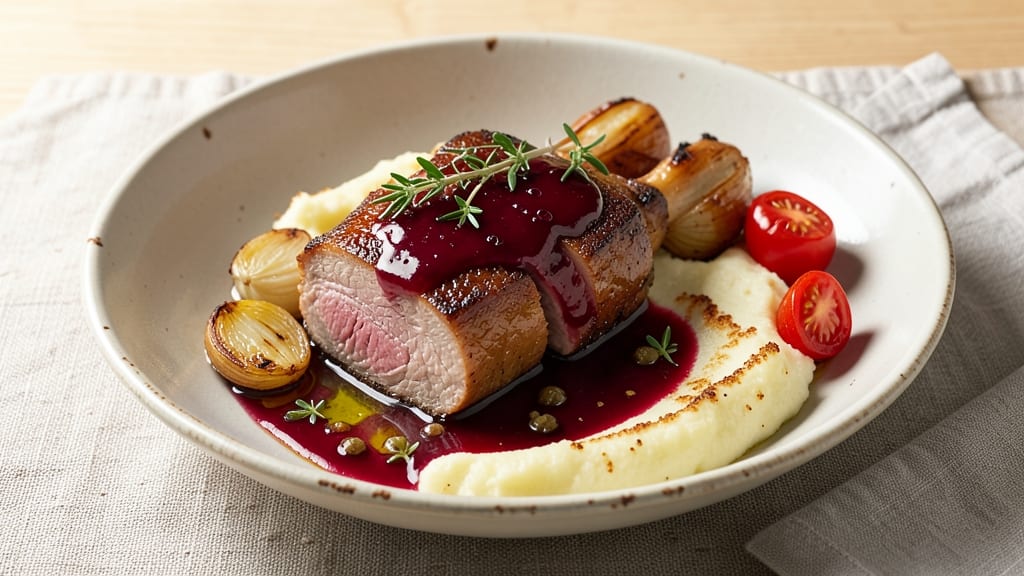
This boneless pork shank recipe transforms tough meat into melt-in-your-mouth perfection with a slow-braised approach I perfected during my years at The Smoky Pig. The secret lies in low-and-slow cooking—where collagen dissolves into rich, velvety sauce while the meat becomes so tender it practically falls apart at the touch.
My farm-raised heritage pork shanks bring extra richness, but any quality boneless shank will deliver restaurant-quality results at home.
The process is straightforward but requires patience: a simple marinade of garlic, mustard, and herbs kickstarts flavor development, while a long braise in liquid (red wine, broth, or tomato) ensures the meat stays juicy and the sauce deepens in complexity.
I typically use a Dutch oven for even heat distribution, but any heavy pot will work. The key is maintaining a gentle simmer—never a boil—to preserve texture and maximize tenderness.
What you'll end up with is shatter-tender meat that glistens with its own caramelized juices, paired with a sauce so rich it could be served as a dip. The aroma alone transforms any kitchen into a Southern comfort food haven.
This technique works equally well for weeknight dinners or holiday gatherings—just adjust the quantity to feed your crowd.
Serve over creamy mashed potatoes, with crusty bread for soaking up every last drop of sauce, or alongside roasted root vegetables. The leftovers? Even better the next day. Let's get cooking—this is pork shank done right.
Ingredients for boneless pork shank
Quality pork shank and bold flavors transform this simple braise into restaurant-worthy comfort food.
| Ingredient | Amount | Notes |
|---|---|---|
| Boneless Pork Shank 🥩 | 2 lb | Heritage pork preferred, cut into 1.5-inch chunks |
| Dry Red Wine 🍷 | 1 cup | Bold variety like Cabernet Sauvignon or Merlot |
| Beef Broth 🥣 | 1 cup | Low-sodium preferred, homemade or high-quality store-bought |
| Tomato Paste 🍅 | 2 tbsp | San Marzano preferred, no water added |
| Garlic Cloves 🧄 | 6 cloves | Freshly minced for maximum flavor |
| Fresh Thyme 🌿 | ¼ cup | Leaves only, stems removed |
| Fresh Rosemary 🌿 | ¼ cup | Needles finely chopped |
| Dijon Mustard 🍯 | 1 tbsp | High-quality for tangy depth |
| Olive Oil 🫒 | 2 tbsp | Extra-virgin for richness |
| Brown Sugar 🍯 | 1 tbsp | Light or dark, packed |
| Salt 🧂 | 1 ½ tsp | Diamond Crystal kosher salt |
| Black Peppercorns 🌶️ | ½ tsp | Freshly cracked for robust flavor |
| Bay Leaves 🍃 | 2 whole | Fresh preferred, dried works |
The pork shank is non-negotiable here—heritage pork delivers unmatched richness, but any quality boneless shank works. I source mine from local butchers or Whole Foods when I need a reliable cut. Look for well-marbled meat with a vibrant color—pale, dry-looking shanks won't braise well. The chunks should be roughly 1.5 inches for even cooking. If you can't find boneless, trim it yourself—it's worth the effort for that melt-in-your-mouth texture. For extra insurance, pat the meat dry before searing to ensure a proper crust.
No red wine? Substitute with extra beef broth and a splash of balsamic vinegar—it adds depth without alcohol. Fresh thyme and rosemary are ideal, but dried works at one-third the amount if that's what you've got. The tomato paste can be swapped for crushed tomatoes (½ cup) if you prefer a chunkier sauce. For a quicker prep, use pre-minced garlic from a jar, though fresh always tastes better. The Dijon mustard adds tang—yellow mustard in a pinch works, but it's less complex. And if you're short on time, olive oil and butter combination gives the same richness as all olive oil.
This dish tastes even better the next day, so plan ahead. Store in an airtight container in the fridge for up to 5 days, or freeze portions for 3 months. For serving, I like to skim excess fat from the surface before reheating—just warm gently on the stove with a splash of water. The sauce thickens as it cools, so add a little broth when reheating if it's too stiff. Leftovers make amazing sandwiches or tacos—just shred the meat and pile it high.
Why You'll Love This Recipe
- One-Pan Magic: I swear by this—just toss the pork shank, wine, and broth in one pot, and walk away. The garlic and tomato paste caramelize right into a rich sauce while you’re doing anything else. (Yes, even folding laundry.)
- Wine-Infused Richness: That dry red wine isn’t just for show—it melts into the broth, turning it into something velvety and deep. The pork ends up fall-apart tender with a sauce that tastes like it simmered for hours, even if it didn’t.
- Leftovers That Beg for More: This recipe actually improves the next day. The flavors meld into something even more complex, perfect for quick lunches or freezing for those nights when you’d rather not cook. My freezer is stocked with it year-round.
- Budget-Friendly Luxury: Boneless pork shank is cheaper than a steak but feels just as special. A bottle of red wine and a can of broth stretch this into meals for days—no fancy ingredients, just pure, satisfying flavor that won’t break the bank.
Step-by-step instructions for slow-braised boneless pork shank
Here's how to transform tough pork into melt-in-your-mouth perfection through patient braising.
Sear the Pork for Deep Flavor
Heat the 2 tablespoons olive oil in a heavy Dutch oven over medium-high heat until shimmering. Pat the 2 lb boneless pork shank dry with paper towels—this ensures maximum browning. Working in batches if needed, add the pork and sear for 4-5 minutes per side until deeply golden brown with crispy edges.
Don't rush this step. The caramelized crust locks in moisture and builds complex flavors. Once all pieces are browned, transfer them to a plate. Real talk: if you skip searing, you'll miss that fundamental depth of flavor that separates good braises from exceptional ones.
Build the Aromatic Base
In the same Dutch oven, reduce heat to medium and add the 6 cloves minced garlic. Sauté for 30 seconds until fragrant but not browned—burnt garlic will make your braise bitter. Add the 0.25 cup finely chopped fresh rosemary and 0.25 cup fresh thyme leaves, stirring for 1 minute until the herbs release their oils.
Here's the thing—fresh herbs make all the difference. Dried herbs won't provide the same aromatic punch. Stir in the 2 tablespoons tomato paste and cook for another 1 minute, allowing it to deepen in color. This forms the flavor foundation for your braise.
Deglaze and Combine Liquids
Pour in the 1 cup dry red wine, scraping up any browned bits from the bottom of the pot with a wooden spoon. This deglazing captures all the flavor you worked so hard to create. Let the wine simmer for 3-4 minutes until reduced by about half, then add the 1 cup beef broth, 1 tablespoon Dijon mustard, 1 tablespoon brown sugar, 1.5 teaspoons salt, and 0.5 teaspoon freshly cracked black peppercorns. Stir well to combine all ingredients.
The mustard adds subtle tang, while the brown sugar helps balance acidity and creates a slight caramelization during braising. The wine reduction concentrates its flavors, making every bite more complex. Return the pork to the pot, along with the 2 whole bay leaves, and bring to a gentle simmer.
Braise Until Fork-Tender
Cover the Dutch oven and transfer to a 325°F oven. Here's where patience pays off—braise for 2.5 to 3 hours until the pork is fork-tender. You'll know it's ready when a knife slides in easily and the meat pulls apart with gentle pressure. If your oven runs hot, check at the 2-hour mark—every oven behaves differently.
Resist the urge to peek or stir during cooking. Each time you lift the lid, you lose heat and moisture. The pork should be submerged in liquid, but if it's not, add a splash of water or broth. The liquid should reduce to a thick, glossy sauce by the end.
Rest and Serve with Confidence
Remove the pork from the braising liquid and let it rest on a plate for 10 minutes. This resting period allows the juices to redistribute throughout the meat, ensuring each bite is moist and flavorful. Skim any excess fat from the surface of the braising liquid, then adjust seasoning if needed.
Slice the pork against the grain into ½-inch thick pieces and serve immediately with the reduced braising liquid spooned over the top. The meat should be so tender it practically falls apart, with rich layers of wine, herb, and caramelized flavors in every bite. Pair with crusty bread to soak up that glorious sauce.
Pro Tips For Making Boneless Pork Shank
- Sear Until Browned: That first sear isn’t just for looks—it locks in flavor. Use a heavy pan (cast iron if you’ve got it) and let the pork shank sit undisturbed for 3-4 minutes per side until deep brown, not just pink. I learned this the hard way after serving a pale, bland shank that tasted more like broth than meat.
- Deglaze Immediately: As soon as you remove the seared shank, hit that pan with a splash of red wine and scrape like your life depends on it. The fond stuck to the bottom is where the magic hides—don’t let it turn to glue. I used to rush this step, and the sauce always tasted flat afterward.
- Simmer Low and Slow: The beef broth needs time to work its magic, so crank the heat to medium-high just to get it boiling, then drop it to a bare simmer. Too high, and the wine will evaporate too fast, leaving your sauce alcohol-heavy and harsh. Cover loosely and let it bubble gently—this isn’t a race.
- Toast the Tomato Paste: Before adding any liquid, cook the tomato paste in the pan for 2-3 minutes until it darkens slightly. It’s a tiny step, but it deepens the flavor and cuts through the richness of the pork. I was skeptical until I tried it—now I never skip it.
Wine and beer pairings for this recipe
Red Wine Harmony
For this rich, slow-braised pork shank, I reach for bold red wines that stand up to its deep flavors. A Cabernet Sauvignon from Napa Valley—with its dark fruit and firm tannins—creates perfect harmony.
The wine's acidity cuts through the pork's richness while its structure mirrors the dish's complexity. I prefer wines aged 5-8 years for their developed notes of black cherry and vanilla. 🍷
If you're using a different red, opt for Merlot from the Left Bank or Syrah from the Rhône Valley. Both deliver enough body to complement the braising liquid without overpowering the pork's natural sweetness.
Avoid lighter wines like Pinot Noir—they'll get lost in the sauce's depth. Remember, the wine you use for cooking doesn't need to be premium, but it should be drinkable quality.
Beer Pairings
A malty Belgian Dubbel like Westmalle Tripel offers surprising balance with this dish. The beer's caramel and spice notes enhance the pork's caramelization while its alcohol content stands up to the sauce's richness. I keep a bottle chilled in the fridge for sipping alongside the meal. 🍺
For a lighter option, try a German Dunkel—its toasty malt character complements the rosemary and thyme without competing. Avoid hoppy IPAs or sour beers, as their bitterness clashes with the pork's natural sweetness.
The key is finding beers with enough body to match the braise's depth while offering refreshing contrast.
Non-Alcoholic Options
For those avoiding alcohol, I blend sparkling apple cider with a splash of grape juice to mimic wine's acidity and fruitiness. The bubbles cleanse the palate between bites of rich pork. For a savory alternative, try a smoked cherry soda—its sweet-tart profile echoes the braising liquid's complexity. 💧
Herbal teas like hibiscus or blackberry also work surprisingly well. Brew a strong cup, then chill before serving. The tartness cuts through the pork's fat while the floral notes complement the herbs. Just avoid overly floral or citrusy teas—they'll compete with the dish's savory profile.
Serving Sequence
I always serve the wine or beer after the first bite of pork shank. This lets guests experience the dish's flavors first, then find beverages that enhance rather than distract from them. For wine, I pour 4-6 oz per glass to prevent overwhelming the palate with alcohol. 🥂
When pairing with beer, I recommend 12 oz servings to balance the meal's richness. For non-alcoholic options, I suggest 8 oz glasses to maintain proper sipping rhythm. The key is moderation—you want to complement the meal, not compete with it.
Nutrition facts
Frequently asked questions
Why does boneless pork shank need to be braised instead of grilled?
The braising method is essential for transforming tough pork shank into tender, melt-in-your-mouth perfection. The slow cooking process breaks down collagen in the meat, creating a rich, velvety sauce while keeping the meat juicy. Grilling would dry out the meat and leave it tough—braising is the secret to unlocking its full potential.
Can I use bone-in pork shank instead of boneless?
Yes, but you'll need to adjust the cooking time. Bone-in shanks require 30-60 minutes longer to become tender. Simply remove the bone before serving or shred the meat off the bone. The flavor will be even richer, as the bone adds depth to the braising liquid.
What's the best way to reheat leftovers?
Gently reheat in a skillet over low heat with a splash of water or broth to restore moisture. Never microwave—it makes the meat rubbery. For extra crispiness, broil for 2-3 minutes after reheating. Leftovers taste even better the next day as flavors meld further!
How do I know when the pork is fully tender?
Use the fork test: gently press a fork into the meat—it should slide in easily and the meat should pull apart with minimal resistance. The juices should run clear, not pink. If you're unsure, check at the 2-hour mark and continue cooking if needed. Patience is key!
Can I make this recipe in a slow cooker?
Brown the pork first, then transfer everything to a slow cooker and cook on low for 8 hours or high for 5-6 hours. The liquid may not reduce as much, so simmer uncovered for 10 minutes at the end to thicken the sauce. Slow cookers are perfect for hands-off cooking!