
Main Courses
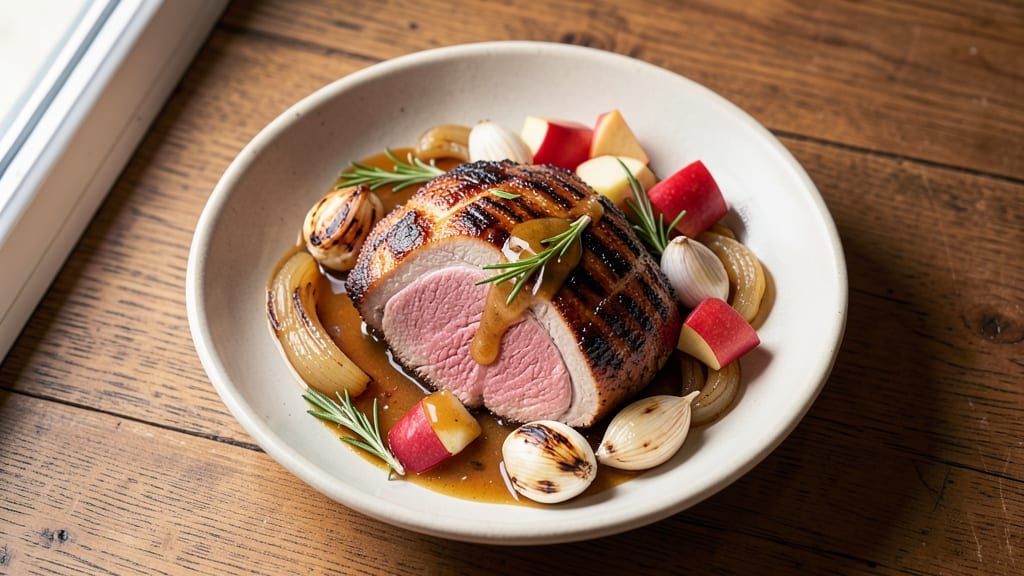
This boneless pork roast rotisserie recipe delivers restaurant-quality results with minimal effort. After years of perfecting pork on my farm, I've developed a method that guarantees tender, juicy meat every time—no guesswork, no mess.
The secret lies in proper marinating and precise rotisserie techniques that transform tough cuts into melt-in-your-mouth perfection.
What sets this recipe apart is the balance between traditional dry rubs and modern glaze techniques. We'll use a simple yet flavorful blend of spices that penetrates the meat while the rotisserie's even heat distribution ensures consistent cooking.
The key is maintaining a steady internal temperature—never letting it exceed 145°F for juicy results. This method works beautifully with heritage pork cuts, delivering that authentic Southern flavor without the hours of slow smoking.
By the time you're done, you'll have perfectly browned, tender pork with crisp edges that practically fall apart at the touch. The aroma alone will have everyone gathering around your table, and each bite delivers that perfect balance of savory, smoky, and slightly sweet flavors.
This is the kind of pork that makes family gatherings special—juicy, flavorful, and impossible to resist.
The best part? This recipe scales perfectly for any occasion, from weeknight dinners to holiday feasts. Pair it with classic Southern sides like collard greens or cornbread for the full experience. Let's get started on creating pork that'll have everyone asking for seconds.
Ingredients for boneless pork roast rotisserie
Six ingredients for the marinade, plus a few pantry staples—this is your shortcut to rotisserie-worthy pork.
| Ingredient | Amount | Notes |
|---|---|---|
| Boneless Pork Loin Roast 🐖 | 3 lb | Center-cut, 1.5-inch thickness preferred |
| Yellow Onion 🧅 | 1 whole | Medium size, sliced into rings |
| Garlic Cloves 🧄 | 8 cloves | Fresh, peeled and minced |
| Extra-Virgin Olive Oil 🫒 | ½ cup | High quality, fruity |
| Apple Cider Vinegar 🍎 | ¼ cup | For tenderizing marinade |
| Brown Sugar 🍚 | ¼ cup | Packed, light variety |
| Smoked Paprika 🌶️ | 2 tbsp | For deep smoky flavor |
| Ground Black Pepper 🌶️ | 1 ½ tbsp | Freshly cracked preferred |
| Kosher Salt 🧂 | 1 ½ tbsp | Diamond Crystal preferred |
| Ground Cumin 🌿 | 1 tbsp | Toasted for warmth |
| Dried Thyme 🌿 | 1 tbsp | Or 3 tbsp fresh thyme |
| Honey 🍯 | ¼ cup | Wildflower preferred |
| Mustard 🍯 | 2 tbsp | Dijon style for tang |
| Wooden Skewers 🪵 | 4 whole | Soaked in water 30 minutes |
The pork loin is your star—center-cut, 1.5-inch thick is ideal, but don't stress if you find something slightly thinner. Costco or local butcher shops usually carry this cut pre-trimmed, which saves time. Look for good marbling—it means more flavor and juiciness. If you're feeling fancy, ask for heritage pork; otherwise, regular pork loin works perfectly. The 3-pound roast is perfect for feeding 6 with leftovers for sandwiches the next day.
No apple cider vinegar? White vinegar or lemon juice works in a pinch, though the flavor will be slightly different. Swap the honey for maple syrup if you're avoiding honey, but the texture might be slightly thicker. The smoked paprika is non-negotiable for that authentic rotisserie flavor—Penzeys or Trader Joe's have great options. For the mustard, Dijon is ideal, but any whole-grain mustard will do. If you're short on time, pre-marinated pork loin from the store works, but you'll miss out on the deep flavor penetration from the overnight soak.
Marinate the pork overnight in the fridge for best results—24 hours max or the vinegar can start to break down the meat. The skewers should be soaked for at least 30 minutes to prevent burning. Leftovers keep 4-5 days in the fridge or 3 months frozen. I always portion mine into individual containers before freezing so I can grab just what I need for breakfast sandwiches all week.
Why You'll Love This Recipe
- No-Fuss Prep: I swear by this—just slice the onion, crush the garlic, and toss everything in a bowl. The pork roast doesn’t even need trimming, and the rotisserie does all the work while you sip your coffee.
- Rotisserie Magic: That apple cider vinegar and olive oil combo? It turns the pork into something ridiculously tender with a caramelized crust. Honestly, the smell alone makes my kitchen feel like a restaurant.
- Weeknight Hero: Between us, this is my go-to for game days, lazy Sundays, or when I’m too tired to fuss. Serve it with crusty bread, and suddenly you’ve got a meal that feels fancy but took zero effort.
- Leftovers That Win: The pork stays juicy for days, and I’ve repurposed it into tacos, sandwiches, and even fried rice. Not the prettiest, but the taste makes up for it—every time.
Step-by-step instructions for juicy rotisserie-style pork roast
Here's how to transform a simple pork roast into tender, juicy rotisserie-style perfection without the fuss.
Prepare the Tenderizing Marinade
In a medium bowl, whisk together the 0.5 cup extra-virgin olive oil, 0.25 cup apple cider vinegar, 0.25 cup brown sugar, 2 tbsp smoked paprika, 1.5 tbsp ground black pepper, 1.5 tbsp kosher salt, 1 tbsp ground cumin, 1 tbsp dried thyme, 0.25 cup honey, and 2 tbsp mustard. This marinade does double duty—tenderizing the meat while infusing it with deep, complex flavors. The acidity from the vinegar breaks down muscle fibers, while the honey and sugar create a caramelized crust during cooking.
Once fully combined, pour the marinade into a resealable plastic bag. Place the 3 lb boneless pork loin roast inside, making sure it's completely coated. Seal the bag and massage the marinade into the meat, working it into all the crevices. Let it marinate in the refrigerator for at least 4 hours, but I prefer overnight for maximum tenderness. The longer it marinates, the more flavor it absorbs and the more tender the meat becomes.
Prep the Rotisserie Setup
Remove the pork roast from the marinade and pat it dry with paper towels—this step is crucial for achieving that beautiful caramelized crust. Preheat your oven to 375°F. While the oven heats, prepare the wooden skewers by soaking them in water for 30 minutes to prevent them from burning during cooking.
Thread the 4 whole wooden skewers through the pork roast, spacing them evenly along the length. This creates a makeshift rotisserie effect that allows the meat to cook evenly and develop a crispy exterior. Place the skewered roast on a wire rack set inside a roasting pan. The rack elevates the meat, allowing hot air to circulate around it for even cooking.
Cook the Pork Roast to Juicy Perfection
Place the roasting pan in the preheated oven and roast the pork for 1 hour and 15 minutes, or until the internal temperature reaches 145°F when measured with a meat thermometer. The meat should be tender but not dry—this is the sweet spot for juicy rotisserie-style pork. I like to check the temperature after 50 minutes of cooking, as ovens can vary in heat distribution.
During the last 15 minutes of cooking, baste the pork roast with the reserved marinade from the bag. This adds extra flavor and helps keep the meat moist. The pork is done when it reaches 145°F internally and the juices run clear when pierced with a knife. If you prefer slightly more well-done meat, you can cook it to 150°F, but be careful not to overcook it past that point.
Rest and Serve for Maximum Juiciness
Remove the pork roast from the oven and transfer it to a cutting board. Let it rest for 15 minutes before slicing. This resting period is essential—it allows the juices to redistribute throughout the meat, ensuring every slice is moist and flavorful. If you skip this step, the juices will pool on your plate instead of staying inside the meat.
While the pork rests, slice the 1 whole yellow onion into rings and mince the 8 cloves garlic. You can serve these as a simple side or incorporate them into a quick pan sauce by sautéing them in the reserved marinade over medium heat for 3-5 minutes. Once the pork has rested, slice it into ½-inch thick medallions and serve immediately. The result should be tender, juicy, and packed with smoky, sweet, and tangy flavors—just like your favorite rotisserie chicken, but with pork!
Pro Tips For Making Boneless Pork Roast Rotisserie
- Trim That Fat Cap: Boneless pork loin looks clean, but it still has a thin layer of fat on one side—leave it. That’s where all the flavor clings during cooking. I used to scrape it off, and the meat ended up dry; now I just pat it dry and let it work its magic.
- Sear Before Skewering: Hit the pork with a hot pan and olive oil first—just 2 minutes per side—before threading it onto the rotisserie. This locks in juices and gives you a head start on that crispy crust. (Yes, even if you’re impatient like me.)
- Vinegar Early, Not Late: Toss the onions and garlic in apple cider vinegar before roasting, not after. The acid tenderizes them while they cook, and the pork soaks up the aroma as it spins. Dumping it on at the end just makes your kitchen smell like a science experiment.
- Rotate the Spit: Every 20 minutes, flip the pork and swap the ends of the skewer. This keeps the meat cooking evenly—no dry spots, no overcooked edges. I learned this the hard way when one side turned to leather while the other was still pink. (Your future self will thank you.)
Wine and beer pairings for this dish
Southern Red Wine
For this rich, smoky pork, I always reach for a bold Southern Italian red like Chianti Classico or Sangiovese. The bright acidity cuts through the fat, while the earthy notes complement the smoked paprika and honey glaze.
I love a 2018 Chianti Classico from Tuscany—it's got enough body to stand up to the pork's richness without overpowering it. Serve it slightly chilled to let the flavors shine. 🍷
Craft Beer Pairings
A well-hopped American Amber Ale works beautifully here. Look for something with caramel and biscuit malt notes, like New Belgium Fat Tire or Allagash White. The malt sweetness balances the apple cider vinegar in the marinade, while the hop bitterness cleanses the palate between bites.
For a lighter option, try a Belgian Witbier—the citrusy coriander pairs unexpectedly well with the pork's smoky depth. 🍺
Light White Wine
If you prefer white, go for a crisp Vermentino from Sardinia or a dry Riesling from Germany. The Vermentino has herbal notes that echo the thyme and cumin in the rub, while the Riesling's slight sweetness complements the honey glaze.
I keep a bottle of Feudo Macchione Vermentino on hand specifically for pork dishes—it's my go-to for balancing richness without being overpowering. ✨
Non-Alcoholic Options
Don't overlook sparkling apple cider—it's the perfect non-alcoholic match. The effervescence cuts through the pork's richness, while the apple flavor mirrors the apple cider vinegar in the marinade.
For something more substantial, try ginger beer (like BrewDog Ginger Beer)—the spicy kick enhances the smoked paprika and black pepper in the rub. Both options feel festive and refreshing. 🍎
Dessert Wine Finish
Save a glass of Moscato d'Asti for after dinner. The light sweetness and bubbles provide a perfect palate cleanser after the rich pork. I like to serve it slightly chilled—around 45°F—to let the fruit flavors pop.
It's a classic Italian pairing that feels like a celebration, especially when you've put this much effort into your meal. 🍇
Nutrition facts
Frequently asked questions
Can I use a different cut of pork for this rotisserie recipe?
While this recipe is designed for boneless pork loin, you can adapt it for pork tenderloin or even pork shoulder with adjustments. For tenderloin, reduce cooking time by 15-20 minutes since it's more delicate. Shoulder requires longer cooking (3-4 hours) at 275°F to stay tender. The marinade works well for both, but monitor internal temps closely.
Why does the recipe specify skewers if I don't have a rotisserie?
The skewers create a makeshift rotisserie effect by elevating the meat and allowing air circulation for even browning. Without them, place the pork on a wire rack in a roasting pan. For extra crispiness, brush with olive oil before cooking. The key is maintaining 375°F and checking temperature frequently—145°F internal is perfect.
Can I make this recipe ahead of time?
Yes! Cook the pork roast up to 2 days ahead and refrigerate. Reheat in a 350°F oven for 20-25 minutes until warmed through. For leftovers, slice into ½-inch medallions and store in airtight containers. The flavors actually improve overnight as the marinade continues to penetrate. Freeze for up to 3 months—thaw overnight in the fridge before reheating.
What if my pork roast isn't perfectly round?
No problem! Shape it into an oval or rectangle by tying with kitchen twine before skewering. For irregular shapes, use 3-4 skewers instead of 4 to ensure even cooking. The marinade will still penetrate fully, and the meat thermometer will guide you to 145°F regardless of shape. Just rotate the pan halfway through cooking for even browning.
How can I add extra flavor without changing the recipe?
Try these pro tips: Stuff the pork with lemon wedges or garlic cloves before cooking. Add ½ cup apple cider to the roasting pan during the last 15 minutes for extra moisture. For a smoky touch, sprinkle ½ teaspoon smoked salt on top before serving. The original marinade already packs bold flavors, but these tweaks add depth without overpowering.