
Main Courses
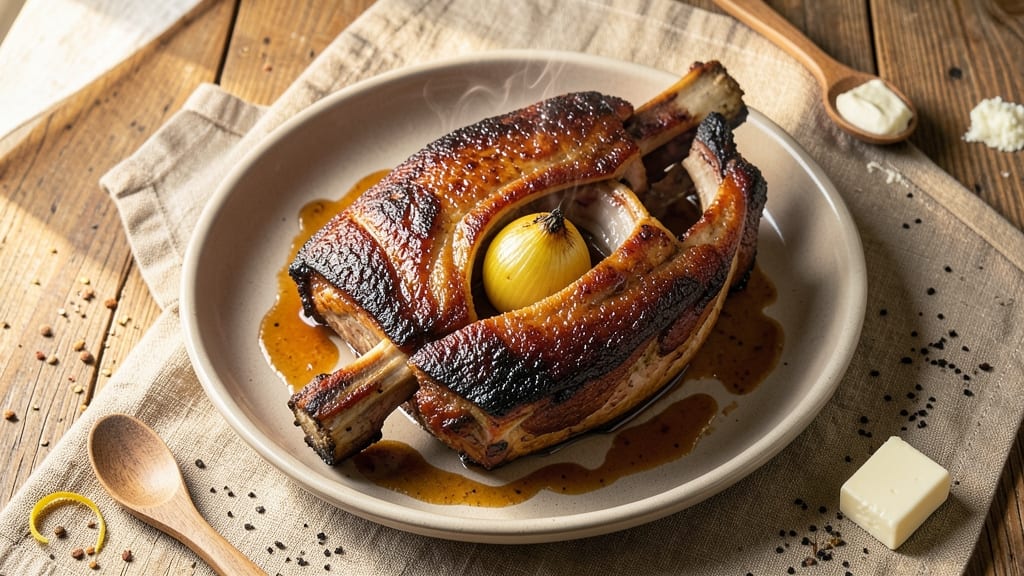
This bone-in pork rib end roast recipe delivers the perfect balance of juicy interior and caramelized crust—no guesswork required. After years of perfecting this cut in my Atlanta kitchen, I've cracked the code for achieving that coveted contrast without overcooking.
The bone acts as a natural thermometer, ensuring tender meat throughout.
What sets this recipe apart is the dry-brine method, which enhances flavor and moisture retention while creating a crust that's crisp enough to stand up to even the heartiest sides.
We'll use a simple seasoning blend of salt, pepper, and a touch of brown sugar for subtle caramelization, then rely on precise temperature control to deliver restaurant-quality results at home.
The magic happens when the roast emerges from the oven with a deep mahogany crust and internal temperature of 145°F—juicy, pink centers that practically melt in your mouth. The bone infuses the meat with depth, while the caramelized exterior delivers that satisfying crunch.
This is the kind of pork roast that transforms ordinary weeknight dinners into special occasions.
Serve with classic apple sauce or a rich onion gravy made from the pan drippings, and you've got a complete meal that'll have everyone asking for seconds. Let's get started on this foolproof technique that's earned its place in my weekly rotation.
Ingredients for bone in pork rib end roast
Six ingredients transform a simple pork roast into a showstopper dish with crispy crust and juicy perfection.
| Ingredient | Amount | Notes |
|---|---|---|
| Bone-In Pork Rib End Roast 🥓 | 4 lb | Center-cut, 2-2.5 inches thick |
| Kosher Salt 🧂 | 2 tbsp | Diamond Crystal preferred |
| Freshly Ground Black Pepper 🌶️ | 1 ½ tsp | Coarse grind preferred |
| Light Brown Sugar 🍚 | 1 tbsp | For subtle caramelization |
| Unsalted Butter 🧈 | 2 tbsp | Cold, cubed for searing |
| Yellow Onion 🧅 | 1 whole | Large, quartered for pan drippings |
| Fresh Garlic Cloves 🧄 | 4 cloves | Smashed for aroma |
| Fresh Thyme Sprigs 🌿 | 2 whole | Stems removed for garnish |
| Fresh Rosemary Sprig 🌿 | 1 whole | For aromatic crust |
| Apple Cider Vinegar 🍏 | 2 tbsp | For dry brine |
| Olive Oil 🫒 | 1 tbsp | For searing |
| Beef Stock 🍲 | 1 cup | For pan gravy |
The pork rib end is the star here—look for a center-cut roast with good marbling at your local butcher or Whole Foods. I always ask for a 2-2.5 inch thick cut to ensure even cooking. If you're buying from the grocery store, check the packaging for 'bone-in' and 'rib end'—the bone helps distribute heat evenly. For the best flavor, sniff the meat—it should smell fresh, not ammonia-like. If you're in Atlanta like me, Publix or Harris Teeter carry excellent cuts, but any reputable butcher will have what you need.
Can't find bone-in pork? Pork shoulder or loin works in a pinch, but the bone adds that extra depth of flavor. No fresh thyme or rosemary? Dried herbs at half the amount will do, though fresh is ideal. The apple cider vinegar in the dry brine isn't optional—it tenderizes the meat and adds a subtle tang. For the gravy, if you don't have beef stock, chicken stock or even water works, but beef stock gives that rich depth. The brown sugar is just a touch—skip it if you're watching sugar, but it helps create that beautiful caramelized crust. And trust me, cold butter is key for searing—don't skip chilling those cubes!
This roast reheats beautifully—just warm it in the oven with a splash of water for 10-15 minutes at 325°F. The pan drippings make an incredible gravy, so don't pour them out! Store leftovers in the fridge for 4 days or freeze for 3 months. I always make a double batch because it's that good. The roast keeps well in the fridge wrapped tightly in butcher paper, and the bone actually helps retain moisture. For serving, let it rest 10 minutes before slicing—this is non-negotiable for juicy meat!
Why You'll Love This Recipe
- Foolproof Seasoning: I swear by the salt-and-sugar crust—just pat the roast dry, then rub it with kosher salt and brown sugar until it looks like it’s wearing armor. That caramelized crust? It’s the secret to flavor that sticks.
- Weeknight Crowd-Pleaser: Between us, this is the only roast I make when friends drop by unannounced. One pan, zero fuss, and everyone fights over the last slice—even the picky eaters.
- Leftovers That Shine: Cold slices the next day? Even better. The butter-basted edges get crispy again when reheated, and it turns into the best sandwich meat—no one believes it’s store-bought.
- Budget Powerhouse: A bone-in rib end roast stretches further than boneless cuts, and the bone adds richness without extra cost. I’ve fed six people for under $15 with this—no guilt, all satisfaction.
Step-by-step instructions for bone-in pork rib end roast
Here's how to transform a simple pork roast into a showstopping centerpiece with perfect juiciness and caramelized edges.
Dry Brine the Roast for Maximum Flavor and Tenderness
Pat the 4 lb bone-in pork rib end roast completely dry with paper towels—this is non-negotiable for crispy skin. In a small bowl, mix the 2 tbsp kosher salt, 1.5 tsp freshly ground black pepper, and 1 tbsp light brown sugar. Rub this mixture all over the roast, including inside the cavity, pressing it into the meat so it adheres well.
Place the roast on a wire rack set over a rimmed baking sheet. Pour the 2 tbsp apple cider vinegar into a small dish and place it on the rack with the roast. This dry brine method works wonders—it seasons deeply and helps create that beautiful caramelized crust. Refrigerate uncovered for at least 12 hours (or up to 24 hours) to let the salt penetrate and the flavors meld.
Sear the Roast for Deep Flavor and Color
Remove the roast from the fridge and let it sit at room temperature for 30 minutes before cooking. Preheat your oven to 325°F. Heat a large oven-safe skillet over medium-high heat and add the 1 tbsp olive oil. Once shimmering, add the 2 tbsp cold cubed unsalted butter and let it melt, creating a foamy layer.
Carefully place the roast fat-side down in the skillet. Sear for 8-10 minutes until the fat is golden brown and crispy. Flip the roast and sear the other side for another 4-5 minutes. Remove from the skillet and place it fat-side up on a cutting board. Here's the thing—the searing creates a flavor base and helps render fat that will contribute to our pan gravy later.
Roast Low and Slow for Perfect Doneness
Transfer the skillet with all the rendered fat and browned bits to the oven. Place the roast back in the skillet, fat-side up. Roast uncovered for 2 hours and 15 minutes, or until the internal temperature reaches 145°F (measured in the thickest part of the meat). This low-temperature cooking ensures tender, juicy meat without overcooking.
About 45 minutes before the roast is done, quarter the 1 whole yellow onion and smash the 4 cloves fresh garlic. Add these to the skillet along with the 2 whole fresh thyme sprigs and 1 whole fresh rosemary sprig. The aromatics will infuse the roast with incredible flavor as it finishes cooking.
Rest and Create Pan Gravy
When the roast reaches 145°F, remove it from the oven and transfer to a cutting board. Tent loosely with foil and let it rest for 20-30 minutes. This resting time is crucial—it allows the juices to redistribute throughout the meat, ensuring each slice stays moist and flavorful.
While the roast rests, place the skillet with all the pan drippings and aromatics on the stovetop over medium heat. Pour in the 1 cup beef stock and scrape up all the browned bits from the bottom of the pan with a wooden spoon. Simmer for 5-7 minutes until the liquid reduces by about half, creating a rich, flavorful gravy.
Carve and Serve with Homemade Gravy
Once the roast has rested, remove the thyme and rosemary sprigs from the skillet. Using a sharp carving knife, slice the roast against the grain into ½-inch thick slices. The meat should be fork-tender with a beautiful caramelized crust on the outside and juicy pink meat inside.
Serve the sliced roast drizzled with the pan gravy. The combination of tender meat, crispy edges, and rich gravy makes this dish unforgettable. Pair with roasted vegetables or mashed potatoes to complete the meal—each bite delivers that perfect balance of juicy pork and savory crust.
Pro Tips For Making Bone In Pork Rib End Roast
- SEAR THE FAT SIDE DOWN: That rib end has a thick fat cap—don’t ignore it. Sear it fat-side down first in a screaming-hot pan for 8-10 minutes to render fat and build flavor. I used to skip this, and the crust never crisped right; now it’s always golden and sticky.
- SALT THE MEAT 24 HOURS EARLY: Generously coat the roast with kosher salt (about 1.5 teaspoons per pound) and let it sit uncovered in the fridge. Sounds weird, but it works: the salt seasons deeper, and the crust forms better later. (Yes, even if you’re impatient like me.)
- USE BROWN SUGAR LAST MINUTE: Sprinkle that light brown sugar after searing, not before. If you add it too soon, it’ll caramelize unevenly and burn while the meat still needs time. Toss it on with the butter in the final 15 minutes for a perfect glaze.
- REST IT UNDER FOIL: Carve into it too soon, and all that rendered butter will pool out. Instead, tent it loosely with foil and let it sit for 5-10 minutes—just long enough for juices to redistribute. (Your future self will thank you.)
Troubleshooting great bone in pork rib end roast
Undercooked Roast
If your roast isn't reaching 145°F after 2 hours and 15 minutes, it's likely undercooked. First, check your oven temperature with an oven thermometer—many home ovens run 25-50°F hotter or cooler than set. If your oven runs hot, reduce the temperature to 300°F and add 20-30 minutes.
For stubborn cold spots, especially near the bone, try placing a small baking dish of water on the lower rack to add moisture and help conduct heat. 🌡️
Overcooked Dry Meat
Dry, overcooked pork happens when the internal temperature exceeds 145°F or when the roast rests too briefly. Pull it from the oven immediately when it hits 145°F—don't let it creep higher.
For extra insurance, use a meat thermometer with a probe (I swear by ThermoWorks Smoke) to monitor the thickest part. If you've already overcooked, slice thinly against the grain and serve with a rich gravy or apple sauce to add moisture. Remember, pork is best served slightly pink!
Uneven Cooking
Uneven cooking often results from uneven heat distribution or improper placement in the pan. Always sear the roast fat-side down first—this renders fat evenly and creates a protective crust. If your oven has hot spots, rotate the roast halfway through cooking (after 1 hour) for even browning.
For stubborn cold spots near the bone, tent the roast loosely with foil during the final 30 minutes to prevent over-browning while ensuring even cooking. 🔥
Bland Flavor
Bland pork usually means insufficient seasoning or lack of aromatics. First, ensure you're using Diamond Crystal kosher salt—it's coarser and dissolves better than table salt.
For extra depth, add 1 tsp smoked paprika to the dry brine or infuse the beef stock with 1 bay leaf and ½ tsp black peppercorns while reducing. I also recommend basting the roast with its own rendered fat every 30 minutes during cooking to lock in flavor.
Soggy Crust
A soggy crust happens when steam builds up under the skin. To prevent this, pat the roast completely dry before seasoning and sear it thoroughly on both sides. After searing, place the roast on a wire rack instead of directly on the pan to allow air circulation.
If your crust still turns out soggy, try a reverse sear: Roast at 275°F until 140°F internal, then finish with a quick sear in a hot skillet. This two-step method creates a crispy exterior without steaming the meat. ✨
Fat Not Rendering
If the fat isn't browning and crisping as expected, your oven temperature might be too low or the roast isn't searing properly. Increase your oven temperature to 350°F for the final 15 minutes to help crisp the fat.
For a deeper sear, use a cast iron skillet (I love my Lodge 12-inch) and let it get screaming hot before adding the roast. If the fat is still not rendering, trim excess fat from the roast before searing—just leave a thin layer to protect the meat. 💡
Nutrition facts
Frequently asked questions
What's the difference between pork rib end roast and pork shoulder?
The rib end comes from the upper shoulder area near the spine, featuring more connective tissue and fat marbling that creates incredible flavor and juiciness when cooked low and slow. Pork shoulder (butt) is from the lower shoulder and tends to be leaner. The rib end's bone also helps distribute heat evenly, while shoulder may require more basting to prevent drying. For this recipe, the rib end's richness is ideal for that caramelized crust.
Can I cook this roast without a meat thermometer?
While I recommend using a thermometer for precision, you can estimate doneness by checking the internal temperature with a long knife or skewer. Insert it into the thickest part—when the juices run clear (not pink) and the meat reaches 145°F, it's done. For visual cues, look for a deep mahogany crust and slightly firm texture when pressed gently. Remember, pork is best served slightly pink!
How far ahead can I prepare the dry brine?
You can dry brine the roast for up to 24 hours before cooking—this is actually ideal for maximum flavor penetration. The longer it brines (within reason), the more tender and flavorful your roast will be. Just be sure to let it sit at room temperature for 30 minutes before cooking to ensure even heat distribution. Pro tip: Cover loosely with plastic wrap if brining longer than 12 hours to prevent drying.
What's the best way to reheat leftovers?
Slice the roast thinly against the grain and reheat in a skillet over medium heat with a splash of beef stock or apple cider until warmed through (3-5 minutes). For oven reheating, wrap slices in foil with a little water and bake at 325°F for 10-15 minutes). Never microwave—it turns pork rubbery! The gravy can be reheated separately on the stovetop. Leftovers keep for 4 days in the fridge or 3 months frozen.
Can I use a different cut of pork for this recipe?
While rib end is ideal, pork loin or shoulder work in a pinch. For loin, reduce cooking time to 1 hour 45 minutes (it's leaner). For shoulder, increase to 3-4 hours at 275°F and add extra basting. The bone in rib end helps regulate temperature, so boneless cuts may need more attention. If substituting, adjust seasoning—leaner cuts benefit from extra salt and a touch of brown sugar for moisture.