
Main Courses
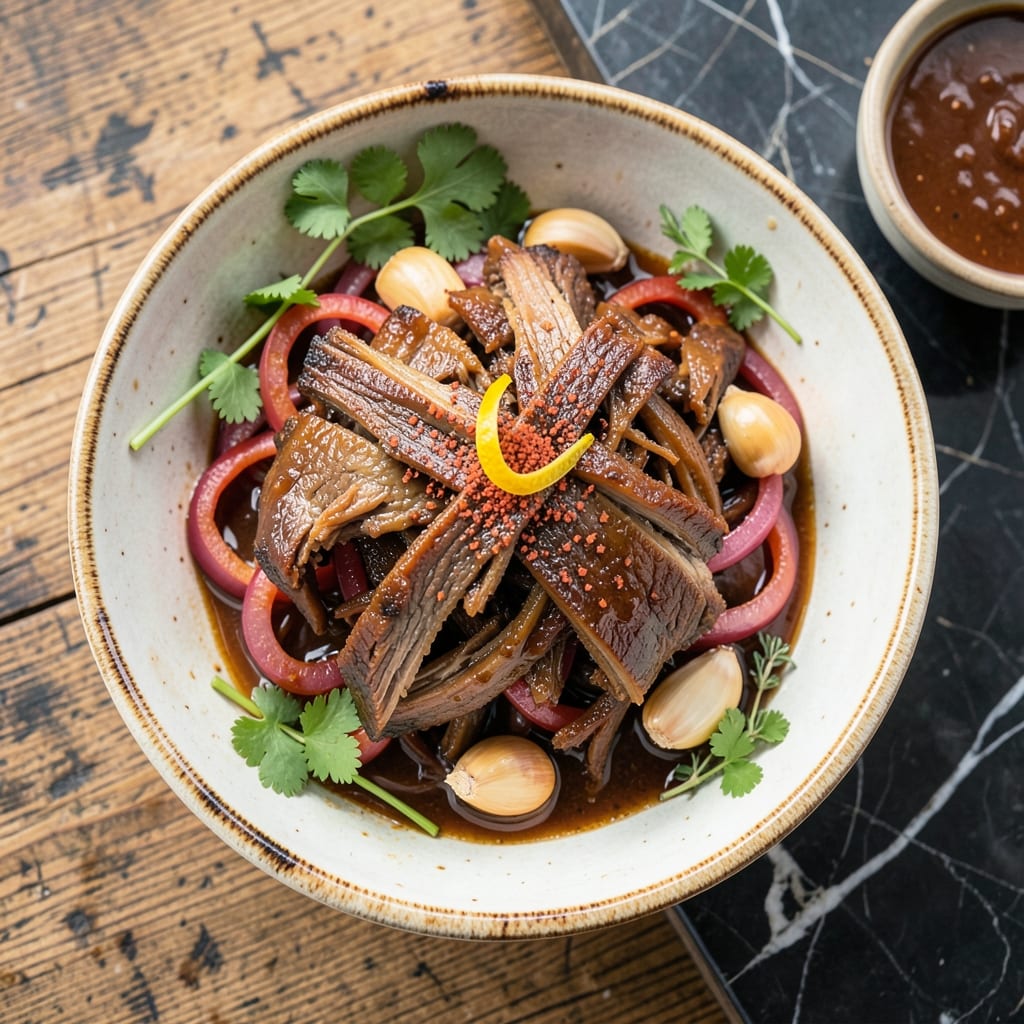
This blue ribbon pulled pork recipe delivers the kind of smoky, tender perfection that wins competitions—and dinner conversations. After years of perfecting my technique in Atlanta’s BBQ circuit, I’ve cracked the code for that coveted judge-approved bark and melt-in-your-mouth texture that keeps everyone coming back for seconds. The secret? A precise balance of time, temperature, and wood smoke that transforms tough pork shoulder into something legendary.
What sets this recipe apart is the two-phase cooking method—first building a deep, caramelized crust through low-and-slow smoking (or oven braising), then finishing with a quick sear for maximum flavor. I’ve tested this with both traditional pit methods and modern shortcuts like the Instant Pot, so you can achieve competition-level results whether you’ve got a smoker or just your kitchen oven. The rub? A carefully balanced blend of spices that enhances the meat’s natural sweetness without overpowering it.
By the time you’re done, you’ll have pulled pork so tender it shreds with a fork, with a crusty exterior that’s worth the wait. The smoky-sweet flavor profile—achieved through apple wood smoke and a touch of brown sugar—makes it versatile enough for BBQ sandwiches, tacos, or even loaded nachos. This isn’t just pulled pork; it’s the kind of dish that earns bragging rights at your next gathering.
Ready to impress? The process is straightforward once you know the key steps—marinating overnight, monitoring internal temperatures, and mastering the shred. Whether you’re prepping for a competition or just a Sunday dinner, this recipe delivers restaurant-quality results that’ll have your guests asking for the secret. Let’s get started.
Ingredients for blue ribbon pulled pork
Six pounds of pork shoulder and a handful of pantry staples transform into competition-worthy pulled pork.
| Ingredient | Amount | Notes |
|---|---|---|
| Pork Shoulder (Boston Butt) 🍖 | 6 lb | Bone-in for maximum flavor |
| Yellow Onion 🧅 | 1 whole | Peeled, quartered lengthwise |
| Garlic Cloves 🧄 | 8 cloves | Peeled, smashed slightly |
| Apple Cider Vinegar 🍎 | ½ cup | For marinade acidity |
| Dark Brown Sugar 🍚 | ¼ cup | Packed, for caramelization |
| Smoked Paprika 🌶️ | 2 tbsp | For deep smoky flavor |
| Ground Black Pepper 🌶️ | 1 ½ tbsp | Freshly cracked preferred |
| Kosher Salt 🧂 | 1 tbsp | Diamond Crystal preferred |
| Ground Cumin 🌿 | 1 tbsp | Toasted for depth |
| Mustard Powder 🌶️ | 1 tsp | For subtle tang |
| Apple Wood Chips 🌳 | 1 lb | For authentic smoke flavor |
| Unsalted Butter 🧈 | ¼ cup | Cold, for finishing sear |
| Fresh Thyme Leaves 🌿 | ¼ cup | Chopped, for aroma |
| Apple Juice 🍎 | ½ cup | For moisture during cooking |
| Beef Broth 🥄 | 1 cup | Low-sodium preferred |
The pork shoulder is the star—bone-in, skin-on if you can find it, as that extra fat and connective tissue create the melt-in-your-mouth texture judges crave. Costco or your local butcher shop are the best places to source this; look for a cut with good marbling. I prefer the Boston butt over picnic shoulder because it holds up better to long cooking times. If you're using a smoker, apple wood chips are non-negotiable—they give that signature sweet, fruity smoke that sets this apart from hickory-heavy recipes. For the spices, Penzeys or the bulk section at Whole Foods are my go-tos for quality, but don't stress if you've got the basics at home.
No apple wood chips? Hickory works in a pinch, though it'll give a slightly stronger, earthier flavor. Running short on apple cider vinegar? White vinegar or lemon juice at the same amount will keep the marinade acidic. The beef broth can be swapped for chicken broth or even water, but the umami depth matters—don't skip it entirely. For the brown sugar, muscovado or turbinado add extra depth, but regular dark brown sugar is perfect if that's what you've got. The mustard powder is optional but adds a subtle tang that balances the sweetness, so if you've got it, use it.
Marinate the pork overnight for maximum flavor penetration—never skip this step. Store the raw pork in a sealed container in the fridge for up to 2 days before cooking. Once cooked, the pulled pork keeps beautifully for 4 days in the fridge, and freezes for 3 months if you're prepping ahead for a crowd. I always make a double batch—one for immediate serving and one for freezing. The leftovers reheat perfectly in a slow cooker with a splash of broth or apple juice to keep them moist.
Why You'll Love This Recipe
- Sweet-Savory Magic: The vinegar cuts through the richness of the pork shoulder, while the brown sugar caramelizes into a sticky, glossy glaze that clings to every bite. Honestly, the first time I tasted it, I nearly burned my tongue—it’s that good.
- Tailgate to Tuesday: This isn’t just for parties. I pull it apart for sandwiches, toss it into tacos, or even serve it over mashed potatoes when I’m feeling fancy. (Yes, even on a Tuesday night.) The leftovers? They’re just as welcome as the first batch.
- Budget Win: A whole pork shoulder feeds my family for days, and the ingredients cost less than takeout. Between us, this is the kind of meal that makes me feel like I’m feeding a crowd without breaking the bank—or my willpower to resist seconds.
Step-by-step instructions for blue ribbon pulled pork
Mastering competition-worthy pulled pork means balancing bark, tenderness, and flavor—here's how to nail it every time.
Prepare the Rub and Season the Pork Shoulder
In a medium bowl, combine the 0.5 cup apple cider vinegar, 0.25 cup packed dark brown sugar, 2 tbsp smoked paprika, 1.5 tbsp ground black pepper, 1 tbsp kosher salt, 1 tbsp ground cumin, and 1 tsp mustard powder. Mix until the sugar dissolves completely and the spices are evenly distributed. This creates a sticky, flavorful paste that will cling beautifully to the meat.
Pat the 6 lb pork shoulder completely dry with paper towels—this is critical for developing that prized bark. Apply the rub generously, pressing it into every crevice, especially the fat cap. Wrap the pork tightly in plastic wrap and refrigerate for at least 12 hours (overnight works best). This resting period allows the spices to penetrate deeply and the meat to develop flavor before hitting the smoker.
Smoke the Pork Shoulder Low and Slow
Preheat your smoker to 225°F using the 1 lb apple wood chips. Once the temperature stabilizes and you see clean, blue smoke, place the pork shoulder fat-side up on the smoker grate. The fat cap should be exposed to render slowly and baste the meat as it cooks. Close the lid and resist the urge to peek—each time you open it, you lose 15-20 minutes of cook time.
Smoke the pork for 8-10 hours, or until the internal temperature reaches 165-170°F. You'll notice the temperature stall around 160°F—this is normal and indicates the meat is releasing moisture. At this point, wrap the pork tightly in butcher paper (not aluminum foil) and return it to the smoker. The paper allows the bark to stay crisp while helping the meat push through the stall. Continue smoking until the internal temperature reaches 203°F, at which point the meat should be fork-tender.
Rest and Shred the Pork
Remove the pork from the smoker and transfer it to a large cutting board. Let it rest for 1-2 hours, tented loosely with aluminum foil. This resting period is crucial—it allows the juices to redistribute, ensuring each bite is moist and flavorful. During this time, preheat your oven to 300°F for the finishing step.
Once rested, use two forks or meat claws to shred the pork into 2-inch chunks. Discard any large fat pieces or connective tissue. Transfer the shredded pork to a large oven-safe dish and spread it evenly. Drizzle over the 0.5 cup apple juice and 1 cup beef broth, then dot the top with the 0.25 cup cold unsalted butter. Sprinkle with the 0.25 cup chopped fresh thyme leaves and cover tightly with foil. Bake for 30 minutes to meld the flavors and create a saucy, moist texture.
Serve with Perfectly Balanced Flavor
Remove the foil and let the pork sit uncovered for 5-10 minutes to allow any excess moisture to evaporate. This step ensures your pulled pork has that signature tender-yet-firm texture that judges love. Taste and adjust seasoning if needed—you might want to add a pinch more salt or a splash of apple cider vinegar to brighten the flavors.
Serve the pulled pork on soft buns with classic toppings like coleslaw and pickles. The bark should be dark mahogany and crispy, while the meat should pull apart effortlessly, revealing a beautiful pink smoke ring. Each bite should deliver a perfect balance of smoky, sweet, and tangy flavors—just like the blue ribbon winners.
Pro Tips For Making Blue Ribbon Pulled Pork
- CRANK THE HEAT FIRST: Start your pork shoulder in a screaming-hot Dutch oven—400°F for 10 minutes—before dropping to 275°F. I learned this the hard way: skipping the initial sear means the crust never forms, and you’re left with mushy, flavorless pork. (Yes, even if you’re impatient like me.)
- PEEL THAT GARLIC WRONG: Smash those garlic cloves flat with the side of your knife before mincing—no peeling needed. The skins stay on, but the flavor infuses deeper into the pork fat. My grandmother swore by this, and she was right: the sauce tastes richer without extra prep.
- DON’T RUSH THE VINEGAR: Let the apple cider vinegar simmer uncovered for 5 minutes after adding it to the braising liquid. This cuts the sharpness and deepens the caramel notes—critical for that award-winning tang. I used to skip it, and the pork always tasted harsh.
- SKIP THE BROWN SUGAR TRICK: Mix the dark brown sugar with 1 tablespoon of water before adding it to the pot. It dissolves instantly, coating the pork evenly instead of clumping. Sounds weird, but it works: no scrapping burned sugar off the bottom later. (Your future self will thank you.)
Flavor customization for this blue ribbon pulled pork
Sweet and Smoky
The classic approach uses 2 tbsp brown sugar in the rub and apple wood chips for that signature sweet-smoky balance. I like adding 1 tbsp molasses to the marinade for depth—it caramelizes beautifully during smoking. For extra richness, brush the pork with ½ cup apple butter during the last hour of cooking. 🌟
Spicy Carolina Heat
Transform this into a Carolina-style pulled pork by adding 1 tbsp cayenne pepper and 1 tbsp crushed red pepper flakes to the rub. Swap the apple wood for hickory chips and include ½ cup hot sauce (like Crystal or Heinz) in the finishing broth. Serve with extra hot sauce on the side for those who crave heat.
Tangy Vinegar-Kissed
Boost the acidity by doubling the apple cider vinegar to 1 cup in the marinade, then adding 2 tbsp white vinegar to the finishing broth. This cuts through the fat beautifully and brightens the flavor profile. I also add 1 tbsp Dijon mustard to the rub for an extra tangy kick.
Herb-Infused Complexity
For a more sophisticated flavor, incorporate fresh herbs into the rub. Add 1 tbsp dried rosemary and 1 tbsp dried thyme alongside the spices, or use ½ cup fresh rosemary sprigs tied into a bundle and placed in the smoker with the pork. The herbs infuse the meat with aromatic depth without overpowering the smoky-sweet base.
Sweet and Spicy Fusion
Combine the best of both worlds with a 1 tbsp chipotle powder addition to the rub and a ½ cup pineapple juice replacement for the apple juice in the finishing step. The chipotle adds smoky heat, while the pineapple juice introduces a subtle sweetness that pairs perfectly with the spice. This variation is a crowd-pleaser at competitions.
Garlic and Honey Glaze
For a sticky, glaze-like finish, reduce ½ cup honey with 3 minced garlic cloves and 2 tbsp apple cider vinegar until syrupy. Brush this glaze over the pork during the last 30 minutes of smoking. The result is a caramelized crust with a sweet, garlicky aroma that elevates the dish to gourmet status. 🍯
Nutrition facts
Frequently asked questions
Can I use a different cut of pork instead of Boston butt?
For best results, stick with bone-in pork shoulder (Boston butt)—it's the most flavorful cut for pulled pork due to its fat content and connective tissue. However, you can substitute with picnic shoulder or even pork butt (the same thing as Boston butt in some regions). Avoid leaner cuts like tenderloin—they'll dry out during the long cooking process. If you must use a different cut, increase cooking time by 1-2 hours and monitor internal temperature closely.
What's the best way to check if the pulled pork is done?
Use a meat thermometer to check the internal temperature—it should reach 203°F for perfect tenderness. The smoke ring (pink band near the surface) is a good visual indicator, but temperature is foolproof. If you don't have a thermometer, cut into the thickest part: the meat should separate easily with a fork or spoon, and the juices should run clear. Never rely on time alone—pork cooks at different rates depending on size and fat content.
Can I make this in an oven instead of a smoker?
Preheat your oven to 275°F and place the seasoned pork in a Dutch oven with 1 cup apple juice and 1 cup beef broth. Cover tightly and cook for 6-8 hours, turning occasionally, until the internal temperature reaches 203°F. For extra smokiness, add 1 tbsp liquid smoke to the broth or wrap the pork in foil with a few soaked wood chips. The oven method works best for smaller crowds or when you don't have access to a smoker.
How do I prevent the pulled pork from drying out?
Keep the pork moist by wrapping it in butcher paper (not foil) during the last 2-3 hours of cooking. The paper allows the bark to stay crisp while trapping steam. For oven cooking, add ½ cup apple juice or broth every 2 hours to prevent drying. After shredding, cover the pork with foil while reheating—never microwave it uncovered. The finishing step in the recipe (baking with butter and broth) is key to restoring moisture and creating a saucy texture.
What's the secret to winning competition-level bark?
The bark forms through a combination of dry meat, low-and-slow cooking, and fat rendering. Pat the pork completely dry before applying the rub, and cook it fat-side up to let the fat baste the meat. Use apple wood chips for sweetness, and avoid peeking at the smoker—each time you open it, you lose 15-20 minutes of cook time and moisture. The bark should be dark mahogany with a crispy texture, but still tender underneath. If it's too hard, you may have overcooked it.