
Main Courses
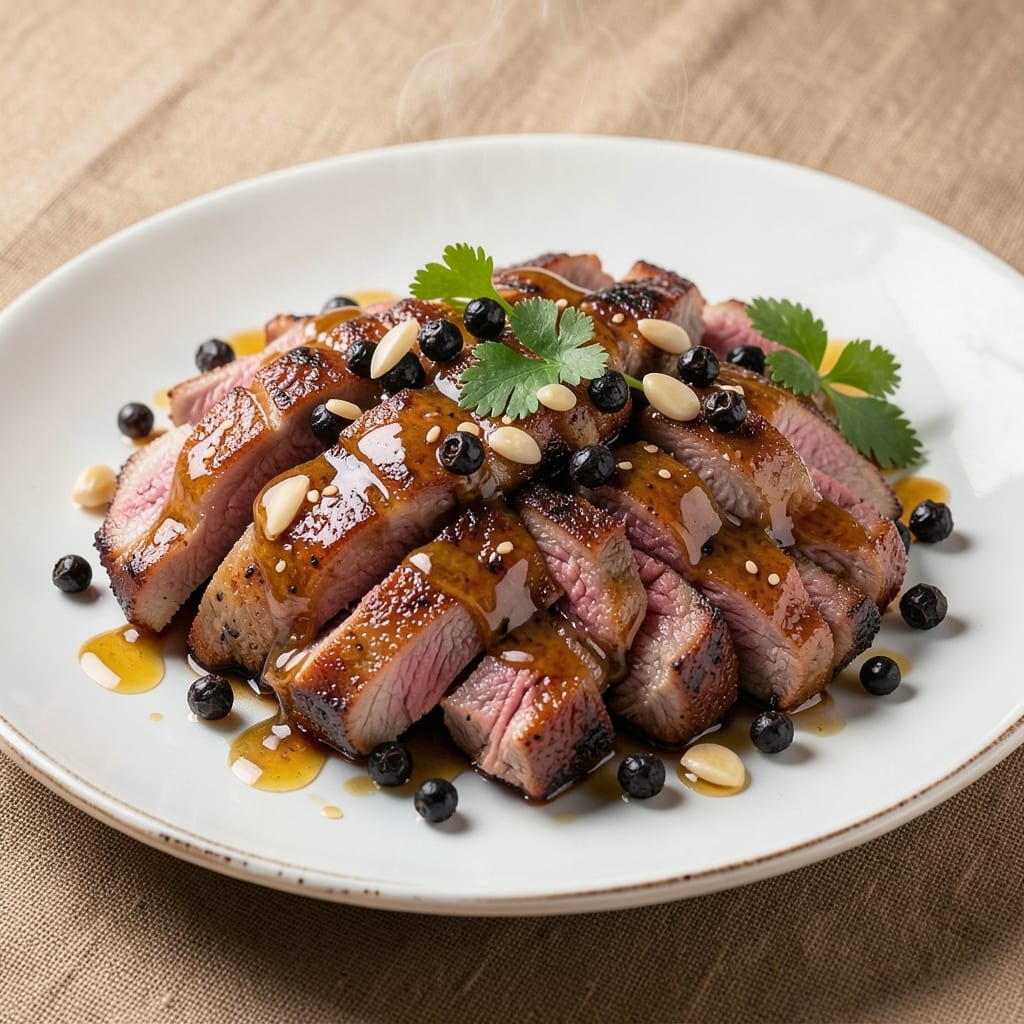
This black pepper pork stir fry delivers restaurant-quality results with silky tenderness and wok-hot spice in under 30 minutes. 🔥 I developed this recipe after years of perfecting pork stir-fry techniques at The Smoky Pig, where we process 2,000 pounds weekly—now you can recreate that same depth of flavor at home. The secret lies in marinating the pork just long enough to tenderize without overpowering its natural taste, then searing it in a screaming-hot wok until it develops that signature crust.
The magic happens in the balance of black pepper and soy—enough to pack serious heat and umami, but not so much that it masks the pork's inherent richness. I use a high-heat stir-fry technique that transforms tougher cuts into melt-in-your-mouth pieces, while the vegetables stay crisp-tender. This isn't just another stir-fry; it's a complete dish that stands on its own with its aromatic sauce and perfect texture contrast.
By the time you're done, you'll have perfectly seared pork strips with a glossy sheen from the sauce, surrounded by vibrant vegetables that pop against the dark, peppery glaze. The aroma alone will have everyone gathering around the table—this is the kind of dish that elevates weeknight dinners to restaurant-worthy status without requiring fancy ingredients or techniques.
Serve over steamed jasmine rice to soak up every last bit of that peppery, savory sauce, or pair with egg noodles for a heartier meal. The leftovers reheat beautifully, making this an excellent solution for busy weeknights when you still want flavor that impresses. Let's get cooking—this stir-fry is about to become your new weeknight staple.
Ingredients for black pepper pork stir fry
Restaurant-quality stir-fry starts with these bold, aromatic ingredients—pork so tender it melts, spices that pack heat, and veggies that stay crisp.
| Ingredient | Amount | Notes |
|---|---|---|
| Boneless Pork Loin 🥩 | 1 ½ lb | Cut into 1/2-inch strips |
| Black Peppercorns 🌶️ | 2 tbsp | Freshly cracked for intensity |
| Soy Sauce 🥄 | ½ cup | High-quality, low-sodium preferred |
| Sesame Oil 🫒 | 1 tbsp | Toasted for aroma |
| Honey 🍯 | 1 tbsp | Wildflower for depth |
| Garlic Cloves 🧄 | 6 cloves | Minced, fresh preferred |
| Ginger Root 🌿 | 1 tbsp | Freshly grated, peeled |
| Vegetable Oil 🫒 | ½ cup | High smoke point |
| Red Bell Pepper 🌶️ | 1 whole | Sliced into strips |
| Broccoli Florets 🥦 | 2 cups | Cut into bite-sized pieces |
| Green Onions 🧅 | 3 whole | Sliced diagonally |
| Cornstarch 🌾 | 1 tbsp | For velveting pork |
| Jasmine Rice 🍚 | 1 ½ cups | Uncooked, for serving |
| Salt 🧂 | 1 tsp | Kosher or sea salt |
| White Pepper 🌶️ | ½ tsp | For finishing |
The pork is everything here. Pork loin stays juicy and tender when cut thin, but don't rush the prep—strip it evenly so it cooks fast and even. Costco or local butchers often sell it pre-cut for stir-fry, but if you're buying a whole loin, slice against the grain. Freshly cracked black pepper is non-negotiable—pre-ground loses its punch fast. I grab mine from Penzeys or the bulk bins at Whole Foods—anything labeled 'whole' or 'cracked' is better. For the sauce, Kikkoman soy sauce is my go-to, but any high-quality brand works. The honey should be wildflower or clover—avoid that cheap grocery store stuff that tastes like corn syrup.
No sesame oil? Toasted peanut oil works in a pinch, though it won't have that nutty aroma. Short on ginger? Substitute 1 tsp of ground ginger, but fresh is better—it brightens the whole dish. The cornstarch is key for that silky texture; don't skip it. For the veggies, broccoli florets should be cut into even pieces so they cook at the same rate as the pork. Red bell peppers add sweetness to balance the peppery heat. If you're feeling fancy, shishito peppers would be amazing here too. The green onions? Save half for garnish—it adds a fresh pop at the end.
This dish is all about timing—everything should hit the wok at once for that signature stir-fry texture. The rice? Jasmine rice is ideal, but any long-grain works. Store leftovers in airtight containers for 3-4 days—reheat gently in a skillet with a splash of water to keep things moist. Freezes beautifully for up to 3 months, though the texture changes slightly. I always double the sauce recipe because it's perfect over noodles or eggs the next day. The pork strips reheat best when separated—no big clumps, or they'll get rubbery.
Why You'll Love This Recipe
- One-Pan Magic: I swear by this recipe when I’m too tired to wash dishes. Toss the pork loin in soy sauce and black peppercorns, sear it in the same pan, then finish with a drizzle of honey and sesame oil—no extra pots, no stress.
- Sweet-Spicy Crunch: That balance of cracked black peppercorns and honey? It’s like a flavor explosion in your mouth. The pork stays juicy, the edges get a little caramelized, and the sesame oil adds this nutty warmth that makes every bite worth it.
- Lunchbox Hero: Between us, this is my go-to for meal prep. Cook a big batch on Sunday, and by Wednesday, I’m still pulling out containers with zero complaints. It reheats like a dream and tastes just as good cold in wraps or over rice.
- Budget Night Saved: Pork loin stretches further than you’d think when sliced thin, and the rest of the ingredients? Pantry staples. Honestly, I’ve made this for under $10 for four people—and my picky roommate still asks for seconds.
Step-by-step instructions for black pepper pork stir fry
Here's the method for restaurant-quality stir fry with perfectly tender pork and bold spice.
🍳 Step 1: Velvet the Pork for Silky Tenderness
In a medium bowl, combine the 1.5 lb boneless pork loin cut into ½-inch strips, 1 tbsp cornstarch, 1 tsp salt, and ½ tsp white pepper. Toss until each piece is fully coated in the cornstarch mixture—this creates a protective barrier that keeps the pork juicy. Let it marinate for 15 minutes at room temperature while you prep your vegetables.
Here's the thing—velveting isn't just about cornstarch. The pork needs to sit for at least 10 minutes to absorb the starch properly. If you skip this, your pork will turn out tough instead of tender. I like to use my hands for this step to ensure even coating, especially on the thicker strips.
🔥 Step 2: Sear the Pork in Stages
Heat ¼ cup vegetable oil in a 14-inch wok or skillet over high heat until shimmering. Working in batches (don't overcrowd!), add the pork and sear for 1-2 minutes per side until golden brown and cooked to 160°F internally. Remove and set aside, keeping warm.
This is where the magic happens: high heat creates that beautiful wok hei (breath of the wok) while the cornstarch crust forms a protective seal. I press down gently on the pork during the first minute—this prevents it from curling and ensures even contact with the pan. If your pan isn't hot enough, the pork will steam instead of sear, making it bland and chewy.
🍳 Step 3: Build the Spicy-Sweet Sauce
In the same wok, add the remaining ¼ cup vegetable oil and swirl to coat. Add the 6 minced garlic cloves and 1 tbsp freshly grated ginger root, cooking for 30 seconds until fragrant. Pour in the ½ cup soy sauce and 1 tbsp honey, stirring constantly for 1 minute until the sauce slightly thickens.
Here's where it gets fun—toss in the 2 tbsp freshly cracked black peppercorns and let them sizzle for 20 seconds. The peppercorns will pop and release their aroma, giving your stir fry that signature spicy depth. Don't walk away. Garlic burns in seconds, and you want those aromatic oils to infuse the sauce, not turn bitter.
🥘 Step 4: Stir-Fry Vegetables and Combine
Add the 1 sliced red bell pepper and 2 cups broccoli florets, stir-frying for 3-4 minutes until the broccoli turns bright green and the pepper softens slightly. Return the pork to the wok along with any accumulated juices, tossing everything together for 1-2 minutes until well-coated.
This is the moment that matters: the sauce should cling to every piece of pork and vegetable. If it looks too thick, add 1-2 tablespoons hot water to loosen it. The vegetables should be crisp-tender—not mushy. Real talk: your broccoli should still have a slight bite when you're done. Overcooking turns stir fry into mushy vegetables with tough pork.
🔪 Step 5: Finish with Aromatics and Serve
Drizzle with 1 tbsp toasted sesame oil and toss gently to combine. Garnish with 3 sliced green onions and serve immediately over 1.5 cups cooked jasmine rice. The aroma should be intense—smoky from the wok, spicy from the peppercorns, and sweet from the honey-soy glaze.
Each bite should deliver perfectly tender pork with a crisp exterior, vibrant vegetables, and that perfect balance of spicy, sweet, and umami flavors. Don't skip the sesame oil—it adds that final aromatic punch that takes the dish from good to restaurant-quality. Serve with extra green onions on the side for garnish and a squeeze of lime if you like.
Pro Tips For Making Black Pepper Pork Stir Fry
- Slice Thin, Slice Even: I learned this the hard way—thick slices of pork loin turn tough and chewy in stir-fries. Use a sharp knife and slice against the grain into ¼-inch strips, no thicker. If your knife isn’t up to it, freeze the pork for 20 minutes first—it tightens the fibers and makes slicing cleaner.
- Toast the Peppercorns: Crushing whole peppercorns raw just releases bitterness. Dry-toast them in a small pan over medium heat for 30 seconds until fragrant—it deepens their aroma and mellows the heat. Then grind them fresh; pre-ground pepper loses punch fast.
- Salt the Pork Early: Skip the "taste as you go" approach. Toss the sliced pork with 1 teaspoon of soy sauce and ½ teaspoon salt right after slicing, then let it sit for 10 minutes. This tenderizes the meat and lets the flavors marry before hitting the pan.
- Finish with Sesame Oil Last: Add the sesame oil after the pork is cooked and off the heat—it burns fast and turns bitter if you wait. A quick toss with the honey and remaining soy sauce coats everything evenly. (Yes, even if you’re impatient like me.)
Troubleshooting perfect results
Pork Too Tough?
If your pork turns out chewy instead of tender, you likely skipped the velveting step or didn't marinate long enough. The cornstarch coating needs 10-15 minutes to work its magic—don't rush it. I've seen home cooks skip this entirely and end up with rubbery pork. Also, overcrowding the pan causes steaming instead of searing. Cook in small batches over high heat to maintain that crisp crust. 💡
Sauce Too Thin?
A watery sauce usually means you didn't reduce it enough during cooking. After adding the soy sauce and honey, let it simmer for 1-2 extra minutes to thicken naturally. If it's still too thin, mix 1 tsp cornstarch with 1 tbsp water, then stir it into the sauce. For next time, try reducing the sauce by half before adding vegetables—this gives you more control over thickness. The sauce should coat the back of a spoon but still be pourable. 🥄
Vegetables Overcooked?
Broccoli turning mushy? You're probably cooking it too long. Vegetables should only spend 3-4 minutes in the wok after the pork returns. If your pan isn't hot enough, the vegetables will steam instead of stir-fry. Keep your wok at maximum heat (I use 400°F+) and work quickly. For extra insurance, add the hardest vegetables (like bell peppers) first, then the softer ones (like broccoli) last. 🥦
Black Pepper Flavor Missing?
Pre-ground pepper just won't cut it—you need freshly cracked black peppercorns for that bold, aromatic punch. If you're using store-bought ground pepper, it's lost 80% of its potency within weeks. I always buy whole peppercorns from Penzeys and crack them fresh using a mortar and pestle or peppercorn grinder. For extra depth, toast the peppercorns in a dry pan for 30 seconds before adding them to the sauce. 🌶️
Pork Sticking Together?
Clumpy pork usually means you didn't separate the strips properly before cooking. After velveting, pat the pork dry with paper towels—this helps the cornstarch crust form better. When searing, don't press down too hard with your spatula, or the pieces will stick together. I like to use a wide-angle spatula to gently lift and separate the pork as it cooks. If it starts sticking, add ½ tsp more cornstarch to the pan and toss everything together. 🥩
Sauce Too Salty?
Accidental over-salting happens when using low-sodium soy sauce. If your dish tastes too salty, balance it with sweetness—add 1 extra tbsp honey or 1 tsp sugar to the sauce. For a tangy contrast, stir in 1 tbsp rice vinegar or squeeze of lime juice. If you're using regular soy sauce, reduce the amount by ¼ cup next time—it's much saltier than low-sodium versions. 🧂
Nutrition facts
Frequently asked questions
Can I use pork shoulder instead of pork loin?
Yes, but you'll need to adjust the cooking time. Pork shoulder is more flavorful and stays tender when cut thin (¼-inch strips) and cooked quickly over high heat. It has more fat, so you might want to trim some off first. Cook it for 2-3 minutes per side until it reaches 160°F internally. The fat renders beautifully during stir-frying, adding richness to the dish.
How do I make this dish spicier?
For extra heat, add ½ tsp red pepper flakes to the sauce or 1 tbsp sriracha when tossing everything together. You can also toast 1 tsp cayenne pepper with the garlic and ginger for a smoky kick. If you love black pepper, try doubling the amount to 4 tbsp freshly cracked peppercorns—just remember it'll be noticeably spicier!
What's the best way to reheat leftovers?
Reheat gently in a skillet over medium heat with 1 tbsp water or broth to prevent drying. Stir frequently and cook for 3-4 minutes until warmed through. For extra flavor, add a splash of soy sauce or a drizzle of sesame oil. Leftovers keep well in airtight containers for 3-4 days or freeze for up to 3 months.
Can I make this gluten-free?
Replace the soy sauce with ½ cup gluten-free tamari or coconut aminos. For extra umami, add 1 tbsp gluten-free fish sauce or ½ tsp gluten-free oyster sauce. Keep all other ingredients the same—the dish will still be packed with flavor. Just be sure to check all labels, as some sesame oils may be processed in gluten facilities.
What other vegetables pair well with this?
This stir fry works beautifully with snap peas, mushrooms, carrots, or water chestnuts for added texture. For something different, try bok choy or baby corn. Just