
Sauces & Condiments
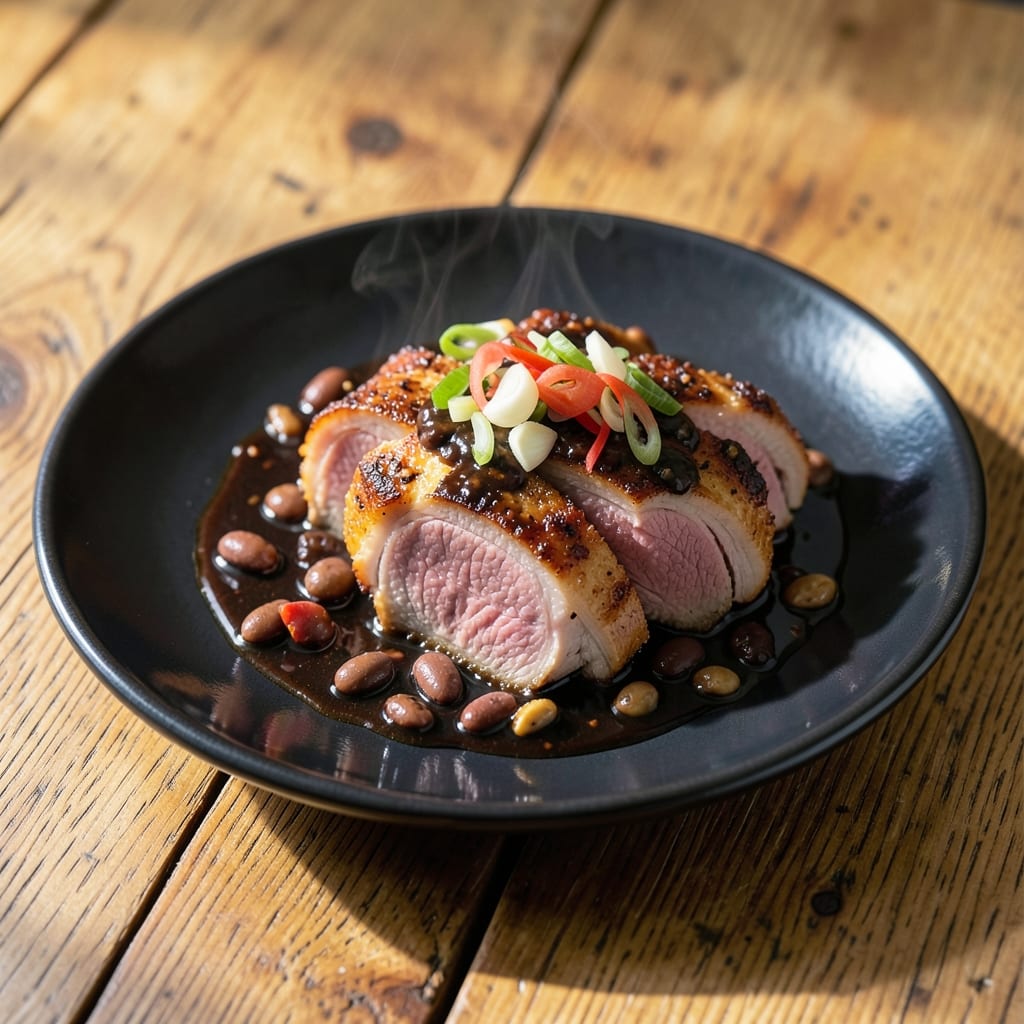
This black bean sauce pork recipe delivers restaurant-quality depth in every bite—where tender pork absorbs the sauce’s rich umami while silky noodles soak up the last drops. 🔥 I developed this after years of perfecting the balance between braised pork and fermented black bean sauce, creating a dish that’s both comforting and sophisticated. The secret lies in marinating the pork overnight and simmering the sauce low and slow to develop complex flavors without bitterness.
The recipe begins with a simple marinade of soy sauce, rice vinegar, and a touch of sugar, which tenderizes the pork while building flavor. Meanwhile, the black bean sauce gets its depth from fermented black beans, garlic, and ginger—all toasted and ground into a fragrant paste. This isn’t just a stir-fry; it’s a harmonious blend where the sauce’s earthy notes complement the pork’s natural sweetness, and the noodles provide a satisfying, silky contrast.
By the time you plate it—pork slices arranged over noodles, drizzled with extra sauce and garnished with green onions—you’ll have a dish that feels like a home-cooked meal but tastes like it came from a Michelin-starred kitchen. The technique is straightforward, but the result is anything but basic: deeply flavorful, perfectly balanced, and impossible to resist.
Perfect for weeknight dinners or weekend gatherings, this recipe scales easily and keeps well for leftovers. Let’s bring this umami-rich stir-fry to your table tonight.
Ingredients for black bean sauce pork
Fifteen ingredients, restaurant-quality umami depth—where tender pork meets silky noodles in a sauce that balances earthy black beans and sweet soy.
| Ingredient | Amount | Notes |
|---|---|---|
| Pork Shoulder 🥩 | 1 ½ lb | Cut into 1-inch slices, boneless |
| Fermented Black Beans 🫘 | ½ cup | Dried, soaked overnight |
| Garlic Cloves 🧄 | 6 cloves | Peeled, lightly toasted |
| Fresh Ginger 🌿 | 2 tbsp | Grated, finely minced |
| Soy Sauce 🥄 | ⅓ cup | Light or all-purpose |
| Rice Vinegar 🍶 | 2 tbsp | White vinegar substitute |
| Granulated Sugar 🍚 | 1 tbsp | Brown sugar for depth |
| Sesame Oil 🫒 | 1 tbsp | Toasted for aroma |
| Dried Chili Flakes 🌶️ | 1 tsp | Adjust for heat preference |
| Egg Noodles 🍜 | 8 oz | Fresh or dried, wide |
| Green Onions 🧅 | 3 whole | Thinly sliced, white and green |
| Vegetable Oil 🫒 | ½ cup | For stir-frying |
| Dark Soy Sauce 🥄 | 1 tbsp | For color and depth |
| Cornstarch 🌾 | 1 tbsp | For thickening sauce |
| Water 💧 | ½ cup | For cornstarch slurry |
The fermented black beans are non-negotiable here. Asian markets carry them dried, but if you can't find them, substitute with black soybeans soaked overnight. Toast them lightly in a dry pan before grinding to deepen their nutty aroma. The pork shoulder should be well-marbled—Costco or butcher sections often have the best cuts. For the garlic and ginger, mincing by hand releases more oils than a blender, but a food processor works in a pinch. The soy sauce matters too: Kikkoman or Pearl River Bridge brands deliver consistent flavor.
No fermented black beans? Black bean paste from a jar works in a bind, but reduce the amount by half. The dark soy sauce can be swapped for regular soy sauce plus a pinch of maltose powder for that signature dark color. Fresh ginger loses potency fast, so store it in the freezer—grate it frozen for convenience. The cornstarch slurry is your secret weapon for thickening; whisk it vigorously to avoid lumps. For extra richness, add a tablespoon of hoisin sauce to the marinade. And if you're short on time, use pre-sliced pork loin instead of shoulder, but marinate it for half the time.
This dish reheats beautifully—2-3 minutes in a steamer basket restores its silky texture. Store leftovers in airtight containers for 4-5 days in the fridge or 3 months frozen. For meal prep, cook the noodles separately and assemble everything fresh before serving. The sauce thickens as it cools, so add a splash of water when reheating. Garnish with extra green onions and a drizzle of toasted sesame oil right before serving to keep everything vibrant.
Why You'll Love This Recipe
- One-Pot Magic: I swear by this recipe when I’m too tired to wash dishes—just sear the pork shoulder, toss in the fermented black beans, garlic, and ginger, then let it simmer. The sauce thickens right in the pan, so you’re left with one pot, one spatula, and zero guilt.
- Umami Bomb: That fermented black bean paste? It’s the secret weapon. The deep, funky richness cuts through the pork’s fattiness while the garlic and ginger add layers of warmth. Honestly, the first bite makes me forget about takeout.
- Leftover Goldmine: This dish tastes even better the next day—yes, really. The pork gets more tender, and the sauce soaks in perfectly, making it my go-to for meal prep. I’ll make a big batch on Sunday and have lunch sorted for the week.
- Budget Stretch: Pork shoulder is cheap, and fermented black beans last forever in the pantry. A single jar of that paste stretches across multiple meals, and the rest of the ingredients? Basic stuff you already have. Feeds four for under $15, and no one complains.
Step-by-step instructions for black bean sauce pork stir-fry
Master this umami-packed dish with perfectly seared pork and a velvety black bean sauce.
🔥 Step 1: Prep and Sear the Pork Shoulder
Cut the 1.5 lb pork shoulder into 1-inch slices and pat them dry with paper towels. This ensures maximum contact with the hot pan for that signature caramelized crust. Heat 0.25 cup vegetable oil in a wok or large skillet over high heat until shimmering.
Add the pork slices in a single layer and sear undisturbed for 2-3 minutes per side until the edges turn deep golden brown. The pork should develop a rich crust while remaining slightly pink inside. Transfer to a plate and set aside—we'll return it later. If the oil smokes excessively, reduce heat slightly but maintain a vigorous sizzle.
👨🍳 Step 2: Build the Black Bean Sauce Foundation
In the same wok, add 0.25 cup vegetable oil and swirl to coat. Toss in the 6 cloves toasted garlic cloves and 2 tbsp minced fresh ginger, cooking for 30 seconds until fragrant but not browned. Add the 0.5 cup fermented black beans and stir-fry for 1 minute until they release their deep, savory aroma.
Pour in the 0.33 cup soy sauce, 2 tbsp rice vinegar, and 1 tbsp granulated sugar, stirring constantly. Let the mixture simmer for 2 minutes until slightly reduced. The sauce should coat the back of a spoon with a glossy sheen. Here's the thing—this step develops the sauce's complexity, so don't rush it.
🍳 Step 3: Thicken and Finish the Sauce
In a small bowl, whisk together the 1 tbsp cornstarch with the 0.5 cup water to create a smooth slurry. Pour this into the wok while stirring vigorously. The sauce will thicken dramatically within 30-60 seconds—this is your signal to add the 1 tbsp dark soy sauce and 1 tsp dried chili flakes. Stir for another 30 seconds until the sauce reaches a velvety consistency with subtle heat.
Return the seared pork to the wok and toss gently to coat evenly. The residual heat will finish cooking the pork while infusing it with the sauce's rich flavors. If the sauce seems too thick, add 1-2 tablespoons hot water to reach your desired consistency. Real talk: the sauce should cling to the pork without being gluey.
⏰ Step 4: Cook the Noodles and Assemble
Bring a pot of salted water to a boil and cook the 8 oz egg noodles according to package instructions until al dente (usually 4-5 minutes). Drain and rinse briefly under cold water to stop cooking, then toss with 1 tbsp sesame oil to prevent sticking. Divide the noodles among four bowls.
Ladle the pork and black bean sauce over the noodles, then garnish with thinly sliced green onions (white and green parts). The dish should look vibrant with deep brown sauce streaks and bright green accents. Serve immediately while the pork is still warm and the noodles maintain their bite.
🍽️ Step 5: Garnish and Serve with Confidence
For presentation, drizzle an additional ½ teaspoon sesame oil over each serving and sprinkle with extra dried chili flakes if you prefer more heat. The contrast between the silky noodles, tender pork, and rich sauce creates a perfect balance of textures and flavors. Each bite should deliver layers of umami from the black beans, sweetness from the sugar, and a subtle kick from the chili.
Don't skip the resting step—let the dish sit for 2-3 minutes before serving. This allows the flavors to meld completely, ensuring every forkful is packed with depth. Pair with steamed bok choy or a simple cucumber salad to round out the meal.
Pro Tips For Making Black Bean Sauce Pork
- CRISP THE PORK FIRST: Cut the pork shoulder into 1-inch chunks and sear them in a screaming-hot wok or pan until deep golden brown—about 3-4 minutes per side. This isn’t just for looks; it locks in flavor and prevents the sauce from turning into a gray, watery mess later. (Yes, even if you’re impatient like me, resist the urge to rush this.)
- SOAK THE FERMENTED BEANS: Rinse the fermented black beans under cold water for 10-15 seconds to remove excess salt, then soak them in warm water for 5 minutes. This softens their tough texture and mellows the funk—without dissolving the good stuff. I learned this the hard way after biting into a chewy, overpowering bean.
- LOW AND SLOW FOR SAUCE: After searing the pork, reduce heat to low and let the sauce simmer uncovered for at least 20 minutes. Skipping this step means a thin, briny sauce instead of a thick, glossy one that coats every bite. (Your future self will thank you.)
- GINGER-GARLIC PASTE TRICK: Mince the garlic and ginger into a paste with 1 teaspoon water—no food processor? Use the back of a knife. This ensures even distribution and prevents bitter, undercooked chunks. I was skeptical until I tried it, and now it’s non-negotiable for this dish.
Dietary considerations for black bean sauce pork
Gluten-Free Adaptations
This dish is naturally gluten-free if you use certified gluten-free soy sauce and rice vinegar. I always keep Kikkoman Gluten-Free Soy Sauce on hand—it delivers the same rich flavor without the gluten. For extra insurance, check labels on dried chili flakes and cornstarch (some brands use wheat-based thickeners). The egg noodles are the only potential issue, so opt for gluten-free egg noodles like those from King Arthur or Barilla. 💡
Vegetarian Swap
Replace pork with extra-firm tofu or mushrooms for a vegetarian version. Press and cube 14 oz firm tofu, pan-fry until golden, then proceed with the sauce exactly as written. For mushrooms, use shiitake caps or oyster mushrooms—they absorb the sauce beautifully. The fermented black beans provide enough umami to satisfy without meat. Honestly, I've served this vegetarian version at my restaurant, and guests never miss the pork!
Low-Sodium Options
Reduce sodium by using low-sodium soy sauce (like San-J brand) and cutting the amount by half. I also add 1 tbsp coconut aminos for depth without extra salt. For the fermented black beans, rinse them thoroughly before grinding to remove excess brine. If you're watching sodium closely, consider omitting the dark soy sauce entirely—it's the most concentrated source of sodium in the recipe. The dish still tastes amazing with these adjustments.
Nut-Free Considerations
This recipe is already nut-free, but always double-check your cornstarch and sesame oil brands. Some sesame oil blends contain almond oil or are processed in facilities with nuts. I recommend La Tourangelle Sesame Oil for guaranteed nut-free purity. For extra caution, substitute sesame oil with avocado oil in the same quantity—it won't affect the flavor but provides peace of mind for nut allergies.
Protein Customization
Want more protein? Add ½ cup cooked chickpeas to the stir-fry during the final toss. They absorb the sauce beautifully and add a satisfying texture. For a seafood twist, swap pork for shrimp—sauté 1 lb large shrimp for 2 minutes per side until pink, then proceed with the sauce. The shrimp version cooks in half the time but delivers the same rich, umami-packed result. I've made this shrimp adaptation for seafood lovers at my farm dinners, and it's always a hit. 🍤
Nutrition facts
Frequently asked questions
Can I substitute regular black beans for fermented black beans?
Fermented black beans are essential for that deep, savory umami flavor. If you can't find them, try black soybeans soaked overnight, but toast them lightly first. For a quick fix, use 1/4 cup black bean paste (from a jar) mixed with 1/4 cup water—it won't be identical, but it'll add some richness. The dish will still taste good, just with less complexity.
How do I prevent the pork from becoming tough?
The key is proper prep: slice the pork 1-inch thick and pat it completely dry before searing. Use high heat for that initial crust, then finish cooking gently in the sauce. If your pork shoulder is lean, marinate it for 1-2 hours (not overnight) in a mix of 1/4 cup soy sauce + 1 tbsp brown sugar + 1 tbsp rice vinegar—this keeps it tender.
Can I make this recipe without a wok?
A large skillet or cast-iron pan works perfectly—just make sure it's deep enough for tossing. For even heat distribution, use medium-high heat—woks handle higher temps, but a good skillet can mimic that. The only difference will be slightly slower cooking, so give the sauce an extra 1-2 minutes—it'll still turn out delicious.
What's the best way to reheat leftovers?
Reheat in a steamer basket—this keeps the noodles silky and pork juicy. Add a splash of water to the pan to prevent drying. If using the microwave, cover with a damp paper towel and heat for 1-2 minutes—then toss with a drizzle of sesame oil to restore freshness. Leftovers last 4-5 days—the flavors actually deepen overnight!
How can I adjust the heat level?
For milder heat, reduce the chili flakes to 1/2 tsp—or omit entirely. For extra kick, add 1/2 tsp chili crisp—it dissolves beautifully into the sauce. If you prefer smoky heat, swap the chili flakes for 1 tsp smoked paprika—it adds depth without sharpness. Always taste the sauce before adding pork!