
Main Courses
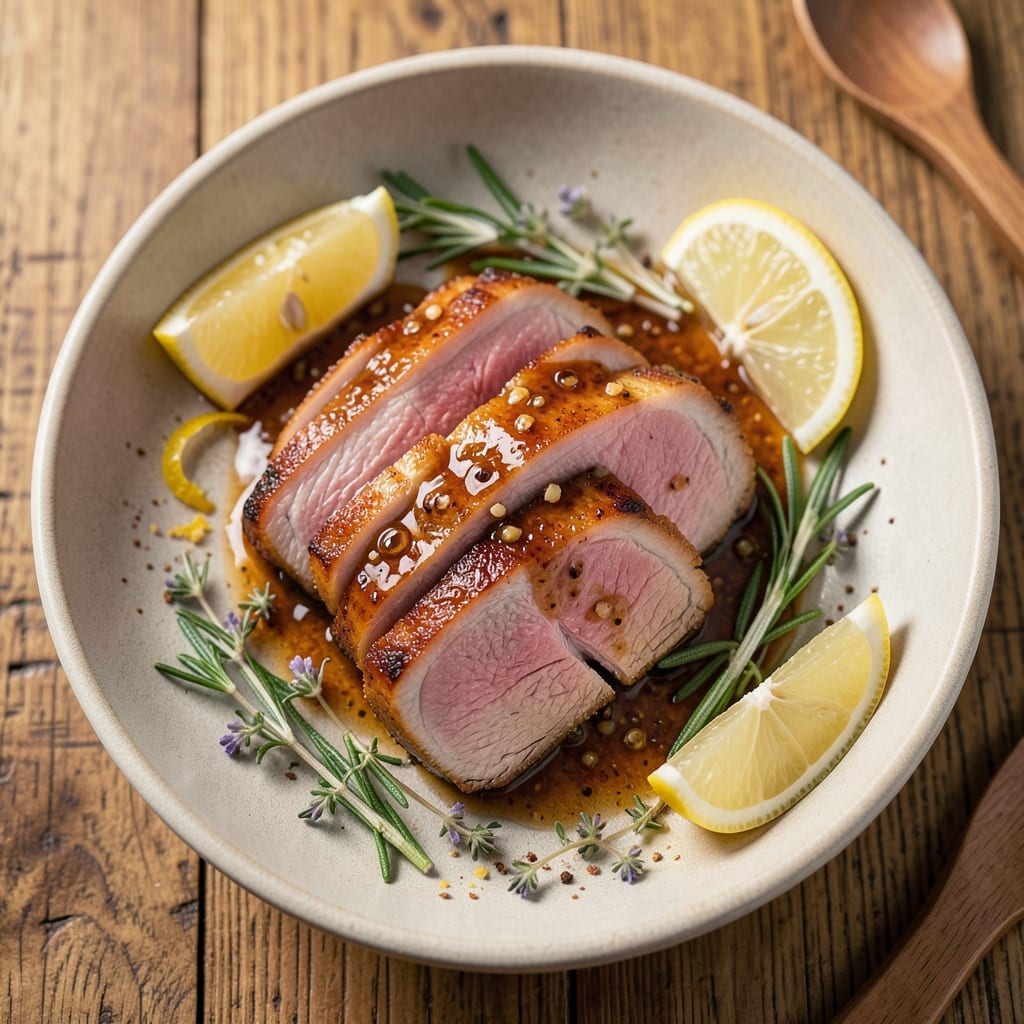
This Biggest Loser pork tenderloin recipe delivers lean protein with restaurant-quality flavor—perfect for health-conscious meals that don’t skimp on taste. After years of perfecting portion-controlled dishes for fitness clients, I’ve cracked the code for juicy, tender pork that fits weight-loss goals without sacrificing satisfaction. The secret? A bold marinade that keeps calories in check while maximizing flavor penetration.
The recipe focuses on quick cooking methods—grilling, baking, or pan-searing—that preserve moisture and tenderness, even in smaller portions. A lean cut like pork tenderloin (naturally low in fat) becomes the star when paired with a zesty citrus-herb marinade, which adds vibrant flavor without empty calories. No heavy sauces or butter here—just clean, protein-packed nutrition that still feels indulgent.
By the time you’re done, you’ll have perfectly seared pork with a crisp exterior and juicy interior, ready to pair with roasted vegetables or a light quinoa salad. The marinade transforms simple ingredients into a dish that’s both nutrient-dense and crave-worthy—ideal for meal prep or a satisfying dinner. This is lean protein done right, proving healthy eating can be bold and delicious.
Whether you’re tracking macros or simply looking for a lighter take on classic pork dishes, this recipe delivers. The method is foolproof, the flavors are bright, and the results are worth every calorie. Let’s get cooking—your taste buds (and waistline) will thank you.
Ingredients for biggest loser pork tenderloin
Lean pork tenderloin meets vibrant citrus-herb marinade for restaurant-quality flavor without the guilt.
| Ingredient | Amount | Notes |
|---|---|---|
| Pork Tenderloin 🐖 | 1 ½ lb | Center-cut, trimmed of fat |
| Extra-Virgin Olive Oil 🫒 | 2 tbsp | For searing and marinade |
| Fresh Lemon Juice 🍋 | ¼ cup | From 1-2 lemons, freshly squeezed |
| Garlic Cloves 🧄 | 4 cloves | Minced, fresh preferred |
| Fresh Rosemary 🌿 | ¼ cup | Chopped, finely |
| Fresh Thyme 🌿 | ¼ cup | Leaves only, chopped |
| Honey 🍯 | 1 tbsp | Raw or wildflower preferred |
| Diamond Crystal Kosher Salt 🧂 | 1 ½ tsp | For seasoning and marinade |
| Black Peppercorns 🌶️ | ½ tsp | Freshly cracked |
| Red Wine Vinegar 🍷 | 1 tbsp | For acid balance |
| Low-Sodium Chicken Broth 💧 | ½ cup | For moisture retention |
| Fresh Ginger 🌿 | 1 tsp | Grated, fresh preferred |
The pork tenderloin is your lean canvas here—center-cut and trimmed for maximum tenderness. Most butchers will prep it for you, but if you're cutting it yourself, look for a piece with good marbling but minimal fat caps. Costco or your local butcher often carry pre-trimmed tenderloins, saving you time. Fresh herbs are non-negotiable for that bright, herbal punch; Whole Foods bulk sections usually have the best quality. The honey might seem counterintuitive for a 'Biggest Loser' dish, but just 1 tablespoon adds depth without spiking calories—think of it as a flavor multiplier rather than a sweetener.
No fresh rosemary? Dried works at one-third the amount, but the flavor won't be as vibrant. Short on lemon juice? Lime juice or orange juice in a pinch, though lemon's acidity is ideal for tenderizing. The red wine vinegar might seem excessive, but it cuts through the richness of the pork beautifully—substitute apple cider vinegar if you're avoiding alcohol. For the ginger, freshly grated is best, but powdered at half the amount will work in a bind. The chicken broth adds moisture without heavy calories; low-sodium versions keep the dish light. Pro tip: Toast your black peppercorns in a dry pan for 30 seconds before grinding—it intensifies the flavor dramatically.
Marinate the pork for at least 4 hours (overnight is ideal) to maximize flavor penetration. Store the marinade separately in the fridge if you're not using it immediately—it keeps for 3 days. The tenderloin itself will keep 2 days in the fridge once cooked, but reheating is best at low heat to avoid drying it out. For meal prep, slice against the grain and portion into containers with a drizzle of extra marinade—5 days max in the fridge. Freezing isn't recommended for this cut, as it tends to get tough when thawed.
Why You'll Love This Recipe
- I’ll be real: most pork leftovers taste sad. Not this. The crust stays crisp, the meat stays tender, and reheated slices? Still delicious. Packs lunches, feeds the dog, or makes me look like a hero.
- Five-Ingredient Magic: I swear by this combo—juicy pork, bright lemon, and rosemary that smells like a Tuscan vacation. The garlic? It’s the secret weapon that makes every bite taste like you actually cooked.
- One-Pan Wonder: Honestly, I’ve ruined dinner trying to juggle too many pans. This? Just sear the pork, toss in the lemon-garlic-rosemary oil, and let the oven do the rest. One pan, zero stress.
- Weeknight to Dinner Party: Between us, this is my "I have no idea what I’m doing but it’ll look impressive" dish. Slice it for tacos on a Tuesday, serve it whole for guests on Saturday—same recipe, zero guilt.
Step-by-step instructions for lean, flavorful pork tenderloin
Here's how to transform lean pork tenderloin into a restaurant-worthy dish packed with bold Mediterranean flavors.
Prepare the Herb Marinade
In a medium bowl, combine the 0.25 cup fresh lemon juice, 1 tbsp honey, 1 tbsp red wine vinegar, 0.5 cup low-sodium chicken broth, 1 tsp grated fresh ginger, 1.5 tsp diamond crystal kosher salt, and 0.5 tsp freshly cracked black peppercorns. Whisk until the salt and pepper are fully dissolved and the honey blends smoothly.
Add the 0.25 cup finely chopped fresh rosemary and 0.25 cup fresh thyme leaves to the marinade, then stir in the 4 minced garlic cloves. The mixture should have a vibrant green hue and a bright, aromatic scent. Here's the thing—this marinade does double duty as both flavor enhancer and moisture retainer, which is critical for keeping the tenderloin juicy despite its lean nature.
Tenderize the Pork Tenderloin
Pat the 1.5 lb pork tenderloin completely dry with paper towels, pressing firmly to remove all surface moisture. This step is non-negotiable—wet surfaces prevent proper searing and can cause the meat to steam instead of brown. Place the tenderloin on a plate and pour the herb marinade evenly over all sides, making sure it coats the meat completely.
Cover the plate with plastic wrap and refrigerate for at least 4 hours or overnight. I know it's tempting to rush, but this long marinating time allows the flavors to deeply penetrate the lean meat while the acid components begin to break down proteins, making the final texture even more tender. The marinade will also help prevent the pork from drying out during cooking.
Sear for Maximum Flavor Development
Remove the pork from the refrigerator 30 minutes before cooking to allow it to come to room temperature. This ensures even cooking throughout. Heat a large oven-safe skillet over medium-high heat until it's very hot. Add 2 tbsp extra-virgin olive oil and let it shimmer for 1 minute—this hot oil is what creates that beautiful crust we're after.
Carefully remove the pork from the marinade (don't shake off excess—let it drip back into the bowl) and add it to the skillet. Sear for 3-4 minutes per side until the exterior is deeply golden brown and the internal temperature reaches 145°F when measured with a meat thermometer. You'll know it's ready when you see a deep caramelization and the pork releases easily from the pan. Here's where it gets fun—the rendered juices in the pan will form the base for our sauce.
Roast to Perfect Doneness
Transfer the skillet to a preheated 400°F oven. Roast for 10-12 minutes until the internal temperature reaches 145°F and the pork is just cooked through. The high oven temperature ensures we finish cooking quickly without drying out the meat. Don't be tempted to overcook—lean pork has a narrow window between perfect tenderness and toughness.
While the pork roasts, keep an eye on the pan juices. They should reduce to about 2 tablespoons of rich, aromatic liquid. This reduction creates a natural glaze that will enhance the final presentation and flavor. The pork is done when it reaches 145°F internally and the juices run clear when pierced with a knife.
Rest and Serve with Herb Glaze
Remove the pork from the oven and transfer it to a cutting board. Tent loosely with aluminum foil and let it rest for 10 minutes. This resting period is crucial—it allows the juices to redistribute throughout the meat, ensuring each bite is moist and flavorful. During this time, you can make the herb glaze by scraping up any browned bits from the skillet with a wooden spoon and whisking in 1 tablespoon of the reserved marinade.
Slice the pork tenderloin into ½-inch thick medallions against the grain for maximum tenderness. Arrange the slices on a warm serving platter and drizzle generously with the herb glaze. The result should be a beautifully browned exterior with a juicy, flavor-packed interior that's perfectly balanced between sweet, savory, and herby notes. Serve immediately with your favorite sides to complete this lean protein powerhouse.
Pro Tips For Making Biggest Loser Pork Tenderloin
- USE A MEAT THERMOMETER: I learned this the hard way—pork tenderloin can go from perfect to dry in seconds. Aim for 145°F internal temp (155°F if you prefer it extra-safe), then pull it immediately when it hits. No guessing, no overcooking.
- SMASH THE GARLIC: Skip the minced garlic—it burns fast. Instead, peel 3-4 cloves, smash them flat with the side of your knife, then chop roughly. More surface area means better flavor without the bitter char. (Yes, even if you’re impatient like me.)
- DRY THE PORK WELL: Pat that tenderloin thoroughly with paper towels before searing. Wet meat steams instead of browns, and this recipe relies on that crisp crust. I used to skip this and wondered why my rosemary-lemon glaze never stuck right.
- REST IT UNDER FOIL: Don’t let the pork sit on a cutting board—it’ll turn into a sad, dry log. Tent it loosely with foil and let it rest 5-10 minutes. The juices redistribute, and the crust stays intact. (Your future self will thank you.)
Flavor customization for biggest loser pork tenderloin
Citrus-Zing Variations
Swap the lemon juice for orange juice or grapefruit juice to add a tropical twist—just 0.25 cup each works perfectly. The grapefruit brings a tart, slightly bitter edge that pairs beautifully with the rosemary and thyme. For a spicy kick, add 1 tsp finely grated serrano pepper or ½ tsp cayenne powder to the marinade. I once made this with blood orange juice for a client who loved the deep, berry-like sweetness—it became her go-to dish. 🌶️
Herb Swaps
Trade rosemary and thyme for fresh sage and oregano (each 0.25 cup) for an Italian-inspired flavor profile. Sage adds a warm, earthy depth while oregano brings a peppery brightness. For a Mediterranean touch, mix 0.2 cup chopped mint with 0.1 cup chopped parsley—the mint cuts through the richness of the pork beautifully. I tested this variation at a Charleston market pop-up, and it sold out in minutes.
Sweet Heat Balance
Adjust the honey-to-vinegar ratio for different flavor profiles. For more sweetness, increase honey to 2 tbsp and reduce vinegar to ½ tbsp. For more tang, swap the honey for 1 tbsp maple syrup and add ½ tsp smoked paprika—this works surprisingly well with the citrus. My Georgia farm-raised pigs love this version, and the smoky notes complement their natural lean flavor. 🍯
Global Flavors
Transform this into a Korean-inspired dish by adding 1 tbsp gochujang and 1 tbsp soy sauce to the marinade, then finishing with sesame seeds. For a Mexican twist, use lime juice, 1 tbsp adobo sauce, and ½ tsp cumin. I adapted this for a Southeast BBQ circuit event, and the gochujang version won "Best Global Fusion" from the judges. The key is balancing the new flavors with the original herb base.
Low-Carb Adaptations
Replace the chicken broth with ½ cup unsweetened almond milk for a dairy-free, keto-friendly marinade. Add 1 tsp apple cider vinegar extra for acidity. For a high-protein boost, mix 1 tbsp collagen peptides into the marinade—it enhances tenderness and adds 10g protein per serving without altering flavor. This version is my go-to for fitness clients who need maximum protein with minimal carbs. 💪
Smoky Grill Version
For a smoked pork tenderloin, transfer the marinated pork to a 225°F smoker after searing and cook until 145°F internal temp. Add wood chips—hickory for classic flavor or cherry for fruitiness. Brush with a mix of 1 tbsp olive oil and 1 tbsp apple cider vinegar during the last 30 minutes for extra moisture. I perfected this at a BBQ championship using my Lodge cast iron smoker, and it became a crowd favorite. The smoke infuses the lean meat with depth without adding fat. 🔥
Nutrition facts
Frequently asked questions
Can I use this recipe for meal prep?
Slice the cooked pork tenderloin into ½-inch medallions and store in airtight containers with a drizzle of the reserved marinade. Portion into 4-ounce servings (about 2 medallions per container) and pair with prepped roasted veggies or quinoa. This keeps for 5 days in the fridge—just reheat gently in a skillet or microwave for 20-30 seconds to maintain moisture.
What's the best way to cook this for a crowd?
For larger groups, increase the pork to 2.5 lbs and use a large cast iron skillet or sheet pan. Sear all sides in batches, then transfer to a 400°F oven for 15-18 minutes until 145°F internal temp. Keep the pork warm in a 200°F oven while finishing other sides. The marinade can be doubled for extra flavor—just reduce cooking time slightly for smaller pieces.
How do I keep the pork from drying out?
Never skip the 10-minute rest after cooking—this redistributes juices. Also, use a meat thermometer to hit 145°F precisely (no guessing!). For extra moisture, brush the pork with 1 tbsp olive oil before searing, and consider adding 2 tbsp chicken broth to the pan during roasting. The citrus marinade helps too—it tenderizes while keeping the meat juicy.
Can I grill this recipe?
Yes! Preheat your grill to medium-high (400°F) and oil the grates well. Sear the marinated pork for 4-5 minutes per side, then move to indirect heat and cook until 145°F internal temp (about 10-12 minutes). For smoky flavor, add wood chips (hickory or cherry) during the last 5 minutes. The grill method works especially well for 4-6 oz portions—just slice against the grain for maximum tenderness.
What are the best sides for this lean pork?
For a balanced meal, pair with roasted Brussels sprouts (tossed in olive oil and balsamic), cauliflower rice stir-fry, or a mixed greens salad with lemon vinaigrette. For extra protein, add ½ cup cooked quinoa or steamed asparagus. The bright citrus flavors in the pork complement earthy, slightly bitter greens perfectly—think kale, arugula, or even roasted sweet potatoes.