
Main Courses
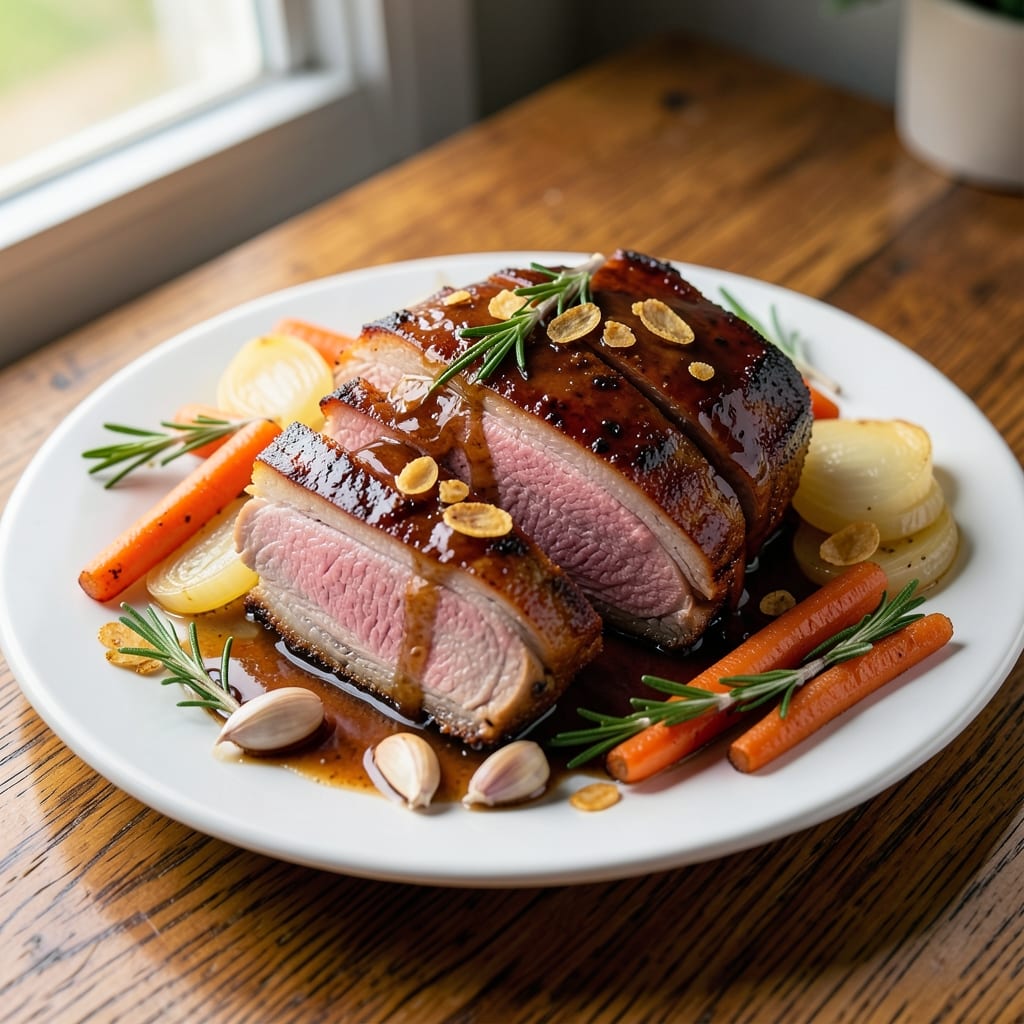
This best pork roast crockpot recipe transforms tough cuts into melt-in-your-mouth perfection with minimal effort. The secret lies in a 7-hour slow cook that breaks down collagen while infusing herbs and aromatics, creating a dish that’s both restaurant-quality and foolproof for weeknight dinners. No need to babysit the stove—just sear, season, and let the crockpot work its magic.
The key to tender pork lies in the herb-infused marinade and precise liquid ratio, ensuring the meat stays juicy and flavorful. A quick sear before slow cooking develops a caramelized crust, adding depth without drying the meat. This method guarantees a juicy, fall-apart texture that even picky eaters will love, all while keeping prep simple for busy schedules.
By the time you’re ready to serve, your pork roast will be tender enough to shred with a fork, infused with savory herbs, and ready to pair with classic sides like roasted potatoes or a rich gravy. The slow cooker does all the heavy lifting, so you can focus on enjoying the process—or the meal itself. Let’s get started on a dish that delivers on both flavor and convenience.
This recipe isn’t just about ease; it’s about transforming a simple cut of pork into a showstopper with minimal effort. The 7-hour cook time ensures maximum tenderness, while the herb blend adds layers of flavor that elevate every bite. Whether you’re feeding a family or meal prepping for the week, this method delivers consistent, delicious results without the fuss.
Ingredients for best pork roast crockpot
Seven simple ingredients transform tough pork into melt-in-your-mouth perfection.
| Ingredient | Amount | Notes |
|---|---|---|
| Pork Shoulder Roast 🥩 | 3 lb | Bone-in for best flavor |
| Yellow Onion 🧅 | 1 whole | Quartered, skin on for color |
| Carrots 🥕 | 4 whole | Baby carrots work too |
| Garlic Cloves 🧄 | 6 cloves | Smash slightly for flavor |
| Beef Broth 💧 | 2 cups | Low-sodium preferred |
| Fresh Rosemary 🌿 | ¼ cup | Chopped, stems removed |
| Fresh Thyme 🌿 | ¼ cup | Leaves only, stems discarded |
| Olive Oil 🫒 | 2 tbsp | For searing pork |
| Salt 🧂 | 1 ½ tbsp | Kosher or sea salt |
| Black Pepper 🌶️ | 1 tbsp | Freshly ground |
| Apple Cider Vinegar 🍎 | 1 tbsp | For brightness |
| Brown Sugar 🍯 | 2 tbsp | Enhances caramelization |
The pork shoulder is the star—look for well-marbled cuts at Costco or your butcher counter. Bone-in roasts stay juicier than boneless, and the meat stays tender longer. If you're buying pre-cut, check the fat cap—at least 1/4-inch thick ensures flavor and moisture. Fresh herbs are ideal, but dried rosemary and thyme at one-third the amount work in a pinch. The beef broth? Low-sodium versions like Kirkland Signature or Swanson keep the dish from tasting salty later. Skip the pre-made herb blends—they're often salt-heavy and lack freshness.
No fresh rosemary? Dried works fine—just use a third as much. Substituting apple cider vinegar? White vinegar or lemon juice gives similar brightness. Out of brown sugar? Honey or maple syrup adds moisture and depth. The carrots can be baby carrots or chopped regular ones—just make sure they're roughly the same size so they cook evenly. The beef broth is non-negotiable for flavor, but vegetable broth works too if you're avoiding meat-based liquids. For extra richness, add a splash of heavy cream at the end—just don't add it to the crockpot.
This dish tastes even better the next day—perfect for meal prep. Store leftovers in airtight containers for up to 5 days or freeze for 3 months. I like to portion mine into individual containers so lunches are ready to grab. The pork shreds easily when cool, so let it rest 10 minutes before serving. For reheating, add a splash of broth or water to keep it moist—microwaving works, but the oven at 350°F for 15 minutes keeps it juicier. The herbs keep their aroma best when stored properly, so wrap them in damp paper towels and refrigerate.
Why You'll Love This Recipe
- Rich, Deep Flavor: That beef broth and garlic? They seep into the meat until every bite has a savory punch. The onions caramelize just enough to add sweetness, and the carrots stay tender-crisp—like a cozy hug in a bowl.
- Leftovers for Days: This recipe practically begs for seconds, and the leftovers? Even better the next day. I’ll slice the pork thin for sandwiches or shred it into tacos—my kids fight over the scraps, and I don’t even mind.
- Budget Meal Magic: Pork shoulder is cheap, and a single roast feeds my family of four for three meals. No fancy cuts, no wasted ingredients—just pure, satisfying food that doesn’t break the bank. Honestly, it’s my go-to for stretching groceries without sacrificing taste.
Step-by-step instructions for herb-infused pork roast
Here's how to transform a simple pork shoulder into melt-in-your-mouth perfection using your crockpot.
Sear the Pork Shoulder for Maximum Flavor
Pat the 3 lb pork shoulder roast completely dry with paper towels—this step is non-negotiable for crispy skin. Heat a large skillet over medium-high heat and add 2 tbsp olive oil. Once hot, add the pork and sear on all sides for 5-6 minutes total, turning occasionally. You'll know it's ready when the exterior develops a deep golden-brown crust and releases easily from the pan.
While the pork sears, prepare a dry rub by mixing 1.5 tbsp salt, 1 tbsp black pepper, and 2 tbsp brown sugar in a small bowl. As soon as the pork comes out of the pan, generously coat it with this mixture, pressing it into the meat so it adheres well. This searing step creates the Maillard reaction that builds deep, savory flavor—the foundation for your tender roast.
Layer Aromatics and Herbs in the Crockpot
Quarter the 1 whole yellow onion and peel the 4 whole carrots (leave them whole). In your crockpot, combine the quartered onion, whole carrots, 6 smashed garlic cloves, 0.25 cup chopped fresh rosemary, and 0.25 cup fresh thyme leaves. This aromatic base will infuse the pork with layers of flavor as it cooks slowly.
Pour 2 cups beef broth and 1 tbsp apple cider vinegar over the vegetables. The vinegar adds a bright, tangy note that cuts through the richness of the pork. Stir everything together gently—you want the aromatics submerged but not mashed. This arrangement ensures even flavor distribution throughout the cooking process.
Place Pork in Crockpot and Start Cooking
Carefully place the seared pork shoulder on top of the vegetable mixture in the crockpot. The pork should sit directly on the vegetables rather than in the broth—this helps it cook evenly and develop a better texture. Cover the crockpot with its lid and cook on LOW heat for 7 hours. This slow cooking time is what transforms tough pork into fork-tender perfection.
Here's the thing—don't be tempted to check on it or lift the lid during cooking. Every time you open the crockpot, you release heat and moisture, which can extend the cooking time. Set a timer and let it do its magic undisturbed. The pork is done when it reaches an internal temperature of 203°F and can be easily pulled apart with two forks.
Rest and Serve the Perfectly Tender Roast
Once the pork reaches the perfect doneness, carefully remove it from the crockpot and transfer it to a cutting board. Tent it loosely with aluminum foil and let it rest for 15-20 minutes. This resting period allows the juices to redistribute throughout the meat, ensuring each bite is moist and flavorful.
While the pork rests, skim any excess fat from the cooking liquid in the crockpot. You can use this reduced broth as a sauce for your pork—simply warm it on the stovetop and stir in a spoonful of the pork's juices for extra richness. Serve the pork sliced against the grain with the carrots and onions, drizzled with the pan sauce. The result is a restaurant-quality meal that's simple to make at home.
Pro Tips For Making Best Pork Roast Crockpot
- SEAR THE ROAST FIRST: Skip the slow start—brown the pork shoulder in a skillet over medium-high heat before dumping it into the crockpot. The crust locks in flavor and makes the meat taste like it spent hours in the oven, not just simmering. (Yes, even if you’re impatient like me, take the 5 minutes—it’s worth it.)
- PEEL THE CARROTS HALFWAY: Leave the tops intact so they float upright in the broth, but peel the bottom half down to the first ring. This keeps them stable (no sinking or mush) while still letting the broth work its magic. I learned this the hard way when my carrots turned into sad, limp sticks.
- USE COLD BROTH: Pour cold beef broth over the raw meat instead of hot. It prevents the pork from immediately cooking through on the outside while the center stays cold—a problem I used to fix by checking the temp every 30 minutes. Cold broth = even cooking, no guesswork.
- CHOP ONIONS LARGE: Big chunks (about 1-inch pieces) of onion dissolve slower and infuse more flavor into the broth. Tiny dice? They’ll turn to mush and vanish, leaving you wondering why your pork tastes bland. (Your future self will thank you for the lazy but effective prep.)
Wine and beer pairings for best pork roast crockpot
Red Wine Classics
A bold Chianti Classico from Tuscany is my go-to pairing for this herb-infused pork roast. Its bright acidity and cherry notes cut through the richness while complementing the rosemary and thyme. Look for a Sangiovese-based bottle like Castello di Volpaia—it has enough structure to stand up to the pork’s savory depth without overpowering it. Serve slightly chilled (60-64°F) to enhance its fruitiness.
For a more approachable option, try a Pinot Noir from Oregon’s Willamette Valley. The lighter body and earthy undertones let the pork’s herbs shine while adding a refreshing contrast. I love Domaine Serene’s Pinot Noir—it’s versatile enough for weeknight dinners but still feels special. 🍷
Craft Beer Pairings
A crisp American Pale Ale with citrusy hops balances the pork’s sweetness and herbal notes beautifully. I recommend New Belgium Fat Tire—its malty sweetness and subtle piney finish mirror the brown sugar and rosemary in the dish. The effervescence also cleanses your palate between bites, making it a crowd-pleaser.
For something bolder, a Belgian Dubbel like Westmalle Trappist adds a caramel depth that echoes the pork’s caramelized crust. The alcohol content (around 7.5% ABV) stands up to the rich flavors while the fruitiness from the yeast complements the apple cider vinegar in the recipe. 🍺
Light Beer Options
If you prefer something lighter, a German Helles Lager like Weihenstephaner Original is a fantastic choice. Its clean, slightly sweet malt profile lets the pork’s natural flavors take center stage without competing. The 5.4% ABV is gentle enough for a casual meal but still adds a refreshing contrast.
For a seasonal twist, try a Belgian Witbier like Hoegaarden. The coriander and orange peel notes play off the apple cider vinegar and rosemary, creating a bright, aromatic pairing that’s perfect for warmer months. The effervescence also helps cut through the dish’s richness. ✨
Non-Alcoholic Choices
Don’t overlook non-alcoholic options! A sparkling apple cider like Martinelli’s Sparkling Apple adds a crisp, fruity contrast that mirrors the apple cider vinegar in the recipe. The bubbles keep your palate fresh, making each bite of tender pork feel lighter.
For a more savory option, a ginger beer like Feather’s Original complements the rosemary and thyme with its spicy kick. The ginger’s warmth pairs surprisingly well with the pork’s caramelized crust, adding a unique twist to the meal. 💛
Nutrition facts
Frequently asked questions
Can I use a different cut of pork for this crockpot recipe?
Yes, but pork shoulder is ideal for its fat content and collagen. For a quicker cook (4-5 hours), try a pork loin roast (bone-in preferred), but it won't be as tender. Avoid lean cuts like tenderloin—they dry out in the crockpot. If using a smaller cut (2 lbs), reduce cook time to 5-6 hours on LOW.
Why does the recipe call for resting the pork after cooking?
Resting (15-20 minutes) lets juices redistribute throughout the meat, preventing dryness when you slice. Without it, the pork can lose up to 30% of its moisture to the cutting board. This step is especially critical for slow-cooked pork, which relies on its natural juices for tenderness. Just tent loosely with foil to keep it warm.
What if my crockpot doesn't have a LOW setting?
Use the NORMAL (HIGH) setting and reduce cook time to 4-5 hours instead of 7. Monitor the internal temperature—pork is done at 203°F. If your crockpot runs hot, check at 3.5 hours to avoid overcooking. The key is patience; slow cooking breaks down collagen for tenderness.
Can I make this recipe in an Instant Pot instead?
Sear the pork first, then add all ingredients and cook on LOW pressure for 60 minutes (natural release). The Instant Pot's pressure cooks faster but still delivers tender results. For extra flavor, use the SAUCE function after pressure cooking to reduce the liquid into a glaze. Just adjust cook times based on your specific Instant Pot model.
How do I prevent the pork from becoming dry?
Never skip the sear—it locks in moisture. Use bone-in pork shoulder (fat = flavor and moisture), and never overcook. The 7-hour LOW setting is perfect; check at 6 hours if concerned. Add 1/2 cup extra broth if the pork seems dry during cooking. Always rest the meat before slicing to preserve juices.