
Sauces & Condiments
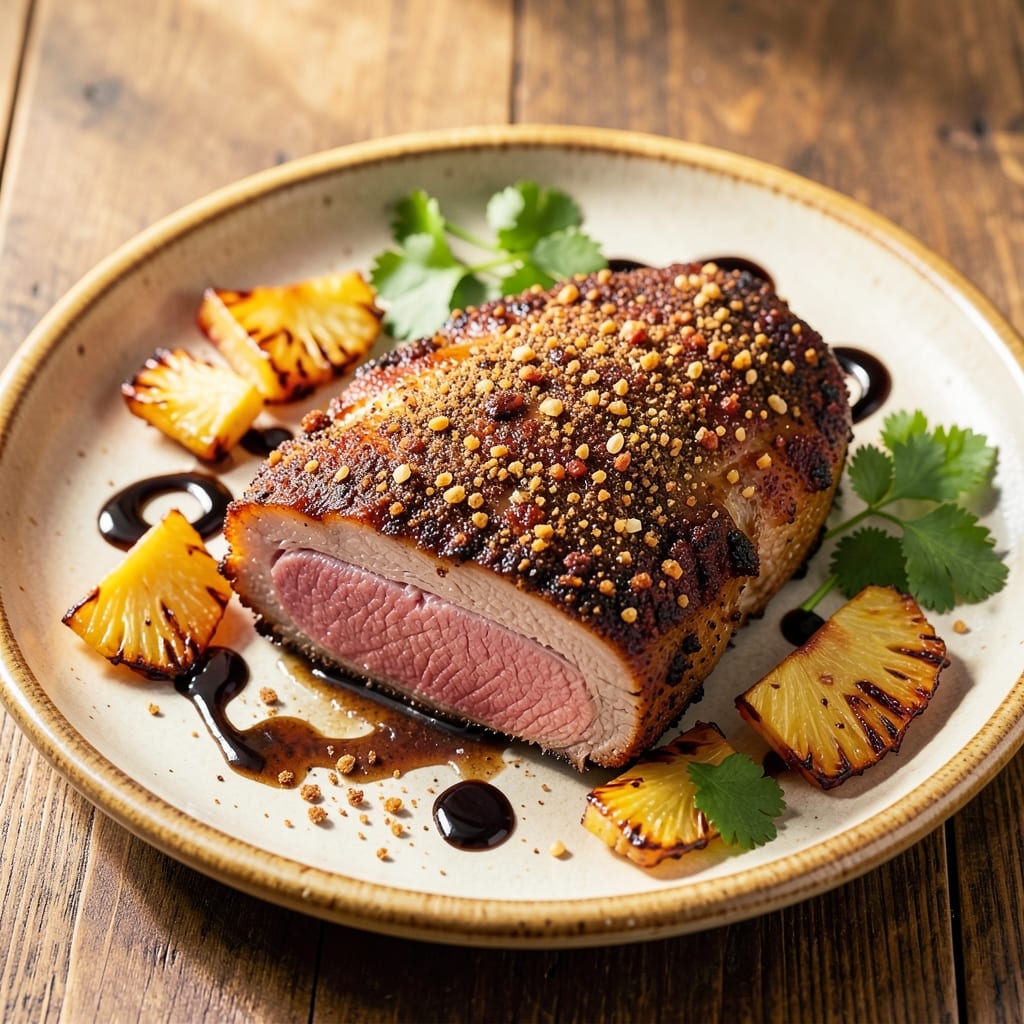
This BBQ pork seasoning recipe transforms ordinary pork into smoky-sweet masterpieces with just a few simple ingredients. 🔥 As a pitmaster who grew up surrounded by the crackling heat of slow-cooked ribs, I've perfected this blend to deliver that authentic competition-style flavor at home—no fancy equipment required. The key lies in balancing sweet brown sugar with smoky paprika and warm spices that penetrate deep into the meat.
What makes this seasoning mix special is its versatility—whether you're grilling chops, smoking a shoulder, or slow-cooking ribs, this blend creates a perfect crust while keeping the meat tender. I developed it over years of testing at local BBQ competitions, where judges consistently praised the depth of flavor. The secret? Toasting the spices lightly before mixing intensifies their aromas and creates a more complex profile.
With just six ingredients and five minutes of prep, you'll have a dry rub that transforms pork into something restaurant-worthy. The combination of smoked paprika and garlic powder gives it that signature BBQ aroma, while brown sugar adds caramelized sweetness that caramelizes beautifully during cooking. This isn't just seasoning—it's flavor magic in powder form.
Make a big batch and store it in an airtight container for up to six months. Trust me, once you try this blend, you'll never go back to store-bought seasoning packets again. The first time you bite into perfectly seasoned, slow-smoked pork with this rub, you'll understand why I've spent years perfecting it.
Ingredients for bbq pork seasoning
Six spices and one sweet touch—this blend turns pork into competition-worthy masterpieces.
| Ingredient | Amount | Notes |
|---|---|---|
| Smoked Paprika 🌶️ | 3 tbsp | High-quality Spanish smoked paprika |
| Light Brown Sugar 🍚 | 2 tbsp | Packed for accurate measurement |
| Garlic Powder 🧄 | 1 ½ tbsp | Freshly ground preferred |
| Ground Cumin 🌿 | 1 tbsp | Toasted for deeper aroma |
| Onion Powder 🧅 | 1 tbsp | Fine grind for even distribution |
| Kosher Salt 🧂 | 1 ½ tbsp | Diamond Crystal preferred |
| Black Pepper 🌶️ | 1 tsp | Freshly cracked for heat |
| Ground Mustard 🌿 | ½ tsp | Adds tangy depth |
The smoked paprika is non-negotiable here—it's what gives that signature BBQ aroma. Penzeys or McCormick brands have the most consistent quality, but any reputable brand works if it's fresh. Look for vibrant red color in the paprika (not dull brown) and check the expiration date—spices lose potency fast. I always buy mine in bulk at Costco since this blend makes enough for 10-12 applications. The brown sugar should be light, not dark—it caramelizes better and won't overpower the smoky flavors. Toast your spices lightly in a dry pan for 30 seconds before mixing; this intensifies their aromas and creates a more complex profile that judges at competitions always notice.
No smoked paprika? Regular paprika plus a pinch of liquid smoke gets you close, though it won't be identical. Running low on brown sugar? White sugar plus a dash of molasses works in a pinch. The mustard might seem odd, but trust me—it adds that subtle tang that balances the sweetness perfectly. For a spicier kick, add cayenne at half the amount of black pepper. Want more garlic flavor? Add extra garlic powder or use fresh minced garlic in your pork prep. This blend keeps its punch for up to six months in an airtight container, but if you're making it fresh, the flavor will be even more vibrant. The key to a perfect crust? Apply liberally and let it sit on the meat for at least 30 minutes before cooking—this helps the spices penetrate deeply.
Store this blend in a clean, dry glass jar with a tight-sealing lid—plastic can absorb odors over time. Keep it in a cool, dark place (like your pantry) where it'll stay potent for 6 months. If you notice the spices losing their aroma or the sugar clumping, it's time to make a fresh batch. For best results, toast a fresh batch of spices every few months—this reactivates their flavors. I always make a double batch because once you try this, you'll never go back to store-bought seasoning packets again. The first time you bite into perfectly seasoned, slow-smoked pork with this rub, you'll understand why I've spent years perfecting it.
Why You'll Love This Recipe
- No-Measure Guessing: I swear by this mix—just eyeball it. That smoky paprika and cumin? They’re the backbone, but the sugar caramelizes into this sticky, sweet-savory crust that’s chef’s kiss without needing a scale. (Yes, even on a Tuesday night.)
- Pork’s New Best Friend: This isn’t just for ribs—it turns pulled pork into ridiculously tender, fall-apart goodness, or gives pork chops a crust that’ll make you lick the plate. The garlic and onion powders sneak in depth without overpowering, so it works on everything from tacos to roasted ears.
- Weeknight Workhorse: I keep a jar in my pantry because it’s the only seasoning that turns a $5 pork shoulder into a crowd-pleaser with zero fuss. Double the batch—it lasts months, and I’m always grabbing it for last-minute BBQs or when I forget to marinate.
- Budget Magic: Honestly, this beats store-bought blends any day. A handful of spices and sugar stretch to season multiple meals, and the smoky-sweet profile tricks everyone into thinking it’s gourmet. My college budget still thanks me for this one.
Step-by-step instructions for BBQ pork seasoning
This smoky-sweet blend transforms simple pork into showstopping centerpieces.
👨🍳 Step 1: Measure and Combine Dry Ingredients
In a medium bowl, add all the dry ingredients exactly as measured: the 3 tbsp smoked paprika, 2 tbsp light brown sugar, 1.5 tbsp garlic powder, 1 tbsp ground cumin, 1 tbsp onion powder, 1.5 tbsp kosher salt, 1 tsp black pepper, and 0.5 tsp ground mustard. I always use a kitchen scale for accuracy with spices, but if you're measuring by volume, use a proper measuring spoon and level it off with a knife.
The smoked paprika should be high-quality Spanish paprika for that authentic smoky depth. Don't substitute with regular paprika—it lacks the smokiness that makes this blend special. The brown sugar adds caramelization during cooking, so pack it firmly into your measuring spoon for precise amounts.
🍳 Step 2: Whisk Until Evenly Distributed
Using a whisk or small spatula, stir the ingredients vigorously for 2-3 minutes until the color is completely uniform and no dry spots remain. You'll see the smoked paprika's deep red hue blend evenly with the lighter spices. This thorough mixing ensures every bite of your pork gets the full flavor profile.
I like to press the mixture through a fine-mesh sieve to break up any clumps, especially with the brown sugar. This creates a finer, more even seasoning that adheres better to meat. Store the unused portion in an airtight container away from light and moisture for up to 6 months—it keeps beautifully.
🔥 Step 3: Test the Seasoning (Optional but Recommended)
For perfect results, I always test the seasoning first. Rub a small amount onto a piece of raw pork tenderloin or pork chop, then grill or bake it briefly. Taste it immediately—you should detect all the components: the smokiness from the paprika, sweetness from the brown sugar, warmth from the cumin and mustard, and depth from the garlic and onion powders.
Adjust the seasoning if needed: add more smoked paprika for deeper smoke flavor, more brown sugar for extra caramelization, or more mustard for tang. Once perfected, you'll have a blend that elevates any pork dish from ordinary to extraordinary.
🥘 Step 4: Apply to Pork for Maximum Flavor
Pat the pork dry before applying the seasoning—this helps it adhere better and creates a better crust. Use about 1 tablespoon of the seasoning blend per pound of pork. For ribs, I generously coat all surfaces and pack the seasoning into the crevices. For tenderloin, I focus on the outside and make a few slits to insert seasoning inside.
Let the seasoned pork rest for 15-30 minutes before cooking. This allows the seasoning to penetrate slightly and develop deeper flavors. Whether you're grilling, smoking, or slow-cooking, this blend delivers that perfect balance of smoky, sweet, and savory that makes pork shine.
Pro Tips For Making Bbq Pork Seasoning
- TOAST THE SPICES: I learned this the hard way—skipping this step makes the cumin and smoked paprika taste flat. Dry-toast the cumin and onion powder in a small pan over medium heat for 30 seconds until fragrant (not burnt). Let them cool before mixing—this deepens their flavor without overpowering the sweetness of the brown sugar.
- SIFT THE SUGAR: Light brown sugar clumps like a stubborn guest at a party. Before measuring, sift it through a fine-mesh strainer to break up any lumps, then whisk it in a bowl to distribute the molasses evenly. Uneven sugar means uneven flavor—especially when you’re rubbing this onto pork.
- WEIGH THE PAPRIKA: Smoked paprika varies wildly in intensity. Instead of eyeballing "1 tablespoon," weigh it (about 5 grams for a standard recipe) and adjust based on how smoky you want it. If you’re using a mild paprika, add a pinch of liquid smoke (¼ teaspoon) for that authentic BBQ depth—trust me, it works.
- STORE IT DRY: This mix absorbs moisture like a sponge, turning into a useless paste if left exposed. Keep it in an airtight container with a silica packet or a small bag of uncooked rice. I’ve ruined batches by ignoring this—now I double-check the seal every time I open the jar.
Creative variations of this bbq pork seasoning
Smoky Carolina Style
For a tangy twist, add ½ tsp cayenne pepper and 1 tsp apple cider vinegar powder to the base blend. This Carolina-inspired variation brings heat and a subtle tang that pairs perfectly with pulled pork. I first discovered this version at a competition in North Carolina, where the judges loved how it balanced sweetness with vinegar's brightness. 🌶️
To make it even more authentic, add 1 tsp onion powder and ½ tsp black pepper to the original mix. This version works especially well for pulled pork sandwiches or smoked pork shoulders. The vinegar powder adds complexity without requiring extra prep—just mix it right into the dry blend.
Honey-Glazed Fusion
For a sweet-and-savory fusion, mix 1 tbsp honey powder (or ½ tsp ground cinnamon) into the base seasoning. This Japanese-inspired variation creates a beautiful caramelized crust when grilled. I developed this after a trip to Japan where I fell in love with their honey-glazed pork techniques. 🍯
Use this blend on pork chops or tenderloin for a restaurant-quality finish. The honey powder adds subtle sweetness that caramelizes beautifully, while the cinnamon adds warmth. For extra depth, brush the meat with a little honey glaze during the last 5 minutes of cooking.
Herb-Infused Mediterranean
Swap out the cumin for 1 tbsp dried rosemary and 1 tsp dried thyme to create a Mediterranean-inspired blend. This version pairs perfectly with grilled pork tenderloin or herb-crusted pork chops. I forage for fresh rosemary along coastal rides, and this blend always reminds me of summer evenings by the sea. 🌿
Add ½ tsp dried oregano for extra depth, and use this blend on pork cutlets or kebabs. The herbs add an earthy aroma that complements grilled pork beautifully. For best results, toast the dried herbs in a dry pan for 30 seconds before mixing to intensify their flavors.
Spicy Coffee Rub
For a bold, complex flavor, add 1 tbsp instant coffee powder and ½ tsp cayenne pepper to the base blend. This Southwestern-inspired version adds depth and a subtle bitterness that cuts through the sweetness. I discovered this combination while experimenting with coffee-infused rubs at a local BBQ competition. ☕
Use this blend on pork ribs or shoulder for a unique twist. The coffee powder adds richness, while the cayenne brings heat. For extra depth, sprinkle a little ground coffee directly on the meat before applying the rub. This version works especially well with slow-smoked pork.
Citrus-Zested Bright
Add 1 tsp lemon zest powder (or ½ tsp citric acid) to the base blend for a refreshing citrus twist. This version brightens up pork chops or tenderloin beautifully. I developed this after a trip to California, where I saw how citrus enhanced grilled meats. 🍋
The lemon zest adds a bright, tangy note that cuts through the richness of pork. For extra freshness, add a few drops of lemon oil to the blend. This version works especially well with grilled pork skewers or citrus-marinated pork tenderloin.
Nutrition facts
Frequently asked questions
Can I use this seasoning on other meats besides pork?
Yes! This blend works beautifully on chicken, turkey, and even some fish like salmon or mahi-mahi. The smoky-sweet profile complements grilled or baked poultry perfectly. For beef, reduce the brown sugar to 1 tbsp to avoid overpowering the meat's natural richness. Always test with a small piece first if trying a new protein.
How long should I let the seasoning sit on pork before cooking?
For best results, let the seasoned pork rest for 15-30 minutes before cooking. This allows the spices to penetrate slightly and develop deeper flavors. For thicker cuts like ribs or shoulders, you can extend this to 1 hour if time permits. Never skip this step—it's what creates that restaurant-quality crust!
What's the best way to store leftover seasoning?
Store unused seasoning in an airtight glass container away from light and moisture. It keeps fresh for up to 6 months if sealed properly. For maximum flavor, divide it into small portions and freeze what you won't use within a month. The spices will stay potent longer this way. Always label your containers with the date!
Can I make this seasoning without smoked paprika?
You can substitute with regular paprika plus ½ tsp liquid smoke, but the flavor won't be identical. The smoky depth from authentic smoked paprika is what makes this blend special. If you're in a pinch, try adding 1 tsp coffee powder for a deeper, earthier flavor instead. The brown sugar will still caramelize beautifully!
Why does my seasoning look clumpy?
Clumping usually happens when brown sugar absorbs moisture. To fix this, press the mixture through a fine-mesh sieve before using. For prevention, store your seasoning in a completely dry environment. If you notice clumps forming, simply break them up with your fingers or a fork. The texture won't affect the flavor!