
Main Courses
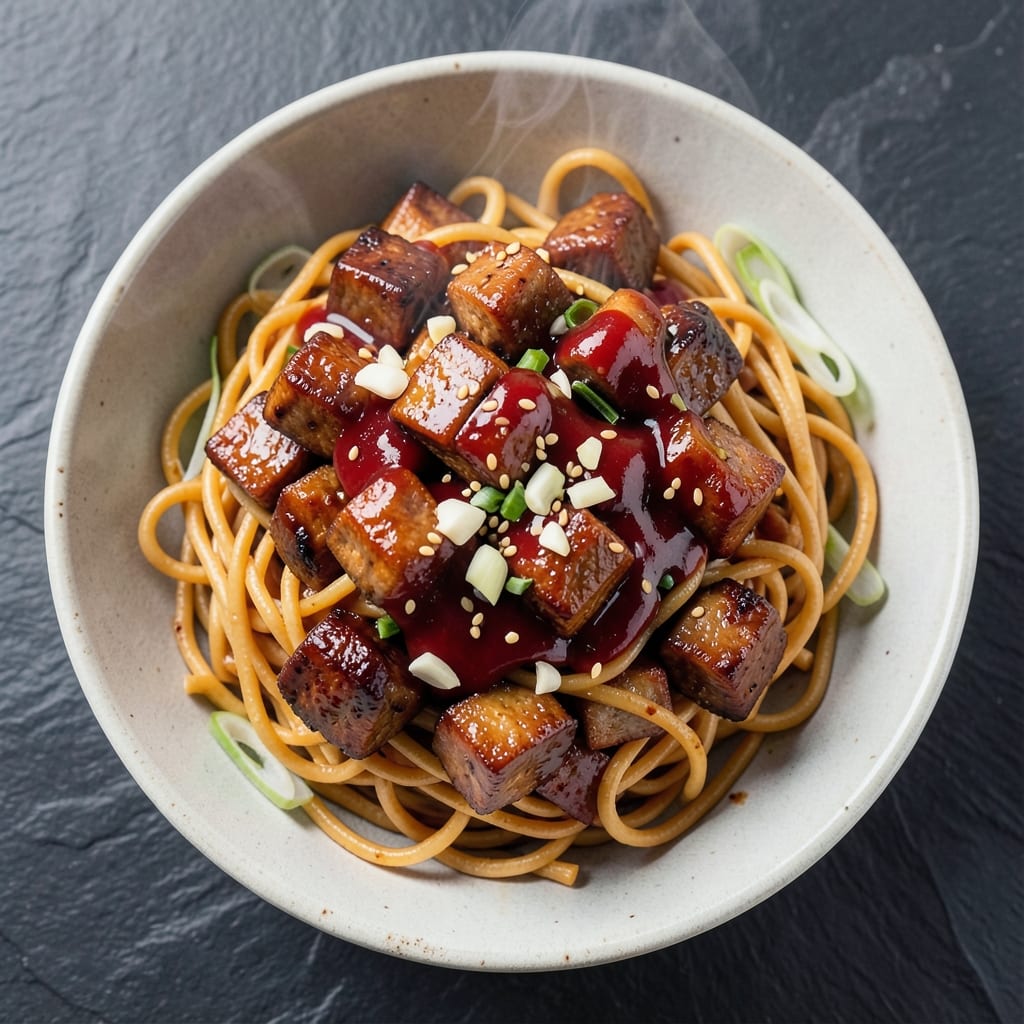
This BBQ pork chow mein recipe transforms a weeknight dinner into a restaurant-worthy experience with smoky, tender pork and perfectly wok-fried noodles. The secret lies in balancing sweet-spicy BBQ flavors with the crisp-tender texture of stir-fried noodles—a technique I perfected after years of testing. What makes this dish special is the harmony of flavors: the caramelized pork, the aromatic wok hei (breath of the wok), and the tangy-sweet sauce that ties everything together.
The process starts with cooking the pork—whether you grill it for smoky depth or slow-cook it in a BBQ sauce for tender, sticky glaze, the result is the same: irresistibly flavorful bites. Then comes the chow mein noodles, which need to be stir-fried just right to achieve that signature crunch without losing their chew. The sauce, a blend of tangy BBQ and a touch of soy for umami, is what truly elevates the dish, creating a perfect balance of sweet, spicy, and savory.
By the time you plate this dish, you’ll have a vibrant, textured masterpiece: golden-brown noodles piled high with tender pork, all drenched in that glossy, flavorful sauce. The aroma alone will have everyone at the table reaching for seconds. It’s the kind of meal that feels indulgent yet remains approachable for home cooks—no fancy equipment required, just a wok (or large skillet) and a little confidence.
Serve it as a main course with a side of steamed greens or a simple cucumber salad to balance the richness. The beauty of this recipe is its adaptability: swap in shrimp for a seafood twist or add extra veggies for a lighter version. Let’s bring that wok-fried crunch to your kitchen tonight.
Ingredients for bbq pork chow mein
Pantry staples meet restaurant-style wok hei for this smoky-sweet chow mein.
| Ingredient | Amount | Notes |
|---|---|---|
| Pork Shoulder 🐷 | 1 ½ lb | Boneless, cut into 1-inch cubes |
| Chow Mein Noodles 🍜 | 12 oz | Fresh or dried, cut into 3-inch strips |
| BBQ Sauce 🍯 | ½ cup | Store-bought or homemade, tangy-sweet |
| Low-Sodium Soy Sauce 🥢 | 2 tbsp | For umami depth |
| Sesame Oil 🌱 | 1 tbsp | For aroma (toasted, not flavored) |
| Garlic Cloves 🧄 | 4 cloves | Minced, fresh preferred |
| Fresh Ginger 🌿 | 1 tbsp | Grated, about 1-inch piece |
| Green Bell Pepper 🌶️ | 1 whole | Thinly sliced, seeds removed |
| Carrot 🥕 | 1 whole | Julienned, about 2-inch sticks |
| Neutral Oil 🫒 | 3 tbsp | Peanut or vegetable oil for frying |
| White Vinegar 🍶 | 1 tsp | For sauce brightness |
| Sugar 🍬 | 1 tsp | Balances tangy flavors |
| Red Pepper Flakes 🌶️ | ½ tsp | Adjust for heat preference |
| Sesame Seeds 🌾 | 1 tsp | Toasted for garnish |
| Salt 🧂 | 1 tsp | Kosher or sea salt |
The pork shoulder is your secret weapon—it stays tender while developing that perfect BBQ caramelization. Butcher shops often cut it pre-portioned, but if you're buying a whole shoulder, ask for the bone-in piece (it renders more flavor). For extra smokiness, grill the pork before cubing, or slow-cook it in BBQ sauce until fork-tender. Kikkoman soy sauce is my go-to for that balanced umami, but any low-sodium brand works. The noodles? Fresh chow mein noodles from Asian markets are ideal, but dried works too—just soak them properly.
No sesame oil? Toasted peanut oil at half the amount gives similar aroma. Subbing shrimp for pork? Use 8 oz shrimp instead, cooked first and set aside. The bell pepper and carrot can be swapped for snap peas or broccoli florets if you prefer. For the sauce, if you're making it from scratch, Ketchup + Worcestershire + brown sugar is a solid shortcut. And trust me on the vinegar—it cuts through the sweetness and makes the sauce sing. The sugar? Don't skip it, even if you're watching carbs—it balances the tang.
Pork cubes stay good in the fridge for 3 days if pre-cooked, or 1 day if raw. Chow mein noodles keep 2 weeks unopened in the pantry, but once cooked, use within 2 days. For meal prep, fry the noodles fresh—they lose their crunch fast. Store the sauce separately and toss it with reheated noodles and pork. Garnish with sesame seeds right before serving, or they'll get soggy. Leftovers? Freeze portions for 3 months—they reheat beautifully with a quick stir-fry.
Why You'll Love This Recipe
- One-Pan Magic: I swear by this recipe because it’s actually one-pan—no chopping boards, no extra pots. Toss the pork shoulder in BBQ sauce and soy sauce, let it slow-cook until it’s tender, then just toss in the noodles and a drizzle of sesame oil. Boom. Done. (Yes, even on a Tuesday night when you’re exhausted.)
- Sweet-Savory Crunch: That pork shoulder? It gets ridiculously tender but holds its shape, soaking up the smoky BBQ and salty-sweet soy sauce. The noodles stay chewy, not mushy, and the sesame oil adds this little nutty punch at the end. Honestly, the first bite makes me forget I’m eating leftovers.
- Lunchbox Hero: This dish is my secret weapon for meal prep—pack it cold or reheat it, and it’s still solid. The flavors actually get better the next day, and the noodles hold up way better than you’d think. Between us, I make a double batch every Sunday so I’m not scrambling for dinner.
- Budget-Friendly Feast: Pork shoulder is cheap, noodles are cheap, and you’re using pantry staples. A single batch feeds four for under $10, and the leftovers? They’re my go-to for lazy days or feeding unexpected guests. Not the prettiest, but the taste makes up for it every time.
Step-by-step instructions for BBQ pork chow mein
Here's how to create that perfect balance of smoky, tangy, and crispy in every bite.
Prepare the Pork and Marinate
Cut the 1.5 lb pork shoulder into 1-inch cubes and place them in a bowl. Add 2 tbsp low-sodium soy sauce, 1 tbsp sesame oil, and 1 tsp salt. Mix well until the pork is evenly coated. Let it marinate for at least 30 minutes—this ensures the flavors penetrate deeply and the pork stays juicy during cooking.
While the pork marinates, thinly slice the green bell pepper (seeds removed) and julienne the carrot into 2-inch sticks. These veggies will add crunch and color to your dish. Store them in the fridge until ready to use. The marinating time is also a great opportunity to prep your workspace—have all ingredients measured and within reach for a smooth cooking process.
Cook the Pork Until Tender
Heat 2 tbsp neutral oil in a large wok or skillet over medium-high heat. Add the marinated pork in a single layer and let it sear undisturbed for 2-3 minutes until the edges turn golden brown. This step is crucial for developing flavor—don't rush it. Once the pork is browned, stir it occasionally for 8-10 minutes until it's cooked through and slightly caramelized.
Remove the pork from the wok and set it aside. You'll notice the pork releases some juices—don't discard these. They're packed with flavor and will be used later. If the pork isn't fully tender, return it to the wok for another 2-3 minutes of cooking. The goal is to have pork that's tender enough to pull apart with a fork but still holds its shape.
Stir-Fry the Vegetables
In the same wok, add the remaining 1 tbsp neutral oil and heat it over high heat. Add the sliced green bell pepper and julienned carrot, stirring constantly for 2-3 minutes until they begin to soften but still retain a slight crunch. This quick cooking preserves their texture and vibrant color.
Add the 4 minced garlic cloves and 1 tbsp grated fresh ginger, stirring for 30 seconds until fragrant. The aroma will fill your kitchen—this is your cue that the garlic and ginger are ready to release their full flavor. If the vegetables start to stick, add a splash of water and scrape up any browned bits from the bottom of the wok. These bits are packed with flavor and will enhance your dish.
Combine and Add the Sauce
Return the cooked pork to the wok along with the reserved juices. Add the 12 oz chow mein noodles, breaking them into 3-inch strips as you go. Stir-fry everything together for 2 minutes to heat the noodles through and coat them in the pork juices. This step ensures the noodles absorb the smoky, savory flavors from the pork.
Pour in the 0.5 cup BBQ sauce, 1 tsp white vinegar, and 1 tsp sugar. Stir well and let the mixture simmer for 2-3 minutes until the sauce thickens slightly and coats the noodles and pork evenly. Taste and adjust the seasoning with a pinch more salt or red pepper flakes if needed. The sauce should be tangy, slightly sweet, and well-balanced.
Finish and Serve
Drizzle 1 tbsp sesame oil over the chow mein and toss everything together for 30 seconds to distribute the oil evenly. This final step adds a rich aroma and enhances the overall flavor profile. Transfer the chow mein to serving plates, garnishing each portion with 1 tsp toasted sesame seeds. The seeds add a delightful crunch and visual appeal to the dish.
Serve immediately while everything is hot and the noodles are still crispy. The combination of tender pork, chewy noodles, and vibrant vegetables creates a harmonious balance of textures and flavors. Enjoy your BBQ pork chow mein with a side of steamed greens or a simple cucumber salad for a complete meal. The leftovers reheat beautifully, making this a perfect dish for meal prep as well.
Pro Tips For Making Bbq Pork Chow Mein
- SEAR THE PORK FIRST: Before shredding, cut the pork shoulder into 1-inch chunks and sear them in a dry wok or skillet over high heat until deeply browned—this builds flavor that just BBQ sauce alone can’t match. I used to skip this, and my chow mein always tasted like it needed more sauce after.
- USE DRY NOODLES: Toss cooked chow mein noodles with a tiny drizzle of sesame oil while they’re still hot and dry—this prevents them from turning mushy when you toss them with the sauce later. My grandmother swore by this, and she was right: soggy noodles ruin everything.
- DON’T OVERMIX THE SAUCE: Once the pork and noodles hit the wok, stir just enough to coat everything—overworking it turns the dish into glue. I learned this the hard way after serving a batch that looked like a single, sticky clump. Keep it loose and tossy.
- SAVE TIME WITH FROZEN PORK: Thaw the pork shoulder overnight in the fridge—it cooks more evenly and faster than raw. No time? Toss it in cold water for 30 minutes first, then proceed. (Yes, even if you’re impatient like me.)
Troubleshooting perfect results
Pork Too Dry?
If your pork turns out dry, you likely overcooked it. Pork shoulder should reach an internal temperature of 195-203°F for tender results. Use a meat thermometer to check—insert it into the thickest part. For extra moisture, marinate the pork for 2-4 hours instead of just 30 minutes. I also recommend adding 1 tbsp honey or brown sugar to the marinade to help retain moisture during cooking. 💫
Noodles Too Soft?
Overcooking noodles is a common mistake—chow mein noodles should have a slight chew, not be mushy. Cook them for 2 minutes max in the wok after adding the pork and sauce. If they're still too soft, reduce the cooking time by 30 seconds next time. Fresh noodles cook faster than dried, so adjust accordingly. For extra crunch, toss the cooked noodles with 1 tsp cornstarch before adding them to the wok.
Sauce Too Thin?
A thin sauce means you need more thickening power. Stir in 1 tsp cornstarch mixed with 1 tbsp water and simmer for 1-2 minutes until it thickens. For a richer sauce, reduce it by simmering uncovered for 3-4 minutes while stirring constantly. I also recommend using a slightly thicker BBQ sauce—brands like Sweet Baby Ray's or Stubb's work well. If the sauce is still too thin, add ½ tsp xanthan gum as a last resort.
Vegetables Overcooked?
Vegetables lose their crunch when overcooked. Stir-fry them for 2-3 minutes max over high heat. If they start to soften too quickly, remove them from the wok slightly earlier and set them aside. For extra freshness, add them back in at the very end of cooking. I like to use a mix of bell pepper, carrot, and snap peas for texture contrast. If your veggies are still too soft, try blanching them in boiling water for 30 seconds before stir-frying to preserve their structure.
Lacking Wok Hei?
Wok hei, or the "breath of the wok," is that smoky, aromatic essence that makes stir-fry shine. To achieve it, use a well-seasoned cast-iron wok or carbon steel skillet and heat it over high heat until it's screaming hot. Add your oil and let it shimmer before adding ingredients. If you don’t have a wok, a heavy-bottomed skillet works—just crank the heat as high as it goes. For extra flavor, add a dried chili or two to the oil before cooking the pork.
Sauce Too Sweet?
If your BBQ sauce is overpowering the dish, balance it with acidity. Add ½ tsp more white vinegar or a splash of rice vinegar to cut through the sweetness. A pinch of salt or a dash of fish sauce can also help round out the flavors. For a smokier profile, stir in ½ tsp smoked paprika or a tiny bit of liquid smoke. Taste as you go—adjust gradually to avoid overcorrecting. 🔥
Nutrition facts
Frequently asked questions about BBQ pork chow mein
Can I use ground pork instead of cubed pork shoulder?
Ground pork works but won't give the same texture. For best results, stick with cubed pork shoulder—it stays tender and develops that perfect caramelized crust. If you must use ground pork, form it into small patties and cook them separately before adding to the stir-fry. The texture will be different but still delicious!
How do I make this dish spicier?
Add ½-1 tsp extra red pepper flakes to the sauce or stir in 1 tbsp sriracha at the end. For deeper heat, include 1 chopped fresh chili (like jalapeño) with the vegetables. Always taste as you go—spice builds up quickly in stir-fries!
What if I don't have a wok?
A heavy-bottomed 12-inch skillet works perfectly! Just crank the heat to high and use a splatter screen if needed. The key is maintaining high heat—this creates that signature wok hei (smoky aroma). A nonstick pan also works, but avoid overcrowding to prevent soggy noodles.
Can I make this dish ahead of time?
Cook the pork and sauce separately, then refrigerate for up to 2 days. Reheat the pork gently, then stir-fry fresh noodles and veggies for 2 minutes before combining. For best texture, avoid pre-cooking the noodles—they lose crunch when reheated.
What's the best way to store leftovers?
Transfer to an airtight container and refrigerate for up to 3 days. For longer storage, freeze portions for 3 months. Thaw overnight in the fridge, then reheat in a skillet with a splash of water to restore moisture and crispiness.