
Main Courses
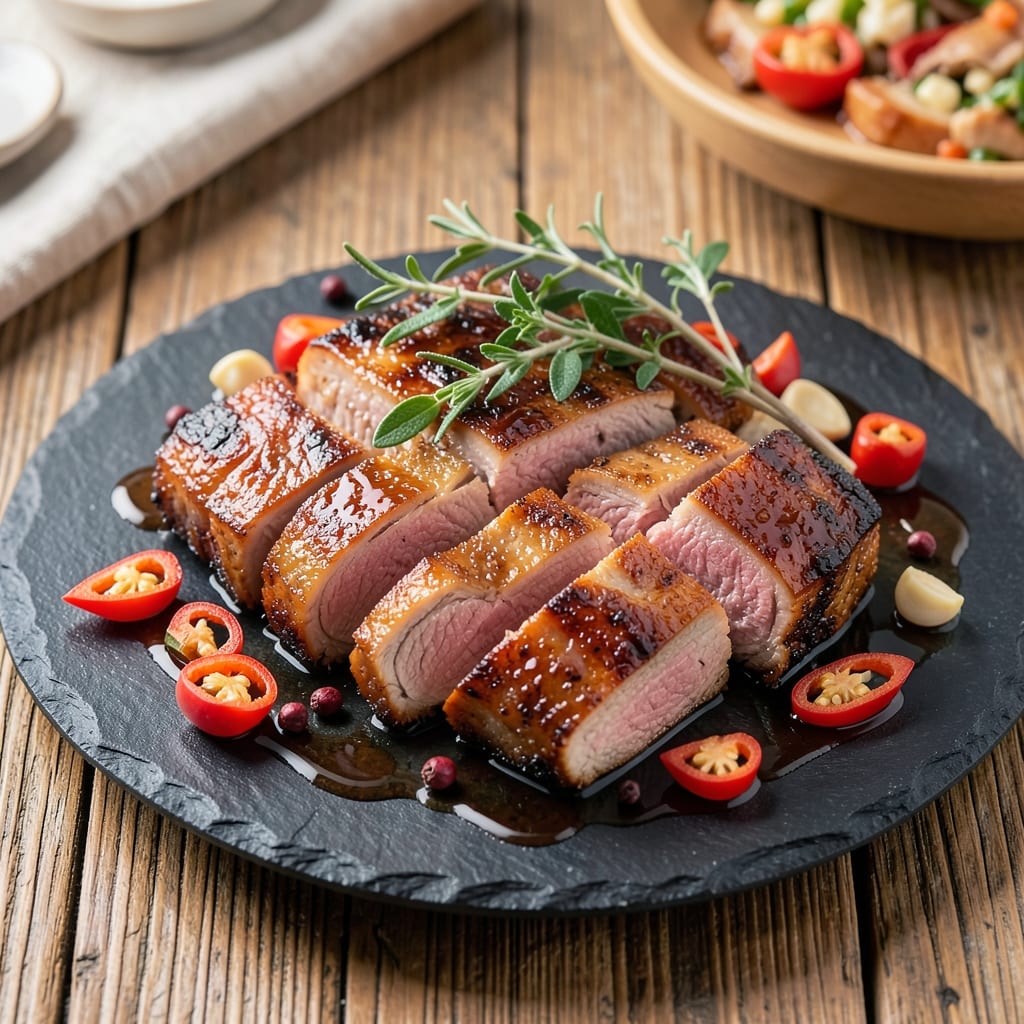
This BBQ jerk pork recipe delivers the perfect marriage of Caribbean boldness and smoky depth—think crispy, caramelized edges with tender, juicy pink centers that practically melt in your mouth. 🔥 I developed this method after years of refining my jerk marinade and smoking techniques, blending traditional West Indian spices with my pitmaster's precision for maximum flavor impact. The secret lies in a slow-smoked approach that renders fat beautifully while keeping the meat moist, all while building that signature sticky, slightly sweet crust.
The marinade is where the magic begins—allspice, Scotch bonnet peppers, and thyme create an aromatic punch that penetrates the meat overnight, while a touch of brown sugar caramelizes during cooking for that perfect balance of heat and sweetness. Whether you're using a pellet grill, offset smoker, or even a well-sealed oven, this method ensures consistent results every time. The basting with BBQ sauce in the final stages adds that familiar tangy-sweet contrast that makes jerk pork so irresistible.
What you'll end up with is restaurant-quality jerk pork that's juicy enough to satisfy even the most critical eaters, with a bark so crisp it shatters at every bite. The flavors are complex—smoky from the wood, fiery from the Scotch bonnet, and earthy from the allspice—yet perfectly harmonized. This isn't just another BBQ recipe; it's a full sensory experience that transports you to a Caribbean beachside cookout with every forkful.
Serve it with classic sides like coconut rice, crisp coleslaw, or fried plantains to complete the meal. The beauty of this recipe is its versatility—it works equally well for game day gatherings or a special weekend dinner. Let's get cooking and bring that island flavor to your table with professional-level results.
Ingredients for bbq jerk pork
Six ingredients make the marinade, four pounds of pork transforms into restaurant-worthy jerk.
| Ingredient | Amount | Notes |
|---|---|---|
| Boneless Pork Shoulder 🥩 | 4 lb | Trimmed of excess fat |
| Scotch Bonnet Peppers 🌶️ | 2 whole | Seeds removed for less heat |
| Fresh Allspice Berries 🌿 | 2 tbsp | Crushed between fingers |
| Fresh Thyme Leaves 🌿 | ½ cup | Stems removed |
| Brown Sugar 🍯 | ½ cup | Light or dark |
| Garlic Cloves 🧄 | 8 cloves | Peeled, roughly chopped |
| Onion 🧅 | 1 whole | Yellow or red, chopped |
| Soy Sauce 🥢 | ¼ cup | Low-sodium preferred |
| Apple Cider Vinegar 🍶 | ¼ cup | For tang |
| Ground Black Pepper 🌶️ | 1 tbsp | Freshly ground |
| Smoked Paprika 🌶️ | 2 tbsp | For smoky depth |
| Wood Chips 🌳 | 2 cups | Hickory or fruitwood |
| BBQ Sauce 🍅 | ½ cup | For basting (store-bought or homemade) |
| Olive Oil 🫒 | 2 tbsp | For marinade |
The Scotch bonnet peppers are non-negotiable for that authentic Caribbean heat, but if you can't find them, Habanero peppers work in a pinch (use half the amount). I always grab mine at Whole Foods or Latin markets—they carry the freshest ones. For the pork shoulder, look for a well-marbled cut with good fat cap; Costco or local butchers usually have the best quality. The allspice berries should be fragrant and whole—if they smell like dust, toss them. Fresh thyme is ideal, but dried works at half the amount if that's what you've got. The brown sugar here isn't just for sweetness—it caramelizes beautifully during smoking, giving that signature sticky crust.
No Scotch bonnet? Habanero or even jalapeño will work, but you'll need way less—start with 1/4 pepper and adjust to taste. The soy sauce adds umami depth, but coconut aminos are a great gluten-free swap. If you're avoiding vinegar, lemon juice works too (use the same amount). The wood chips are key—hickory gives classic BBQ flavor, while fruitwood adds a sweeter note. For the BBQ sauce, I prefer Sweet Baby Ray's for its balanced sweetness, but any good store-bought sauce will do. Pro tip: Toast your wood chips in a dry skillet for 2-3 minutes before using—it enhances the smoky flavor. The olive oil in the marinade helps distribute the spices evenly, so don't skip it.
Marinate the pork overnight for maximum flavor penetration—this isn't a recipe you want to rush. Store the marinade (without pork) in an airtight container in the fridge for up to 5 days, or freeze for 3 months. The cooked pork reheats beautifully—wrap tightly in foil and warm in a 350°F oven for 10-15 minutes. Leftovers keep for 4 days in the fridge or 3 months frozen. For serving, I like to slice against the grain for tender bites. The crispy bark is best enjoyed fresh, but the juicy meat stays delicious for days.
Why You'll Love This Recipe
- One-Pot Magic: I swear by this—just toss the pork shoulder in a Dutch oven with the jerk marinade (Scotch bonnet, allspice, thyme), add a splash of water, and let it slow-cook while you handle everything else. No flipping, no fussing, no extra pans.
- Flavor Bomb Combo: That Scotch bonnet brings the heat, the allspice berries add depth, and the brown sugar caramelizes into something ridiculously addictive. The thyme? It ties it all together like a perfect hug of flavor—smoky, sweet, and just spicy enough to linger.
- Game for Any Gathering: Need a main for game day? A potluck? Or just a lazy Sunday? This pulls double duty—serve it shredded on buns for tacos or let it stay whole for a showstopping centerpiece. Honestly, I’ve even used leftover jerk pork in fried rice (yes, it works).
- Budget-Friendly Powerhouse: Pork shoulder is cheap, and this recipe stretches it across multiple meals. Freeze half the batch, and you’ve got a weeknight win—just reheat and serve. Between us, I’ve fed six people for under $20 with this, and no one ever complains.
Step-by-step instructions for Caribbean jerk pork shoulder
Here's how to turn simple ingredients into fall-off-the-bone jerk pork with a perfect crust.
👨🍳 Step 1: Make the Jerk Marinade and Prep the Pork
In a large bowl, combine the 2 whole Scotch bonnet peppers (seeds removed), 2 tbsp crushed fresh allspice berries, 0.5 cup fresh thyme leaves, 0.5 cup brown sugar, 8 cloves roughly chopped garlic, 1 whole chopped onion, 0.25 cup soy sauce, 0.25 cup apple cider vinegar, 1 tbsp ground black pepper, and 2 tbsp smoked paprika. Mix until fully combined.
Place the 4 lb boneless pork shoulder in a large resealable bag. Pour the marinade over the pork, seal the bag, and massage it gently to coat the meat completely. Refrigerate for at least 4 hours (overnight is even better)—this ensures deep flavor penetration and tender meat. The pork should be fully submerged in marinade to prevent drying.
🔥 Step 2: Set Up Your Smoker for Low-and-Slow Cooking
Soak the 2 cups wood chips in water for 30 minutes before using. Set up your smoker to maintain a consistent 225°F temperature. I use hickory or fruitwood chips for that authentic Caribbean smokiness. Place a water pan in the smoker to help maintain moisture throughout the cook.
When the smoker reaches temperature and you see clean, blue smoke (not thick white steam), you're ready. Remove the pork from the marinade (reserve the marinade for basting) and place it fat-side up on the smoker grates. This positioning helps render the fat and creates that beautiful bark we're after.
⏰ Step 3: Smoke the Pork Until Probe-Tender
Smoke the pork for 6-8 hours until the internal temperature reaches 165°F. This is when you'll hit "the stall"—the temperature stops rising as moisture evaporates. Don't panic; this is normal. Every 45 minutes, baste the pork with the reserved marinade to keep it moist and enhance the flavor.
Once the internal temperature hits 165°F, wrap the pork tightly in foil (don't skip this step—it helps push through the stall and keeps the meat juicy). Return it to the smoker and continue cooking until the internal temperature reaches 200-205°F and a probe slides in like butter. This usually takes another 2-3 hours, but trust the probe test over the thermometer—tenderness matters most.
🍳 Step 4: Baste with BBQ Sauce and Finish
Unwrap the pork and brush it generously with the 0.5 cup BBQ sauce. Return it to the smoker, fat-side up, and cook for another 30-45 minutes until the sauce caramelizes and forms a glossy crust. You'll know it's ready when the exterior is deep mahogany brown and the sauce looks sticky and slightly charred in spots.
Remove the pork from the smoker and let it rest for 15-20 minutes before slicing. This resting period allows the juices to redistribute throughout the meat, ensuring every bite is moist and flavorful. The crust should be crispy and slightly sticky, while the interior remains juicy and pink—that's the hallmark of perfect jerk pork.
🔪 Step 5: Slice and Serve
Using a sharp carving knife, slice the pork shoulder against the grain into ¼-inch thick slices. The grain direction will be visible as lines running through the meat. Serve immediately with your favorite sides—think rice and peas, fried plantains, or a fresh coleslaw to balance the rich, spicy flavors.
Each slice should be tender enough to pull apart with a gentle tug, with a crispy, slightly sticky jerk crust on the outside and juicy, pink meat on the inside. The flavors should be a perfect blend of smoky, spicy, sweet, and tangy—just like your favorite Caribbean jerk spot!
Pro Tips For Making Bbq Jerk Pork
- Char the Peppers First: Toss those Scotch bonnets into a dry skillet over high heat for 30 seconds per side before blending—burns off raw heat and deepens their flavor. I learned this the hard way after making jerk sauce that stung more than it tasted good.
- Pound the Pork Evenly: Use a meat mallet to flatten the pork shoulder to about 1-inch thickness before seasoning. This ensures the jerk marinade penetrates all the way through and cooks uniformly—no dry pockets or under-seasoned centers.
- Don’t Rush the Rest: After cooking, wrap the pork in foil and let it sit for at least 15 minutes. I used to skip this and ended up with shredded meat that fell apart at the first pull—now I wait, and the texture is perfect every time.
- Toast the Allspice Whole: Dry-toast the whole allspice berries in a spice skillet for 30 seconds until fragrant before grinding them. This amplifies their aroma and cuts through the sweetness of the brown sugar—my grandmother swore by this, and she was right.
Wine and beer pairings for bbq jerk pork
Caribbean Rum Cocktails
Nothing complements jerk pork like a crisp, citrusy rum cocktail that mirrors its bold flavors. I love serving Mojitos with lime and mint—muddle 6 fresh mint leaves, 2 oz lime juice, and 2 oz white rum (like Bacardi Superior) with 1 tbsp brown sugar. Top with soda water and garnish with lime wheels. The sweetness balances the heat, while the rum's depth echoes the jerk marinade. 🍹
Smoky Bourbon Pairings
For a smoky contrast, pour a bourbon neat (I prefer Woodford Reserve) alongside the pork. The caramel and vanilla notes in bourbon complement the jerk's allspice and brown sugar, while the oak adds a subtle smokiness that harmonizes with the hickory wood. Serve in a rocks glass with a large ice cube to keep it refreshing without diluting the flavors.
Light Beers for Balance
A crisp pilsner or lager cuts through the richness—try Heineken or Corona with a lime wedge. The effervescence cleanses your palate between spicy bites, while the malt backbone stands up to the jerk's complexity. For a local twist, grab a Caribbean-style lager like Red Stripe from the Jamaican market. 🍺
Spiced Wine Alternatives
For non-alcoholic options, a ginger beer (like Feather) or hibiscus iced tea with a splash of lime adds zing. If you prefer wine, a dry Riesling (chilled) offers bright acidity that mirrors the jerk's tang. For a festive touch, spike it with 1 oz dark rum—the molasses notes pair beautifully with the pork's caramelized crust.
Pro Tip: Chill Your Drinks
Jerk pork is fiery, so keep drinks well-chilled (even bourbon) to refresh your palate. I like serving cocktails in copper mugs—they stay cold longer and add a rustic touch. For beer, use pint glasses with frosted condensation to enhance the experience. The contrast between icy drinks and warm pork makes every bite feel like a vacation. ✨
Nutrition facts
Frequently asked questions
Can I make this recipe without a smoker?
Use an oven for similar results. Preheat to 275°F and place the pork on a rack in a roasting pan with a water pan underneath. Smoke for 6-8 hours in the oven (check temperature every 30 minutes), then finish with BBQ sauce as directed. For extra smokiness, add 1 tbsp liquid smoke to the marinade or wrap the pork in foil with soaked wood chips.
How can I adjust the heat level?
The Scotch bonnet peppers are key for authentic heat. For milder flavor, remove seeds and membranes, or reduce to 1 pepper. For extra spice, keep seeds and membranes or add 1/2 tsp cayenne pepper to the marinade. Remember: heat builds during cooking, so start conservative if you're sensitive to spice!
What's the best way to reheat leftovers?
Wrap slices in foil and warm in a 350°F oven for 10-15 minutes until heated through. For crispy crust, broil for 2-3 minutes at the end. Never microwave—it turns the meat rubbery. Reheated jerk pork keeps for 4 days in the fridge or 3 months frozen.
Can I use pork chops instead of pork shoulder?
Yes, but cooking times will differ. For 1-inch thick chops, smoke at 225°F for 1.5-2 hours until internal temp reaches 145°F, then baste with sauce for 10 minutes. The marinade time remains the same, but chops won't benefit from the long, slow cook. For best results, use bone-in chops—they stay juicier.
Why does my jerk pork turn out dry?
Most common causes: overcooking (probe at 165°F for shoulder, 145°F for chops) or skipping the foil wrap during "the stall." Always use a meat thermometer, not time estimates. The marinade should fully coat the meat, and smoking with a water pan helps maintain moisture. For extra insurance, inject the pork with 1/4 cup marinade before cooking.