
Main Courses
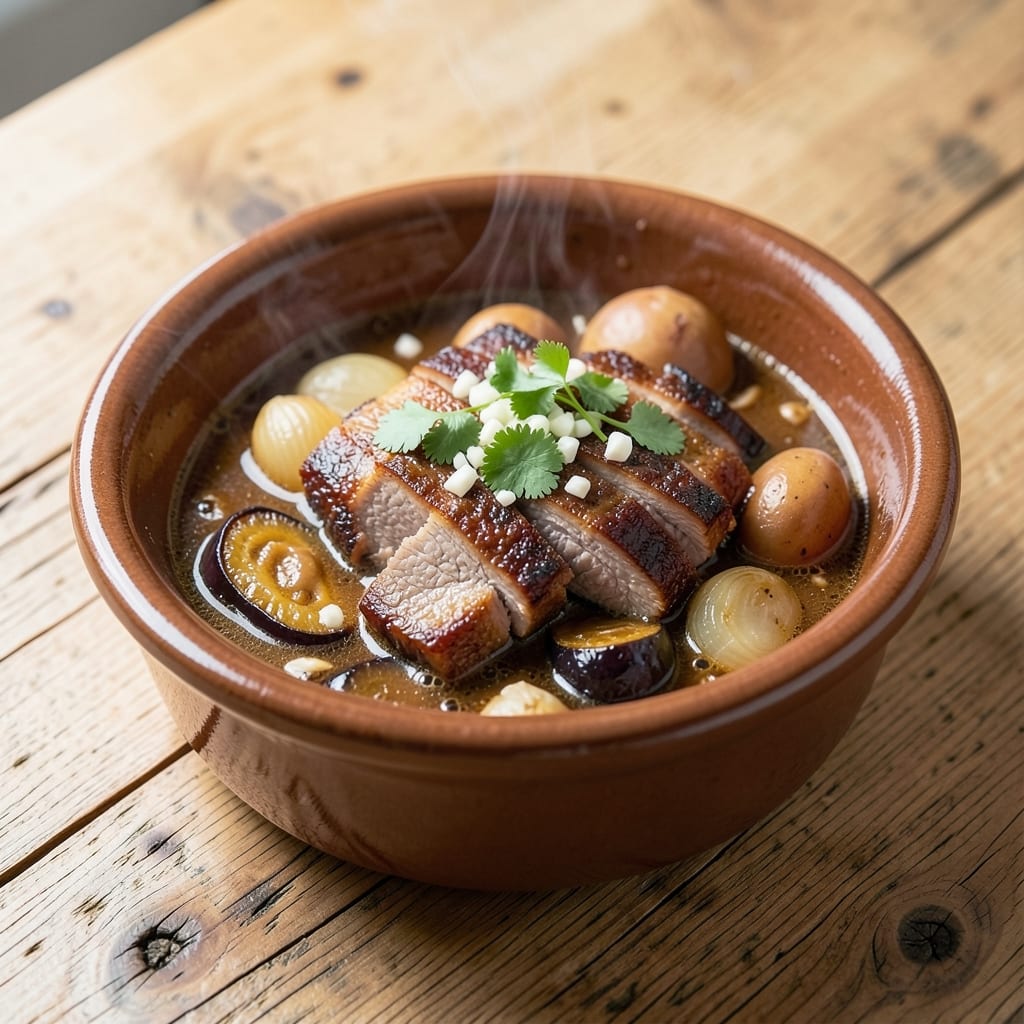
This Batangas pork caldereta recipe transforms humble ingredients into a rich, peanut-laced stew that’s become a Filipino comfort food staple. 🌟 The secret lies in slow-cooked pork shoulder melting into a velvety sauce, where peanut butter and potatoes create a hearty, satisfying dish. I first tasted this version in a small-town eatery in the Philippines, where the local touch of calamansi brightens the deep, savory flavors.
The dish begins with tender pork shoulder, simmered until fork-tender, then enriched with a blend of peanut butter, potatoes, and eggplant. What sets Batangas-style apart is the careful balance of sweet and tangy—calamansi or bagoong adds a regional twist that elevates the stew beyond ordinary. The sauce thickens into a luxurious consistency, coating every bite in a harmonious mix of peanut richness and umami depth.
By the time you serve this, you’ll have a dish that’s both rustic and refined—perfect over steamed rice or with crusty bread to soak up every last drop. The aroma alone will draw everyone to the table, while the texture offers a perfect contrast of creamy sauce and tender meat. This is the kind of recipe that turns simple ingredients into something extraordinary, with layers of flavor that keep you coming back.
Whether you’re recreating a taste of home or introducing Filipino cuisine to your table, this caldereta delivers restaurant-quality results with a method that’s surprisingly straightforward. Let’s bring the warmth of Batangas to your kitchen—one rich, peanut-infused bite at a time.
Ingredients for batangas pork caldereta
Peanut butter meets pork shoulder in this rich, Filipino-inspired stew that's heartier than it looks.
| Ingredient | Amount | Notes |
|---|---|---|
| Pork Shoulder 🥩 | 2 lb | Bone-in for flavor, cut into 2-inch chunks |
| Yellow Onions 🧅 | 2 whole | Medium size, sliced into half-moons |
| Garlic Cloves 🧄 | 6 cloves | Freshly minced for aromatic base |
| Peanut Butter 🥜 | ½ cup | Smooth, unsweetened preferred |
| Eggplant 🍆 | 1 lb | Medium size, peeled and cubed |
| Russet Potatoes 🥔 | 2 lb | Medium size, peeled and cubed |
| Tomato Sauce 🍅 | 15 oz | Canned, San Marzano preferred |
| Coconut Milk 🥥 | 13 ½ oz | Full-fat canned for creaminess |
| Calamansi Juice 🍋 | ¼ cup | Or substitute lime juice (1:1) |
| Bay Leaves 🌿 | 2 whole | Fresh for best aroma |
| Black Peppercorns 🌶️ | 1 tsp | Freshly cracked for heat |
| Salt 🧂 | 1 ½ tsp | Diamond Crystal preferred |
| Olive Oil 🫒 | ¼ cup | For initial pork searing |
| Green Bell Pepper 🌶️ | 1 whole | Medium size, sliced |
| Bagoong Alamang 🍤 | 2 tbsp | Optional, for umami depth |
The pork shoulder is non-negotiable here—bone-in for maximum flavor, and Costco or Whole Foods have the best cuts. Look for good marbling, which melts into the sauce. Eggplant and potatoes should be firm, not mealy—local markets often have fresher produce than grocery stores. Calamansi is the magic ingredient, but lime juice works in a pinch. If you can't find bagoong (that funky shrimp paste), soy sauce or fish sauce adds a similar depth. The peanut butter? Natural, unsweetened keeps the focus on savory notes, not sugar.
No calamansi? Lime or even lemon juice will work, though the flavor won't be identical. Short on coconut milk? Heavy cream or half-and-half adds richness, but the dish loses its authentic touch. The tomato sauce can be homemade (simmer crushed tomatoes with garlic and onion) or store-bought—Rao's or Muir Glen are solid choices. Bagoong unavailable? Soy sauce or anchovy paste (if you're okay with fish) brings umami. For the potatoes and eggplant, peeling ensures a creamier texture**, but leaving the skin adds fiber and rustic texture if you prefer.
This stew tastes even better the next day—plan ahead. Store in an airtight container in the fridge for 4-5 days, or freeze for 3 months (portion into containers for easy reheating). The sauce thickens as it cools, so add a splash of water or broth when reheating. Serve with steamed jasmine rice—it soaks up every bit of that peanut-coconut sauce. Leftovers? Double the batch—it disappears fast when you share it with neighbors.
Why You'll Love This Recipe
- One-Pot Magic: The moment I realized this dish only needs a deep skillet or pot—no extra pans, no fuss—I was sold. You brown the pork, toss in the onions and garlic, then let the peanut butter and eggplant simmer into a thick, velvety sauce. That’s it. (Yes, even on a Tuesday night.)
- Peanut Butter Power: Honestly, the peanut butter isn’t just an ingredient—it’s the star. It cuts through the richness of the pork, giving this stew a deep, nutty warmth that balances the tangy eggplant. The first time I skipped it, I regretted it instantly.
- Leftovers That Win: This stew tastes better the next day—seriously. The flavors meld into something richer, and reheating it is a breeze. I’ve packed it for lunches (with rice, obviously) and brought it to potlucks where it disappeared faster than the store-bought casseroles.
- Budget-Friendly Feast: Pork shoulder is affordable, eggplant grows cheap, and peanut butter stretches the sauce without breaking the bank. I’ve fed six people for under $15, and everyone leaves happy. (My daughter picks out the eggplant pieces, but still asks for seconds.)
Step-by-step instructions for Batangas pork caldereta
This rich, peanutty stew transforms humble ingredients into a hearty feast.
🔥 Step 1: Sear the Pork Shoulder for Deep Flavor
Heat the 0.25 cup olive oil in a large Dutch oven over medium-high heat until shimmering. Add the 2 lb pork shoulder in 2-inch chunks, working in batches if needed, and sear for 4-5 minutes per side until deep golden brown. The pork should release easily when ready to flip.
As the pork browns, you'll smell that wonderful Maillard reaction happening—this is where all the rich flavor develops. Don't rush this step; patience here means better-tasting stew later. Transfer the browned pork to a plate and set aside.
👨🍳 Step 2: Build the Aromatic Base
In the same Dutch oven, add the 2 whole yellow onions sliced into half-moons and cook for 5-6 minutes until softened and lightly caramelized. Add the 6 cloves garlic cloves that have been freshly minced and cook for 30 seconds until fragrant—you should smell that sweet garlic aroma filling your kitchen.
Here's where the magic starts: Stir in the 2 tbsp bagoong alamang (if using) and cook for 1 minute to toast its flavors. Then add the 1 whole green bell pepper sliced and cook for 3 minutes until slightly softened. This aromatic base forms the flavor foundation of your caldereta.
🍳 Step 3: Simmer with Peanut Butter and Vegetables
Pour in the 15 oz tomato sauce and scrape up any browned bits from the bottom of the pot. Add the 1 lb eggplant cubed and 2 lb russet potatoes cubed, along with the 2 whole bay leaves, 1 tsp black peppercorns, and 1.5 tsp salt. Bring to a gentle simmer over medium heat.
Here's the thing—this is where the peanut butter comes in. Stir in the 0.25 cup peanut butter and let it melt completely into the sauce. The mixture will look strange at first, but trust me, it creates that signature rich, nutty depth. Simmer for 15 minutes to let the flavors meld while the potatoes begin to soften.
🥘 Step 4: Finish with Coconut Milk and Calamansi
Pour in the 13.5 oz coconut milk and the 0.25 cup calamansi juice, stirring well to combine. Return the pork to the pot and bring everything to a gentle boil. Reduce heat to low and simmer uncovered for 45-60 minutes, stirring occasionally, until the pork is fork-tender and the potatoes are fully cooked.
You'll know it's ready when the potatoes are easily pierced with a fork and the sauce has thickened slightly. The calamansi juice adds that bright, tangy balance that cuts through the richness of the peanut butter and coconut milk. Taste and adjust seasoning if needed—this is your chance to perfect the flavor.
⏰ Step 5: Rest and Serve with Perfect Texture
Remove from heat and let the caldereta rest for 10 minutes before serving. This resting time allows all the flavors to meld together and the juices to redistribute throughout the stew. The potatoes will continue to absorb some of the sauce, creating that perfect balance of creamy and chunky textures.
Serve the caldereta hot, with the potatoes and eggplant floating in that rich, peanutty sauce. The pork should be tender enough to pull apart with a fork, and each bite should deliver a perfect harmony of savory, nutty, and slightly tangy flavors. This is comfort food at its finest—simple ingredients transformed into something truly special.
Pro Tips For Making Batangas Pork Caldereta
- Sear the Pork Hard: Get that pork shoulder screaming hot in the pan first—no rushing. I used to skip this, and the peanut butter sauce would just cling instead of caramelizing. Two minutes per side until deep brown, then deglaze with half the onions and garlic. That’s where the flavor hides.
- Slice Eggplant Thin: Skip the thick chunks—this isn’t stew. Cut eggplant into ¼-inch slices (or even thinner if you’re patient) so it cooks fast and soaks up the peanut sauce instead of turning to mush. Toss them in salt first, let sit 10 minutes, then pat dry. Trust me, it matters.
- Simmer Slow and Low: After adding the peanut butter, drop the heat to a bare simmer. I learned this the hard way—boiling it turns the sauce greasy and separates the peanut flavor. Aim for 45-60 minutes total, stirring occasionally. The pork needs time to fall apart, not steam.
- Toast the Peanut Butter: Warm the peanut butter in a separate pan with a splash of water before mixing it into the sauce. Sounds weird, but it works: it prevents clumping and deepens the nutty aroma. Stir until it’s just melted but not browned—you want it smooth, not burnt.
Regional styles of this recipe
Batangas vs. Manila Style
Batangas-style caldereta stands out for its peanut butter base and potato-heavy composition, giving it a heartier, creamier texture than Manila's version. In Manila, you'll often find more tomato sauce and less coconut milk, creating a tangier stew. The Batangas version uses calamansi juice for brightness, while Manila might opt for vinegar or lemon. I've noticed Batangas cooks add eggplant for a subtle bitterness that balances the richness. 🌶️
Pangasinan Twist
Pangasinan takes caldereta in a spicier direction, incorporating chili peppers and bagoong isda (fermented fish paste) instead of bagoong alamang. Their version often includes green papaya for crunch, while Batangas focuses on potatoes and eggplant. I've made both—Pangasinan's is bolder, while Batangas feels more comforting. The peanut butter remains the star in both, though.
Cebu's Seafood Fusion
Cebu's coastal influence brings shrimp, squid, or fish to their caldereta, blending it with leche flan flavors using coconut milk and caramelized onions. Batangas keeps it pork-centric, but Cebu's version feels lighter with citrus-infused broth. The peanut butter is still present but often thinned with more coconut milk to accommodate the seafood. I love Cebu's version for seafood lovers, but Batangas wins for meat-focused stews. 🍤
Visayan Heartiness
The Visayan region adds longanisa (Filipino sausage) and green beans to their caldereta, creating a chunkier, meatier stew. Batangas relies on potatoes and eggplant for texture, while Visayan versions might use taro or yam for a starchy bite. The peanut butter is still essential, but Visayan cooks often reduce the sauce longer for a deeper, caramelized flavor. I find Visayan caldereta more filling—perfect for larger gatherings. 🥔
Modern Filipino Adaptations
Today's chefs are putting fusion spins on caldereta—think miso peanut butter or truffle-infused coconut milk. Batangas purists might frown, but I've experimented with smoked paprika for depth or chocolate (yes, dark chocolate!) for a sweet-savory twist. The key? Keep the peanut butter and calamansi as anchors. These modern takes prove caldereta is endlessly adaptable while staying true to its soul. 💡
Nutrition facts
Frequently asked questions
Why does this Batangas-style caldereta use peanut butter?
The peanut butter creates the dish's signature rich, nutty depth that balances the tangy calamansi and coconut milk. It's not sweet—just 0.5 cup unsweetened peanut butter melts into the sauce, giving that creamy texture and umami boost that makes this stew so satisfying.
Can I substitute calamansi if I can't find it?
Yes! Use lime juice in a 1:1 ratio, but the flavor won't be identical. For extra brightness, add 1 tsp sugar to mimic calamansi's natural sweet-tart balance. The key is acidity—just don't skip it, as it cuts through the richness.
What's the secret to tender pork in this recipe?
Slow cooking is crucial—simmer the pork for 45-60 minutes until fork-tender. Start with bone-in pork shoulder for extra flavor, and don't rush the searing step. The longer it cooks, the more it absorbs the peanut-coconut sauce.
How do I fix if the sauce gets too thin?
Simmer uncovered for 10-15 extra minutes to reduce naturally. If still too thin, mix 1 tbsp cornstarch with 2 tbsp water, stir into the sauce, and cook until thickened. Avoid adding flour directly—it can make the sauce grainy.
Can I make this in an Instant Pot?
Yes! Sear the pork first, then add all ingredients and cook on high pressure for 30 minutes, followed by a 10-minute natural release. The sauce may need thickening afterward since Instant Pot cooking reduces liquids faster.