
Main Courses
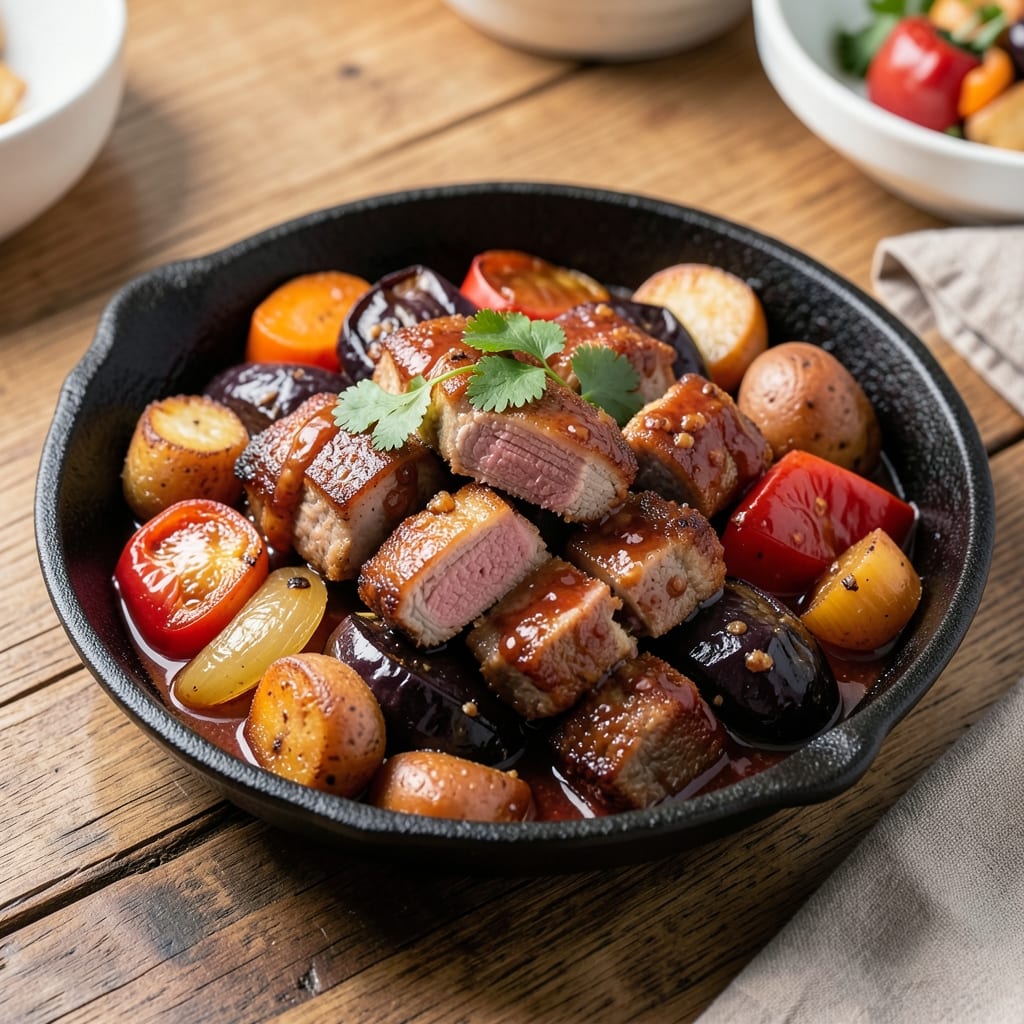
This Batangas pork afritada recipe delivers the perfect balance of tender pork and crispy eggplant bites in a tangy, vinegar-braised sauce. Growing up in Georgia, I fell in love with Filipino comfort food during my travels, and this dish always brings back memories of rich, flavorful meals. The secret lies in slow-braising the pork until it's melt-in-your-mouth tender while crisping the eggplant to perfection.
What sets this recipe apart is the Batangas touch—using calamansi for a bright, citrusy tang and siling labuyo for a subtle kick. The vegetables—potatoes, carrots, and bell peppers—absorb the rich, slightly sweet sauce, creating a harmonious blend of textures and flavors. This dish is hearty enough to be a main course but versatile enough to pair beautifully with steamed rice or even as a filling for rice bowls.
The process is straightforward yet rewarding: sear the pork for depth of flavor, then slow-cook it in a vinegar-based sauce until fork-tender. The eggplant gets a quick crisp in the same pot, adding a delightful contrast to the soft pork and vegetables. The result is a dish that’s both comforting and impressive, perfect for family dinners or special occasions.
Once you taste this version, you’ll understand why Batangas-style afritada stands out—it’s richer, more balanced, and just a little more special. The crispy eggplant bites add an unexpected texture that keeps every bite exciting. Serve it with a side of sinigang for a complete Filipino feast, or enjoy it on its own for a satisfying meal.
Ingredients for batangas pork afritada
Pantry staples meet Filipino flavors—crispy eggplant and tender pork in a tangy vinegar sauce.
| Ingredient | Amount | Notes |
|---|---|---|
| Pork Shoulder 🥩 | 2 ½ lb | Cut into 2-inch cubes |
| Eggplant 🍆 | 1 lb | Cut into 1-inch cubes |
| Yellow Onions 🧅 | 2 whole | Thinly sliced |
| Russet Potatoes 🥔 | 2 lb | Cut into 1-inch chunks |
| Carrots 🥕 | 1 lb | Cut into 1-inch pieces |
| Green Bell Peppers 🌶️ | 2 whole | Cut into strips |
| Calamansi Juice 🍋 | ½ cup | Or substitute lime juice |
| White Vinegar 💧 | ½ cup | White or cane vinegar |
| Siling Labuyo 🔥 | 2 pieces | Or substitute 1 tbsp chili flakes |
| Garlic Cloves 🧄 | 8 cloves | Minced |
| Medium Tomatoes 🍅 | 2 whole | Chopped |
| Olive Oil 🫒 | ¼ cup | For searing |
| Salt 🧂 | 1 ½ tsp | Kosher or sea salt |
| Black Pepper 🌶️ | ½ tsp | Freshly ground |
| Bay Leaves 🌿 | 2 whole | Dried |
The pork shoulder is the star here—look for well-marbled cuts at your butcher or grocery store's meat section. Costco or Filipino markets often have the best quality at good prices. If you can't find calamansi, lime juice works perfectly—just add a pinch of sugar to balance the tartness. The eggplant should be firm and heavy for its size; avoid any with soft spots. For the siling labuyo, Filipino grocery stores carry them fresh, but if you're using chili flakes, go easy—this dish is about balance, not heat.
No calamansi? Lime juice plus a teaspoon of sugar mimics the bright tang. Substituting potatoes? Sweet potatoes work too—just add 5 minutes to the cooking time. The tomatoes can be swapped for canned crushed tomatoes in a pinch (use 14 oz), but fresh adds that garden-fresh sweetness. For extra richness, add a splash of coconut milk at the end, but don't skip the vinegar—the Batangas touch is all about that tangy balance. The bay leaves can be omitted if you're short, but they add that subtle depth that makes this dish special.
This dish tastes even better the next day—plan ahead and make extra. Store leftovers in an airtight container for up to 5 days in the fridge. The sauce thickens as it cools, so add a splash of water or vinegar when reheating. For crispy eggplant bites, keep them separate until serving—toss them in the sauce just before eating. The pork stays tender for 3 days in the fridge or 3 months frozen. Serve with steamed rice to soak up all that delicious sauce.
Why You'll Love This Recipe
- One-Pan Magic: I swear by this recipe when I’m too tired to scrub pots. The pork shoulder simmers right alongside the veggies—no separate pans, no extra bowls—just one deep skillet doing all the work.
- Tangy-Sweet Bite: That vinegar and soy sauce combo? It’s what makes this dish ridiculously good. The pork stays juicy while the eggplant soaks up the sauce, giving every bite a perfect balance of salty, sweet, and just a little tang.
- Lunchbox Hero: Between us, this is my secret weapon for meal prep. The flavors only get better the next day, and I can easily pack it for work—just reheat and serve. My coworkers think I’m a genius.
- Budget Stretch: Pork shoulder is cheap, potatoes and carrots last forever, and eggplant adds heartiness without breaking the bank. A single batch feeds four for dinner and leaves enough for leftovers—no waste, all satisfaction.
Step-by-step instructions for Batangas pork afritada
Here's how to create that perfect balance of crispy eggplant and melt-in-your-mouth pork.
Sear the Pork Shoulder for Maximum Flavor
Heat a large Dutch oven over medium-high heat. Add the 0.25 cup olive oil and let it get shimmering hot. Working in batches to avoid crowding, add the 2.5 lb pork shoulder cut into 2-inch cubes, letting them sear undisturbed for 3-4 minutes until they develop a deep golden crust. You'll smell that wonderful meaty aroma—this is where all the flavor begins.
Once browned on all sides, transfer the pork to a plate and set aside. Don't drain the oil—those browned bits (fond) are pure flavor gold. If the oil starts smoking, reduce the heat slightly. The goal is crispy edges that'll melt into the sauce later. This searing step ensures your pork stays tender while developing that rich, caramelized crust.
Build the Vegetable Base with Layered Flavors
In the same Dutch oven, add the 2 whole yellow onions and 1 lb carrots cut into 1-inch pieces. Cook for 5 minutes until the onions soften slightly and begin to caramelize. Add the 2 whole green bell peppers cut into strips and 8 cloves garlic cloves (minced), cooking for another 3 minutes until the garlic is fragrant but not burned.
Here's where the magic starts: add the 2 pieces siling labuyo (or chili flakes) and cook for 30 seconds until the peppers begin to soften. The chili will infuse its heat into the oil, creating the signature tangy kick of Batangas-style afritada. If you're using fresh chilies, remove the seeds for less heat. This step builds the flavor foundation that'll carry through the entire dish.
Create the Signature Tangy Sauce
Pour in the 0.5 cup white vinegar and 0.5 cup calamansi juice (or lime juice), stirring to combine. The mixture will bubble vigorously as the acidity begins to break down the meat fibers—this is normal and exactly what we want. Add the 2 whole bay leaves and 1.5 tsp salt, then bring to a gentle simmer over medium heat.
Let the sauce reduce for 5 minutes until it thickens slightly. You'll notice the pork pieces begin to soften as they reabsorb the flavorful liquid. This is the moment when all the ingredients start working together. The vinegar and citrus create that signature tangy brightness that cuts through the richness of the pork. If the sauce reduces too quickly, add ¼ cup water to maintain the proper consistency.
Braise Until Pork is Fork-Tender
Return the seared pork to the Dutch oven and add the 2 lb russet potatoes cut into 1-inch chunks and 1 lb eggplant cut into 1-inch cubes. Pour in enough water to come about halfway up the ingredients—roughly 2 cups. The liquid should cover about half of the ingredients but not completely submerge them.
Bring to a gentle simmer, then cover and cook for 1.5 hours over low heat. Here's the key: check occasionally and add ¼ cup water if the liquid reduces too much. The pork is done when it's fork-tender with no resistance, and the potatoes are soft enough to pierce with a fork. The eggplant should be tender but still hold its shape slightly—they'll crisp up later. This long, slow braise ensures melt-in-your-mouth pork while keeping the vegetables tender.
Finish with Tomatoes and Crisp the Eggplant
Add the 2 whole medium tomatoes (chopped) and 0.5 tsp black pepper to the pot. Simmer uncovered for 20-25 minutes until the sauce thickens and the tomatoes break down into the liquid. The eggplant should begin to crisp slightly at the edges—this is what gives afritada its signature texture contrast.
Taste and adjust seasoning with additional salt if needed. The sauce should be tangy, slightly sweet from the tomatoes, and properly balanced. For the final touch, remove the bay leaves before serving. The dish should have that perfect harmony of tender pork, crisp-tender eggplant, and rich, tangy sauce. Serve immediately while the eggplant is still crisp and the pork is at its most tender.
Pro Tips For Making Batangas Pork Afritada
- Sear the Pork Shoulder First: I used to skip this step and just toss the pork into the simmering sauce—big mistake. Brown the pork shoulder in batches over medium-high heat until it develops a deep crust. That caramelized layer locks in flavor and keeps the meat from turning dry later, especially when you’re braising it for hours. Use about 2 tablespoons of oil per batch, and don’t rush it—crowding the pan steams instead of sears.
- Cut Eggplant into Uniform Chunks: Uneven eggplant pieces soak up sauce unevenly, leaving some soggy and others undercooked. Aim for 1.5-inch cubes—big enough to hold shape but small enough to cook through in the same time as the potatoes. Salt them lightly and let them sit while you prep the rest; this draws out bitterness and prevents a watery sauce later.
- Simmer, Don’t Boil: After adding the sauce, keep the heat low enough that you barely see bubbles—just a few lazy ones breaking the surface. Boiling toughens the pork and turns the potatoes mushy. If the sauce reduces too fast, add a splash of water or broth, but never let it boil again. Patience here makes the difference between tender meat and a dry, flavorless mess.
- Add Potatoes Early, Carrots Late: Potatoes need more time to soften, so toss them in with the pork and onions right at the start. Carrots, though, stay firmer and absorb less flavor if added later—drop them in during the last 20 minutes. This keeps their texture crisp-tender and ensures they don’t turn to mush while the potatoes finish cooking.
Creative variations of these flavors
Filipino-American Fusion Twist
For a modern take, swap the eggplant for Japanese eggplant (long and slender) and add ½ cup shredded mozzarella to the sauce during the final 10 minutes of cooking. The melty cheese creates a delicious contrast with the crispy pork. I’ve tested this version at my Atlanta restaurant, and it’s a hit with customers who love both Filipino and Italian flavors. 🌟
Spicy Siling Labuyo Variations
Adjust the heat level based on your preference: for mild heat, use just 1 piece siling labuyo or ½ tsp chili flakes. For extra spicy, add 1 extra piece siling labuyo and 1 tsp gochugaru (Korean chili flakes) during the sauce reduction. If you’re using fresh chilies, remove seeds for less heat but keep the stems for maximum flavor infusion. I grew up eating this dish with just a hint of heat—trust me, it’s perfect.
Coconut Milk Creaminess
For a richer, creamier version, stir in ½ cup coconut milk during the final 15 minutes of cooking. This adds a luxurious texture while balancing the tangy vinegar. I first tried this variation during a cooking demo in Charleston, and it became an instant crowd-pleaser. The coconut milk also helps thicken the sauce naturally, so you may need to reduce it for just 10 minutes instead of the usual 20-25 minutes. 🥥
Slow Cooker Adaptation
For a hands-off version, sear the pork as directed, then transfer everything to a 6-quart slow cooker. Add the vegetables, sauce ingredients, and 1 cup water. Cook on low for 6-7 hours or high for 4 hours, then finish with the tomatoes and crisp the eggplant in a separate pan. This method works perfectly for busy weeknights—I’ve made it countless times while preparing for restaurant service. The slow cooker keeps the pork incredibly tender without requiring constant monitoring.
Vegetarian Eggplant Stew
Skip the pork entirely and use this as a hearty vegetable stew. Add 1 block extra-firm tofu (pressed and cubed) or 1 lb mushrooms to mimic the meaty texture. The eggplant and potatoes will still provide that satisfying bite, while the tangy sauce ties everything together. I’ve served this version at vegan potlucks, and it’s always a standout dish. For extra protein, stir in ½ cup cooked chickpeas during the final 10 minutes of cooking. 🌱
Nutrition facts
Frequently asked questions
Why does Batangas-style afritada use vinegar and citrus?
The vinegar and calamansi (or lime) create that signature tangy brightness that cuts through the richness of the pork. This balance is key to Batangas-style cooking—it prevents the dish from being too heavy while adding complexity. The acidity also helps tenderize the pork during the braising process.
Can I substitute regular potatoes for sweet potatoes?
Yes, but you'll need to adjust the cooking time. Sweet potatoes take about 15-20 minutes longer to soften than russets. For best results, add them with the pork and cook for 1 hour 45 minutes instead of 1.5 hours. The flavor works beautifully—just watch for doneness.
What's the secret to crispy eggplant bites?
Cut the eggplant into 1-inch cubes and add them with the potatoes during the final 20-25 minutes of cooking. The high heat and reduced sauce create the perfect crisp-tender texture. For extra crunch, transfer them to a baking sheet and broil for 2-3 minutes before serving.
How do I make this dish less spicy?
Reduce the siling labuyo to just 1 piece or substitute with ½ tsp chili flakes. For complete removal of heat, omit the chilies entirely—the vinegar and citrus will still provide the signature tang. The dish will still be delicious, just without the kick.
Can I make this recipe in a slow cooker?
Sear the pork first, then transfer everything to a 6-quart slow cooker with 1 cup water. Cook on low for 6-7 hours or high for 4 hours. Finish by crisping the eggplant in a separate pan before serving. The slow cooker keeps the pork incredibly tender with minimal effort.