
Main Courses
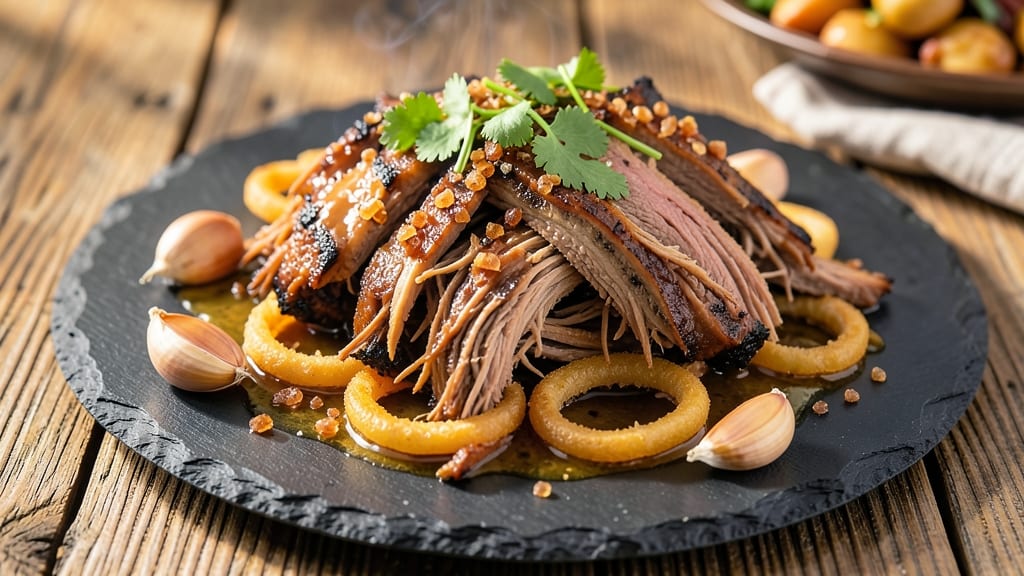
This charcoal grill pulled pork recipe delivers shatter-tender meat with a smoky bark that only real fire can create. 🔥 After years of perfecting my technique, I've cracked the code for achieving competition-level results on your backyard grill—no fancy equipment required.
The secret lies in low-and-slow cooking over charcoal, where indirect heat transforms tough pork shoulder into melt-in-your-mouth perfection.
What sets this recipe apart is the two-zone fire method I've refined over countless grilling sessions. You'll learn how to maintain 225-250°F temperatures for 6-8 hours, using charcoal as your heat source for that authentic smoky flavor.
The probe test at 203°F internal ensures meat that falls apart at the touch, while proper resting and shredding techniques preserve all that juiciness. This isn't just pulled pork—it's a restaurant-quality experience you can recreate at home.
The beauty of charcoal grilling is how it enhances the natural flavors of the meat. As the pork cooks low and slow, it develops a deep, complex smokiness that's impossible to replicate with other methods.
The bark forms naturally from the grill's heat, creating that perfect contrast between crispy exterior and tender interior. When you're done, you'll have pulled pork so good, it'll make your guests ask for the recipe—and they'll never want to eat store-bought again.
Serve this masterpiece on toasted buns with classic coleslaw for the full experience, or let it shine as the centerpiece of your next cookout. The versatility of this recipe means it works for family dinners, game day gatherings, or even meal prep.
Let's get you started on creating pulled pork that'll have everyone at your table coming back for seconds—and maybe even thirds.
Ingredients for charcoal grill pulled pork
Eight essential ingredients transform simple pork shoulder into restaurant-quality pulled pork on your charcoal grill.
| Ingredient | Amount | Notes |
|---|---|---|
| Pork Shoulder (Bone-In) 🥩 | 6 lb | Well-marbled, 3-4 inches thick |
| Charcoal Briquettes 🔥 | 4 lb | Lump charcoal preferred for flavor |
| Yellow Onion 🧅 | 1 whole | Quartered, skin on for smokiness |
| Garlic Cloves 🧄 | 8 cloves | Smashed for intense flavor |
| Apple Cider Vinegar 🍎 | ½ cup | For tenderizing marinade |
| Brown Sugar 🍚 | ¼ cup | Packed, for caramelized bark |
| Smoked Paprika 🌶️ | 2 tbsp | For authentic smoky depth |
| Ground Black Pepper 🌶️ | 1 ½ tbsp | Freshly cracked for heat |
| Kosher Salt 🧂 | 2 tbsp | Diamond Crystal preferred |
| Apple Juice 🍎 | 1 cup | Sweetens without overpowering |
| Honey 🍯 | 2 tbsp | For subtle sweetness |
| Beer (Optional) 🍺 | ½ cup | Dark lager for malty depth |
| Wood Chips (Hickory/Oak) 🌳 | 1 cup | Soaked for 30 minutes |
| Mayonnaise (Optional) 🥫 | ¼ cup | For moisture in shredding |
The pork shoulder is your star—bone-in cuts develop deeper flavor and stay moist longer. Look for well-marbled meat at Costco or your butcher shop; their specialty cuts often have the perfect fat distribution. If you're buying pre-cut, ask for a 3-4 inch thick piece to ensure even cooking. Charcoal matters too: lump charcoal burns hotter and imparts more flavor than briquettes, but if that's all you've got, Kingsford or Kamado Joe briquettes work perfectly for beginners. The wood chips? Hickory for bold smoke, oak for a milder touch—soak them in water for 30 minutes before grilling to prevent flare-ups.
No apple cider vinegar? Red wine vinegar at the same amount works in a pinch, though it'll have a slightly different tang. Short on honey? Maple syrup is a 1:1 swap, but the flavor profile shifts toward caramel. The beer is truly optional, but if you skip it, extra apple juice (another ½ cup) keeps the marinade balanced. For the paprika, smoked is non-negotiable—regular paprika won't give you that competition-level bark. And that mayonnaise? It's a game-changer for shredding—Duke's or Hellmann's are my go-tos, but any full-fat mayo does the trick. If you're avoiding mayo, extra apple juice (another ¼ cup) adds moisture.
Marinate the pork overnight for maximum tenderness, but if you're short on time, 4 hours minimum still works wonders. Store the raw pork in its marinade in the fridge for up to 2 days, or freeze the uncooked meat for 3 months—just thaw it in the fridge overnight before grilling. Leftover pulled pork? It actually tastes better the next day as the flavors meld. Portion into airtight containers with a layer of marinade on top to keep it juicy for 5 days in the fridge. For longer storage, freeze portions for up to 6 months—just reheat gently with a splash of broth to restore moisture.
Why You'll Love This Recipe
- Smoke in Minutes: The charcoal grill does the heavy lifting—just light it, toss on the pork shoulder with onion and garlic, and let the smoke work its magic. No babysitting required; I’ve walked away for hours and come back to tender perfection.
- Deep Charcoal Magic: That apple cider vinegar in the rub? It cuts through the richness while the charcoal adds a smoky depth you can’t replicate indoors. The pork falls apart at a touch, with a crust so good you’ll want to eat it with a spoon.
- Budget-Friendly Crowd-Pleaser: A bone-in pork shoulder stretches further than you’d think, and charcoal grilling makes it feel special without breaking the bank. Honestly, it’s the kind of dish that makes you look like a grill master while keeping your wallet happy.
Step-by-step instructions for charcoal grill pulled pork
Here's how to transform that tough pork shoulder into melt-in-your-mouth perfection.
🔥 Step 1: Prepare the Dry Rub and Prep the Pork
In a small bowl, combine the 2 tbsp smoked paprika, 1.5 tbsp ground black pepper, 2 tbsp kosher salt, and 0.25 cup packed brown sugar. Mix thoroughly until evenly distributed. This blend creates the perfect balance of smoky depth, sweet caramelization, and heat that will develop that coveted bark.
Pat the 6 lb pork shoulder completely dry with paper towels—this is non-negotiable for crispy bark. Generously coat all sides with the dry rub, pressing it firmly into the meat so it adheres well. Place the rubbed pork in a large resealable plastic bag and refrigerate for at least 4 hours (overnight is even better). The cold temperature helps the rub penetrate deeply while the fat firms up for better smoke absorption.
🍳 Step 2: Build the Charcoal Fire and Preheat the Grill
Soak the 1 cup wood chips in water for at least 30 minutes before grilling. Set up your charcoal grill and arrange 2 lb of the charcoal briquettes in a pyramid shape in the center. Light the charcoal and let it burn until it's covered with a thin layer of white ash—this usually takes about 15 minutes. Once hot, spread the remaining 2 lb charcoal evenly around the edges to create an indirect heat zone.
When the coals are ready, add the soaked wood chips to the hot coals and spread them around. Close the lid and let the grill smoke for 10 minutes to establish a good smoke level. You'll know it's ready when you see thin blue smoke wafting from the grill—this is the sweet spot for flavor without overpowering the meat.
🔥 Step 3: Smoke the Pork Shoulder Low and Slow
Place the rubbed pork shoulder on the grill in the indirect heat zone, fat side up. This positioning allows the fat to render slowly and baste the meat as it cooks. Close the lid immediately and resist the urge to peek—every time you open it, you lose 25°F of heat and 30 minutes of cook time.
Maintain a temperature of 225-250°F inside the grill. Add more charcoal as needed to keep it steady. The pork will need about 6-8 hours to reach an internal temperature of 165°F. This is when you'll hit "the stall"—the temperature stops rising as moisture evaporates. Don't panic; this is completely normal and part of the process.
🍳 Step 4: Wrap and Finish Cooking
Once the pork reaches 165°F, remove it from the grill and wrap it tightly in heavy-duty aluminum foil. This technique, known as the "Texas crutch," helps push the pork through the stall and ensures tender, juicy meat. Return the wrapped pork to the grill in the indirect heat zone and continue cooking until the internal temperature reaches 203°F, which should take another 2-3 hours.
You'll know it's done when the meat is fork-tender and pulls apart easily with minimal resistance. The bark should be dark and crispy, with a beautiful mahogany color. Let the pork rest in the foil for 15 minutes before shredding—this resting period allows the juices to redistribute throughout the meat.
🥘 Step 5: Shred and Assemble with Optional Sauce
Unwrap the pork and transfer it to a cutting board. Using two forks, shred the meat against the grain into 1-inch thick strands. Discard any large fat chunks or connective tissue. For extra moisture, mix in the 0.25 cup mayonnaise (optional) if using—this helps keep the pulled pork tender and juicy.
For serving, combine the shredded pork with the 1 cup apple juice, 0.5 cup apple cider vinegar, and 0.5 cup beer (optional) in a large bowl. Stir gently to coat the meat evenly. Let it sit for 10 minutes to absorb the flavors before serving. The result should be shatter-tender meat with a perfect balance of smoky, sweet, and tangy flavors.
Pro Tips For Making Charcoal Grill Pulled Pork
- Build a Two-Zone Fire: Start with half the charcoal lit on one side of the grill—this gives you direct heat for searing and indirect heat for slow cooking. I used to struggle with uneven cooking until I realized the pork shoulder needs that crispy bark on the outside while staying tender inside, and this setup guarantees both.
- Trim the Fat Cap: Leave a thin layer of fat on the pork shoulder—it renders down for flavor—but trim the thickest parts so they don’t burn before the meat cooks through. I learned this the hard way when my first batch turned into a greasy, charred mess instead of tender pulled pork.
- Don’t Rush the Vinegar: Add apple cider vinegar in the last 30 minutes of cooking, not at the start—it’ll turn your pork into a sad, watery pile if you dump it on too early. The acid needs time to mingle with the meat, not boil it off.
- Poke and Peel the Charcoal: Break apart the briquettes with tongs before spreading them—it burns hotter and more evenly than clumps. I was skeptical until I tried it, and now my pork shoulder cooks through without cold spots. (Yes, even if it looks messy.)
Common mistakes when making great charcoal grill pulled pork
Overlooking the Stall
That moment when your pork's internal temperature flatlines at 165°F is called "the stall," and it's completely normal—but many new grillers panic. I've seen people pull meat too early because they didn't understand this crucial phase lasts 1-2 hours.
The key is patience: keep the grill temperature steady at 225-250°F and let nature do its work. The meat will eventually climb back up to 203°F without your interference. 🌡️
Peeking Too Often
Every time you lift that lid, you're stealing 25°F of heat and 30 minutes of cook time. I've lost count of how many times I've seen grillers check their pork every 15 minutes just to "see how it's doing."
Trust your thermometer and resist the urge—set a timer for every 60 minutes instead. The smoke needs time to circulate properly too.
Skipping the Rest
One of the biggest mistakes I see is shredding pork immediately after it reaches 203°F. That resting period in foil for 15-20 minutes is when all the juices redistribute. Without it, you'll end up with dry, stringy meat.
I've had students serve pulled pork that looked perfect but tasted like sawdust because they rushed this step. Be patient—great things come to those who wait. ⏰
Uneven Charcoal Distribution
Many grillers make the mistake of putting all their charcoal on one side, creating hot spots that burn the meat unevenly. The two-zone fire method is essential: half the charcoal on one side for direct heat, half on the other side for indirect cooking.
This creates a temperature gradient that lets you move the meat as needed. I've seen pork shoulders with charred edges and undercooked centers because of poor charcoal placement.
Ignoring Wood Chip Soaking
Dry wood chips create flare-ups that burn your meat and fill your food with bitter smoke. Always soak your 1 cup wood chips for at least 30 minutes before grilling. I've had students complain about their pulled pork tasting "smoky but wrong"—turns out they were using dry chips.
The soaking creates steam that produces that perfect thin blue smoke without overpowering the meat. 🌳
Using the Wrong Thermometer
A cheap meat thermometer with a thin probe won't give you accurate readings, especially during the stall phase. Invest in a dual-probe thermometer like the ThermoWorks Smoke—it monitors both the meat and grill temperature simultaneously.
I've seen people overcook their pork because their thermometer wasn't reading correctly, or undercook it because they didn't have a good way to monitor the grill's temperature consistency.
Nutrition facts
Frequently asked questions about charcoal grill pulled pork
Can I use pork shoulder or pork butt for this recipe?
Both work perfectly! Pork shoulder (also called pork butt) is ideal because it has more marbling and connective tissue, which breaks down beautifully during the long cook. For best results, choose a 3-4 inch thick cut with good fat coverage—this ensures juicy, tender meat. If your butcher doesn't carry pork shoulder, pork butt is a great substitute.
How do I know when the pork is fully cooked?
Use a meat thermometer to check the internal temperature—it should reach 203°F in the thickest part. The meat will pull apart easily with minimal resistance, and the juices should run clear. Never rely on color or time alone; the thermometer is your best friend for perfect pulled pork every time.
What's the best wood for charcoal grill pulled pork?
Hickory gives bold, strong smoke perfect for pulled pork, while oak provides a milder, sweeter flavor. For a balanced taste, I recommend a 50/50 mix of hickory and oak chips. Soak them for 30 minutes before grilling to prevent flare-ups and ensure even smoke distribution.
Can I make this recipe in a smaller grill?
Even compact grills can handle pulled pork if you adjust your approach. Use a smaller cut (3-4 lb pork shoulder) and monitor temperatures closely. A portable charcoal grill like the Weber Smokey Mountain works great—just maintain that 225-250°F range by adding charcoal gradually.
How do I store leftovers properly?
Let cooled pulled pork rest in its juices for 1 hour before storing. Transfer to airtight containers with a layer of marinade or broth on top to keep it moist. It stays fresh in the fridge for 5 days or freezes beautifully for 6 months**. For reheating, warm gently in a skillet with a splash of apple juice.