
Main Courses
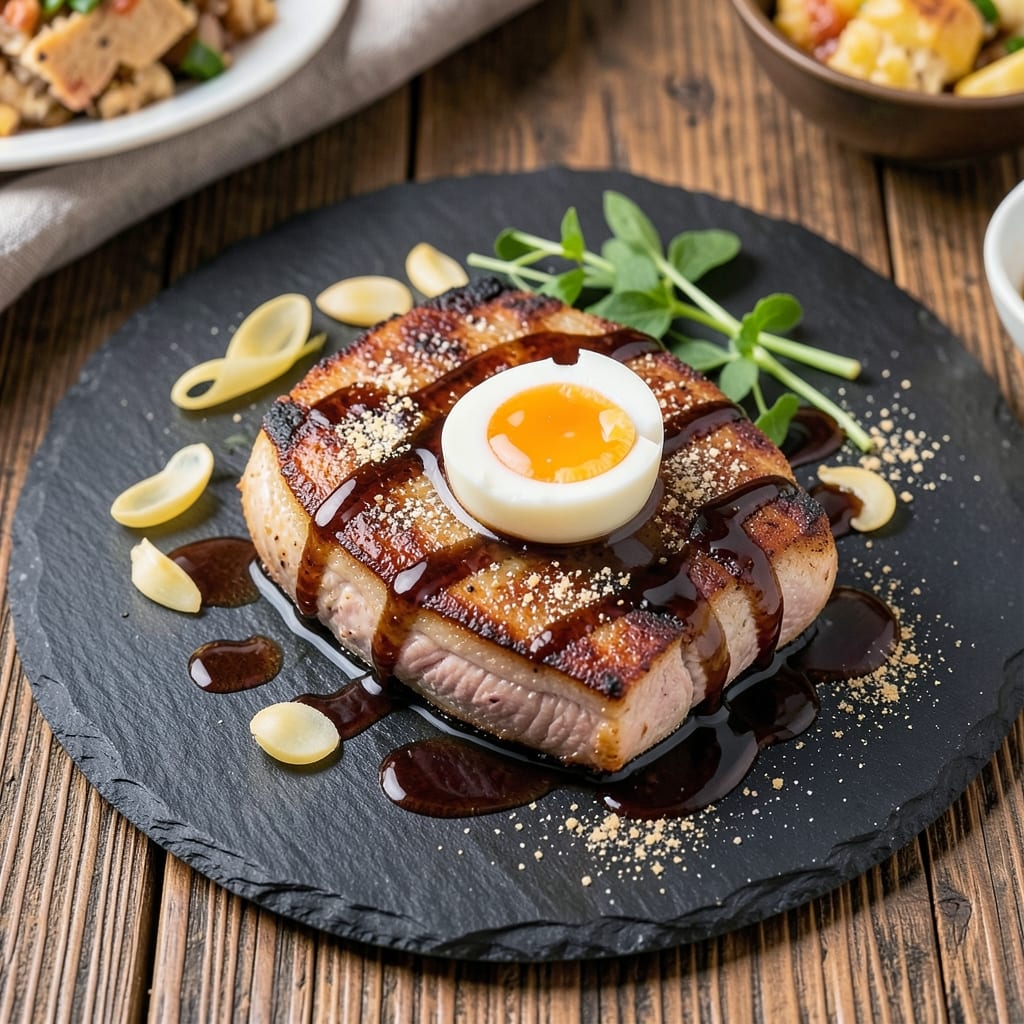
This Filipino-style bistek pork chop recipe brings the bold flavors of Tagalog cuisine to your kitchen with a soy-ginger crust that's crispy outside and tender inside. 🔥 I first encountered this technique while working with Southeast Asian chefs, and it became an instant favorite for its perfect balance of sweet, savory, and tangy notes. The secret lies in the marinade—soy sauce, calamansi (or lime), and garlic work together to create a flavor profile that's both familiar and excitingly different.
The process is straightforward but packed with professional techniques: marinate the pork chops for at least 30 minutes, then bread them with flour and egg for that signature crispy crust. Pan-frying at medium-high heat ensures a golden-brown exterior while keeping the meat juicy. What sets this recipe apart is the caramelized sauce reduction at the end, which thickens into a glossy, slightly sticky glaze that clings perfectly to the chops.
By the time you serve these, you'll have dinner-worthy pork chops with a restaurant-quality finish. The soy-ginger crust delivers a satisfying crunch, while the tender meat and rich sauce create a harmonious bite. This dish pairs beautifully with garlic rice and atchara (pickled papaya) for an authentic Filipino meal experience.
Whether you're cooking for family or hosting a dinner party, this recipe delivers impressive results with minimal effort. The flavors are bold enough to stand out on their own but versatile enough to complement other dishes. Let's get started on bringing this classic Filipino technique to your kitchen.
Ingredients for bistek pork chop
Four pork chops, bold flavors, and a crispy soy-ginger crust—this Filipino classic delivers restaurant-quality results at home.
| Ingredient | Amount | Notes |
|---|---|---|
| Boneless Pork Chops 🍖 | 4 whole | 1-inch thick, center-cut |
| All-Purpose Flour 🌾 | ½ cup | For breading crust |
| Large Eggs 🥚 | 2 whole | Beaten for egg wash |
| Soy Sauce 🍶 | ½ cup | Kikkoman preferred |
| Fresh Ginger 🌿 | 2 tbsp | Grated, fresh preferred |
| Garlic Cloves 🧄 | 6 cloves | Minced for marinade |
| Calamansi Juice 🍋 | ¼ cup | Or lime juice substitute |
| Vegetable Oil 🫒 | ½ cup | High smoke point |
| Brown Sugar 🍚 | 2 tbsp | For caramelized glaze |
| Cornstarch 🌾 | 1 tbsp | For sauce thickening |
| Salt 🧂 | 1 tsp | Kosher or sea salt |
| Black Pepper 🌶️ | ½ tsp | Freshly ground |
| Green Onions 🧅 | 3 whole | Sliced for garnish |
The pork chops are non-negotiable here—center-cut, 1-inch thick gives you the perfect balance of tenderness and bite. I grab mine from Costco when I'm doing a big batch, but any good butcher section will have them. Look for chops with good marbling—that's where the flavor hides. Fresh ginger is a must for that authentic zing, but if you can't find it, substitute with 1 tbsp ground ginger—it won't be identical, but it works in a pinch. The soy sauce should be Kikkoman or Lee Kum Kee—avoid the light-colored stuff, you want that rich umami flavor.
No calamansi? Lime juice works perfectly—just double the amount. Running low on brown sugar? White sugar plus 1 tsp molasses mimics the depth. The cornstarch is key for that glossy sauce—don't skip it, but if you're out, 1 tbsp all-purpose flour does the job (just use half the amount). For the breading, panko gives extra crunch, but regular flour works too. Pro tip: Pat your chops bone-dry before breading—they'll crisp up way better. And trust me on the high-smoke-point oil—vegetable or canola is your friend here.
These chops reheat like a dream—350°F for 10 minutes keeps them crispy. Store leftovers in an airtight container for 3 days in the fridge, or freeze for 3 months by wrapping each chop individually in parchment. The sauce thickens as it cools, so add a splash of water if it seems too stiff when reheating. Garnish with those green onions right before serving—they add a fresh pop that balances all the bold flavors.
Why You'll Love This Recipe
- Pantry-Friendly Magic: I swear by this recipe when I’m staring at a half-empty fridge. Flour, eggs, soy sauce, and ginger—stuff I always have. No fancy marinades or hard-to-find spices, just a crispy, savory punch that feels like a restaurant dish.
- Ginger-Soy Zing: That fresh ginger and soy sauce combo? It’s the secret weapon. The pork stays juicy while the crust gets addictively crispy—like a cross between a fried chop and a stir-fry. Honestly, I’ve tried other recipes, but this one sticks with me.
- Leftovers That Shine: Cold pork chops the next day? Still delicious. Slice them up for sandwiches, toss them in salads, or reheat with a quick pan sear. Between us, I’ve even microwaved them straight from the fridge (don’t tell anyone), and they’re still solid.
- Weeknight Win: I’m talking 20 minutes from start to finish. Season, dredge, fry—no fancy techniques, no waiting. The kids can help with the flouring (messy but fun), and I’m left with a meal that actually tastes like I put in effort. (Yes, even on a Tuesday night.)
Step-by-step instructions for Filipino-style soy-ginger crust pork chops
Here's how to achieve that signature Filipino bistek crust—crispy, caramelized, and packed with soy-ginger flavor.
👨🍳 Step 1: Marinate the Pork Chops
In a bowl, combine the 0.5 cup soy sauce, 0.25 cup calamansi juice, 2 tbsp grated fresh ginger, 6 minced garlic cloves, 1 tsp salt, and 0.5 tsp black pepper. Stir until the brown sugar dissolves completely—this creates a sweet-savory marinade that tenderizes the meat.
Place the 4 whole boneless pork chops in a resealable plastic bag and pour the marinade over them. Massage the marinade into the pork, making sure it coats all sides. Let it sit for at least 30 minutes (or up to 2 hours in the fridge) for maximum flavor penetration. This step ensures your chops stay juicy while developing that signature soy-ginger taste.
🍳 Step 2: Create the Crispy Breading
In a shallow bowl, mix together the 0.5 cup all-purpose flour, 1 tbsp cornstarch, 1 tsp salt, and 0.5 tsp black pepper. The cornstarch helps create that extra-crispy texture we're after. In another bowl, beat the 2 whole large eggs until just combined—they should be smooth but still slightly thick.
Remove the pork chops from the marinade (let any excess drip off) and dredge each one in the flour mixture, pressing gently to adhere. Then dip into the beaten eggs, letting any excess drip off before returning to the flour. Press the flour mixture firmly onto the pork chops—this double-dredging creates that signature thick, crispy crust. Let them rest for 5 minutes before cooking to help the breading adhere better.
🔥 Step 3: Pan-Fry to Golden Perfection
Heat 0.25 cup vegetable oil in a large skillet over medium-high heat until it shimmers but doesn't smoke. Add the breaded pork chops and cook for 3-4 minutes per side until they're deep golden brown and the crust is crispy. Don't move them around too much—let them develop that beautiful caramelization.
Here's the thing—you want the oil hot enough to create that crispy crust but not so hot that the outside burns before the inside cooks through. You'll know it's ready when the crust releases easily from the pan and the pork reaches an internal temperature of 145°F (use a meat thermometer for accuracy). Transfer the chops to a plate and tent loosely with foil to keep warm.
🥘 Step 4: Make the Glazed Sauce
In the same skillet (no need to clean it—the browned bits add flavor), reduce the heat to medium and add the remaining 0.25 cup vegetable oil from the pan. Pour in the remaining marinade from the pork chops and scrape up any browned bits from the bottom of the pan. Let it simmer for 2-3 minutes until slightly reduced.
Stir in the 2 tbsp brown sugar and cook for another 1-2 minutes until the sauce thickens and becomes glossy. This caramelized glaze is what makes bistek so special—it's sweet, tangy, and perfectly balanced. If the sauce gets too thick, add 1-2 tablespoons of water to loosen it to your desired consistency.
🍽️ Step 5: Serve with Crispy Crust and Fresh Garnish
Return the pork chops to the skillet and spoon the glaze over them, letting it coat all sides. Cook for another 1 minute to heat through and let that glaze stick. Transfer the chops to serving plates and garnish with 3 sliced green onions for a pop of freshness and color.
Serve immediately with steamed rice and a simple side salad. The contrast between the crispy crust, tender meat, and glossy glaze makes every bite irresistible. For extra drama, drizzle any remaining sauce from the skillet over the top—this ensures no flavor goes to waste!
Pro Tips For Making Bistek Pork Chop
- Crank the Heat First: High heat for the first 30 seconds—this seals the pork chop fast and prevents it from steaming in its own juices. After that, drop to medium-low and let it cook through evenly, or you’ll end up with a sad, gray center.
- Pat Dry, Then Salt: Wet pork chops won’t brown worth a damn. After patting them bone-dry with paper towels, hit them with salt right away—this draws out moisture and gives you that crisp crust when you sear. (Yes, even if you’re impatient like me.)
- Skip the Overcrowded Pan: If you pile all your pork chops in at once, the pan will steam instead of sear. Cook them in batches—two at most—so they sizzle properly. Crowding turns your bistek into a sad, soggy mess.
- Grate the Ginger Fine: Fresh ginger adds depth, but big chunks just sit there like decorative rocks. Grate it finely (or pulse it in a food processor) so it dissolves into the sauce and infuses every bite. No one wants to chew on a surprise.
Essential equipment for bistek pork chop
Skillet Essentials
You'll need a 12-inch cast iron skillet—it's my go-to for searing pork chops because it retains heat beautifully and develops that perfect crust. I use my Lodge 12-inch cast iron (pre-seasoned, of course) for this recipe, but any well-seasoned skillet will work. The key is getting the pan hot enough to create that signature crispy crust without burning the outside before the inside cooks through. 🔥
For oil, stick with high-smoke-point options like vegetable or canola oil—Mazola or Crisco are my pantry staples. Avoid olive oil here; it has too low a smoke point and will impart unwanted flavors. Use about ½ cup total, with ¼ cup for the initial sear and the remaining ¼ cup for the sauce reduction. A meat thermometer is non-negotiable for checking that 145°F internal temperature—I swear by the ThermoWorks Smoke for accuracy.
Breading Station
Set up two shallow bowls for your breading station: one for the flour-cornstarch mix and one for the beaten eggs. I use wide, low-sided bowls (like these OXO Good Grips ones) so the chops don't get soggy from sitting in liquid. The cornstarch is crucial here—it adds that extra crunch that makes bistek so special. Don't skip the 5-minute rest after breading; this helps the coating adhere better before hitting the pan.
For the flour, King Arthur all-purpose flour is my preferred brand—it's finely milled and creates a smooth, even crust. If you're feeling fancy, substitute ½ cup panko for the regular flour in the final breading step for extra crunch. Just
Sauce Reduction Tools
The wooden spoon is your best friend for deglazing the pan after searing—it's gentle on nonstick surfaces and helps scrape up all those flavorful browned bits. I use a Global wooden spoon because it's sturdy and heat-resistant. For the sauce reduction, keep the heat at medium to prevent burning the sugar. If your sauce thickens too quickly, have 1-2 tablespoons of water on hand to loosen it.
A fine-mesh strainer comes in handy if you want to strain the sauce for a smoother finish, but I usually leave it slightly textured for that authentic bistek experience. For serving, I like to use rectangular ceramic plates (like Corelle) to showcase the chops dramatically. Garnish with fresh green onions right before serving—they add a pop of color and freshness that cuts through the richness.
Optional Upgrades
For a restaurant-quality finish, invest in a blowtorch to crisp up the crust right at the table. I use a Weber blowtorch to melt any remaining breading bits into a golden crust—it's a showstopper for dinner parties. If you're short on time, broil the chops for 2-3 minutes at the end for extra crispiness, but watch them like a hawk to avoid burning.
For batch cooking, I double the recipe and use two 12-inch skillets on the stove top. If you're frying more than four chops, work in batches to avoid crowding the pan—this ensures even cooking and prevents steaming. Store leftovers in airtight containers with parchment paper between layers to maintain crispiness. Reheat in a 350°F oven for 10 minutes to restore that perfect texture.
Nutrition facts
Frequently asked questions
Can I use bone-in pork chops for this recipe?
Yes, but you'll need to adjust the cooking time. Bone-in chops take about 5-7 minutes per side to reach 145°F internal temperature. The bone adds extra flavor, but they're trickier to bread evenly. For best results, pat them very dry and use a meat mallet to gently flatten thicker areas before breading.
What's the best substitute for calamansi?
Lime juice works perfectly—just double the amount (0.5 cup instead of 0.25 cup). For extra authenticity, add 1 tsp sugar to mimic calamansi's sweet-tart balance. If you can't find calamansi, yuzu juice (if available) is another great alternative, but lime remains the most accessible option.
Why did my crust turn out soggy instead of crispy?
This usually happens from one of three things: wet chops (don't skip patting dry!), overcrowding the pan (cook in batches), or not enough oil. For extra crispiness, try panko breadcrumbs in the final breading layer. Also ensure your oil is hot enough—it should shimmer but not smoke when you add the chops.
Can I make this recipe ahead of time?
Bread the chops and store them in the fridge for up to 24 hours before cooking. For make-ahead meals, cook the chops completely, then reheat in a 375°F oven for 10-12 minutes with a splash of water in the pan. The sauce can be made 1 day ahead—just reheat and reduce slightly before serving to restore its glossy texture.
What sides pair best with bistek pork chops?
Classic Filipino pairings include garlic fried rice, atchara (pickled papaya), and steamed greens. For a Western twist, try mashed potatoes or roasted sweet potatoes—their creaminess balances the soy-ginger flavors beautifully. A simple mixed greens salad with a light vinaigrette also works well to cut through the richness.