
Main Courses
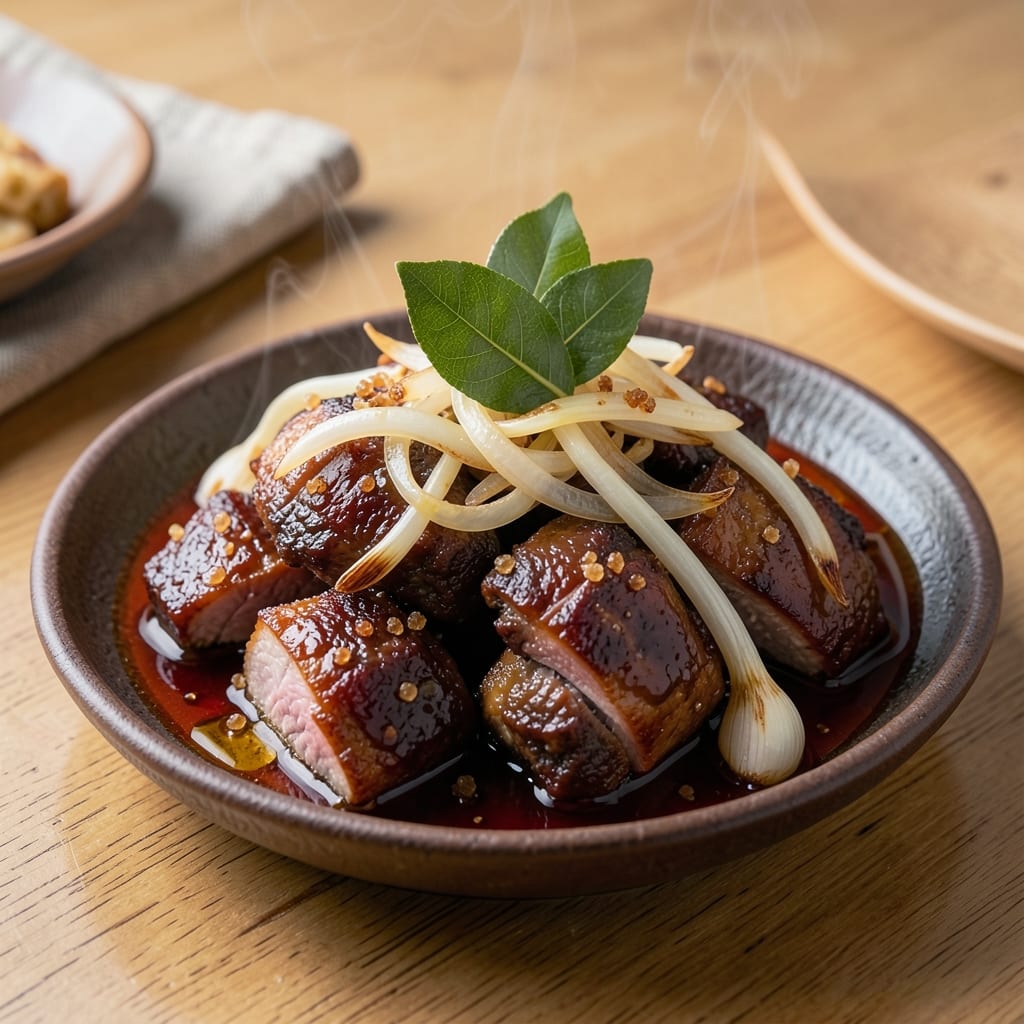
This Bisaya pork adobo recipe delivers the perfect balance of tangy vinegar and savory sweetness that makes every bite unforgettable. 🔥 The secret lies in marinating the pork overnight, allowing the flavors to penetrate deeply while tenderizing the meat—just like my grandmother used to do back in Georgia. This isn’t your typical adobo; it’s a regional twist from the Visayas that transforms tough cuts into melt-in-your-mouth perfection.
The process starts with a simple marinade of soy sauce, vinegar, and spices, but the magic happens during the slow braising. We’ll brown the pork first to develop a rich crust, then simmer it until the meat falls apart at the touch of a fork. The result? A dish that’s bold, aromatic, and packed with layers of flavor—exactly what you’d find at a family gathering in the Philippines, but with a Southern touch.
By the end, you’ll have a dish so tender and flavorful that it pairs beautifully with steamed rice and sautéed vegetables. The sauce clings to every bite, offering a perfect harmony of sweet, sour, and umami. This recipe isn’t just about cooking; it’s about creating a meal that feels like home.
Whether you’re serving a crowd or treating yourself to a special dinner, this Bisaya pork adobo is a game-changer. Let’s get started—your taste buds will thank you.
Ingredients for bisaya pork adobo
Six ingredients transform tough pork into melt-in-your-mouth perfection—just like my grandmother's secret.
| Ingredient | Amount | Notes |
|---|---|---|
| Pork Shoulder 🥩 | 3 lb | Bone-in for flavor, cut into 2-inch chunks |
| Cane Vinegar 🍶 | 1 cup | White vinegar substitute if unavailable |
| Soy Sauce 🥄 | ½ cup | Dark soy for deeper color |
| Brown Sugar 🍚 | ½ cup | Packed, not scooped |
| Garlic Cloves 🧄 | 8 cloves | Minced, fresh preferred |
| Onion 🧅 | 1 whole | Yellow, sliced into half-moons |
| Bay Leaves 🌿 | 2 whole | Dried, standard size |
| Black Peppercorns 🌶️ | 1 tsp | Crushed lightly |
| Olive Oil 🫒 | 2 tbsp | For searing pork |
| Water 💧 | 1 cup | For deglazing pan |
| Salt 🧂 | 1 ½ tsp | Kosher or sea salt |
| Ground Black Pepper 🌶️ | ½ tsp | Freshly ground |
| Green Onions 🧅 | 4 whole | Sliced, for garnish |
The pork shoulder is non-negotiable here—it's what gives you that signature tender texture. Look for well-marbled cuts at your local butcher shop or the meat department at Whole Foods. If you can't find bone-in, use boneless but add an extra 30 minutes to your cooking time. The vinegar matters too—Filipino cane vinegar is ideal, but white vinegar works in a pinch. I always grab extra garlic and onions because they're the flavor anchors in this dish. Fresh is best, but if you're using dried, double the amount. The bay leaves might seem small, but they add that subtle depth that makes this dish special.
No cane vinegar? White vinegar or apple cider vinegar will do, though the flavor will be slightly different. Dark soy sauce is preferred for that rich color, but regular soy sauce works too. If you're watching sugar, you can reduce the brown sugar to 1/4 cup, but trust me, the sweetness balances the tang perfectly. The green onions are optional but add a nice fresh finish—skip them if you're serving this to kids who aren't fans. For extra depth, add a pinch of ground cloves or cinnamon to the marinade. And if you're feeling adventurous, swap the pork shoulder for pork belly—it's richer but requires more time.
This dish tastes even better the next day, so make extra if you can. Store leftovers in an airtight container in the fridge for up to 5 days. For longer storage, freeze portions for up to 3 months. I love making a double batch—one for dinner and one to freeze for lazy days. The sauce thickens as it cools, so add a splash of water or vinegar when reheating if it's too stiff. And always serve it with steamed rice—it's the perfect partner for soaking up all that delicious sauce.
Why You'll Love This Recipe
- One-Pan Magic: I swear by this recipe—just toss the pork shoulder, garlic, and vinegar in one pot, then let it simmer. No chopping, no fuss, and the aromas fill the whole house while you do dishes. (Yes, even on a Tuesday night.)
- Tangy-Sweet Perfection: That balance of cane vinegar’s sharp bite and brown sugar’s caramelized depth? It’s what makes this dish ridiculously good. The soy sauce ties it all together, leaving you with meat that’s fall-apart tender with just the right kick.
- Leftovers That Last: Between us, this recipe makes way more than you’ll eat in one sitting—and that’s a good thing. The flavors actually get better the next day, so you’ll be reheating it for lunch or packing it for work without a second thought.
- Budget-Friendly Crowd-Pleaser: Pork shoulder is cheap, and this recipe stretches to feed four (or five, if you’re like me). Serve it with rice for a filling meal that won’t break the bank, or double the batch for potlucks where everyone asks for seconds.
Step-by-step instructions for Bisaya pork adobo
Here's how to create melt-in-your-mouth pork that balances tangy, sweet, and savory flavors perfectly.
🍳 Step 1: Sear the Pork Shoulder for Maximum Flavor
Heat a large Dutch oven over medium-high heat and add the 2 tablespoons olive oil. Once shimmering, add the 3 lb pork shoulder in 2-inch chunks, working in batches if needed. Sear for 3-4 minutes per side until golden brown—this builds deep flavor through the Maillard reaction.
Don't crowd the pan or you'll steam instead of sear. I press down gently on the pork during the first minute to prevent curling and ensure even contact with the hot surface. Remove the pork and set aside—those browned bits will become the base of our sauce.
👨🍳 Step 2: Build the Adobo Sauce Foundation
In the same Dutch oven, reduce heat to medium and add the 1 whole onion sliced into half-moons. Cook for 5 minutes until softened and light golden. Add the 8 cloves minced garlic and 1 teaspoon crushed black peppercorns, cooking for 30 seconds until fragrant.
Here's where the magic happens: pour in the 1 cup cane vinegar and 1 cup water, scraping up all those browned pork bits from the bottom. Bring to a simmer and let it bubble for 5 minutes—this deglazing step extracts all the meaty flavor locked in those crusty bits.
🥘 Step 3: Simmer the Pork in Sweet-Savory Sauce
Return the seared pork to the pot along with the 1.5 teaspoons salt, 0.5 teaspoons ground black pepper, 2 whole bay leaves, 0.5 cup soy sauce, and 0.5 cup packed brown sugar. Stir gently to combine, then bring to a boil.
Once boiling, reduce heat to low and cover partially. Simmer for 1 hour 30 minutes until the pork is fork-tender and the sauce has reduced to a glossy, syrupy consistency. The pork should pull apart easily when tested with tongs, and the sauce should coat the back of a spoon.
⏰ Step 4: Reduce and Finish for Perfect Texture
Uncover the pot and increase heat to medium-high. Let the sauce reduce for 10-15 minutes until it thickens and becomes deep caramel-colored. The sauce should coat a spoon and cling to the pork—this is where the authentic Bisaya texture comes together.
Taste and adjust seasoning: add more soy sauce for saltiness, brown sugar for sweetness, or vinegar for tang. The balance should be complex—sweet, salty, tangy, and umami all in one bite. Remove and discard the bay leaves before serving.
🍽️ Step 5: Garnish and Serve with Confidence
Transfer the pork and sauce to a serving platter. Garnish with the 4 sliced green onions for freshness and color. Serve immediately with steamed rice—each bite should deliver tender, vinegar-kissed pork with a glossy, flavor-packed sauce that clings perfectly.
This dish tastes even better the next day as the flavors meld further. Store leftovers in the refrigerator for up to 4 days, re-heating gently on the stove with a splash of water to restore the sauce's glossy texture. The key to tender pork lies in that long, gentle simmer—don't rush it!
Pro Tips For Making Bisaya Pork Adobo
- Sear the Pork First: Hit that pork shoulder with a screaming-hot pan—no oil needed—until it’s deep golden in spots. I learned this the hard way: skipping the sear means your adobo tastes like stewed meat, not caramelized perfection. Three minutes per side, then move it to the pot. ---
- Use Aged Cane Vinegar: Fresh vinegar burns and tastes harsh. Aged cane vinegar (the kind that’s been sitting in barrels) adds depth—think sweet, smoky complexity, not just sour punch. If you’re using regular, reduce it by half and simmer longer to mellow the acid. ---
- Don’t Rush the Simmer: Low and slow is the only way. After the initial boil, drop the heat to a gentle simmer where bubbles barely break the surface. I used to crank it up, and the pork turned tough. This takes 90 minutes, but it’s worth every second for fork-tender meat. ---
- Balance the Sweet-Sour: Taste as you go. If the vinegar’s too sharp, add a spoon of brown sugar. If it’s cloying, splash in more vinegar or a pinch of salt. My first batch was either too sweet or too sour—now I adjust in 10-minute intervals until it’s just right.
Serving suggestions for this dish
Steamed White Rice
This dish is incomplete without perfectly steamed white rice—the ideal canvas for soaking up that rich, tangy adobo sauce. I always use jasmine rice for its delicate floral notes that complement the dish beautifully. For a restaurant-quality finish, rinse the rice 3-4 times until the water runs clear, then cook it in a 1:1.5 rice-to-water ratio using the absorption method. The rice should be tender but still slightly firm, with a glossy finish that makes every bite feel special. 💛
Sautéed Garlic Green Beans
Bright, crisp green beans cut through the richness of the pork beautifully. Heat 1 tablespoon olive oil in a pan over medium-high heat, then add 1 lb fresh green beans trimmed and halved. Sauté for 4-5 minutes until bright green and just tender-crisp. Finish with 2 minced garlic cloves and a pinch of salt. The garlic adds another layer of depth that pairs perfectly with the adobo's complexity. I like to serve them on the side for color contrast.
Atchara Pickled Vegetables
For that authentic Filipino touch, serve with atchara—a sweet and tangy carrot and daikon radish pickle. You can find it at Asian markets or make your own by thinly slicing 1 cup carrots and 1 cup daikon, then soaking in a mixture of ½ cup vinegar, ¼ cup sugar, and ½ teaspoon salt for at least 2 hours. The crunch and acidity balance the pork's richness perfectly. I often add a few slices to the plate as a garnish for extra visual appeal.
Crispy Fried Eggs
For a heartier meal, serve with sunny-side-up eggs fried in butter until the yolks are runny. The warmth of the egg yolk contrasts beautifully with the cool, tangy adobo sauce. I like to fry them in a cast iron skillet over low heat for about 3 minutes per side, adding a pinch of salt at the end. The eggs add a luxurious touch that makes this dish feel like a special occasion. 🍳
Warm Crusty Bread
For those who prefer a starchy side, serve with warm crusty bread—I recommend a baguette or sourdough sliced and lightly toasted. The bread soaks up the sauce beautifully, and the crust adds a satisfying texture contrast. For extra indulgence, brush the slices with garlic-infused olive oil before serving. It's a simple touch that elevates the whole meal.
Garnish Like a Pro
Before serving, I always garnish with freshly sliced green onions and a sprinkle of toasted sesame seeds for texture and aroma. The green onions add a fresh pop of color, while the sesame seeds bring a nutty depth. For an extra touch, drizzle the dish with a bit of Filipino calamansi juice**—it brightens the flavors and ties everything together. Presentation matters, and these small details make the dish look as good as it tastes. ✨
Nutrition facts
Frequently asked questions
What makes Bisaya pork adobo different from regular Filipino adobo?
The Bisaya version balances sweetness and tang differently—using more brown sugar and cane vinegar for a deeper caramelized flavor. While traditional adobo relies on vinegar-heavy acidity, Bisaya style incorporates a sweeter profile that tenderizes the meat while keeping the sauce glossy and clingy. The slow simmer also creates a richer texture.
Can I use pork belly instead of pork shoulder?
Yes, but you'll need to adjust cooking time! Pork belly requires 2-3 extra hours of simmering to render fat properly. For best results, score the belly in a diamond pattern before searing to help the marinade penetrate. The fat will make the sauce even more luxurious, but expect a richer, slightly greasier texture.
How do I know when the pork is fully tender?
Test with a fork or meat thermometer—pork should reach 203°F internally and pull apart easily. If it resists, simmer 15-30 minutes longer. The sauce should also coat the back of a spoon and have a syrupy consistency. Overcooking can make it dry, so monitor closely in the final 30 minutes.
What's the best way to store and reheat leftovers?
Store in an airtight container for up to 5 days in the fridge or 3 months frozen. To reheat, warm gently on the stove with 1-2 tablespoons water to restore sauce thickness. Never microwave—it makes the pork rubbery. For frozen portions, thaw overnight in the fridge before reheating.
Can I make this in a slow cooker?
Brown the pork first, then transfer everything to the slow cooker and cook on low for 8 hours or high for 4-5 hours. The slow cooker's gentle heat mimics the braising process perfectly. Just add 1/4 cup water** if the sauce gets too thick during cooking. The texture will be slightly more tender than stovetop.